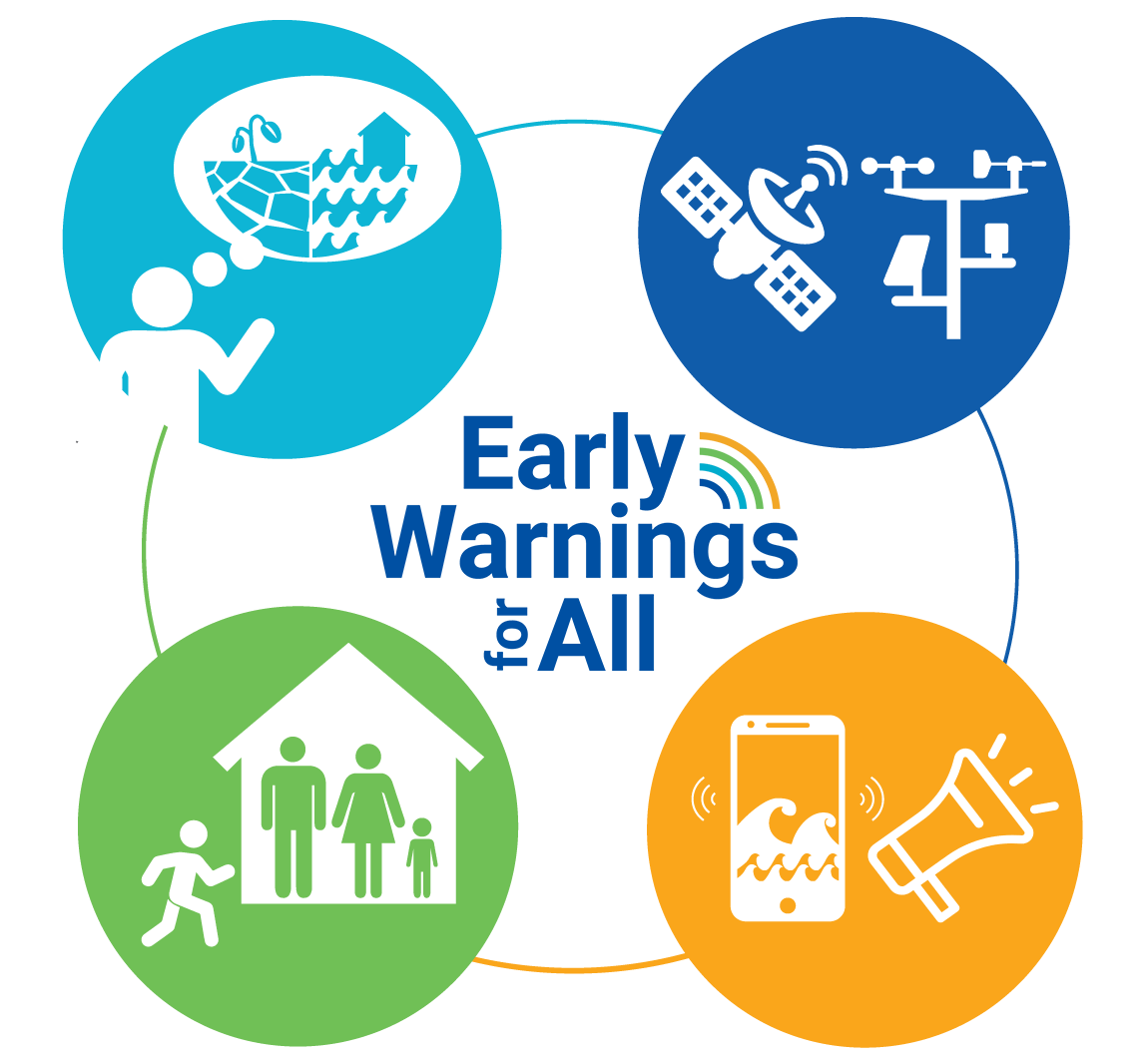
Alerts and warnings are time-sensitive communications designed to notify individuals and organizations of imminent hazards, ranging from severe weather and public safety threats to cybersecurity breaches. These systems utilize multi-channel delivery—including wireless devices, broadcast media, and digital platforms—to ensure high-priority information reaches the affected population or technical teams in time to take protective action.
The Hierarchy of Risk: Understanding the Terminology
Effective response to any crisis begins with a clear understanding of the severity levels indicated in a notification. While terminology can vary slightly across different sectors—such as meteorology, cybersecurity, and industrial safety—the fundamental hierarchy remains consistent. In 2026, standardized protocols have become even more critical as global communication networks integrate satellite-to-cell technologies.
Advisories and Statements
An advisory is issued when a specific event is occurring, imminent, or likely, but the threat level is lower than that of a "watch" or "warning." These are intended to cause minimal disruption to daily life while encouraging heightened awareness. For example, a winter weather advisory suggests that while travel may be difficult, the conditions are not expected to be life-threatening if standard precautions are followed.
The Significance of a Watch
A watch indicates that conditions are favorable for a hazardous event to occur. It does not mean the event is happening currently; rather, it serves as a signal to review emergency plans and remain vigilant. In the context of the National Weather Service, a "Tornado Watch" means the atmosphere has the right ingredients for a tornado, and residents should be ready to seek shelter if the situation escalates.
Warnings: The Immediate Call to Action
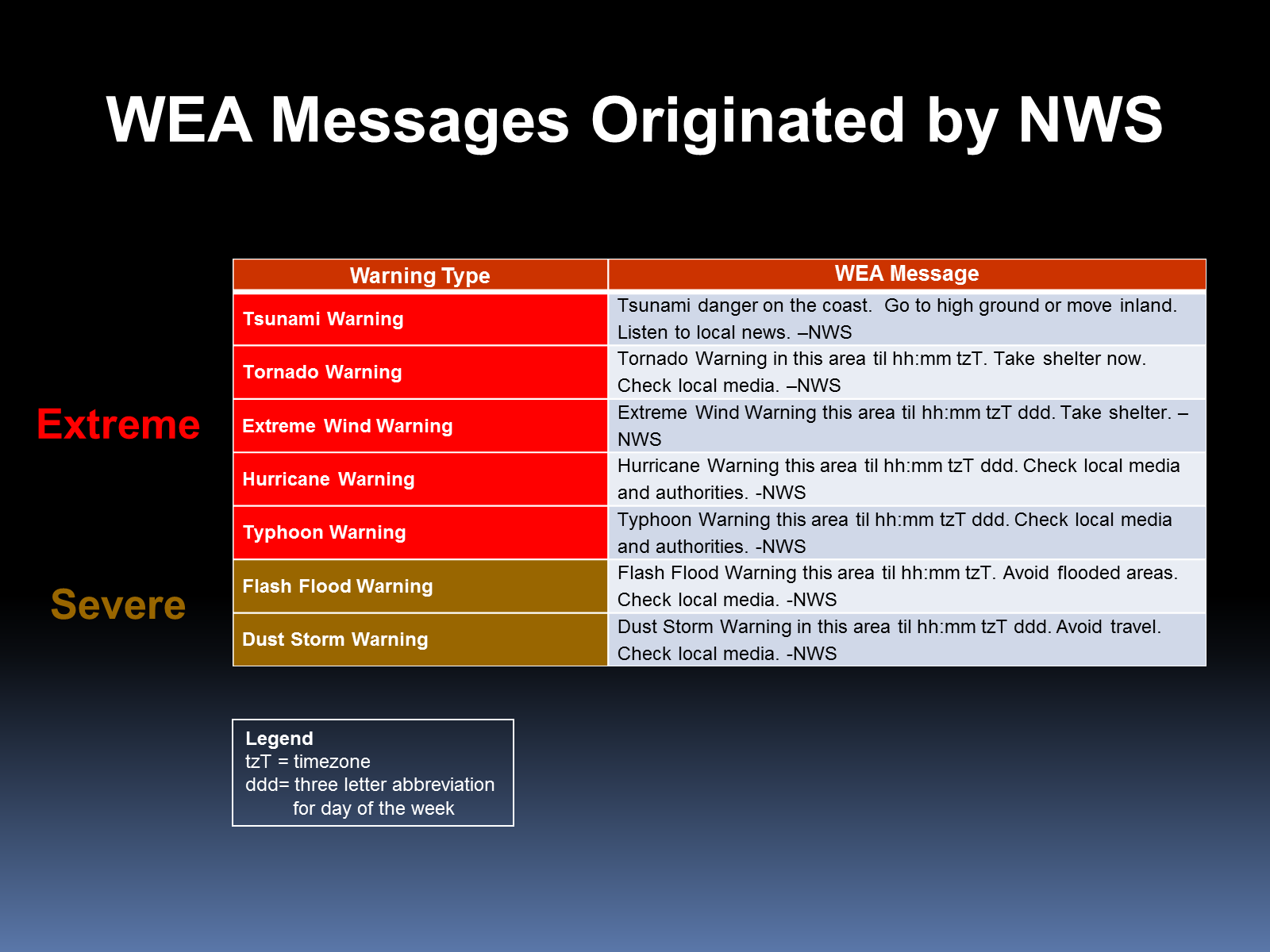
A warning is the highest level of notification. It signifies that a hazardous event is occurring, is imminent, or has a very high probability of occurring in the immediate future. When a warning is issued, it is a directive to take life-saving action immediately. In digital systems, a "critical warning" often triggers automated protocols, such as isolating a server or shutting down a power grid segment to prevent catastrophic failure.
Public Safety Systems and the Evolution of IPAWS
In the United States, the Integrated Public Alert & Warning System (IPAWS) serves as the modern backbone for emergency communications. Managed by FEMA, IPAWS is a "system of systems" that allows authorized alerting authorities to send a single message that is then distributed across multiple communication pathways.
Wireless Emergency Alerts (WEA)
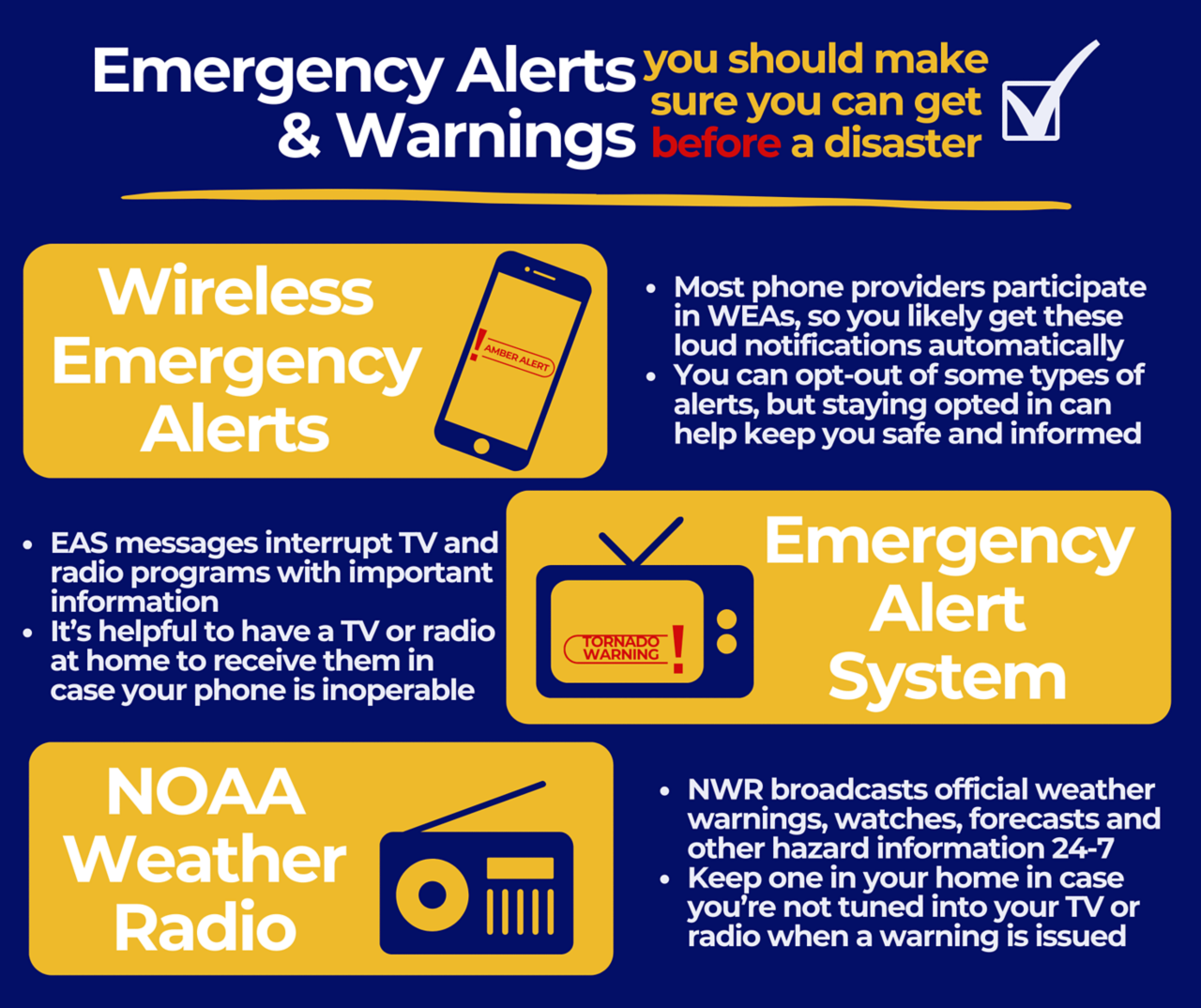
WEAs are the short, high-pitched notifications that appear on mobile phones. By 2026, the technology has evolved to include enhanced "Direct-to-Cell" satellite capabilities, ensuring that even users in remote "dead zones" without traditional cellular towers receive critical safety information. These alerts are geofenced, meaning only individuals within a specific geographic polygon of danger will receive them, significantly reducing unnecessary panic in unaffected areas.
The Emergency Alert System (EAS)
The EAS remains a vital component of public safety, delivering warnings via radio, television, and cable providers. This system is designed for national-level emergencies but is most frequently used at the state and local levels for weather events and AMBER Alerts. The integration of digital metadata in 2026 allows smart home devices and IoT-connected appliances to also parse EAS data, potentially flashing smart bulbs or pausing high-decibel media to ensure the warning is noticed.
National Oceanic and Atmospheric Administration (NOAA) Weather Radio
Often referred to as the "Voice of the National Weather Service," NOAA Weather Radio (NWR) provides 24/7 information directly from the nearest NWS office. Specialized receivers are equipped with Specific Area Message Encoding (SAME), allowing users to program their devices to only trigger for specific counties and specific types of warnings.
Cybersecurity Alerts and Threat Intelligence
Beyond physical safety, the concept of "alerts and warnings" is central to the digital resilience of modern organizations. As cyber threats have become more sophisticated, the systems used to detect and communicate them have moved toward automated AI-driven analysis.
SIEM and SOAR Frameworks
Security Information and Event Management (SIEM) systems aggregate log data from across an enterprise's IT infrastructure. When an anomaly is detected—such as an unauthorized login from an unusual geographic location—the system generates an alert. Security Orchestration, Automation, and Response (SOAR) platforms then take that alert and execute "playbooks" to mitigate the risk before a human analyst even sees the notification.
CISA Cyber Advisories
The Cybersecurity and Infrastructure Security Agency (CISA) provides a public-facing alert system. These advisories warn organizations about active exploits, software vulnerabilities, and state-sponsored actor movements. These warnings are categorized by their Common Vulnerability Scoring System (CVSS) score, helping IT departments prioritize which patches to apply first.
Industrial and IoT Monitoring: Preventing Infrastructure Failure
In industrial environments, alerts and warnings are the primary defense against equipment failure and environmental hazards. Supervisory Control and Data Acquisition (SCADA) systems monitor thousands of sensors across manufacturing plants, water treatment facilities, and power plants.
Threshold-Based Alerting
Most industrial systems operate on threshold logic. If a pressure valve exceeds its rated limit, an "alert" is logged. If the pressure continues to rise to a point where a rupture is possible, a "warning" is issued, often accompanied by physical sirens or strobe lights in the facility.
Predictive Maintenance Warnings
In 2026, many industrial systems have moved from reactive alerting to predictive warnings. By using machine learning to analyze vibration and heat patterns, sensors can issue a "maintenance warning" weeks before a part actually fails. This prevents unplanned downtime and reduces the risk of workplace injuries caused by catastrophic mechanical failure.
Comparing Alert Types and Delivery Methods
The following table outlines the differences between the primary categories of alerts and warnings used in 2026.
| Category | Primary System | Primary Purpose | Delivery Method | Action Required |
|---|---|---|---|---|
| Public Safety | WEA / IPAWS | Protect life and property from immediate threats. | Mobile devices, TV, Radio, Satellite. | Immediate (e.g., Take shelter). |
| Meteorological | NWS / NOAA | Track and predict hazardous weather. | Weather Radio, Apps, EAS. | Varying (Preparation to Action). |
| Cybersecurity | SIEM / CISA | Defend against data breaches and exploits. | Dashboards, Email, SMS to IT teams. | Technical (e.g., Patching, Isolation). |
| Industrial | SCADA / IoT | Monitor machinery and environment. | On-site sirens, HMI panels, Mobile. | Operational (e.g., Emergency Stop). |
| Public Health | CDC / WHO | Contain disease outbreaks and toxic risks. | News media, Official portals, SMS. | Behavioral (e.g., Masking, Evacuation). |
The Psychology of Alert Fatigue
One of the most significant challenges in the field of emergency management is "alert fatigue." This occurs when individuals or professionals are exposed to a high frequency of alerts, many of which may be low-priority or false alarms. Over time, this leads to desensitization, where the recipient begins to ignore or delay their response to even critical warnings.
Minimizing False Positives
To combat fatigue, alerting authorities in 2026 utilize more precise data. For instance, flood warnings are no longer sent to an entire city if only the residents near a specific creek are at risk. In cybersecurity, "noise-canceling" algorithms filter out routine pings and known benign behavior, ensuring that security analysts only receive high-fidelity alerts that require human intervention.
User Personalization and Urgency
Modern OS developers (such as those for iOS 19 and Android 16) have implemented "Critical Alert" permissions. These allow specific, verified emergency apps to bypass "Do Not Disturb" settings and play sounds even if the device is muted. By reserving this capability for true life-safety warnings, the industry aims to restore the sense of urgency that alerts are intended to convey.
Verifying the Authenticity of Alerts
As deepfakes and misinformation campaigns have become more prevalent, verifying the source of an alert is crucial. Unauthorized actors may attempt to trigger panic by sending spoofed notifications or hacking digital signage.
- Check Official Sources: Always cross-reference a mobile alert with official government websites like FEMA.gov or the National Weather Service.
- Look for Consistency: True emergencies are almost always communicated through multiple channels simultaneously. If you receive a text but the local news and radio are silent, verify the information before acting.
- Understand Technical Senders: In an enterprise environment, ensure that your IT department uses signed and encrypted communication for internal alerts to prevent "shadow alerts" from malicious actors.
Common Questions Regarding Alerts and Warnings
What is the difference between a Severe Thunderstorm Watch and a Warning?
A watch means that the atmospheric conditions are favorable for severe thunderstorms to develop; you should remain informed. A warning means a severe thunderstorm has been spotted or indicated by radar, and you should take shelter immediately.
Why didn't I receive a Wireless Emergency Alert on my phone during a local emergency?
There are several reasons this might happen: your phone's settings may have "Emergency Alerts" toggled off, you may be in a location with no cellular or satellite reception, or your device may not have been within the specific geographic area targeted by the alerting authority.
Can I opt out of receiving emergency alerts?
While users can generally opt out of "Amber Alerts" and "Public Safety Alerts" in their phone settings, most jurisdictions do not allow users to opt out of "Presidential Alerts" (National Alerts), which are reserved for the most extreme national emergencies.
How do "Red Flag Warnings" differ from weather warnings?
A Red Flag Warning is specifically issued by the National Weather Service to inform area firefighting and land management agencies that conditions are ideal for wildland fire combustion and rapid spread. It is as much a warning for the public to avoid outdoor burning as it is for emergency services to prepare.
What should I do if I receive a "Civil Danger Warning"?
A Civil Danger Warning is a high-level alert broadcast via the EAS. It typically signifies a non-weather-related threat to the general public, such as a hazardous materials leak or a significant law enforcement incident. You should tune in to local media immediately for specific instructions on evacuation or sheltering in place.
Establishing a Personal and Professional Alert Protocol
To ensure your safety and the resilience of your organization, you must have a proactive strategy for receiving and responding to alerts. Relying on a single source of information is a common point of failure in emergency planning.
For individuals, the most effective protocol involves "redundant alerting." This means having at least three ways to receive a warning: a smartphone with WEA enabled, a battery-powered NOAA Weather Radio for home use, and a local news app with push notifications. In 2026, ensure your mobile device supports the latest satellite-to-cell protocols to maintain connectivity during infrastructure outages.
For organizations, the focus should be on "alert governance." This involves clearly defining who has the authority to issue an internal warning, what the criteria for different severity levels are, and how those alerts are audited to prevent future fatigue. Regularly testing these systems ensures that when a real "critical warning" is issued, the technical systems and the human teams are ready to respond without hesitation.