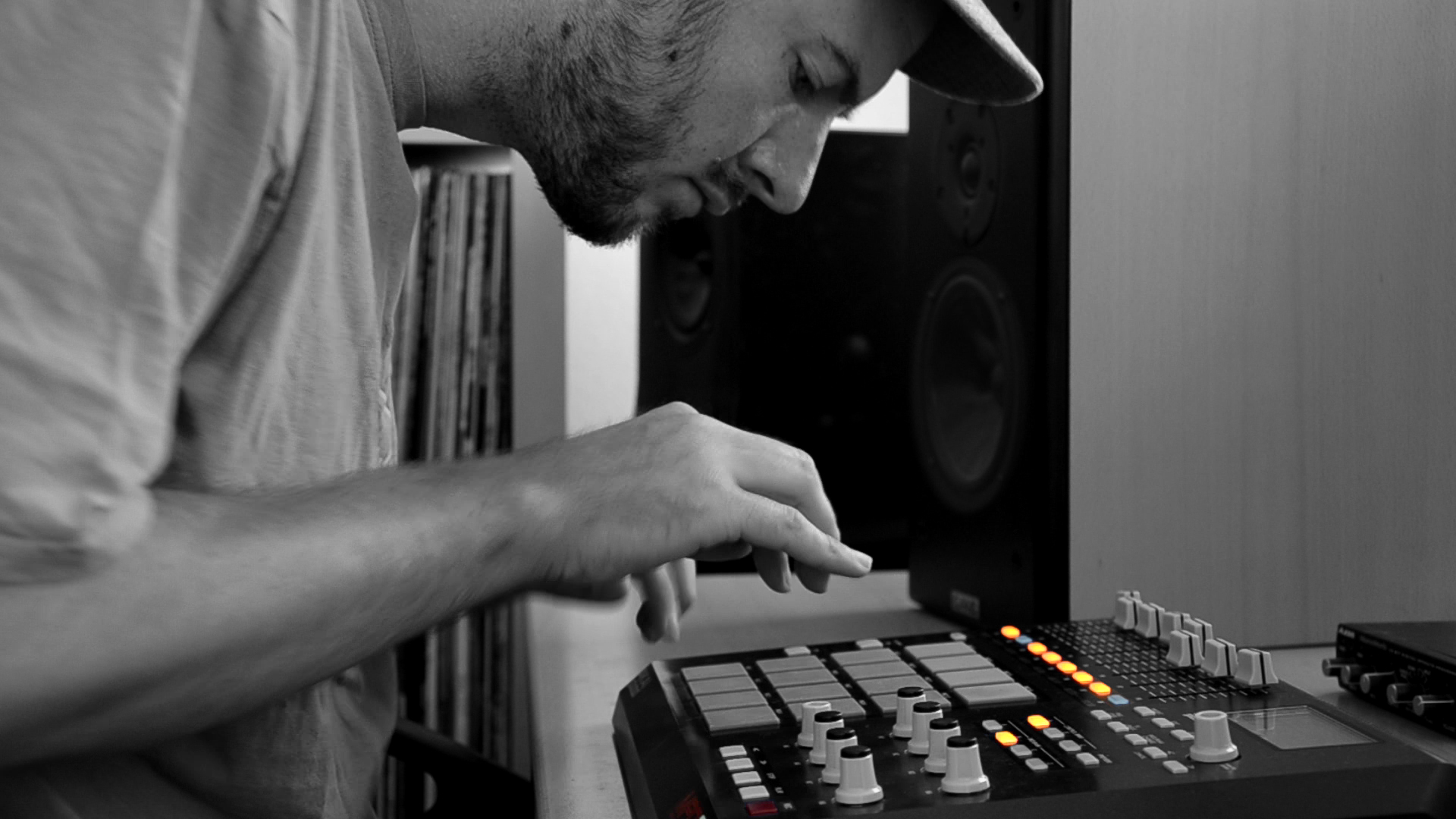
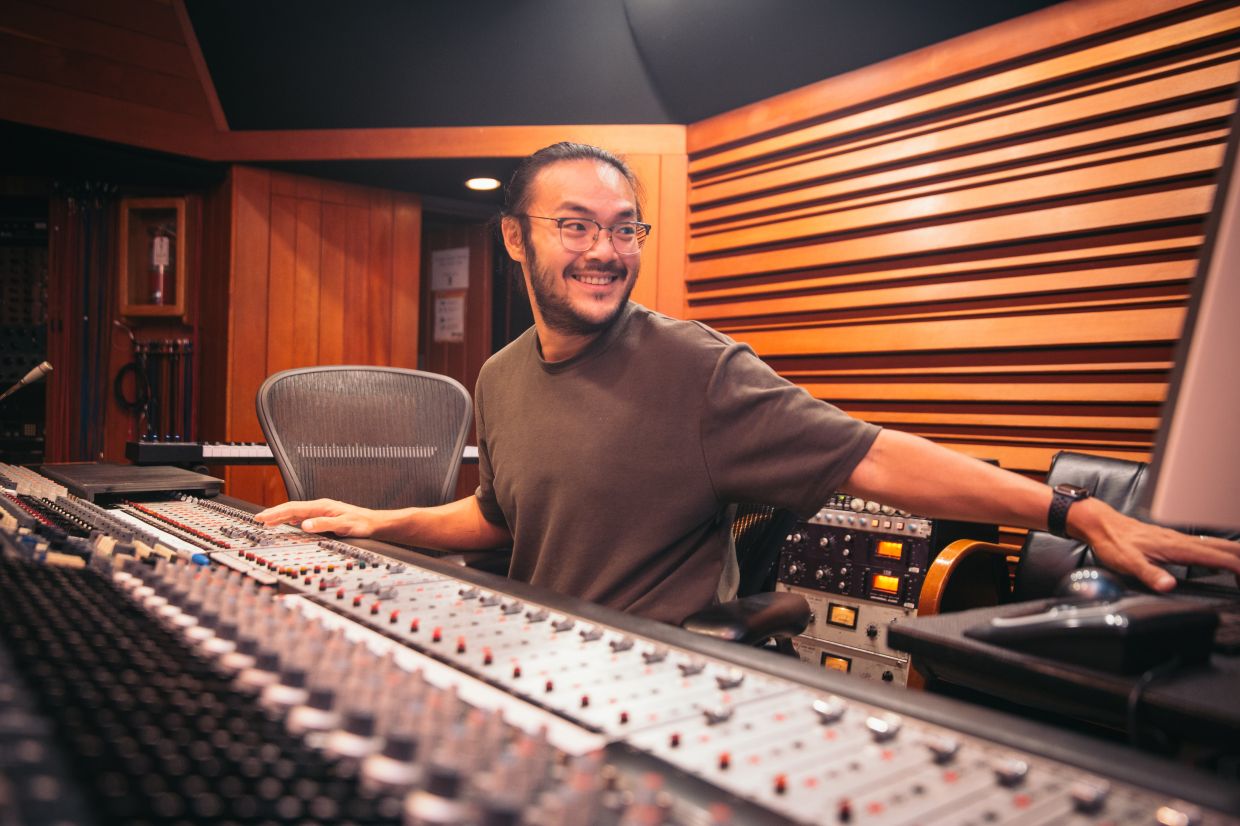
Alec Puro is an award-winning American composer, musician, and entrepreneur best known as the drummer for the synth-rock band Deadsy and the founder of Gramoscope Music. As a "sonic architect," he crafts immersive scores for film and television, blending rhythmic precision with emotive melodies across diverse genres ranging from gritty dramas to indie comedies.
From the Drum Throne to the Studio Desk: The Deadsy Legacy
Before Alec Puro became a staple in the world of television and film scoring, he was fundamentally a student of rhythm. In the late 1990s and early 2000s, Puro gained international recognition as the drummer for Deadsy, a band known for its "undercore" aesthetic—a blend of industrial, synth-pop, and heavy metal. This era was foundational for Puro’s later work as a "sonic architect." Playing alongside Elijah Blue Blue and Carlton Bost, he developed a keen understanding of how synthesizers and heavy percussion could create a world-building atmosphere.
The transition from a touring musician to a studio-bound composer was not merely a career change but an evolution of craft. For Puro, the "beats" were never just about keeping time; they were about texture and narrative tension. In Deadsy, the music was theatrical and visual, qualities that translated seamlessly into the requirements of modern film scoring. By the time he pivoted toward composition in the late 2000s, he brought with him an unconventional palette that prioritized mood and "sonic signatures" over traditional orchestral tropes. This background allowed him to approach a blank frame not just as a songwriter, but as a builder of soundscapes.
The Gramoscope Vision: Bridging Original Score and Library Music
In the mid-2000s, Puro identified a gap in the entertainment industry: the need for high-quality, boutique music that sat somewhere between a bespoke original score and generic production music. This led to the founding of Gramoscope Music, a full-service music production company. As of 2026, Gramoscope remains a powerhouse in the industry, providing scores and licensing opportunities for some of the most recognizable brands and networks in the world.
The genius behind Gramoscope lies in its dual identity. On one hand, it functions as a creative hub where Puro and his team compose original themes for hit series like The Fosters and Good Trouble. On the other, it houses a curated library of music that maintains the high production standards of a feature film score. This "sonic architecture" approach ensures that even "library" tracks feel intentional and integrated.
By scaling his creative vision through Gramoscope, Puro has influenced the sound of modern television more than many realize. His company’s work has appeared in thousands of episodes of television, commercials, and trailers, making him one of the most prolific, if sometimes behind-the-scenes, architects of the current auditory landscape.
Analyzing the "Sonic Architecture": Puro’s Creative Process
What does it mean to be a "sonic architect" in the context of 2026? For Alec Puro, it involves a multi-layered approach to composition that starts with the emotional "anchor" of a scene. Unlike traditional composers who might start with a piano melody, Puro often begins with a rhythmic pulse or a custom-designed synth patch.
The Rhythmic Foundation
Given his history as a drummer, Puro’s scores are often characterized by their sophisticated use of percussion. In high-tension projects like Netflix’s Black Summer, the music functions almost like a heartbeat. He uses "found sound" percussion—metallic clangs, distorted heartbeats, and industrial hums—to create a sense of unrelenting dread. This isn't just "background music"; it is a structural element that drives the pacing of the edit.
The Emotive Layer
Despite his penchant for grit and rhythm, Puro possesses a remarkable ability to pivot toward vulnerability. His work on The Art of Getting By (2011) and the long-running Freeform series The Fosters demonstrates a mastery of the acoustic and "indie-chamber" sound. Here, the architecture is lighter, utilizing piano, strings, and subtle electronic swells to mirror the internal lives of the characters. He understands that silence is just as much a part of the architecture as sound, often stripping away layers to leave a single, resonant note that carries the emotional weight of a scene.
Collaboration with Directors
Puro’s process is deeply collaborative. He is known for "spotting sessions" where he works closely with directors to determine where music should breathe and where it should dominate. He views his role as providing the "sonic glue" that holds disparate visual elements together, ensuring that the audience feels the subtext of the story even when the dialogue is minimal.
Landmark Projects and Thematic Versatility
Alec Puro’s filmography is a testament to his range. He does not stick to a single "sound," but rather adapts his architectural style to the needs of the narrative. The following table highlights some of the key pillars of his career:
| Project Title | Release Year | Genre | Primary Musical Architecture |
|---|---|---|---|
| The Art of Getting By | 2011 | Indie Drama | Melodic, piano-driven, contemplative. |
| The Fosters | 2013–2018 | Family Drama | Pop-infused, emotional, acoustic-electric hybrid. |
| Higher Ground | 2011 | Biographical Drama | Minimalist, soulful, character-focused. |
| Black Summer | 2019–2021 | Horror/Thriller | Industrial, rhythmic, high-tension drone. |
| Good Trouble | 2019–2024 | Young Adult Drama | Modern, urban, synth-heavy, rhythmic. |
| The First Step | 2021 | Documentary | Uplifting, percussive, cinematic-ambient. |
Each of these projects required a different "blueprint." In Black Summer, the score was praised for its minimal use of melody, instead relying on sound design to heighten the survivalist terror of the show. Conversely, in The Fosters, the music had to be warm and inviting, providing a sense of "home" for the audience over several seasons.
The Technical Toolkit: How Puro Shapes Sound in 2026
In 2026, the tools available to a composer have never been more powerful, yet Alec Puro remains committed to a blend of high-end digital technology and organic "imperfection." His studio is a playground of analog synthesizers, custom drum kits, and the latest in Digital Audio Workstation (DAW) technology.
- Analog/Digital Hybridity: Puro frequently uses vintage synths (like the Prophet-5 or Moog One) to generate warmth and unpredictability that software plugins often struggle to replicate. He then processes these sounds through modern digital chains to give them a "larger-than-life" cinematic sheen.
- Custom Sampling: One of his signature techniques is recording organic sounds—such as hitting a rusted pipe or bowing a cymbal—and then manipulating them within a sampler. This ensures that his "beats" are unique and cannot be found in off-the-shelf sample libraries.
- Spatial Audio Integration: With the rise of immersive home theater systems, Puro’s 2026 compositions are increasingly mixed in Dolby Atmos. This allows his "architectural" approach to become literal, placing different sonic elements in a 3D space to envelop the viewer.
- The Human Element: Despite the technological advancements, Puro continues to record live musicians whenever possible. Whether it’s a solo cellist or a live drummer, he believes the "human micro-fluctuations" in timing and pitch are what ultimately connect the music to the human heart.
Navigating the Business of Modern Film Scoring
Beyond the creative aspects, Alec Puro is a shrewd navigator of the music industry’s evolving business models. In an era where streaming services dominate, the role of a composer has shifted. It is no longer just about writing a score; it is about managing rights, understanding sync licensing, and building a brand.
Through Gramoscope Music, Puro has mastered the art of "vertical integration" in the music world. By controlling the library, the production, and the composition, he offers a "one-stop-shop" for networks. This efficiency is highly valued in the fast-paced world of television production, where turnaround times for episodes can be as short as a few days.
Furthermore, Puro has been a vocal proponent of composers retaining their creative identity while working within the "work-for-hire" frameworks of major studios. He has set a precedent for how a modern artist can be both a high-level creative and a successful entrepreneur without sacrificing the integrity of the "beats" that define their work.
FAQ
How did Alec Puro’s experience in the band Deadsy influence his scoring?
Deadsy’s focus on atmospheric, synth-heavy "undercore" music provided Puro with a unique toolkit for world-building. His background as a drummer gave him a rhythmic perspective on scoring, allowing him to treat music as a driving force for pacing and tension rather than just a melodic accompaniment.
What is Gramoscope Music?
Gramoscope Music is a boutique music production and licensing company founded by Alec Puro. It provides original scores, custom compositions, and a high-end music library for film, television, and advertising. The company acts as a creative bridge between independent artists and major media networks.
What are some of Alec Puro's most famous scores?
He is widely recognized for his work on the long-running series The Fosters and its spin-off Good Trouble, as well as the Netflix zombie-thriller Black Summer. He also scored the Sundance hit The Art of Getting By and the Vera Farmiga-directed drama Higher Ground.
Is Alec Puro still active in the music industry as of 2026?
Yes, as of 2026, Alec Puro remains a prominent figure in the industry. He continues to lead Gramoscope Music and is actively composing for major network television series and independent feature films, while also exploring new technologies in spatial audio and immersive sound design.
Does Alec Puro only compose electronic music?
No. While he is a master of synth and electronic textures, Puro is highly versatile. His scores often include acoustic piano, orchestral strings, and indie-rock elements. His ability to blend these diverse sounds is a hallmark of his "sonic architecture" style.
Exploring the Puro Catalog: A Guide for Listeners
For those looking to understand the evolution of the "sonic architect," the best starting point is a comparative listen between his early work and his 2020s projects. Begin with the industrial-pop of Deadsy’s Commencement to hear the roots of his rhythmic sensibilities. Then, transition to the score of Netflix’s Black Summer to see how those same sensibilities were stripped down into a minimalist masterclass in tension.
To see his more melodic side, the Original Motion Picture Score for The Art of Getting By offers a window into his ability to capture the melancholy and hope of adolescence. For aspiring composers, studying Alec Puro’s career provides a roadmap for longevity: it shows that by mastering both the "beats" and the business, a musician can build a lasting legacy that resonates far beyond the drum kit.