Aldo Gucci’s net worth at the time of his death in January 1990 remains a subject of intense historical scrutiny, driven by legal battles, tax evasion controversies, and complex family inheritance disputes. While public perception often exaggerated the personal fortune of the man who transformed a Florentine leather shop into a global luxury empire, his actual estate was complicated by offshore accounts, shifting corporate stock ownership, and significant legal penalties that heavily reduced his liquid assets during his final years.
Unraveling the reality behind the fortune requires examining the financial structures of the Gucci company before its total sale to Investcorp, the impact of Aldo's 1986 tax evasion conviction, and the bitter family infighting that characterized the dynasty's twilight years. This analysis looks past myth and sensationalism to examine historical documentation, corporate filings, and biographical records regarding one of fashion's most influential patriarchs.
The Architectural Expansion of the Gucci Empire
To understand the financial realities surrounding Aldo Gucci's estate, one must first look at how the family business was built and structured. Joining the family enterprise founded by his father, Guccio Gucci, in Florence, Aldo was the primary mastermind behind the international expansion of the brand. He opened the first boutique outside of Florence in Rome in 1938, followed by the monumental launch of the New York flagship on 58th Street in 1953.
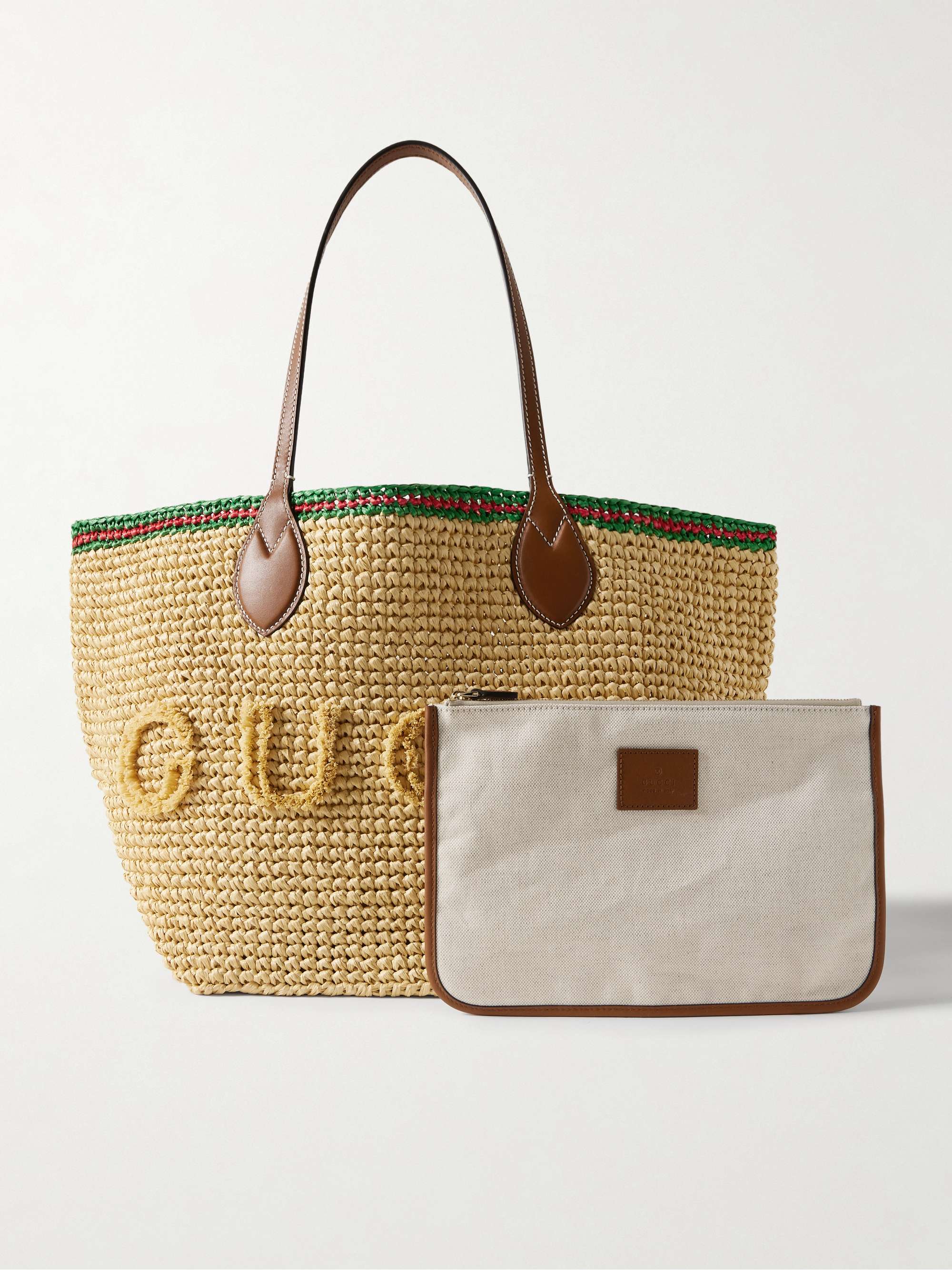
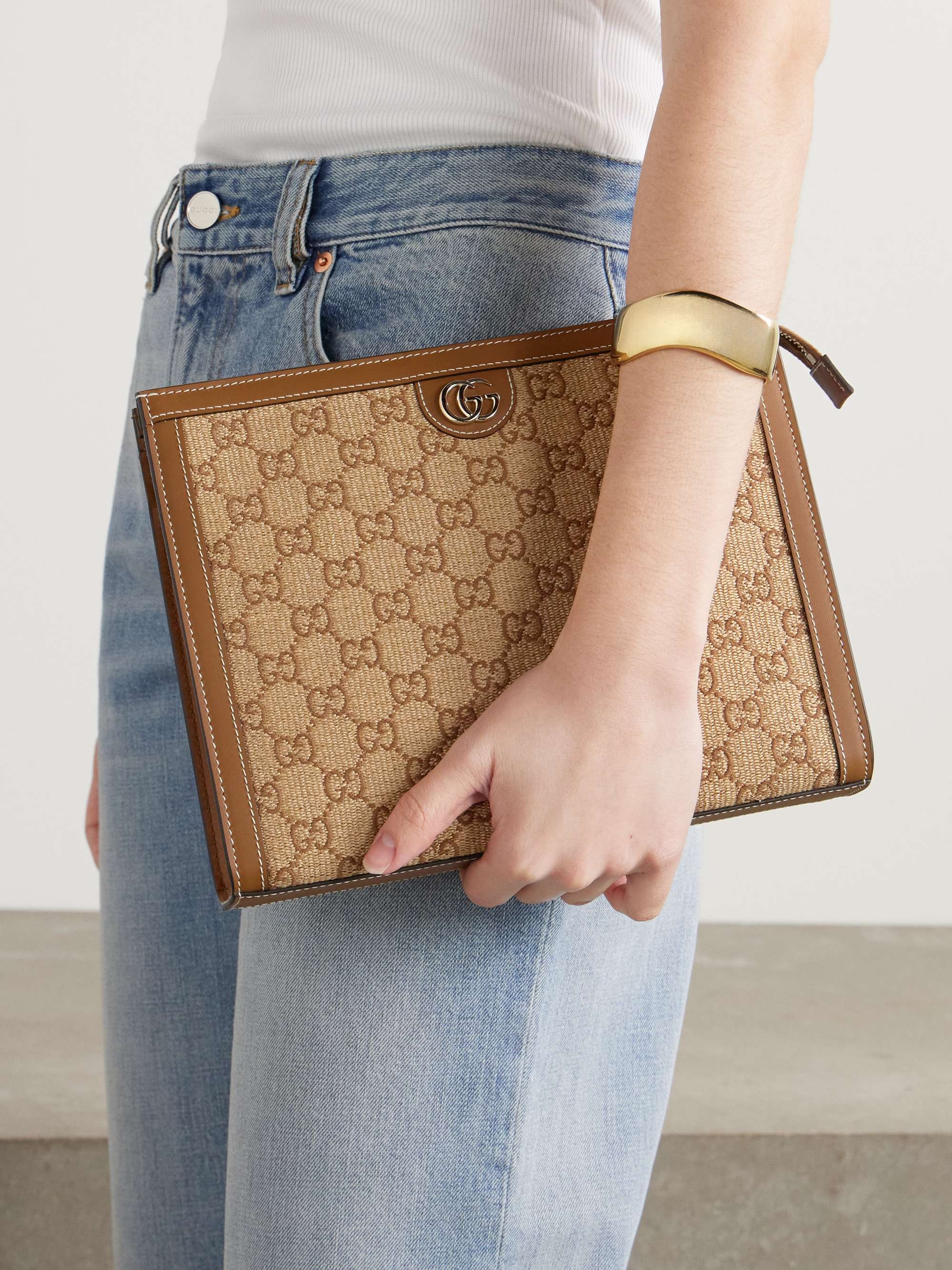
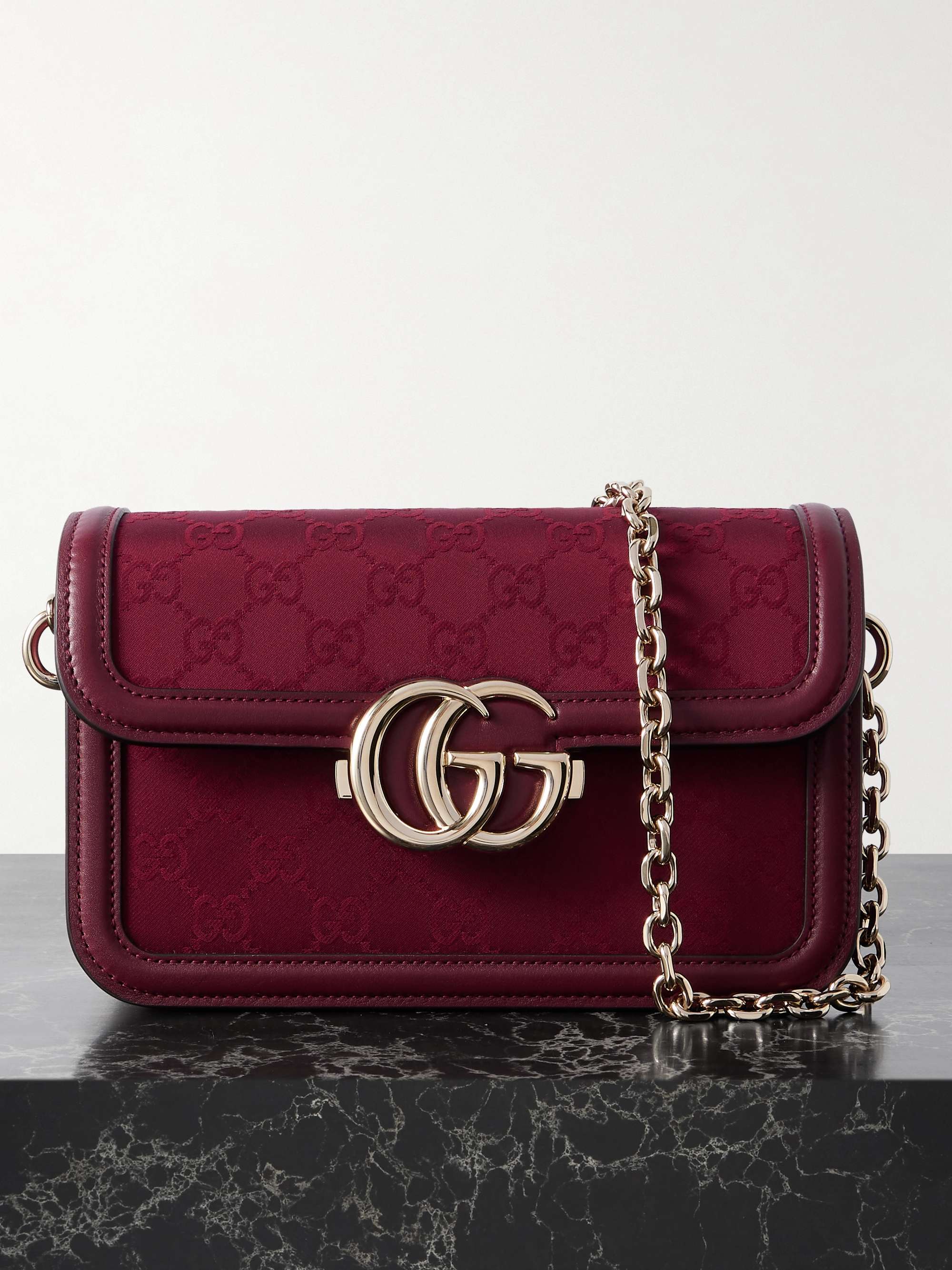
Under Aldo's leadership, Gucci evolved from a regional Italian leather goods maker into an international status symbol associated with Hollywood glamour, jet-set culture, and high-end craftsmanship. He pioneered the concept of lifestyle branding, introducing silk scarves, ready-to-wear clothing, watches, and home goods embossed with the iconic interlocking "GG" monogram. This aggressive global expansion generated immense revenue streams across multiple international subsidiaries, particularly Gucci America, which operated as a lucrative standalone entity for decades.
However, the corporate structure of the Gucci group was notoriously fragmented. Operations were divided among various family branches through complex holding companies, licensing agreements, and regional divisions in Italy, the United States, and other global markets. This decentralization meant that while gross revenues soared into the hundreds of millions of dollars during the 1970s and 1980s, corporate earnings were frequently siphoned, disputed, or reinvested rather than concentrated into a single personal bank account controlled entirely by Aldo Gucci.
The 1986 Tax Evasion Conviction and Financial Penalties
The most significant turning point in Aldo Gucci’s personal financial standing occurred in the mid-1980s, culminating in a dramatic federal prosecution in the United States. In 1986, Aldo Gucci pleaded guilty to federal tax evasion charges in a New York court, having defrauded the United States government of millions of dollars in personal income taxes derived from his operations of Gucci America.
At the age of 81, Aldo was sentenced to one year and one day in a federal penitentiary, serving his time at the Eglin Air Force Base camp in Florida. Beyond the prison sentence, the legal fallout carried devastating financial consequences. The courts imposed massive restitution fees, back taxes, and heavy penalties designed to recover the hidden revenues generated across his tenure.
This legal reckoning severely depleted his liquid capital. To pay off these mounting obligations and legal defense costs, Aldo was forced to liquidate various personal assets and leverage his remaining holdings. The scandal not only tarnished his public reputation but also triggered a chain reaction of corporate instability that weakened his grip on the family empire just as his nephews and sons began maneuvering for absolute control.
Family Infighting and the Loss of Corporate Control
Aldo Gucci’s financial legacy cannot be separated from the toxic family dynamics that defined the dynasty during his later years. The patriarch famously clashed with his sons, particularly Giorgio Gucci, as well as his nephew, Maurizio Gucci. Maurizio, who inherited his father Rodolfo Gucci’s 50 percent stake in the company, sought to consolidate power and purge older family members from operational management.
Through a series of complex legal maneuvers, boardroom coups, and shareholder alliances, Maurizio Gucci managed to oust Aldo and assume control of the entire Gucci group. During this period, Aldo was pressured into selling his remaining shares in the core holding companies. While the sales yielded substantial capital, much of the proceeds were tied up in ongoing litigation, settlements with family members, and the heavy tax burdens inherited from his decades-long management style.
Furthermore, the continuous infighting inflicted reputational damage that depressed the valuation of the brand during the early transitional phases before Investcorp acquired full ownership. By the time Aldo passed away in January 1990 in Rome at the age of 84, his direct equity stake in the operating Gucci entity had been largely dismantled, shifting his estate away from active corporate ownership into a contested portfolio of remaining real estate, liquid investments, and personal assets.
Asset Valuation and the Reality of the Estate at Death
Estimating a precise figure for Aldo Gucci’s net worth at death is challenging due to the lack of a fully transparent, publicly released probate inventory in Italy, compounded by the international spread of his assets. Contemporary financial estimates and biographical retrospectives place his peak wealth during the late 1970s in the tens of millions of dollars, which would translate to hundreds of millions adjusted for inflation.
However, by January 1990, the net value of his estate was considerably lower than his peak earnings due to several compounding factors:
| Financial Factor | Impact on Aldo Gucci’s Estate |
|---|---|
| Federal Tax Penalties | Millions paid in restitution, back taxes, and legal fees following his 1986 U.S. conviction. |
| Stock Liquidations | Forced and negotiated sales of his Gucci shares to Maurizio Gucci and outside entities at discounted valuations during family power struggles. |
| Real Estate Holdings | Ownership of notable properties, including homes and land in Italy and the United States, which formed the bulk of his remaining tangible wealth. |
| Legal and Settlement Costs | Ongoing multi-jurisdictional litigation involving family members, corporate partners, and tax authorities. |
Consequently, while Aldo Gucci lived a life of extraordinary luxury—marked by lavish residences, fine art collections, and high-society visibility—his actual estate at death did not reflect the entire historical revenue of the global empire he built. The vast majority of the multibillion-dollar valuation associated with the Gucci name today was realized years after his death, following Investcorp's complete buyout of Maurizio Gucci in 1993 and the subsequent creative revitalization under designers like Tom Ford.
Common Misconceptions Regarding the Gucci Fortune
Popular culture, dramatized in books and cinematic portrayals such as Ridley Scott's House of Gucci, often conflates the immense global revenue of a luxury brand with the personal bank account of its founders. Viewers frequently assume that because Gucci products commanded premium prices worldwide, the patriarchs accumulated unfathomable personal dynastic wealth that remained intact across generations.
Another common misconception is that Aldo Gucci retained his powerful executive standing and primary share ownership until the day he died. In reality, his final years were marked by legal isolation, familial alienation, and a diminished corporate footprint. The bitter irony of Aldo's twilight years was that the empire he single-handedly expanded into an international juggernaut was wrested from his control by his own bloodline before being sold entirely to an outside investment firm.
Recognizing these distinctions separates sensationalized fiction from verified financial history. Aldo Gucci was undeniably a titan of retail and luxury marketing, but his net worth at death was a fraction of the global brand value, severely trimmed by federal prosecutions, forced asset sales, and devastating family betrayal.
Frequently Asked Questions
What was Aldo Gucci's estimated net worth when he died in 1990?
While exact probate documents were kept private, historians and financial analysts estimate that Aldo Gucci's net worth at death was significantly reduced from his peak wealth. Legal penalties from his 1986 tax evasion conviction, coupled with the forced sale of his company shares during family feuds, left his estate valued in the millions rather than the hundreds of millions.
Why did Aldo Gucci go to prison?
In 1986, Aldo Gucci pleaded guilty to federal tax evasion in the United States. He was convicted of defrauding the U.S. government out of millions of dollars in personal income taxes connected to his management and ownership stake in Gucci America. He served a prison sentence at Eglin Air Force Base camp in Florida.
Did Aldo Gucci own Gucci at the time of his death?
No. Aldo Gucci lost operational control and ownership of his shares in the company years before his death in 1990. His nephew, Maurizio Gucci, orchestrated a corporate takeover that ousted Aldo and consolidated family shares, which Maurizio later sold entirely to the investment firm Investcorp in 1993.
How did Aldo Gucci build the brand's wealth?
Aldo Gucci drove the global expansion of the company by opening the first stores outside of Florence, including the landmark New York City flagship in 1953. He popularized the brand among Hollywood celebrities and international jet-setters, establishing the lifestyle-branding model and the famous interlocking "GG" logo.
Who inherited Aldo Gucci's estate?
Aldo Gucci's estate was distributed among his surviving family members, including his sons Giorgio, Paolo, and Roberto, though the distribution was heavily contested. The estate primarily consisted of remaining real estate holdings and personal assets rather than shares in the operating Gucci corporate entity.
Strategic Financial Legacy and Historical Evaluation
Evaluating Aldo Gucci’s financial legacy requires balancing his pioneering entrepreneurial achievements against the stark realities of his final years. He was the undisputed architect of Gucci's global footprint, turning a local leather shop into a cultural institution. Yet, his story serves as a historical case study in the vulnerabilities of family-run corporate governance, the heavy costs of tax non-compliance, and the destructive nature of unchecked internal conflict. For modern wealth managers and corporate historians, the truth behind Aldo Gucci's fortune illustrates that operational dominance does not automatically translate to preserved generational wealth when legal and familial structures fracture from within.