The Aldi Wine Advent Calendar 2025 sip countdown bliss concept centers on the seasonal release of Aldi’s popular multi-day holiday wine package, featuring 24 miniature bottles designed to be opened daily through December. Securing and enjoying this holiday tradition involves understanding state alcohol shipping laws, product release timelines, varietal assortments, and proper storage protocols to ensure optimal tasting conditions throughout December.
Understanding the Holiday Wine Tradition and Market Position
Holiday countdown calendars featuring adult beverages have transformed from novelty items into a major seasonal retail category. Within this landscape, the Aldi wine calendar occupies a unique position by offering an accessible price point paired with a diverse curation of international and domestic varietals. The appeal lies not merely in the daily consumption aspect, but in the guided exploration of different wine regions, grape types, and winemaking styles that consumers might not otherwise purchase in standard 750-milliliter formats.
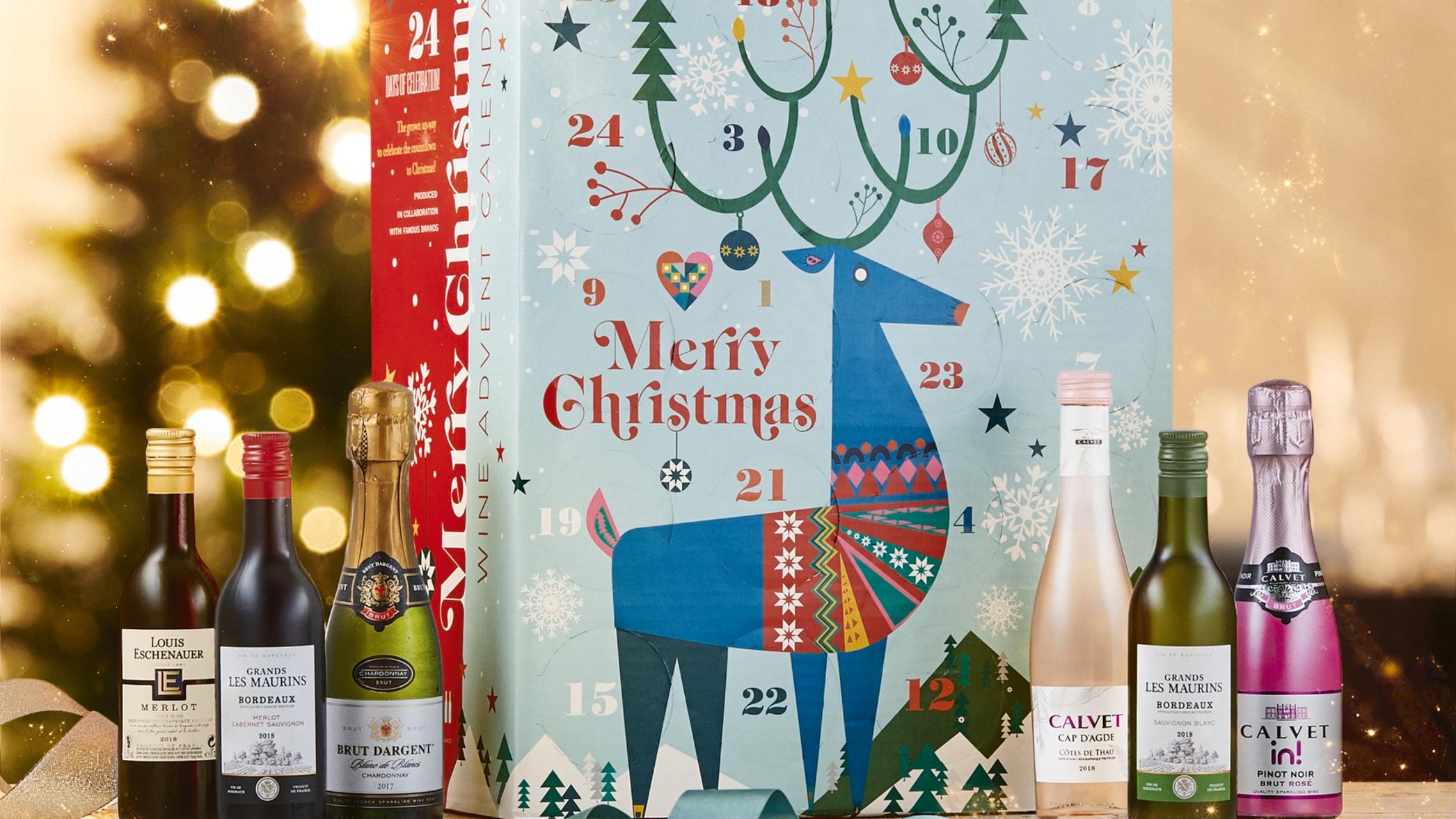
The structure of the package typically includes twenty-four individual bottles, each containing 187 milliliters of wine—roughly equivalent to a standard glass. This format allows enthusiasts to sample everything from crisp Sauvignon Blancs to robust Cabernet Sauvignons and festive sparkling wines. Because these calendars are produced in limited quantities to meet seasonal demand, understanding the operational rhythm of their release is essential for anyone hoping to participate in the tradition.
Regulatory Frameworks and Purchasing Prerequisites
Purchasing alcohol-containing advent calendars requires navigating a complex matrix of state laws, municipal regulations, and retail policies. Unlike standard holiday calendars filled with chocolate or toys, wine advent calendars are subject to strict alcoholic beverage control (ABC) regulations that vary significantly by jurisdiction.
In many regions, grocery stores and discount supermarkets are legally permitted to sell wine directly off the shelf. However, several states prohibit the sale of alcoholic beverages in grocery or convenience stores entirely, restricting them to state-run package stores or licensed independent wine merchants. Consequently, the availability of the Aldi wine calendar is heavily dependent on local geography.
Furthermore, consumers must meet all statutory age requirements, typically 21 years of age in the United States, with mandatory ID verification at the point of sale or upon home delivery where permitted. It is also important to note that direct-to-consumer shipping of alcoholic beverages is heavily regulated. Many states prohibit out-of-state shipments or require an adult signature upon delivery, meaning that pre-ordering online may not be an option depending on local laws. Shoppers must frequently verify inventory and purchase directly in-store during the initial release window.
| Feature / Consideration | Standard Retail Approach | Direct-to-Consumer Shipping | State-Specific Restrictions |
|---|---|---|---|
| Age Verification | Required at register / checkout | Mandatory adult signature upon delivery | Varies by municipal code and ABC laws |
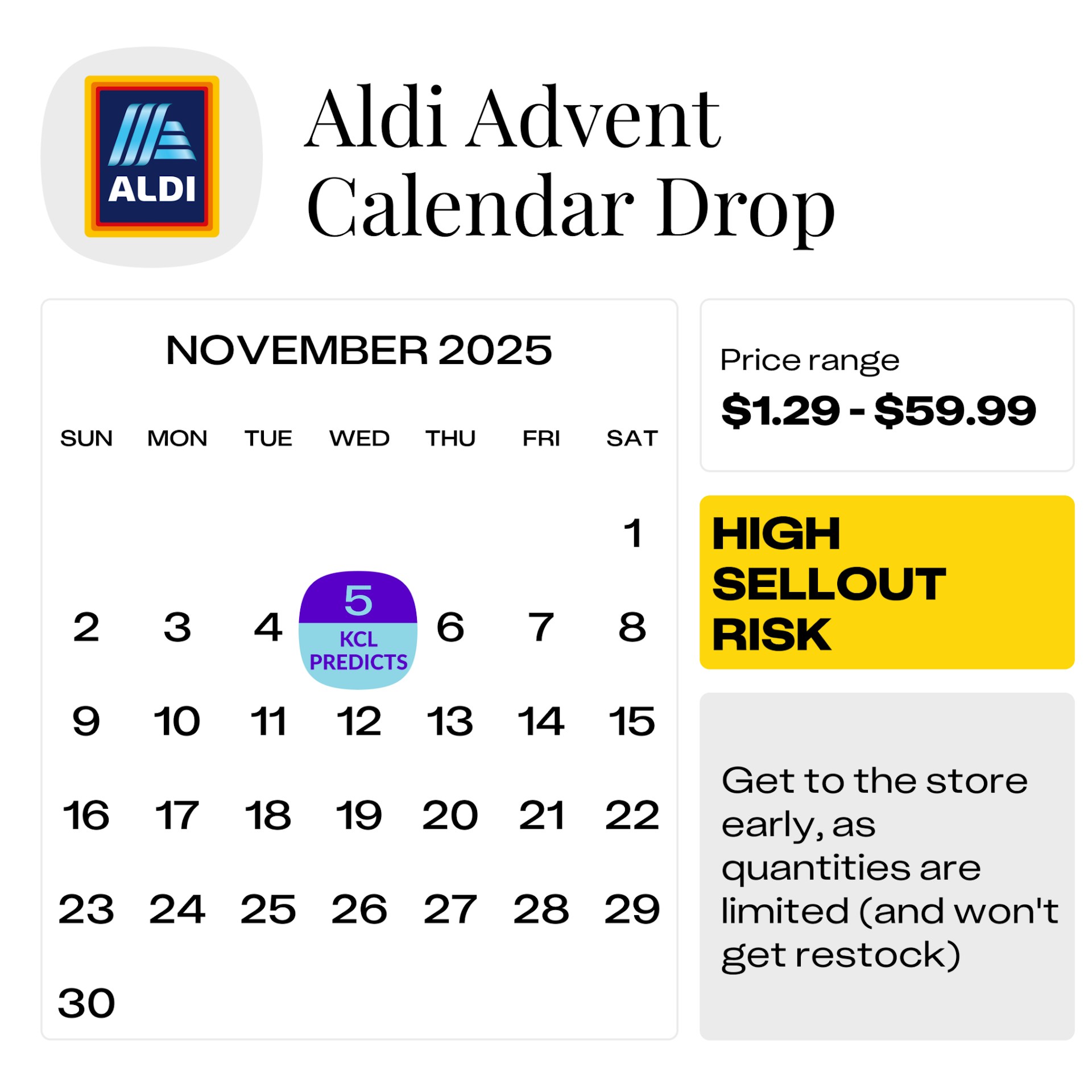
| Availability Window | Limited seasonal drop (typically November) | Varies by retailer and logistics partner | Prohibited entirely in select states |
| Product Format | 24 x 187ml glass or plastic bottles | 24 x 187ml secure secondary packaging | Strict volume and container material limits |
| Pricing Structure | Set regional retail pricing | Includes specialized packaging and freight fees | Subject to local alcohol excise taxes |
Evaluating the Contents: Varietals and Technical Specifications
The curation inside a holiday wine calendar is engineered to balance approachability with variety. Analyzing the technical specifications of the contents reveals how producers package wine for miniature formats while maintaining stability and flavor profiles.
Each 187ml bottle is sealed securely, often utilizing either traditional corks, synthetic closures, or screw caps. Screw caps are increasingly common in miniature wine formats because they eliminate the risk of cork taint (trichloroanisole contamination) and provide a reliable hermetic seal, which is critical given the smaller volume of liquid and its greater vulnerability to oxidation.
The assortment generally balances red, white, rosé, and sparkling options. Red selections often include approachable blends, Merlots, and Shiraz, while white selections frequently feature Pinot Grigio, Chardonnay, and Riesling. Because the bottles are miniature, the wine matures differently than it would in a full-sized bottle. Consumers should not expect cellar-worthy aging potential from these selections; instead, they are blended for immediate consumption upon opening.
Storage, Temperature Control, and Tasting Best Practices
Proper storage before and during the December countdown plays a critical role in preserving the quality of each daily pour. Miniature bottles have a higher surface-area-to-volume ratio than standard bottles, making them more sensitive to fluctuations in temperature and light exposure.
To maintain the integrity of the wines throughout the countdown, adhere to these operational guidelines:
- Vertical Storage: Store the calendar or individual bottles upright if cork closures are not present, or according to manufacturer packaging recommendations to prevent drying out or seal degradation.
- Temperature Stability: Keep the calendar in a cool, dark location away from direct sunlight and household heat sources, such as ovens or radiators, where temperature spikes can damage delicate aromas.
- Chilling Protocol: Transfer white, rosé, and sparkling selections to a refrigerator several hours before opening to bring them to their ideal serving temperature (typically 45°F to 50°F for whites, and slightly warmer for reds around 60°F).
- Aeration and Glassware: Allow red wines a few minutes to breathe after opening to let any tight sulfites dissipate, and pour into an appropriate glass rather than drinking directly from the miniature bottle to fully evaluate aromas.
Common Pitfalls and Troubleshooting During the Season
Participating in a seasonal wine countdown can occasionally present minor logistical or sensory challenges. Recognizing these issues ahead of time helps ensure a smooth experience.
The most common issue is inventory scarcity. Because these products generate substantial consumer interest, they frequently sell out within hours of hitting store shelves. Buyers who delay their purchase past the initial launch window often find themselves unable to secure a calendar.
Another consideration involves taste expectations. Because the selection spans numerous regions and styles, not every daily bottle will align with an individual's personal palate. Approaching the calendar as an exploratory exercise rather than a curated collection of premium reserves helps manage expectations. If a particular bottle does not suit your taste preferences for sipping, it can often be repurposed for cooking, such as deglazing a pan or incorporating it into a winter braise.
Finally, check the packaging upon purchase to ensure no bottles have leaked or sustained structural damage during transit or stocking. While modern packaging utilizes robust cardboard inserts and protective padding, rough handling can occasionally compromise a seal.
Maximizing Value and Alternative Holiday Countdown Strategies
For enthusiasts looking to maximize their seasonal experience, comparing pre-packaged commercial calendars with custom alternatives provides valuable perspective. While pre-made options offer convenience and the excitement of surprise, building a custom calendar allows for complete control over the varietals and quality tiers included.
If commercial wine calendars are unavailable in your region due to shipping laws or local stock depletion, assembling a DIY version is a viable alternative. This involves purchasing twenty-four individual half-bottles or miniature bottles from a local wine merchant and wrapping them individually or placing them in a reusable fabric pocket calendar. While this approach requires more time and upfront coordination, it guarantees that every single pour matches your exact flavor preferences and quality standards.
Frequently Asked Questions
Can the Aldi wine calendar be shipped directly to my home?
Direct home shipping depends entirely on state and local alcohol laws. Many jurisdictions prohibit the interstate or intrastate shipment of alcoholic beverages to residential addresses, requiring consumers to purchase the product in person at a licensed retail location.
What is the standard bottle size inside the calendar?
The calendar typically contains twenty-four individual bottles, each with a volume of 187 milliliters, which is equivalent to a standard single-serving split or one large glass of wine.
How should opened miniature wine bottles be stored if not finished?
Miniature bottles are designed for single-serving consumption. If you cannot finish a bottle, reseal it tightly with a silicone stopper or its original cap, store it upright in the refrigerator, and consume it within 24 to 48 hours to minimize oxidation.
Are the wines in the calendar vintage-dated?
Most wines featured in multi-region mass-market advent calendars are non-vintage or from the most recent harvest year, blended specifically for immediate commercial release and consumption rather than long-term aging.
What types of closures are used on these miniature bottles?
Depending on the specific bottler and varietal, you will encounter a mix of twist-off screw caps, synthetic stoppers, and traditional natural corks, with screw caps being common for white and rosé selections to ensure a tight seal.
Securing Your Holiday Wine Experience
Plan your purchase early by monitoring local inventory announcements and verifying state-specific alcohol sales regulations ahead of the November release window. By understanding storage requirements, temperature controls, and regional purchasing laws, you can ensure a seamless and enjoyable countdown experience throughout the month of December.