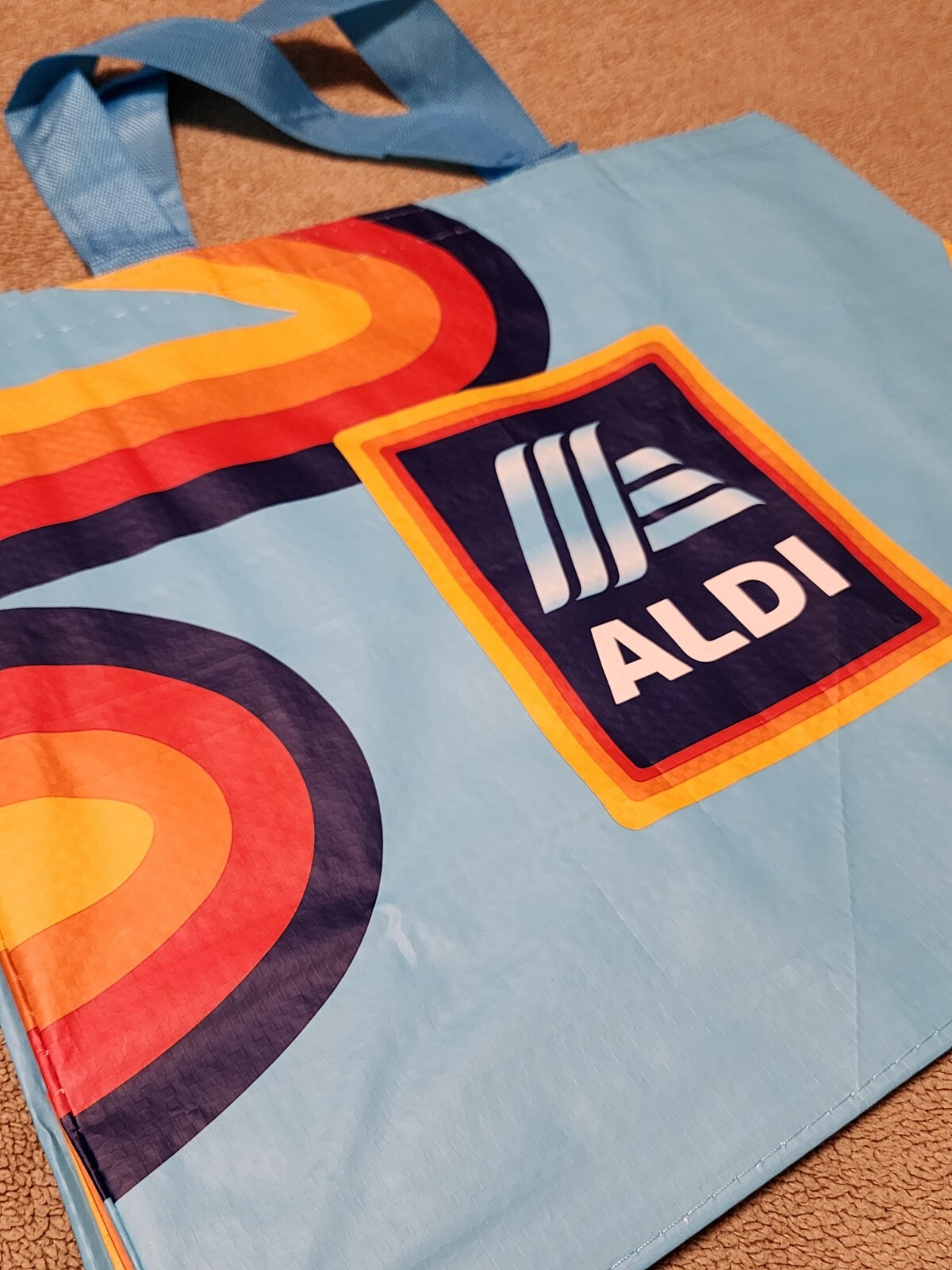
Aldi shopping bags offer a remarkably durable, highly sustainable, and incredibly cost-effective approach to everyday gear management that extends far beyond grocery transportation. Navigating the modern landscape of sustainable living often implies a significant financial investment, with specialized outdoor equipment and eco-friendly accessories commanding premium prices. However, discount grocery chains like Aldi have inadvertently supplied consumers with an accessible arsenal of multi-purpose carriers. By examining the structural integrity, material composition, and functional versatility of these ubiquitous bags, everyday consumers can unlock a low-cost system for gear organization, travel packing, and daily utility.
Understanding the Anatomy of Aldi Shopping Bags
The foundation of utilizing grocery carriers for alternative purposes lies in understanding what they are made of and how they are constructed. Aldi offers a rotating inventory of reusable carriers, ranging from non-woven polypropylene totes and heavy-duty woven polypropylene bags to insulated thermal sacks and ultra-compact polyester folding pouches. Each variant serves a distinct structural purpose designed to withstand the rigors of heavy commercial transport, which translates seamlessly to alternative utility.
Non-woven polypropylene bags provide a lightweight, water-resistant barrier that excels at containing dry goods, garments, and soft equipment. Woven polypropylene variations feature cross-stitched threads that offer superior tensile strength, preventing tears when carrying heavy, awkward, or abrasive items. Meanwhile, insulated bags lined with aluminum polyethylene thermal layers regulate internal temperatures, making them exceptional for protecting sensitive electronics, camera equipment, or perishable provisions during outdoor excursions. Recognizing these material properties prevents premature wear and ensures that each bag is deployed according to its mechanical limits.
Transforming Grocery Totes Into Outdoor and Travel Gear
Deploying discount shopping bags for non-grocery activities requires a shift in perspective regarding storage and organization. When packing for outdoor excursions, camping trips, or road travel, moisture and dirt management represent primary operational challenges. Heavy-duty woven Aldi bags act as robust, moisture-resistant bins that keep gear off damp ground inside a tent or vehicle trunk. Their wide, flat bottoms allow them to stand upright independently, functioning as makeshift gear caddies during camp setup.
Furthermore, these bags shine in specialized packing applications where structured luggage proves unnecessary or overly cumbersome. Dirty laundry, muddy footwear, and wet swimwear find an ideal containment system in non-woven bags, preventing environmental contamination of clean clothing. For road trips, uniform tote dimensions allow travelers to compartmentalize supplies under seats or in trunk spaces efficiently. Categorizing items by bag type—such as keeping kitchen utensils in one and first-aid gear in another—streamlines access without requiring expensive modular packing cubes.
| Bag Type | Primary Material | Best Use Case | Load Capacity Limit |
|---|---|---|---|
| Standard Woven Tote | Woven Polypropylene | Heavy gear transport, camp organization | Up to 40 lbs |
| Insulated Thermal Bag | EPE Foam / Aluminum Foil | Temperature-sensitive items, electronics protection | Up to 25 lbs |
| Foldable Polyester Pouch | Ripstop Polyester | Emergency packable daypack, laundry storage | Up to 15 lbs |
| Non-Woven Budget Bag | Non-Woven Polypropylene | Light garment transport, dry goods | Up to 20 lbs |
Maximizing Durability and Sustainable Value
Achieving true sustainability requires maximizing the operational lifespan of every item brought into a household, thereby minimizing resource consumption and waste generation. Reusable grocery bags achieve a neutral carbon footprint only when utilized dozens or hundreds of times, replacing countless single-use plastic alternatives. Aldi’s structural commitment to sturdy construction aids this goal, but proper maintenance remains the responsibility of the end-user.
To extend the lifespan of polypropylene and polyester gear, routine care practices must be observed. Polypropylene bags should never be submerged in hot water or run through mechanical clothes dryers, as excessive heat warps the plastic fibers and degrades thermal bonding. Instead, spot cleaning with mild soap and cold water preserves structural integrity. Storing bags flat or hanging them in a cool, dry environment prevents permanent creases that can weaken seams over time. Adopting these habits transforms a seasonal grocery carrier into a multi-year utility asset.
Common Mistakes When Repurposing Budget Bags
While versatile, applying grocery transport gear to alternative scenarios introduces specific operational hazards that can compromise performance or lead to equipment failure. Recognizing these pitfalls ensures safe and efficient use across diverse environments.
- Overloading beyond structural limits: Exceeding weight thresholds stresses reinforced seams, leading to sudden handle failure during transit.
- Exposing thermal bags to sharp objects: Unprotected metal tools or rigid camping gear can puncture the interior foil lining of insulated sacks, ruining their temperature regulation capabilities.
- Neglecting moisture accumulation: Storing damp gear inside non-breathable plastic weaves without subsequent airing out fosters mold and mildew growth.
- Using compromised bags for heavy loads: Continuing to deploy a bag with frayed handles or compromised side panels invites spills and structural collapse in the field.
Strategic Solutions for Emergency and Everyday Preparedness
Beyond travel and outdoor recreation, these economical carriers integrate seamlessly into emergency preparedness kits and vehicle organization systems. Maintaining an emergency car kit requires durable, waterproof containment that remains inexpensive to replace if damaged. A heavy-duty woven Aldi bag easily houses emergency blankets, flashlights, non-perishable rations, and jumper cables, keeping them consolidated and visible in a trunk.
Because the financial barrier to entry is minimal, assembling multiple modular kits across different vehicles or household locations becomes economically viable. This scalability allows individuals to maintain dedicated kits for roadside emergencies, sports equipment storage, and gardening supplies without committing significant capital to specialized tactical gear containers.
Frequently Asked Questions
Can Aldi shopping bags be washed in a washing machine?
No, machine washing and drying can melt or severely warp the polypropylene and synthetic fibers used in these bags. Hand washing with cold water and mild detergent, followed by air drying, is the recommended cleaning method.
How much weight can a standard woven Aldi bag safely hold?
Standard woven polypropylene bags are engineered to handle up to 40 pounds of evenly distributed weight, though sharp or protruding objects can compromise this threshold by stressing individual threads.
Are Aldi insulated bags food-safe for outdoor activities?
Yes, the interior linings of Aldi thermal bags are designed for food contact, making them safe for transporting meals, beverages, or temperature-sensitive gear such as medications and camera film.
What is the most durable type of bag available at Aldi?
Woven polypropylene bags represent the most structurally robust option in the standard lineup, featuring cross-stitched seams and high tensile strength designed for heavy loads.
How can I repair a torn handle on a reusable grocery bag?
While minor fraying can be temporarily secured with heavy-duty outdoor repair tape or reinforcement stitching, structural handle tears on plastic-woven bags generally indicate that the bag has reached the end of its safe load-bearing lifecycle and should be recycled.
Strategic Implementation and Next Actions
Optimizing your household gear system with budget-friendly carriers begins with an inventory audit of your current storage needs. Sort your outdoor equipment, vehicle emergency supplies, and seasonal items into distinct categories based on weight and moisture sensitivity. Select appropriate Aldi bag variants—deploying woven totes for heavy structural needs, thermal bags for sensitive items, and non-woven options for light containment—to build a modular, low-cost organizational framework that supports sustainable living without excessive expenditure.