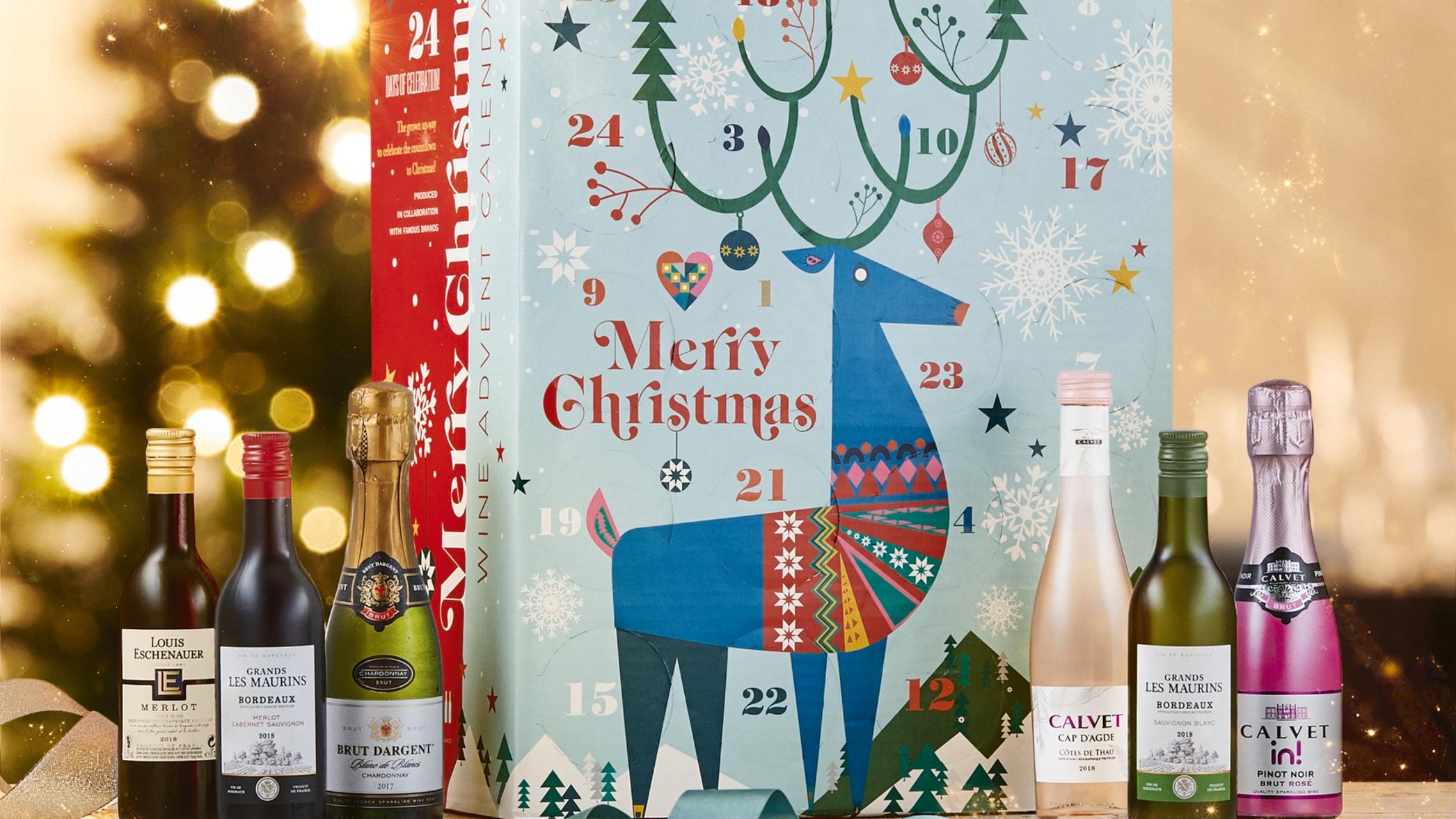
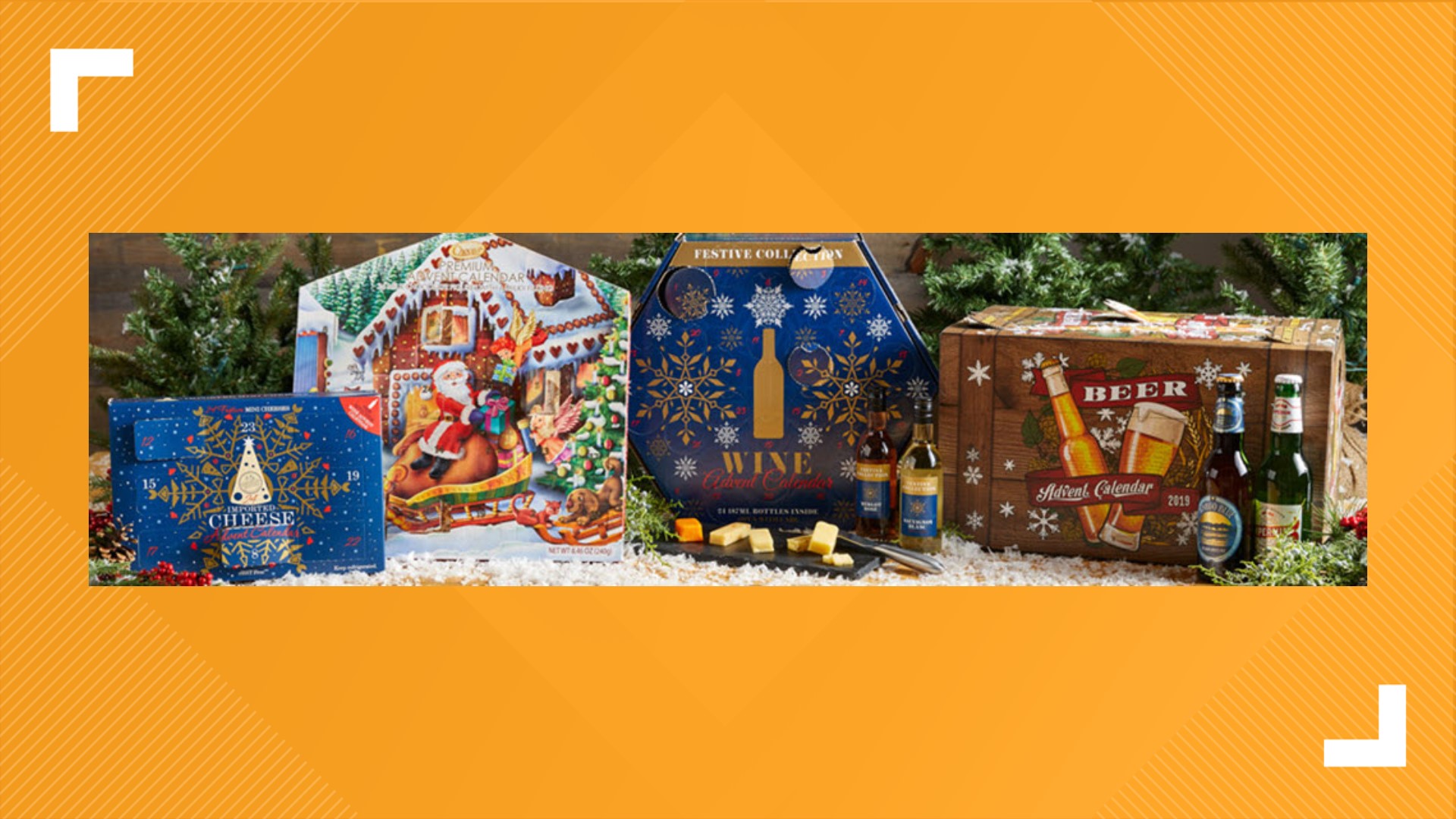
Aldi's wine advent calendar offers a curated countdown to the holidays, featuring twenty-four individual mini bottles of red, white, rosé, and sparkling wine behind perforated daily doors. Designed for adult holiday enthusiasts, the seasonal release combines variety, seasonal novelty, and accessible price points, transforming the traditional advent experience into a daily tasting journey throughout December.
Understanding the Phenomenon of Holiday Wine Calendars
The modern tradition of the holiday advent calendar has evolved far beyond cardboard windows concealing small chocolates or printed festive images. In recent years, adult-oriented alternative calendars focusing on craft beer, spirits, and wine have captured significant consumer interest during the winter holiday shopping season. At the center of this seasonal retail shift is the annual release of Aldi's wine advent calendar, a product that generates considerable anticipation among shoppers looking for a daily festive treat.
Adult beverage calendars bridge the gap between traditional holiday nostalgia and modern culinary exploration. By packaging twenty-four individual portions into a single collective unit, retailers offer consumers an approachable way to sample a diverse array of international varietals without committing to full-sized bottles. This format appeals to both casual wine drinkers seeking a fun holiday ritual and more experienced enthusiasts curious about budget-friendly global selections.
What Is Inside: Exploring the 24 Days of Selections
The core appeal of the calendar lies in its daily curation. The collection typically features a balanced assortment of wine styles designed to accommodate winter meals, holiday gatherings, and quiet evenings by the fire. While the exact lineup changes each year due to global supply variations and vintage availability, the structural composition remains consistent across releases.
Shoppers can generally expect to find a mixture of dry and off-dry white wines, light-to-medium-bodied reds, crisp rosés, and occasional sparkling options or sweet dessert styles. Each bottle typically contains 187 milliliters of liquid, which standardizes to a generous single glass or a shared tasting pour for two people.
To help consumers understand what to expect from these curated boxes, the following breakdown illustrates the typical varietal distribution found across a standard twenty-four-day holiday collection:
| Wine Category | Common Varietals Included | Flavor Profile & Characteristics | Best Serving Context |
|---|---|---|---|
| White Wines | Chardonnay, Pinot Grigio, Sauvignon Blanc, Riesling | Ranging from crisp and citrus-forward to lightly oaked and fruit-heavy | Aperitifs, seafood dishes, or light holiday appetizers |
| Red Wines | Cabernet Sauvignon, Merlot, Shiraz, Malbec | Ranging from smooth and approachable to bold, earthy, and spice-driven | Hearty winter stews, roasted meats, or evening relaxation |
| Rosé Wines | Grenache Rosé, Syrah Rosé blends | Refreshing, fruit-forward with notes of red berries and subtle acidity | Casual sipping, brunch pairings, or lighter cold-cut boards |
| Sparkling Wines | Brut, Prosecco, Sparkling Rosé | Effervescent, bright acidity, clean finishes with lively carbonation | Festive celebrations, toasts, or celebratory morning gatherings |
Availability, Purchasing Regulations, and State Law Limitations
Securing a seasonal item requires understanding both retail release schedules and regional alcohol sales laws. Aldi typically releases its holiday alcohol advent calendars in early November as part of its limited-time holiday stock drops. Because these items are produced in finite quantities to meet seasonal demand, they frequently sell out within days of hitting store shelves.
Navigating the purchase involves more than simply visiting a local store; state and local liquor regulations dictate how and where alcohol can be sold.
- State Liquor Control Laws: Depending on the jurisdiction, grocery stores may be prohibited from selling wine entirely, or they may be restricted to beer-only sales. In states with strict state-run distribution models, private grocers cannot stock wine advent calendars.
- Dedicated Alcohol Sections: In regions where grocery store wine sales are legal, local ordinances often require alcohol to be housed in a separate section with distinct cash registers or operating hours that differ from the main supermarket.
- Age Verification Protocols: Retailers enforce strict identification checks at checkout. Every buyer must present valid government-issued photo identification proving they are of legal drinking age, regardless of their apparent age.
- Purchase Limits: Due to high demand and limited inventory, individual store locations frequently implement strict limits on the number of calendars a single customer can purchase.
Tasting and Pairing Strategies for the 24-Day Journey
Unwrapping twenty-four days of wine provides an excellent opportunity to practice structured tasting techniques. Because the bottles are pre-selected, consumers can use the countdown to explore flavor profiles they might otherwise overlook.
To maximize the tasting experience, temperature control is essential. White and sparkling selections should be adequately chilled in a refrigerator for at least two hours before opening, while reds are best enjoyed slightly below standard room temperature—around 60 to 65 degrees Fahrenheit—to allow their complex aromas to open up properly. Pouring the wine into a standard glass rather than drinking directly from the mini bottle also allows the liquid to breathe and release its full aromatic potential.
Pairing these daily pours with simple snacks enhances the experience. Light cheeses, crackers, nuts, and dark chocolates complement the diverse styles found behind the calendar doors without requiring elaborate meal preparation. Keeping a small tasting journal to record impressions of each day's selection adds an interactive, educational element to the month-long holiday countdown.
Common Challenges and Shopping Tips
Purchasing and enjoying a seasonal holiday calendar comes with a few practical hurdles that shoppers should anticipate. Chief among these is managing availability. Because stores rarely restock once their initial holiday allocation sells out, waiting until December to begin searching for a calendar is rarely successful. Monitoring local store arrival dates in late October or early November is vital for securing a box.
Another consideration is managing expectations regarding vintage variations. The wines featured in mass-produced holiday calendars are selected for broad consumer appeal and consistency. While they provide an enjoyable, entertaining countdown experience, they are intended for immediate casual consumption rather than long-term cellaring or investment.
Final Recommendation
For adult shoppers looking to infuse the holiday season with a daily touch of discovery, Aldi's wine advent calendar delivers an engaging and accessible tasting experience. Success relies on early scouting ahead of the November release window and verifying local alcohol sales laws before heading to the store. Approach the twenty-four days as a relaxed journey of casual exploration, and enjoy the seasonal variety it brings to your December evenings.