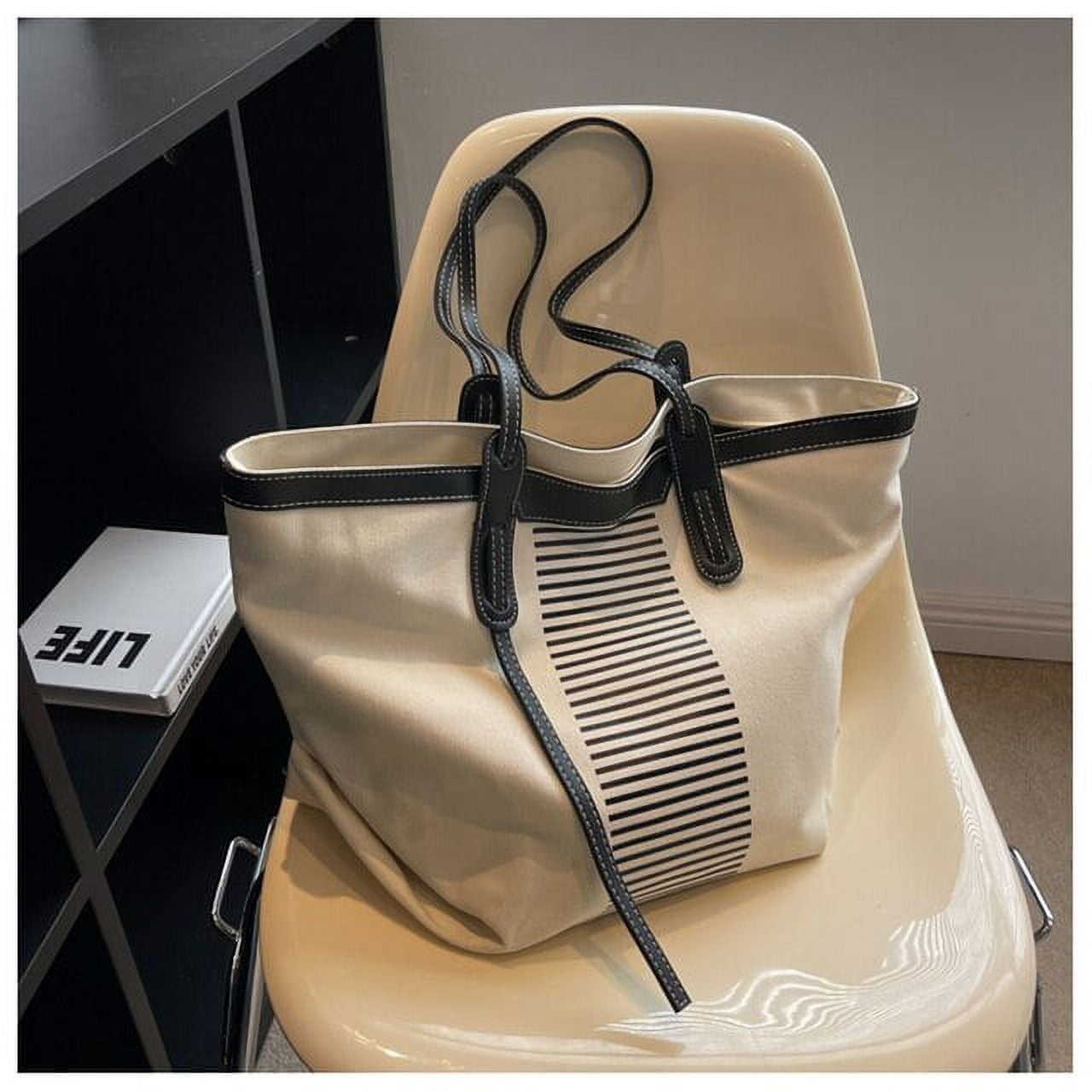
The Aldi city tote stylish sustainable budget friendly shopping bag represents an increasingly popular accessory for eco-conscious shoppers looking to balance practical utility with modern urban aesthetics. Designed to handle everyday grocery runs while doubling as a minimalist daily carryall, this reusable bag combines durable textile construction, a sleek profile, and a remarkably low price point that fits seamlessly into modern sustainable lifestyles.
Understanding the Rise of Eco-Friendly Urban Totes
The modern retail landscape has shifted dramatically away from single-use plastics toward durable, multi-purpose carry solutions. Urban consumers increasingly expect everyday items—including grocery bags—to reflect personal style while actively reducing environmental footprints. Retailers like Aldi have responded to this shift by introducing functional merchandise that bridges the gap between utility and modern design.
A reusable shopping bag is no longer viewed merely as a utility tool tucked away in a car trunk. Instead, consumers treat these items as fashion accessories for farmers' market visits, casual commutes, and spontaneous errands. This cultural evolution has elevated simple canvas and woven totes into daily wardrobe staples. By offering accessories that align with these expectations, budget-oriented supermarkets allow shoppers to maintain a cohesive aesthetic without investing in expensive luxury brands.
Design Aesthetics and Everyday Versatility
A primary driver behind the popularity of the Aldi city tote is its clean, urban-inspired design. Unlike bulky, brightly branded supermarket bags of the past, these totes typically feature minimalist typography, neutral color palettes, and structured silhouettes that complement casual streetwear or professional attire.
The aesthetic versatility allows the bag to transition effortlessly across multiple daily scenarios:
- Morning Commutes: Large enough to hold a laptop, notebooks, and a water bottle, serving as a reliable alternative to a traditional briefcase or backpack.
- Grocery Runs: Sturdy enough to carry produce, canned goods, and heavy items securely without tearing or straining the seams.
- Weekend Errands: Lightweight and foldable enough to be stashed inside a larger bag as an emergency spare for unexpected purchases.
The deliberate restraint in branding ensures the bag looks at home in a coffee shop, a public transit system, or an upscale grocery store aisle, proving that budget-friendly accessories do not need to look cheap or overly commercialized.
Material Composition and Sustainability Impact
Sustainability claims require careful scrutiny, particularly in fast-moving retail environments where green marketing is common. Evaluating the environmental value of a reusable bag requires analyzing its material composition, expected lifespan, and end-of-life recyclability. Most durable city totes utilize heavy-duty cotton canvas, recycled polyethylene terephthalate (rPET) woven fabrics, or blended textiles designed to withstand heavy daily wear.
| Material Type | Durability Rating | Environmental Impact | Washability | Typical Lifespan |
|---|---|---|---|---|
| Heavy Cotton Canvas | High | Biodegradable at end of life; resource-intensive farming | Machine washable (shrinkage risk) | 3–5 years with heavy use |
| Recycled rPET Woven | Very High | Diverts plastic waste from landfills; non-biodegradable | Spot clean or hand wash | 5+ years |
| Standard Polypropylene | Moderate | Lightweight; prone to fraying over time | Wipe clean only | 1–2 years |
Choosing a durable textile over disposable plastic bags significantly reduces individual plastic waste generation. However, a reusable bag only achieves a net-positive environmental impact if it is utilized frequently enough to offset the resource expenditure required for its initial manufacturing. Studies on cotton bag lifecycles indicate that canvas alternatives must be used dozens of times to offset their agricultural footprint compared to single-use alternatives, making durability and high reuse frequency essential factors.
Budget-Friendly Pricing and Value Proposition
Market accessibility remains a defining characteristic of supermarket-branded merchandise. While boutique sustainable brands often price urban totes between thirty and eighty dollars, grocery-store releases typically retail for a fraction of that cost—frequently under five dollars. This extreme price accessibility democratizes sustainable fashion, allowing individuals on strict budgets to participate in eco-friendly lifestyle choices without financial strain.
The value proposition extends beyond the initial purchase price. A well-constructed tote reduces ongoing household spending on disposable plastic bags, which incur per-use fees in many municipalities. Furthermore, the multi-purpose functionality eliminates the need to purchase separate bags for gym clothes, library books, and grocery shopping, consolidating several utility purchases into a single, cost-effective item.
Care, Maintenance, and Longevity Tips
Maximizing the lifespan of a fabric shopping bag requires proper maintenance, particularly because these items frequently encounter damp produce, sticky spills, and abrasive surfaces. Neglecting basic care can lead to fabric degradation, stubborn stains, or structural weakness in the handles.
- Empty and Air Out: Always unpack perishable items promptly and allow the interior to air out to prevent mold or lingering food odors.
- Follow Washing Guidelines: Check interior labels before laundering. Most canvas totes require cold-water washing and air-drying to prevent shrinkage and protect printed graphics.
- Distribute Weight Evenly: Avoid overloading one corner of the bag with excessively sharp or heavy objects that could puncture the fabric or strain reinforced seams.
- Store Properly: Keep folded bags in a clean, dry area rather than damp vehicle trunks where extreme temperature fluctuations can weaken synthetic fibers.
Comparing Supermarket Totes to Boutique Alternatives
Consumers often weigh whether to purchase a branded retail tote or invest in a dedicated accessory from an independent sustainable fashion label. Each option serves distinct consumer priorities regarding price, ethics, and design longevity.
- Supermarket Totes (e.g., Aldi City Tote)
- High affordability (Low entry barrier)
- Functional utility for daily errands
- Minimalist commercial aesthetic
- Boutique Sustainable Totes
- Premium certified organic materials
- Higher upfront financial investment
- Distinctive artisan branding and specialized features
While boutique brands frequently emphasize certified organic supply chains and ethical labor transparency, they come with a substantial price premium. Supermarket totes offer a pragmatic compromise, delivering robust everyday performance and acceptable aesthetic standards for consumers who prioritize economy alongside sustainability.
Frequently Asked Questions
What materials are typically used to make the Aldi city tote?
These totes are generally constructed from durable woven cotton canvas or heavy-duty synthetic blends designed to resist tearing and support heavy loads during routine grocery shopping trips.
Can the Aldi city tote be washed in a standard washing machine?
Most canvas and fabric grocery totes can be machine washed on a gentle, cold cycle, though air-drying is strongly recommended to prevent fabric shrinkage and protect printed exterior graphics.
How much weight can a typical urban shopping tote hold?
While weight capacities vary based on the specific fabric weight and reinforced stitching, a standard quality canvas or woven tote comfortably handles twenty to thirty pounds of evenly distributed items.
Is the Aldi city tote considered a sustainable product choice?
Yes, provided it is reused consistently over a long period. Reusable bags replace hundreds of single-use plastic bags, though their overall environmental footprint depends heavily on manufacturing practices and total usage frequency.
Where can shoppers purchase these specialty grocery totes?
These items are typically offered as seasonal or limited-release specials within the center aisles of local grocery stores rather than as permanent year-round inventory items.
Selecting Your Everyday Carry Solution
Choosing the right everyday shopping bag involves balancing aesthetic preferences, durability requirements, and financial considerations. The Aldi city tote stylish sustainable budget friendly shopping bag serves as an effective option for shoppers seeking an unpretentious, durable carryall that transitions smoothly from retail errands to casual daily use. By understanding its material limits, practicing proper maintenance, and integrating it into a regular routine of reuse, consumers can maximize both the functional lifespan and the environmental value of their purchase.