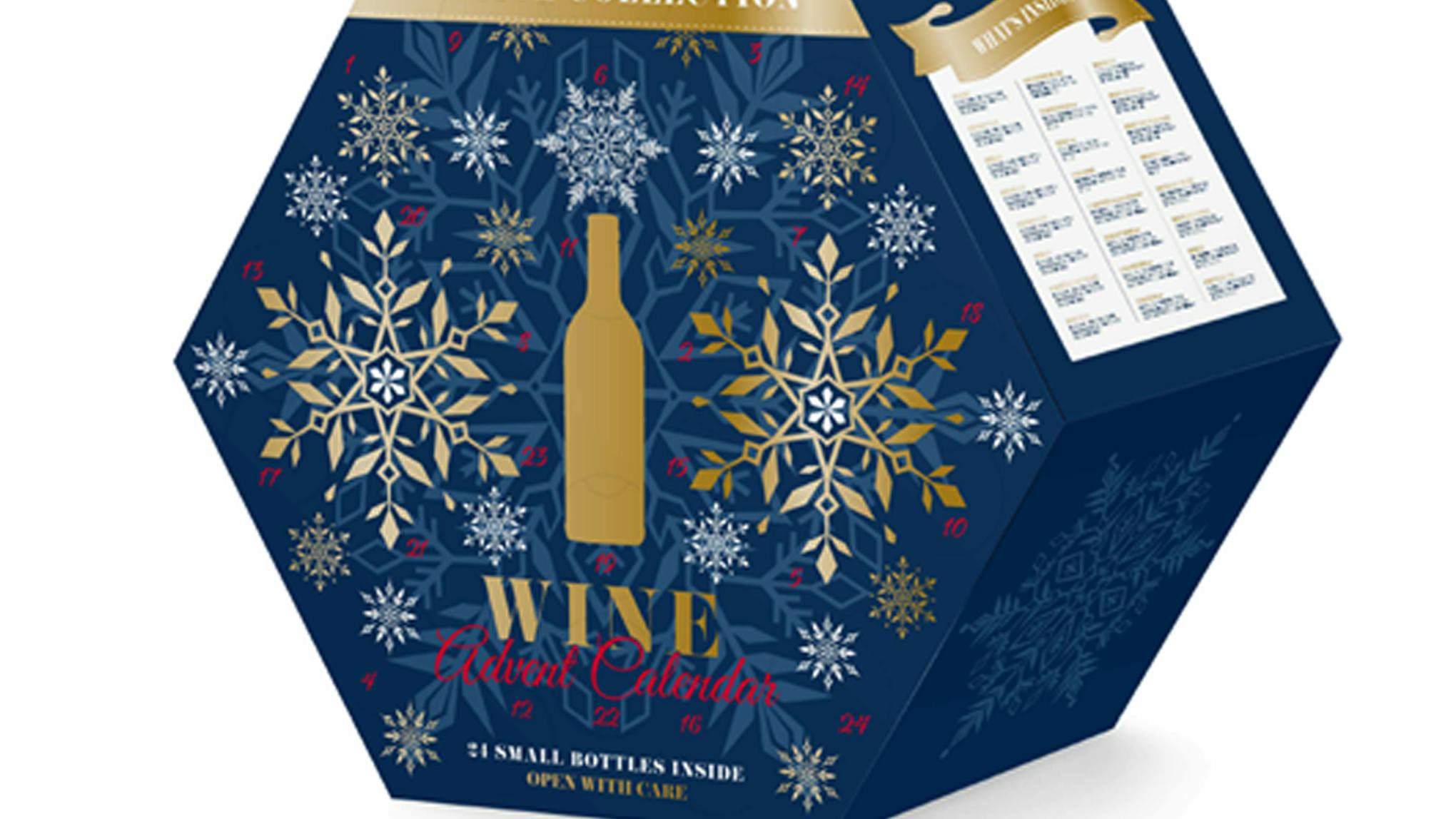
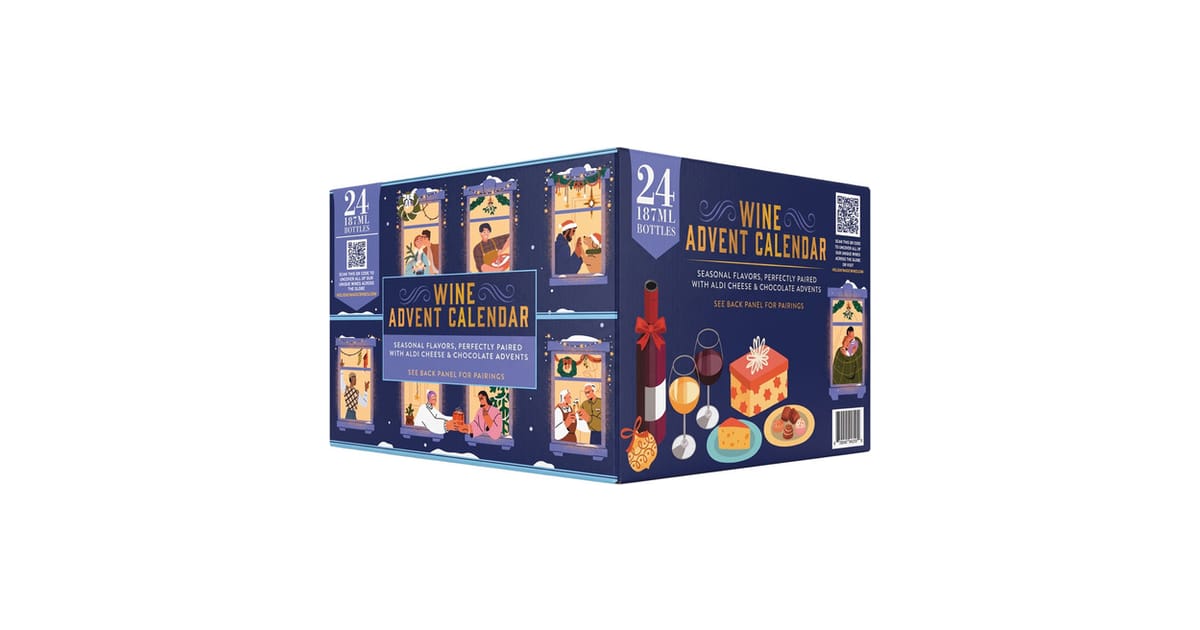
The Aldi Advent Wine calendar is a highly anticipated seasonal holiday release featuring 24 miniature bottles of wine, typically launched in November. Due to limited quantities, state alcohol laws, and overwhelming demand, shoppers must navigate specific release dates, regional purchasing restrictions, and quick sell-out windows to secure a box.
Understanding the Aldi Holiday Wine Tradition
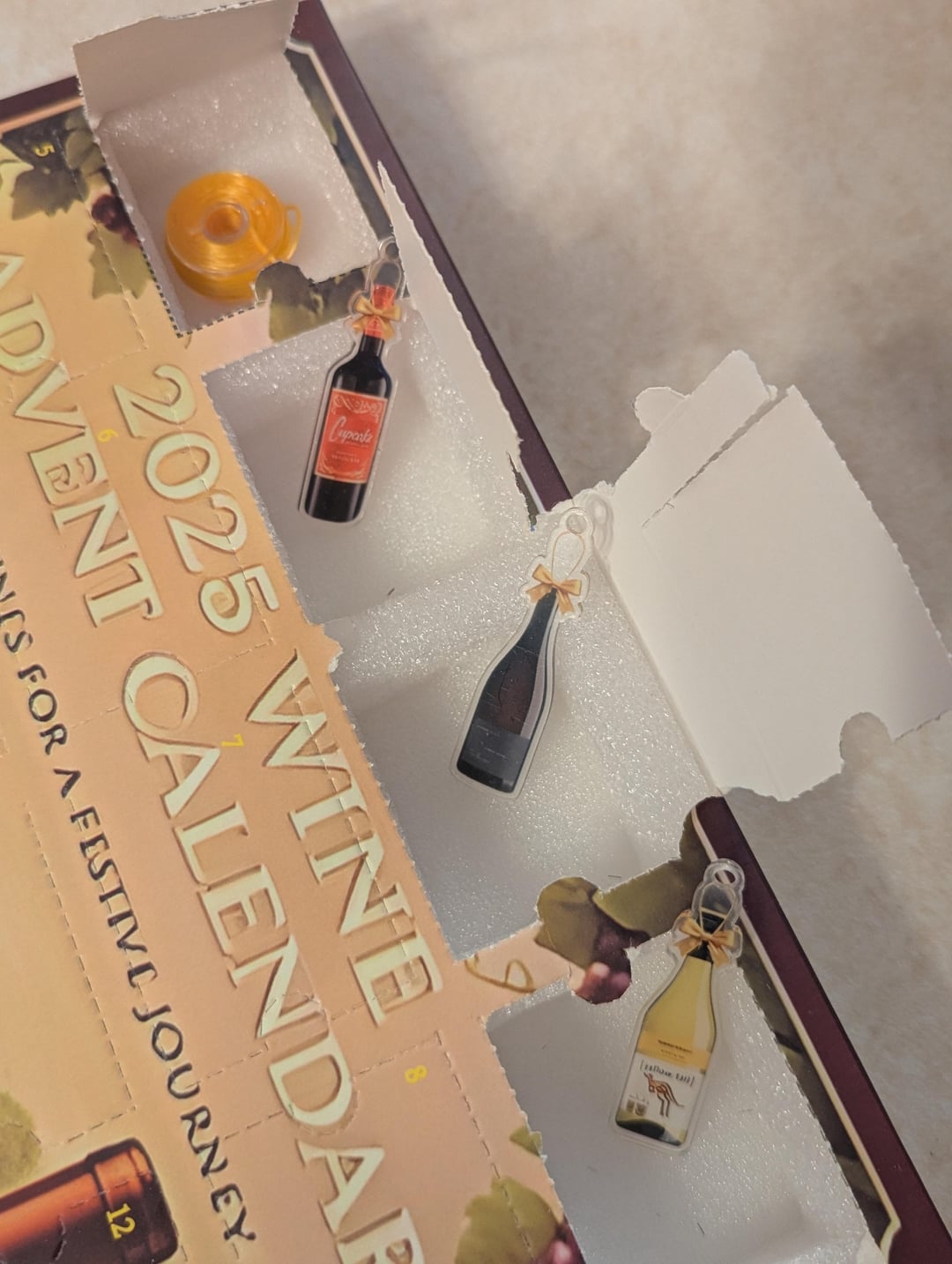
Every autumn, grocery retail chain Aldi generates massive consumer excitement with the launch of its specialty advent calendars, among which the wine and cheese editions hold cult-classic status. The Aldi advent wine box is structured as a countdown calendar to the Christmas holiday, housing twenty-four individual 187ml bottles behind perforated cardboard doors. This concept merges the traditional holiday countdown tradition with alcohol retail, offering buyers a daily sample of red, white, rosé, or sparkling wine throughout December.
The annual release strategy relies heavily on scarcity, exclusivity, and social media buzz. Because the product is positioned as a limited-time holiday offering rather than a permanent inventory item, once a specific store location exhausts its shipment, restocks are exceptionally rare. Understanding how the release operates requires examining not only the marketing appeal but also the logistics of state-by-state alcohol distribution, pricing tiers, and the sheer variety of labels included inside the packaging.
Release Dates, Timing, and Purchasing Logistics
Timing is the single most critical factor for anyone hoping to purchase an Aldi wine advent calendar. While exact dates shift slightly depending on corporate logistics and store calendars, the release typically occurs during the first week of November. Aldi often coordinates a synchronized drop, sometimes referred to internally or colloquially as a holiday window launch, which triggers long lines outside stores on the morning of the release.
Securing a calendar requires advance planning because corporate stores do not hold items, and rain checks are unavailable for seasonal novelty items. Shoppers must monitor local store delivery trucks, check weekly print and digital circulars, and arrive at store opening hours on the release date. Furthermore, because these items sit in the "Aldi Finds" aisle—a rotating section of special-buy merchandise—they share shelf space with other holiday items like chocolate advent calendars, cheese assortments, and festive home decor, making them easy to miss if one is unfamiliar with store layouts.
Legal and Regional State Alcohol Regulations
A major hurdle for consumers attempting to purchase the Aldi wine calendar is navigating state-specific alcohol distribution laws. Because alcohol sales are heavily regulated at the state and municipal levels, the availability and exact contents of the calendar vary wildly across the United States.
| State Regulation Type | Impact on Aldi Wine Calendar Sales | Typical Consumer Experience |
|---|---|---|
| Full Alcohol Sales | Wine sold directly in grocery stores. | Calendars available on the main sales floor or seasonal aisle. |
| State-Controlled / Liquor Store Only | Grocery stores legally barred from selling wine. | Calendars may not be sold at all, or must be sold through an adjacent state-run liquor outlet if permitted by corporate licensing. |
| Blue Laws / Sunday Restrictions | Sales prohibited on Sundays or restricted by time of day. | Purchase windows restricted; Sunday morning releases may be delayed until Monday. |
| Shipping Prohibitions | Direct-to-consumer alcohol shipping banned or tightly restricted. | Online purchasing or delivery apps (like Instacart) may not include alcohol items depending on local ordinances. |
Shoppers residing in states like Pennsylvania, Texas, or parts of the Midwest often encounter strict limitations where grocery stores cannot legally stock fermented grape products. In regions where Aldi operates adjacent state-approved liquor stores or holds specific multi-tier licenses, the distribution process changes entirely. Checking local municipal guidelines ahead of the November release date prevents wasted trips and clarifies whether a nearby store is legally permitted to carry the product.
What to Expect Inside the 24-Day Box
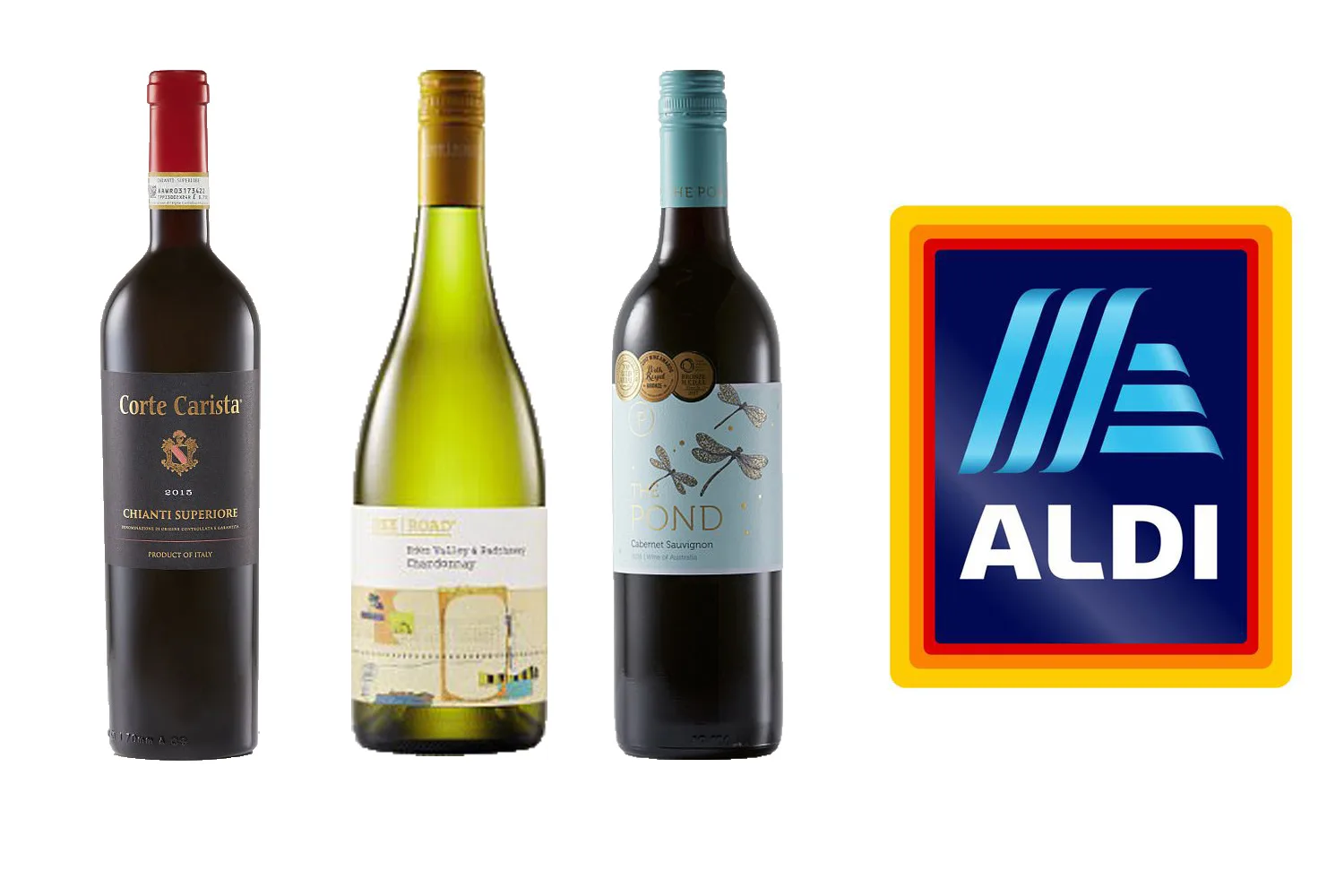
The wine selection inside the calendar changes annually, curated to offer a diverse tasting journey across various varietals and international wine-producing regions. Consumers typically find a mix of classic grapes—such as Cabernet Sauvignon, Merlot, Chardonnay, Pinot Grigio, and Sauvignon Blanc—alongside regional specialties and sparkling options like Prosecco or sparkling rosé.
Each bottle contains 187 milliliters of wine, which translates to a standard quarter-bottle or a generous single glass. The bottles feature custom holiday-themed labeling designed exclusively for the calendar, hiding the exact producer details until the seal is broken, though the country of origin, alcohol by volume (ABV) percentage, and varietal name are clearly printed on the back label. This curation allows casual wine drinkers and enthusiasts alike to explore styles they might not otherwise purchase in full 750ml formats.
Pricing Strategy and Value Comparison
The pricing of the Aldi wine advent calendar has evolved over the years, influenced by inflation, import duties, and supply chain adjustments. Historically, the box has retailed at a price point that averages out to roughly five to six dollars per individual bottle, making the total package cost competitive when compared to standard retail prices for mini-format wines.
Evaluating the true value of the calendar requires looking past the novelty factor. Buying twenty-four distinct 187ml bottles of imported wine individually would often incur a higher total cost at standard retail markup. However, because the contents are pre-selected by Aldi’s buyers, consumers sacrifice control over specific brand selection. The value lies primarily in the experiential nature of the daily tasting format rather than deep per-ounce discount savings.
Frequently Asked Questions
Can I buy the Aldi wine advent calendar online for home delivery?
Online availability depends entirely on local third-party delivery services and state alcohol shipping laws. In many jurisdictions, alcohol cannot be delivered via standard mail or standard grocery delivery apps, requiring an in-person purchase at the brick-and-mortar register where ID verification occurs.
Are the miniature wine bottles made of glass or plastic?
The bottles are almost exclusively constructed from miniature glass, complete with traditional foil seals and cork or screw-cap closures. This preserves the taste profile of the wine much better than plastic alternatives, though it also adds significant weight to the overall advent calendar box.
What is the alcohol by volume (ABV) of the wines inside?
The ABV varies from bottle to bottle depending on the varietal. Most white and rosé selections range between 11% and 12.5% ABV, while heavier reds can range from 13% to 14% ABV, aligning with standard commercial wine production metrics.
Can I reserve an advent calendar in advance at my local store?
Aldi corporate policy strictly prohibits the reservation or holding of "Aldi Finds" specialty items. All seasonal inventory is sold on a first-come, first-served basis starting on the official release day, ensuring fair access for all waiting customers.
What should I do if my local store sells out immediately?
Because restocks are rare or non-existent once launch inventory is depleted, secondary market listings sometimes appear online, though buying alcohol through unverified peer-to-peer platforms may violate local resale laws. Monitoring neighboring store locations that fall under different municipal districts is often the most effective alternative strategy.
Strategic Planning for Release Day Success
Securing a calendar requires treating the launch morning with the same urgency as major consumer electronics or holiday toy releases. Arriving at the store shortly before doors open, locating the seasonal "Aldi Finds" aisle immediately upon entry, and verifying state-compliant checkout rules will maximize success. Plan transportation logistics carefully, keeping in mind that the bulky, glass-filled packaging is heavy and requires secure placement in a vehicle to prevent shifting during transit.