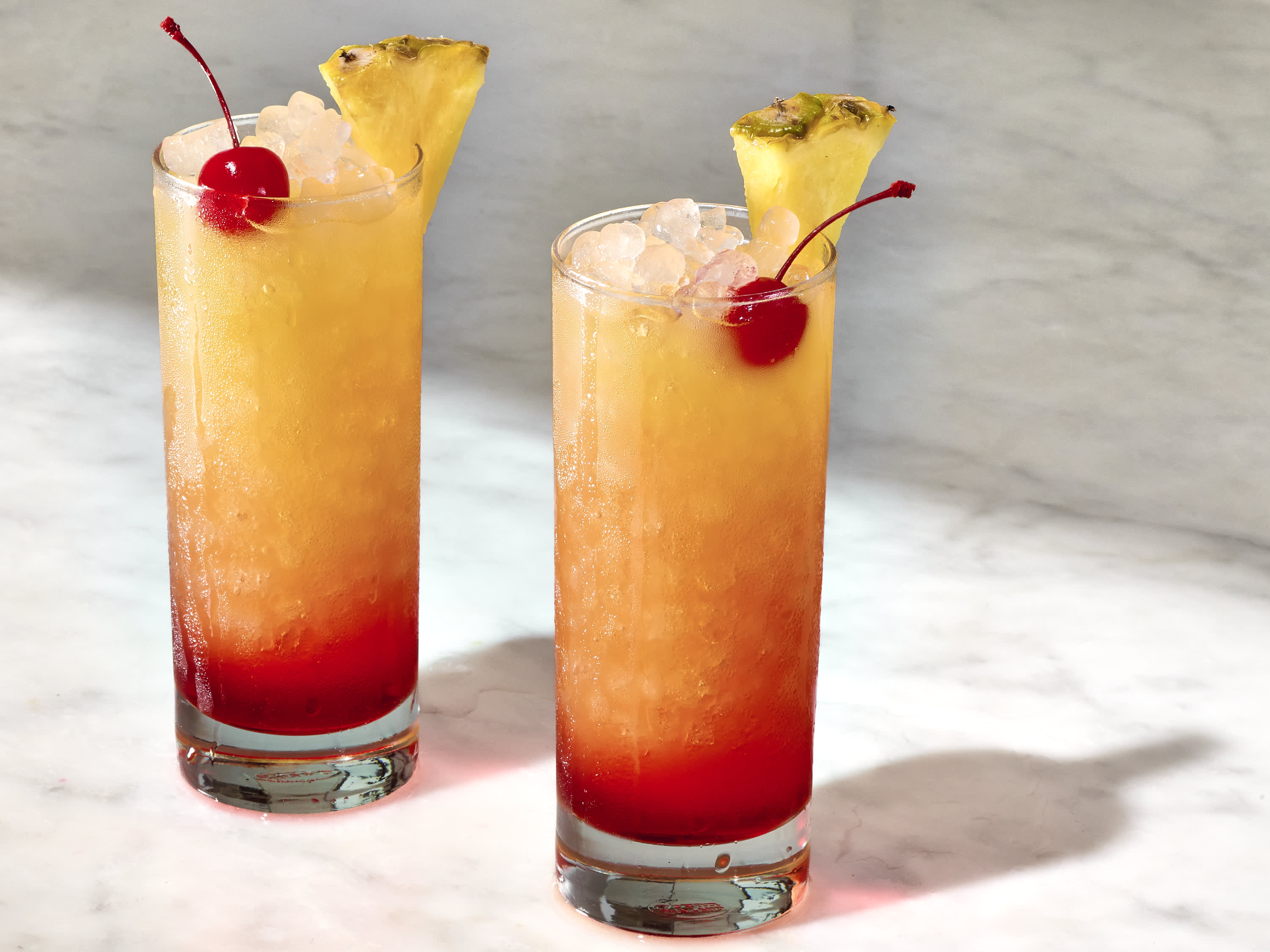
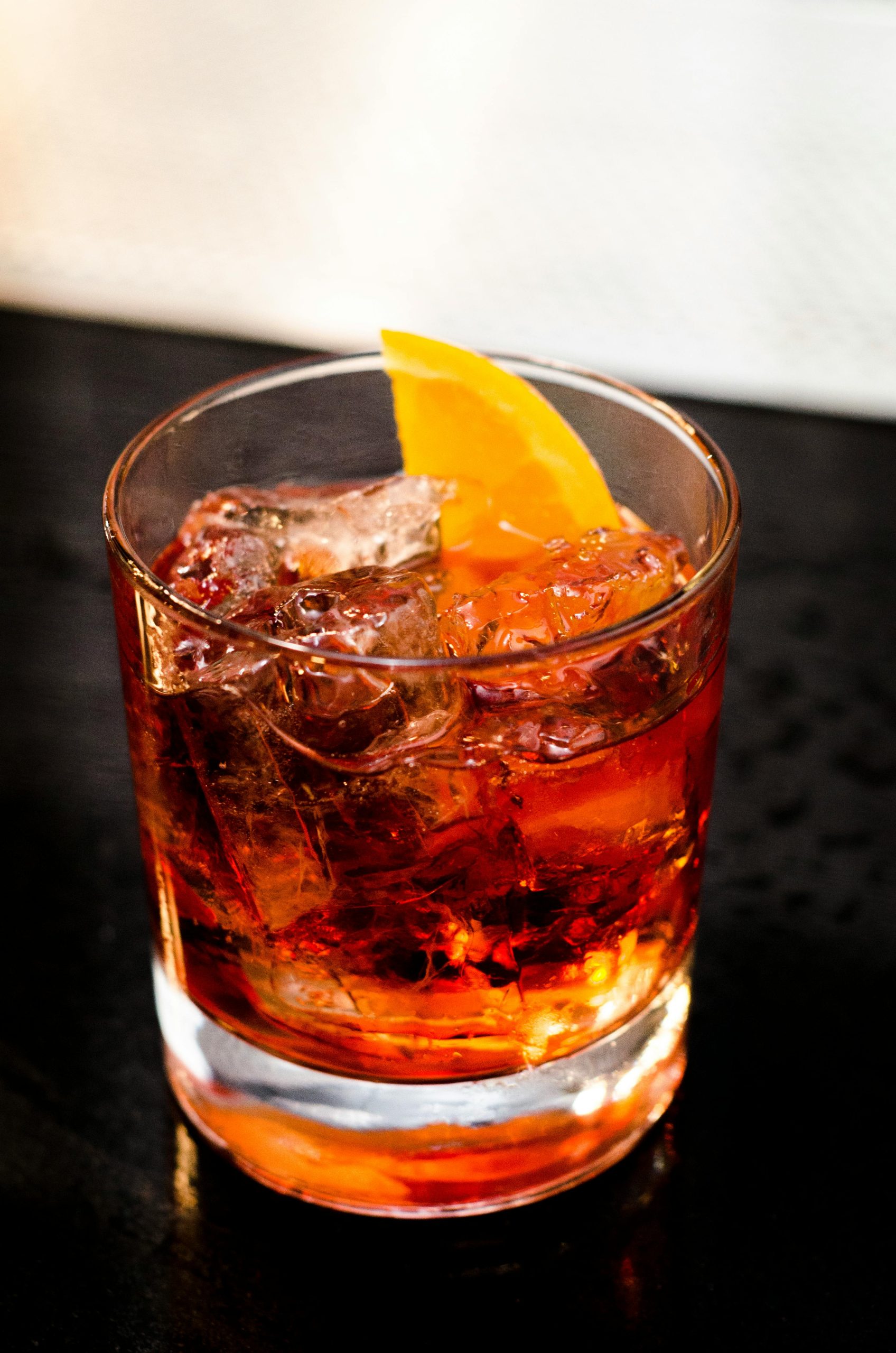
Selecting and serving alcoholic party drinks requires a balance of crowd-pleasing flavors, efficient preparation methods, and mindful hosting practices to ensure guests enjoy a vibrant yet safe social atmosphere.
When planning a gathering, the choice of alcoholic party drinks sets the tone for the entire event. Successful beverage planning involves understanding guest preferences, calculating accurate quantities per person, balancing spirit-forward cocktails with refreshing low-alcohol options, and mastering batch preparation techniques that free the host from constant mixing behind the bar.
Understanding Guest Preferences and Drink Categories
Every successful drink menu starts with a clear assessment of who is attending and what they enjoy drinking. A well-rounded bar program generally accounts for four major categories of alcoholic party drinks: beer, wine, spirits, and premixed or batched cocktails. Relying on a single type of beverage often leaves segments of your guest list unsatisfied.
Beer and cider offer approachable, casual options that require virtually no preparation beyond chilling. Having a mix of light lagers, craft IPAs, and a gluten-free or cider alternative covers most basic preferences. Wine selections should include a crisp white, a fruit-forward red, and a dry sparkling wine, which doubles as a standalone toast and a mixer for celebratory spritzes.
Spirits form the backbone of mixed drinks and cocktails. Stocking a versatile bar cart with base spirits—such as vodka, tequila, rum, gin, and whiskey—allows you to adapt to varied requests. However, managing individual cocktail requests during a busy party can trap the host behind the bar. This is where batched cocktails and communal punch bowls provide an efficient alternative.
The Art and Science of Batching Cocktails for Crowds
Batching cocktails in advance transforms hosting from a stressful chore into an effortless experience. Instead of measuring individual dashes of bitters, fresh citrus juice, and liqueurs for every single guest, a batched cocktail combines all liquid ingredients ahead of time in a large dispenser or pitcher.
When scaling up a cocktail recipe for a crowd, precise math and a few technical adjustments are essential. You cannot simply multiply every ingredient linearly if the drink relies on ice dilution. When cocktails are stirred or shaken with ice in a traditional bar setting, roughly 20 to 25 percent of the final volume comes from melted water. Therefore, when preparing a batched cocktail that will sit in a dispenser, you must pre-dilute the mixture by adding about 2 ounces of filtered water for every standard 8-ounce serving of concentrated cocktail ingredients, or instruct guests to pour their servings over fresh ice.
Fresh citrus juice is another critical variable. While bottled juice saves time, fresh-squeezed citrus oxidizes and loses its bright acidity within a few hours. For optimal flavor, squeeze citrus juice no more than four hours before the event, or use clarified juices if you are preparing drinks a day in advance. Always add delicate ingredients, carbonated mixers (like club soda or ginger beer), and fresh garnishes just before serving to maintain texture and effervescence.
Calculating Quantities: How Much Alcohol to Buy
Under-buying leaves guests thirsty, while over-buying wastes money and creates storage clutter. Estimating the correct quantity of alcoholic party drinks relies on a standard industry formula known as the "one drink per person per hour" rule, adjusted for the duration of the event and the crowd's profile.
As a general benchmark, plan for each guest to consume approximately one drink during the first hour of the party and about one drink every subsequent hour. For a four-hour party with ten guests, you should plan for roughly 40 total drinks. A standard 750ml bottle of wine yields about 5 glasses, a standard 750ml bottle of spirits yields about 17 standard 1.5-ounce pours, and a case of 24 beers provides 24 servings.
| Beverage Type | Standard Bottle/Container Size | Average Servings Per Container | Recommended Purchase Calculation |
|---|---|---|---|
| Spirits (Vodka, Tequila, etc.) | 750 ml | ~17 standard pours (1.5 oz) | 1 bottle per 15-20 guests for a 4-hour event |
| Wine (Red, White, Rosé) | 750 ml | ~5 glasses (5 oz) | 1 bottle per 2 guests for a 4-hour event |
| Beer / Cider | 12 oz bottle or can | 1 serving | 1.5 to 2 beers per guest for the first hour; 1 per hour after |
| Sparkling Wine / Champagne | 750 ml | ~6 flute pours (4 oz) | 1 glass per guest for toasts; 1 bottle per 3 guests for spritzes |
When hosting events that feature heavy food or active dancing, consumption rates may shift. It is always wise to add a 15 to 20 percent buffer to your final calculated totals to account for spillage, unexpected plus-ones, or heavier drinkers.
Essential Bar Tools and Setup Efficiency
A disorganized bar leads to slow service, sticky countertops, and frustrated guests. Creating a dedicated, self-serve bar station separates beverage service from the kitchen cooking zone, keeping foot traffic flowing smoothly through your home or venue.
Set up your drink station in a logical sequence. Place glassware and ice at the very beginning of the station so guests can grab a vessel and chill it first. Position the bottles, batched dispensers, and mixers in the middle, followed by garnishes (such as citrus wheels, mint sprigs, and berries), stirrers, napkins, and a designated disposal bin at the end.
Basic bar tools worth having on hand include:
- A reliable two-piece Boston shaker or cobbler shaker for spontaneous custom drinks.
- A dual-sided jigger for accurate measurements, preventing lopsided or overly strong pours.
- A sharp paring knife and a clean cutting board for fresh citrus garnishes.
- An ice scoop and an insulated ice bucket to maintain food-safe ice handling practices.
- A sturdy corkscrew and a bottle opener positioned prominently within reach.
Promoting Responsible Hosting and Guest Safety
Serving alcoholic party drinks carries a fundamental responsibility to protect the health, safety, and legal well-being of your guests and the wider community. Effective host intervention is not about policing behavior; it is about creating an environment where responsible consumption is natural and easy.
Always provide an abundant spread of substantial, protein-rich, and carbohydrate-dense foods. Food slows down the absorption of alcohol into the bloodstream, helping guests pace themselves naturally. Alongside your alcoholic offerings, set up an equally attractive non-alcoholic hydration station featuring infused waters, artisan sodas, mocktails, and plenty of ice cold water.
Monitor your guests for signs of impairment, and never hesitate to gently cut off service or arrange alternative transportation if someone has consumed too much. Keep local ridesharing app information accessible, designate sober drivers in advance, or offer spare guest rooms for those who should not drive home. Familiarize yourself with local social host liability laws, which can hold property owners legally accountable for accidents caused by intoxicated guests who consumed alcohol on their premises.
Frequently Asked Questions About Party Drinks
How many different types of alcohol should I offer at a casual party?
For a casual gathering, keeping the options concise is usually best. Providing one white wine, one red wine, a versatile spirit like vodka or tequila, and a couple of beer options satisfies most guests without overwhelming your budget or creating clutter. Focus on quality and mixability rather than stocking an exhaustive inventory of rare liquors.
What is the best way to keep batched cocktails cold without diluting them?
The most effective method is to chill all liquid ingredients thoroughly in the refrigerator for at least 24 hours before the party. When serving, place your drink dispenser inside a larger vessel filled with ice, or use specialized ice cores and frozen stainless steel chilling stones that cool the liquid without releasing melting water into your punch.
How do I calculate how much ice to buy for a party?
A good rule of thumb is to calculate 1 pound of ice per guest for a standard party. If you plan to use ice to chill beer and wine tubs in addition to serving drinks in glasses, increase that estimate to 1.5 or 2 pounds per guest. Always buy more ice than you think you need, as running out mid-party is one of the most common hosting pitfalls.
Can I mix diet sodas and regular sodas in batched punches?
You can, but you should account for how sweeteners behave in large quantities. Diet sodas use artificial sweeteners that are much sweeter per ounce than sugar, meaning less is required to achieve the same sweetness level. Furthermore, diet sodas do not caramelize or add body, which can leave batched drinks tasting thin compared to their full-sugar counterparts.
What are some easy non-alcoholic drink options for designated drivers?
Elevate your non-alcoholic options beyond basic tap water by offering sophisticated mocktails. Craft a sparkling herbal lemonade using fresh rosemary simple syrup, or serve a spiced ginger beer mixed with lime juice and a dash of bitters (ensuring guests are aware of the trace alcohol in standard bitters if strict avoidance is required). Treating non-alcoholic drinks with the same care as cocktails makes all guests feel included.
Strategic Beverage Planning for Lasting Success
Successful beverage planning balances creativity with logistical discipline. By auditing guest preferences, calculating exact volumes using reliable purchasing formulas, embracing batched cocktail efficiency, and prioritizing safety through food and hydration, you create an environment where everyone can relax and celebrate safely. Take time to prep your ingredients in advance, organize a functional self-serve station, and enjoy the fruits of your preparation alongside your guests.