Alcohol use disorder is a chronic medical condition characterized by an impaired ability to stop or control alcohol use despite adverse social, occupational, or health consequences, encompassing terms historically referred to as alcohol abuse or dependence.
Defining Alcohol Use Disorder and Its Spectrum
Alcohol use disorder represents a clinically significant clinical condition affecting millions of individuals globally. Defined within the Diagnostic and Statistical Manual of Mental Disorders, Fifth Edition (DSM-5), this condition spans a wide spectrum from mild to severe. Unlike casual or heavy drinking, which may not meet clinical thresholds, an individual with this disorder experiences physical and psychological changes that alter brain function and decision-making capabilities. The condition disrupts personal relationships, professional obligations, and physical well-being, requiring specialized medical and psychological interventions rather than simple willpower to overcome.
The classification of the condition relies on meeting specific behavioral and physiological criteria over a twelve-month period. Clinicians evaluate patients based on eleven distinct symptoms outlined by the American Psychiatric Association. The accumulation of these symptoms dictates the severity tier: mild requires two to three symptoms, moderate involves four to five, and severe constitutes six or more symptoms. Understanding this multi-tiered framework helps healthcare professionals tailor interventions precisely to the patient's neurological and psychosocial profile, ensuring that treatment matches the exact scale of the physiological dependence and behavioral disruption.
Core Symptoms and Behavioral Indicators
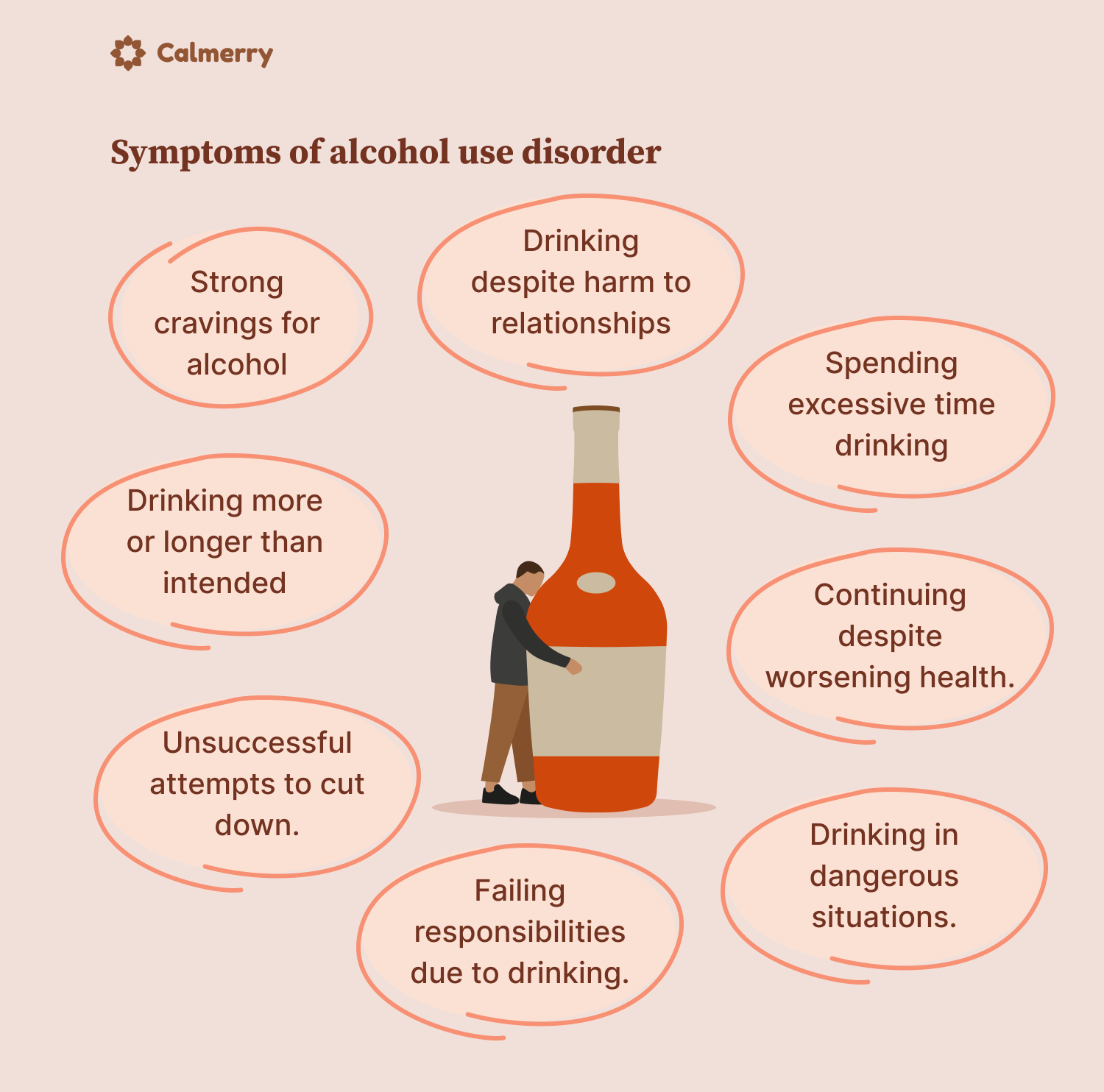
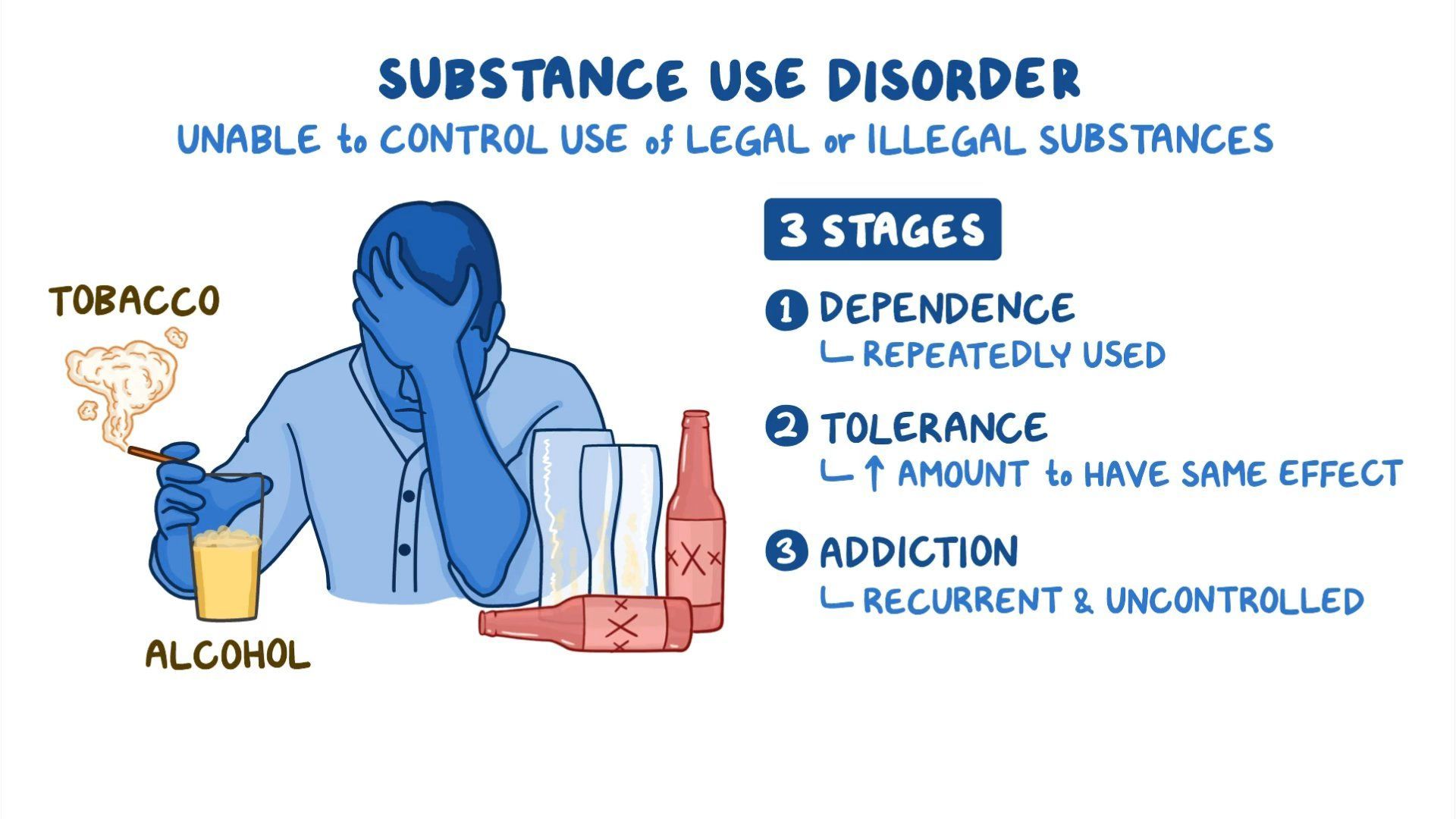
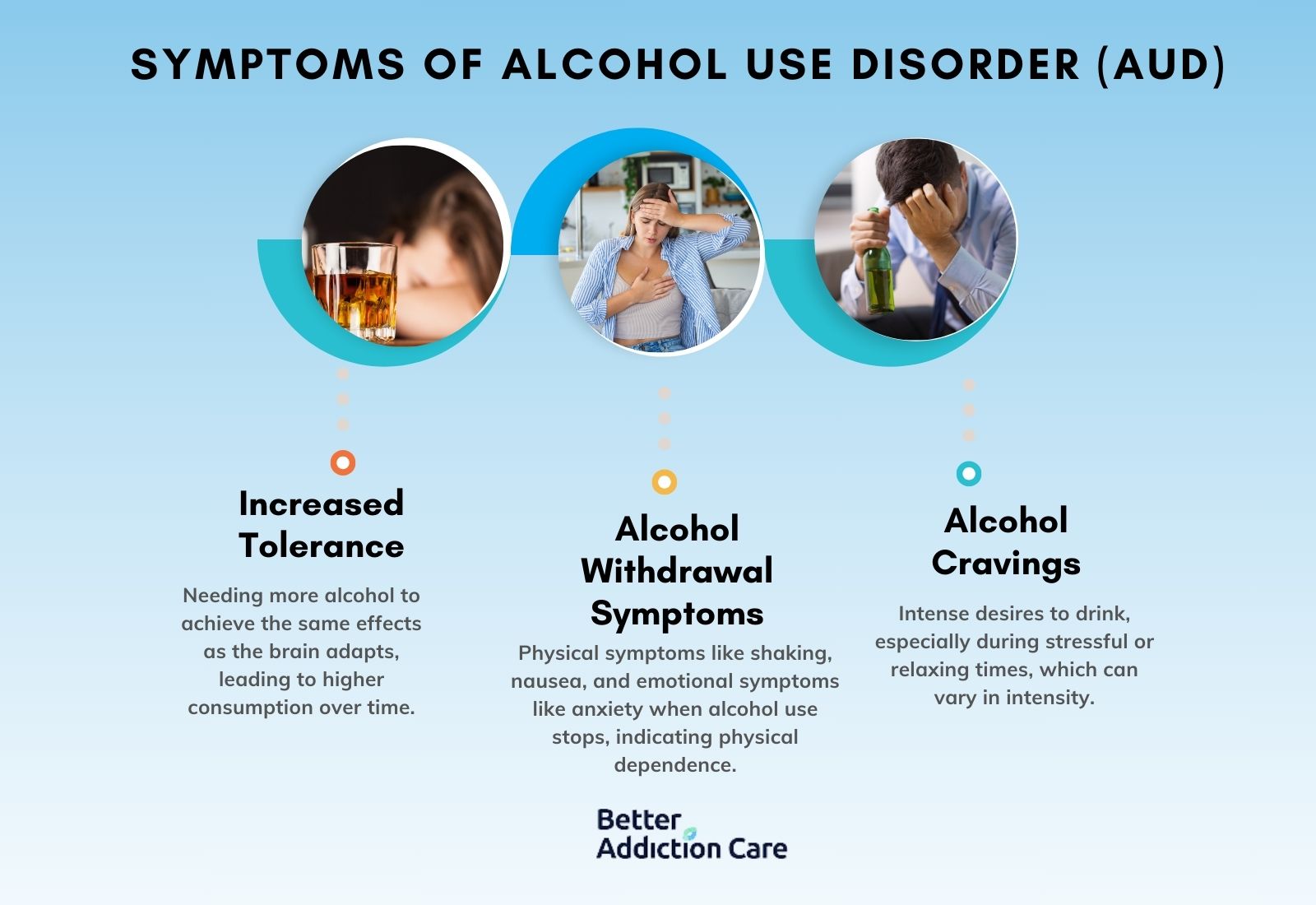
Recognizing the signs of alcohol use disorder involves identifying specific patterns in a person's drinking habits and daily life. Physical symptoms often manifest as a high tolerance for alcohol, requiring larger amounts to achieve the desired effect, alongside withdrawal symptoms such as tremors, sweating, nausea, and anxiety when intake is reduced or stopped. Behavioral indicators include spending a significant amount of time obtaining, using, or recovering from alcohol, and experiencing intense cravings that overshadow daily responsibilities.
| Symptom Category | Mild Indicators (2-3 Criteria) | Severe Indicators (6+ Criteria) |
|---|---|---|
| Control & Usage | Occasional failure to limit drinking; drinking more than intended. | Persistent inability to cut down; continuous use despite active harm. |
| Time & Priorities | Minor neglect of hobbies or social events in favor of drinking. | Abandonment of vital social, occupational, or recreational activities. |
| Physical Response | Mild tolerance buildup; occasional morning hangover effects. | Severe physiological tolerance; debilitating withdrawal states without alcohol. |
| Risk Exposure | Infrequent driving or operating machinery after drinking. | Recurrent hazardous situations, such as hazardous driving or unsafe behaviors. |
Beyond physical tolerance and withdrawal, psychological indicators play a dominant role in the progression of the disorder. Individuals frequently continue drinking despite recognizing that it causes or exacerbates physical or psychological health problems, such as depression, anxiety, or liver disease. Social and occupational functioning deteriorates as obligations at work, school, or home are repeatedly neglected. The compulsive nature of the condition ensures that consumption persists even when clear negative consequences emerge, illustrating the profound impact the substance has on the neural circuitry governing impulse control.
Diagnostic Criteria and Professional Evaluation
Diagnosing alcohol use disorder requires a comprehensive clinical evaluation conducted by a qualified healthcare professional, such as a primary care physician, psychiatrist, or addiction specialist. The assessment utilizes standardized screening tools, including the AUDIT (Alcohol Use Disorders Identification Test) or the CAGE questionnaire, which probe drinking frequency, quantities, and behavioral consequences. During a clinical interview, the provider assesses the patient's medical history, psychological status, and patterns of alcohol consumption against the standardized DSM-5 diagnostic criteria to determine the presence and severity of the condition.
| Assessment Tool | Primary Focus | Target Audience |
|---|---|---|
| AUDIT | Consumption levels, dependence symptoms, and alcohol-related harm. | General healthcare settings and specialized addiction clinics. |
| CAGE | Four concise screening questions regarding Cut-down, Annoyance, Guilt, and Eye-opener. | Rapid primary care screenings and emergency departments. |
| DSM-5 Checklist | Eleven clinical criteria evaluating psychological and physical dependence over 12 months. | Comprehensive diagnostic evaluations by medical professionals. |
Blood tests, liver function panels, and metabolic screenings are frequently ordered alongside psychological evaluations to assess the physical toll the condition has taken on the body. Because alcohol affects multiple organ systems, including the cardiovascular system, gastrointestinal tract, and central nervous system, baseline biomarkers help physicians understand overall health and identify co-occurring conditions. This thorough diagnostic process ensures that any subsequent treatment plan addresses both the primary substance use disorder and any secondary medical or psychiatric complications safely and effectively.
Medical Detoxification and Acute Management
For individuals with moderate to severe alcohol use disorder, the initial phase of treatment frequently involves medical detoxification. Abruptly ceasing alcohol consumption after prolonged, heavy use can trigger severe withdrawal symptoms, including autonomic instability, profound dehydration, and potentially life-threatening complications such as delirium tremens. Medical supervision in a dedicated detoxification facility or hospital setting ensures that vital signs are continuously monitored and that pharmacological interventions can be administered to stabilize the patient safely through the acute phase.
Pharmacotherapy during medical detoxification often utilizes benzodiazepines or other long-acting sedatives to manage central nervous system hyperexcitability, preventing seizures and severe agitation. Healthcare providers carefully taper these medications over several days as the physiological crisis subsides. Nutritional support, particularly the administration of thiamine (vitamin B1), is critical during this stage to prevent Wernicke-Korsakoff syndrome, a serious neurological disorder frequently associated with chronic heavy drinking and nutritional deficiency.
Evidence-Based Treatment Interventions
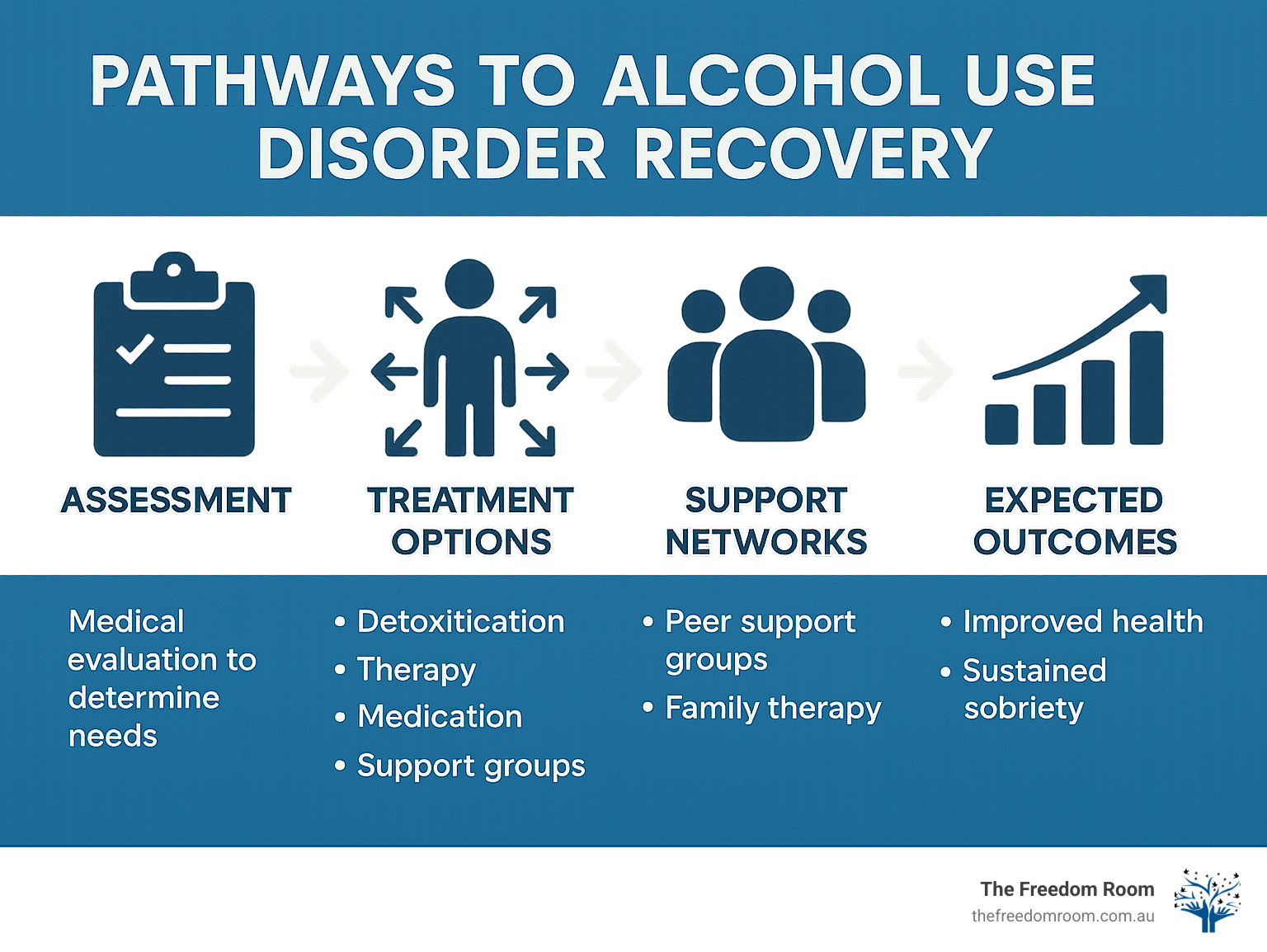
Long-term recovery from alcohol use disorder requires structured therapeutic interventions that address the underlying psychological, environmental, and behavioral drivers of substance use. Evidence-based care typically combines behavioral therapies with FDA-approved medications designed to support sustained abstinence or controlled reduction in drinking. Medications such as naltrexone, acamprosate, and disulfiram work through distinct physiological mechanisms to reduce cravings, block the euphoric effects of alcohol, or produce unpleasant physical reactions if alcohol is consumed, giving patients biochemical support as they rebuild their lives.
Behavioral counseling modalities, including Cognitive Behavioral Therapy (CBT), Motivational Enhancement Therapy (MET), and Contingency Management, help individuals identify personal triggers, develop effective coping mechanisms, and modify maladaptive thought patterns. In addition to individual therapy, structured group counseling and participation in peer-support communities, such as Alcoholics Anonymous or SMART Recovery, provide essential social reinforcement, accountability, and shared experiential wisdom. A comprehensive treatment plan is dynamic, adapting to the evolving needs of the individual across outpatient, intensive outpatient, or residential rehabilitation settings.
Navigating Relapse and Sustained Recovery Management
Relapse is frequently misunderstood as a failure of treatment rather than a recognized symptom of a chronic relapsing brain condition. Because alcohol use disorder alters neural pathways associated with reward, stress, and memory, environmental triggers can provoke intense cravings long after initial detoxification and stabilization are complete. Managing this ongoing vulnerability requires a proactive relapse prevention plan that identifies high-risk situations, establishes clear emergency coping strategies, and engages a strong support network of medical professionals, family members, and peers.
Sustained recovery involves continuous personal growth and lifestyle adjustment rather than a fixed endpoint. Individuals maintain their health by engaging in ongoing support groups, participating in periodic clinical check-ins, and adopting holistic wellness practices that promote physical fitness, stress management, and emotional regulation. When a slip or recurrence of drinking occurs, immediate intervention through clinical consultation and adjustment of the recovery plan helps prevent a minor setback from escalating into a full relapse, ensuring long-term health and stability.
Frequently Asked Questions
What is the difference between alcohol abuse and alcohol use disorder?
Alcohol abuse and alcohol dependence were previously separate diagnoses in older psychiatric manuals, but modern medical consensus combines them under the single term alcohol use disorder. This unified spectrum reflects the continuous nature of the condition, ranging from mild behavioral issues to severe physiological dependence, eliminating arbitrary distinctions and improving clinical assessment.
Can alcohol use disorder be treated without inpatient rehabilitation?
Yes, many individuals successfully treat alcohol use disorder through outpatient programs, private counseling, and medical management. The appropriate level of care depends entirely on the severity of the condition, the presence of co-occurring medical or psychiatric disorders, and the safety of the individual's home environment during early recovery.
What medications are commonly prescribed for alcohol use disorder?
Three primary medications approved by the U.S. Food and Drug Administration for this condition are naltrexone, acamprosate, and disulfiram. Naltrexone blocks the brain receptors that make drinking enjoyable, acamprosate helps normalize altered brain chemistry during abstinence, and disulfiram causes unpleasant physical reactions if alcohol is consumed.
How does chronic alcohol consumption affect the brain?
Chronic alcohol use alters neurotransmitter systems, particularly GABA and glutamate, which govern inhibition and excitation in the central nervous system. Over time, these neurological adaptations produce tolerance and withdrawal symptoms, while damaging brain regions responsible for impulse control, memory, and emotional regulation.
What are the early signs of alcohol withdrawal?
Early withdrawal symptoms typically begin within six to eight hours after the last drink and include anxiety, tremulousness, headache, nausea, vomiting, insomnia, and sweating. While mild symptoms can be managed outpatient, severe symptoms require immediate medical intervention due to the risk of seizures and delirium tremens.
How can family members support someone with alcohol use disorder?
Family members can support their loved one by educating themselves about the medical nature of the condition, encouraging professional assessment and treatment, establishing healthy personal boundaries, and participating in family support programs such as Al-Anon to manage their own well-being.
Next Steps for Seeking Professional Support
If you or someone you know is struggling with alcohol use disorder, initiating a confidential conversation with a primary care physician or a licensed mental health professional is the vital first step toward recovery. Healthcare providers can perform accurate diagnostic evaluations and connect patients with appropriate medical detoxification services, evidence-based counseling, and specialized recovery programs. For immediate, confidential guidance, contact the Substance Abuse and Mental Health Services Administration (SAMHSA) National Helpline at 1-800-662-4357 to find local treatment facilities and support resources tailored to your specific needs.