Alcohol toxicity, commonly known as alcohol poisoning, occurs when an individual consumes a toxic amount of ethanol over a short period, overwhelming the liver’s metabolic capacity and causing central nervous system depression, physiological instability, and potential organ failure. Recognizing the signs, understanding the pharmacological mechanisms, and applying prompt medical intervention are critical for preventing permanent neurological damage or death.
Pharmacokinetics and the Physiological Burden of Ethanol
To understand how alcohol toxicity develops, one must examine how the human body processes ethanol. Ethanol is a small, water-soluble molecule that is rapidly absorbed through the stomach and small intestine into the bloodstream. Once circulating, it distributes evenly throughout total body water. Unlike many other substances, ethanol does not require active transport mechanisms to cross biological membranes, allowing it to easily penetrate the blood-brain barrier and affect central nervous system function almost immediately after consumption.
The liver is responsible for metabolizing the vast majority of ingested alcohol through a two-step enzymatic process. First, alcohol dehydrogenase (ADH) converts ethanol into acetaldehyde, a highly reactive and toxic byproduct. Second, aldehyde dehydrogenase (ALDH) converts acetaldehyde into acetate, a relatively harmless substance that is further broken down into carbon dioxide and water for elimination. However, ADH operates at a fixed, zero-order kinetic rate, meaning the liver can only process a fixed amount of alcohol per hour regardless of how much is present in the bloodstream.
When binge drinking occurs—defined by the National Institute on Alcohol Abuse and Alcoholism (NIAAA) as a pattern of drinking that brings blood alcohol concentration (BAC) to 0.08 percent or higher—the influx of ethanol vastly exceeds the liver's metabolic capacity. Unmetabolized ethanol accumulates in the blood, triggering a cascade of neurological and systemic disruptions. The substance acts as a positive allosteric modulator of gamma-aminobutyric acid (GABA) receptors, the primary inhibitory neurotransmitter in the brain, while simultaneously inhibiting N-methyl-D-aspartate (NMDA) glutamate receptors, the primary excitatory neurotransmitters. This dual action causes profound central nervous system depression, leading to impaired coordination, slurred speech, respiratory depression, and loss of consciousness.
Clinical Signs and Graduated Stages of Toxicity
The clinical presentation of alcohol toxicity spans a wide spectrum, depending heavily on the individual's blood alcohol concentration, biological sex, body composition, and level of chronic tolerance. While legal intoxication in many jurisdictions is defined as a BAC of 0.08 g/dL, severe toxicity and life-threatening physiological collapse typically manifest at much higher concentrations, often exceeding 0.30 g/dL.
At lower-to-moderate elevations, individuals experience behavioral disinhibition, emotional lability, and sensory-motor impairment. As toxicity deepens, symptoms transition from simple intoxication to acute physiological distress. The following indicators mark the progression toward severe poisoning:
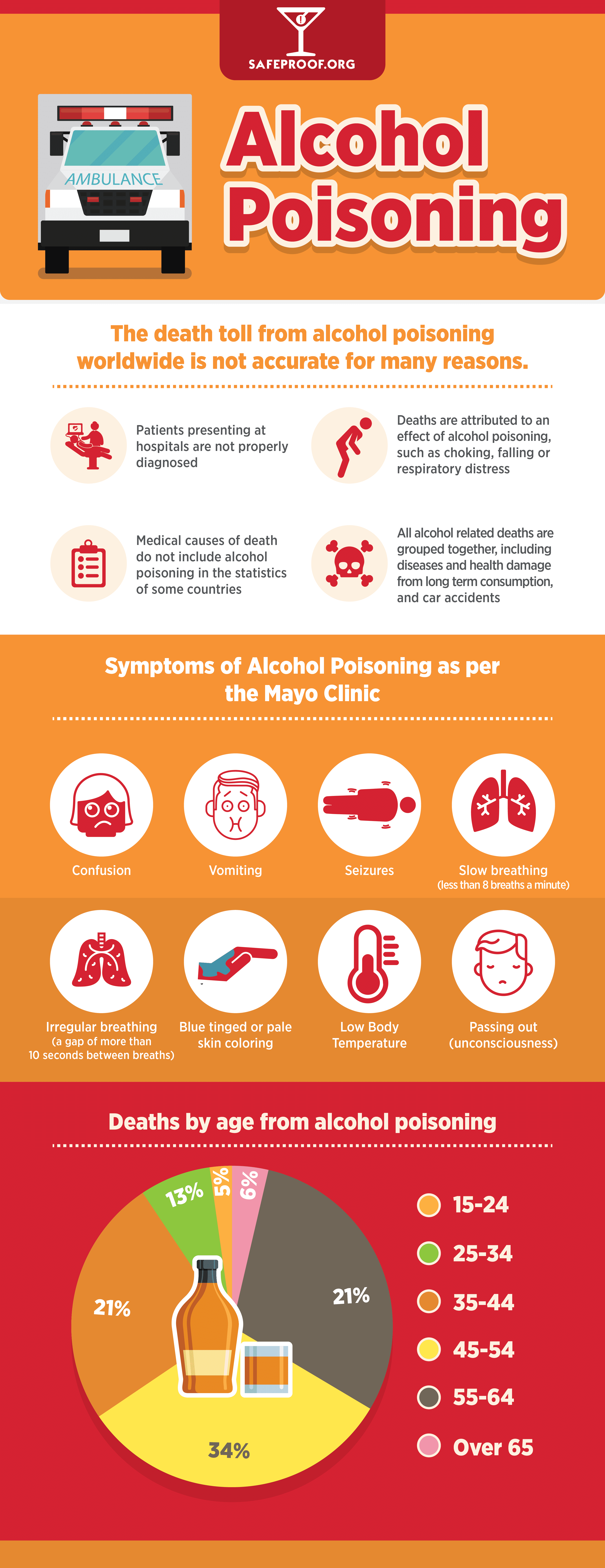
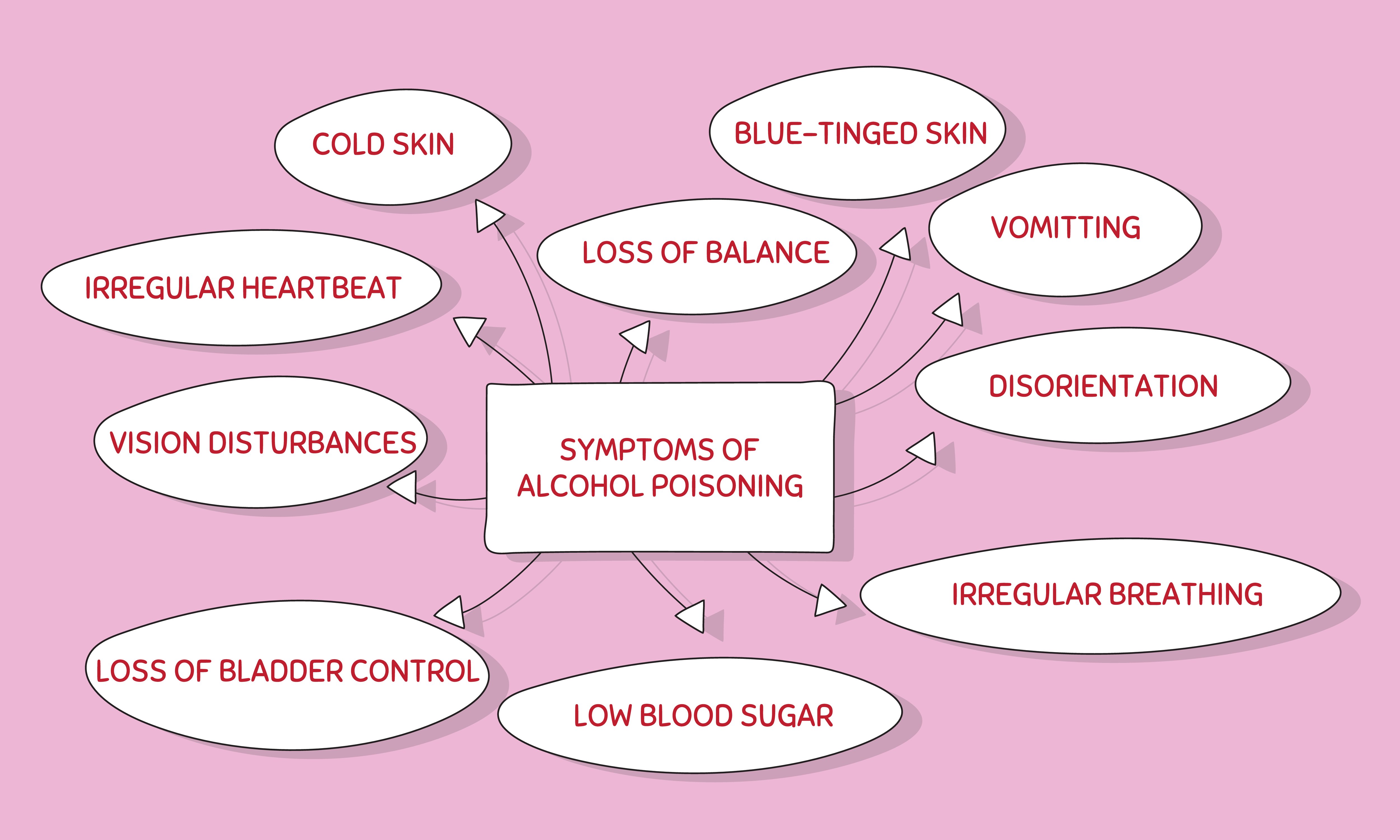
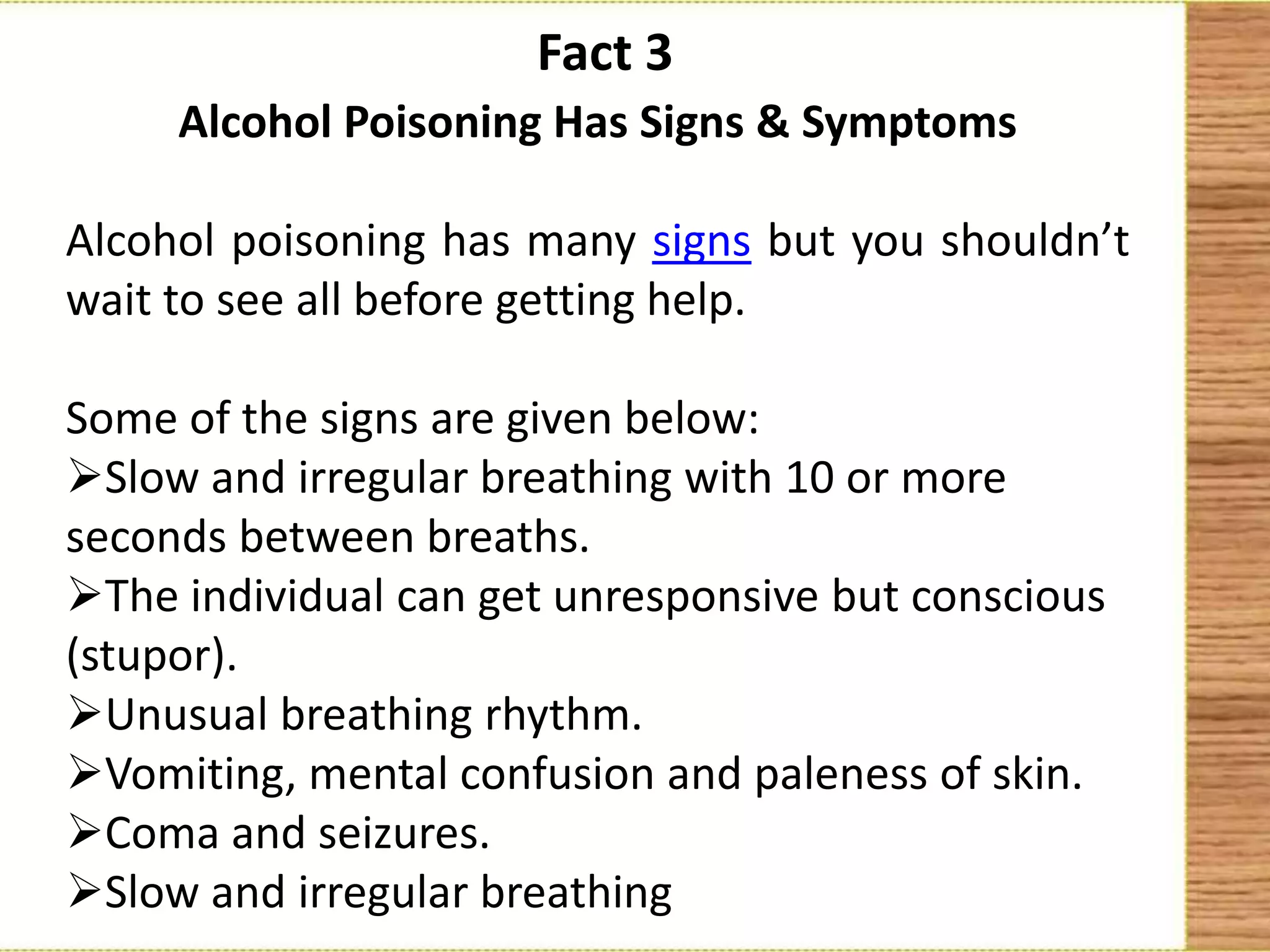
- Central Nervous System Suppression: Stupor, confusion, inability to be roused, and deep coma where protective reflexes like the gag reflex are compromised.
- Respiratory Compromise: Abnormally slow breathing—fewer than eight breaths per minute—or irregular breathing intervals with gaps of 10 seconds or more.
- Cardiovascular Instability: Profound hypotension, tachycardia, or bradycardia, accompanied by pale, clammy, or bluish skin (cyanosis) due to poor oxygenation.
- Gastrointestinal Distress: Uncontrolled vomiting while unconscious, which creates an immediate danger of pulmonary aspiration and asphyxiation.
- Metabolic Derangements: Severe hypothermia resulting from vasodilation, and hypoglycemia caused by ethanol's inhibition of hepatic gluconeogenesis, which can trigger seizures in vulnerable individuals.
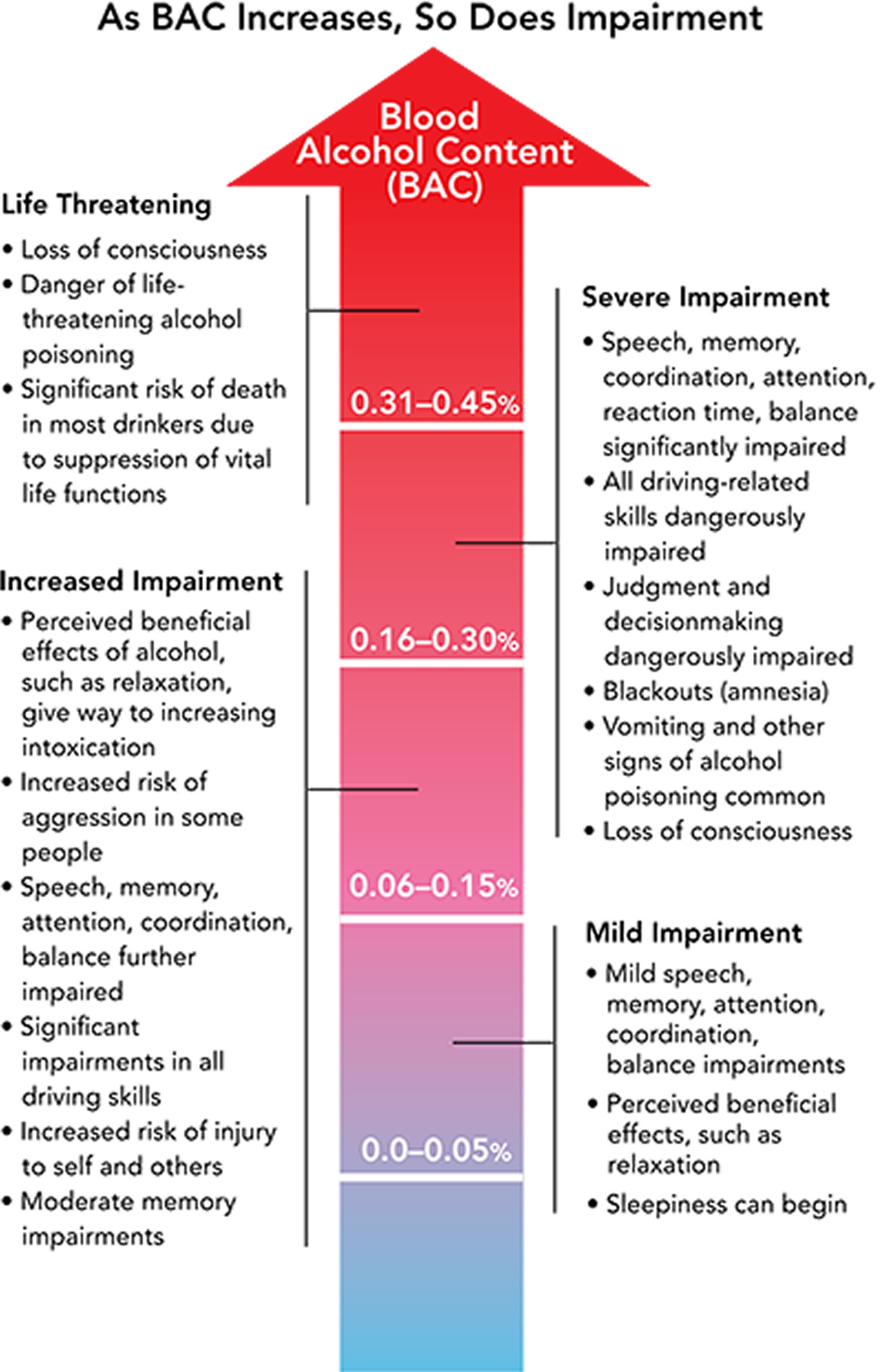
| Blood Alcohol Concentration (BAC) | Typical Physiological and Behavioral Effects | Clinical Risk Level |
|---|---|---|
| 0.02% – 0.05% | Mild impairment, altered mood, relaxation, slight loss of coordination. | Low Risk |
| 0.06% – 0.15% | Judgment impairment, memory disruption, reduced coordination, balance issues. | Moderate Risk |
| 0.16% – 0.30% | Nausea, vomiting, severe motor impairment, lethargy, blackouts. | High Risk |
| 0.31% – 0.45% | Loss of consciousness, depressed reflexes, hypothermia, respiratory depression. | Critical / Emergency |
| > 0.45% | Potential respiratory arrest, coma, fatal central nervous system failure. | Life-Threatening |
Differential Diagnosis and Associated Complications
When a patient presents with symptoms resembling alcohol toxicity, emergency medical professionals must conduct a thorough differential diagnosis. The clinical picture of severe central nervous system depression is not unique to ethanol ingestion and can easily mimic or overlap with other acute medical emergencies. Clinicians must rule out head trauma, diabetic ketoacidosis, stroke, hypoglycemia, and poisonings from other toxic alcohols such as methanol or ethylene glycol, as well as overdoses involving opioids, sedatives, or benzodiazepines.
One of the most immediate mechanical risks associated with alcohol toxicity is pulmonary aspiration. When a person loses consciousness from extreme intoxication, their pharyngeal and laryngeal reflexes become paralyzed. If vomiting occurs, gastric contents can enter the trachea and lungs, leading to aspiration pneumonia, acute respiratory distress syndrome (ARDS), or mechanical airway obstruction.
Furthermore, prolonged immobilization during a state of severe toxicity can cause rhabdomyolysis—the breakdown of damaged skeletal muscle tissue releasing muscle proteins into the blood—which subsequently places immense strain on the kidneys and can result in acute kidney injury. Electrolyte disturbances, particularly severe hypokalemia, hypomagnesemia, and hyponatremia, are also common complications that require aggressive monitoring and intravenous correction in a hospital setting.
Emergency Response and Medical Management Protocols
Alcohol toxicity is a medical emergency that requires immediate intervention. Waiting for an individual to "sleep it off" is a dangerous misconception; BAC can continue to rise even after a person passes out because alcohol in the stomach and intestines continues to enter the bloodstream. If someone exhibits signs of severe toxicity, bystanders must contact emergency services immediately.
While awaiting emergency responders, certain safety protocols can prevent fatal complications:
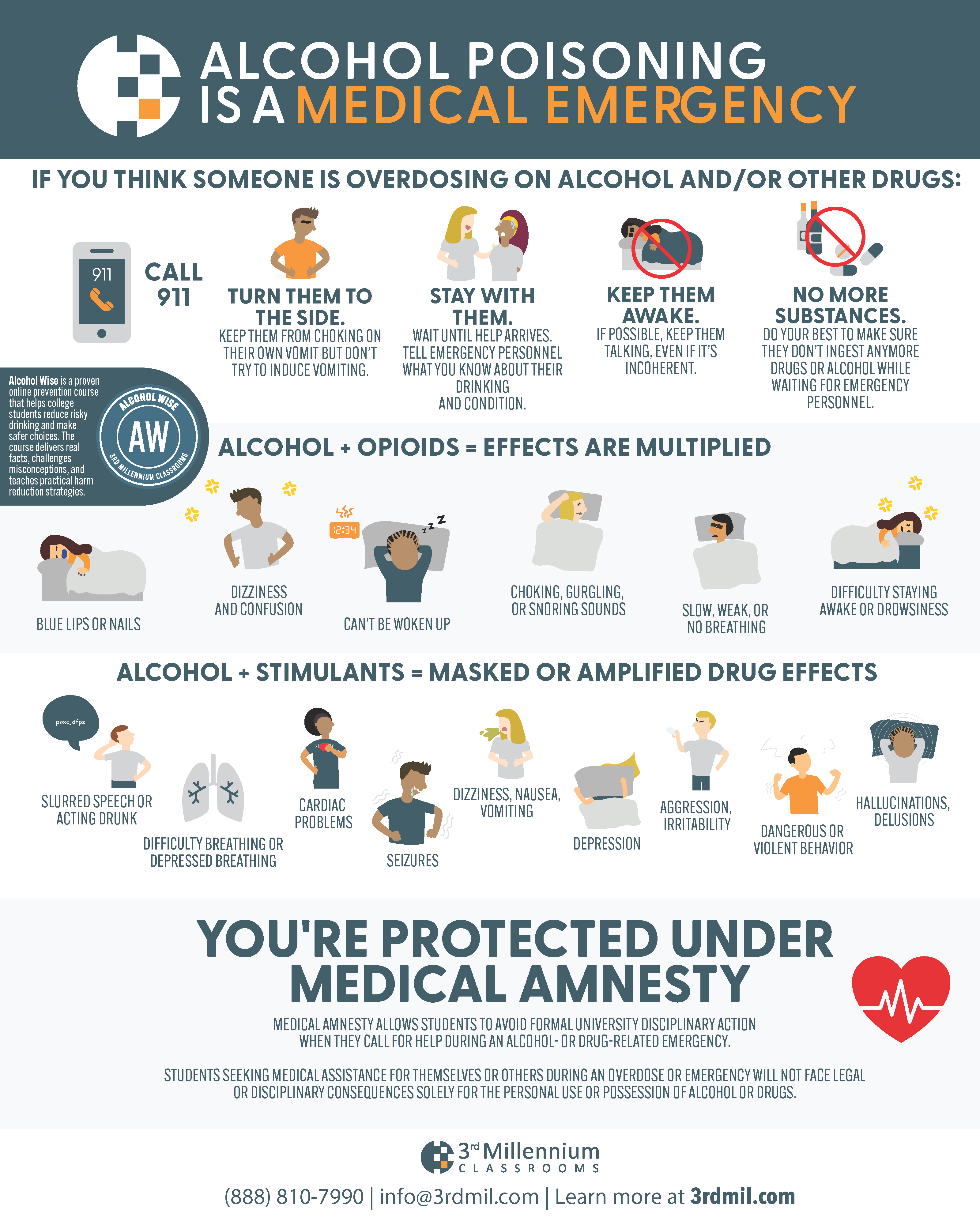
- Protect the Airway: If the person is unconscious and breathing, place them in the recovery position—on their side with their top leg bent—to prevent choking on vomit or blocking the airway with the tongue.
- Monitor Vital Signs: Keep a close watch on the person's breathing rate and skin color. Be prepared to clear the airway if vomiting occurs.
- Never Leave Unattended: Do not leave an intoxicated person alone in a room where they might vomit, fall, or experience respiratory arrest.
- Avoid Dangerous Interventions: Do not attempt to force the person to vomit, give them cold showers, feed them black coffee, or walk them around, as these measures cannot reverse metabolic toxicity and may cause secondary injuries.
In a hospital or emergency department setting, management is primarily supportive and focused on preserving physiological stability. Medical staff secure the airway through endotracheal intubation if respiratory depression is severe. Intravenous fluids are administered to correct dehydration and hypotension, while supplemental glucose and thiamine (vitamin B1) are provided to counteract hypoglycemia and prevent Wernicke-Korsakoff syndrome in chronic users. In extreme cases of life-threatening toxicity, hemodialysis may be utilized to rapidly clear ethanol and correct severe acid-base imbalances.
Frequently Asked Questions
Can someone die from alcohol poisoning after they stop drinking?
Yes. Blood alcohol concentration can continue to rise for up to 40 minutes after the last drink as alcohol passes from the stomach into the bloodstream. Furthermore, respiratory depression and hypoxia can progress even after drinking has ceased, making ongoing monitoring vital.
How does chronic alcohol use affect toxicity thresholds?
Chronic heavy alcohol consumption induces hepatic enzymes and alters central nervous system receptor sensitivity, resulting in physiological tolerance. Consequently, individuals with chronic use may display fewer outward signs of intoxication at higher BAC levels than non-drinkers, though their internal organs remain exposed to the same tissue-damaging mechanisms.
Is coffee or a cold shower an effective remedy for severe intoxication?
No. Neither caffeine nor cold water accelerates the metabolism of ethanol by the liver. Ethanol is eliminated at a fixed metabolic rate that cannot be expedited by home remedies, stimulants, or physical activity.
What is the difference between a standard hangover and alcohol toxicity?
A hangover represents the mild-to-moderate aftermath of alcohol consumption, characterized by dehydration, minor gastrointestinal upset, fatigue, and headache as BAC approaches zero. Alcohol toxicity is an acute, life-threatening overdose state characterized by central nervous system depression, vital sign instability, and organ failure.
When should emergency medical services be called for an intoxicated person?
Emergency services should be called immediately if the person is unresponsive, unarousable, breathing irregularly or slowly (fewer than eight breaths per minute), experiencing cold, clammy, or bluish skin, or suffering from uncontrolled vomiting while unconscious.
Navigating Immediate Action and Professional Support
If you suspect that someone is experiencing alcohol toxicity, immediate action is paramount. Do not hesitate to contact emergency medical services. Early intervention in a clinical setting saves lives by stabilizing airway function, correcting metabolic abnormalities, and preventing irreversible organ damage. For individuals struggling with problematic drinking patterns or recurrent episodes of acute intoxication, consulting a primary care physician, addiction specialist, or behavioral health professional provides a pathway toward safe detoxification and long-term recovery support.