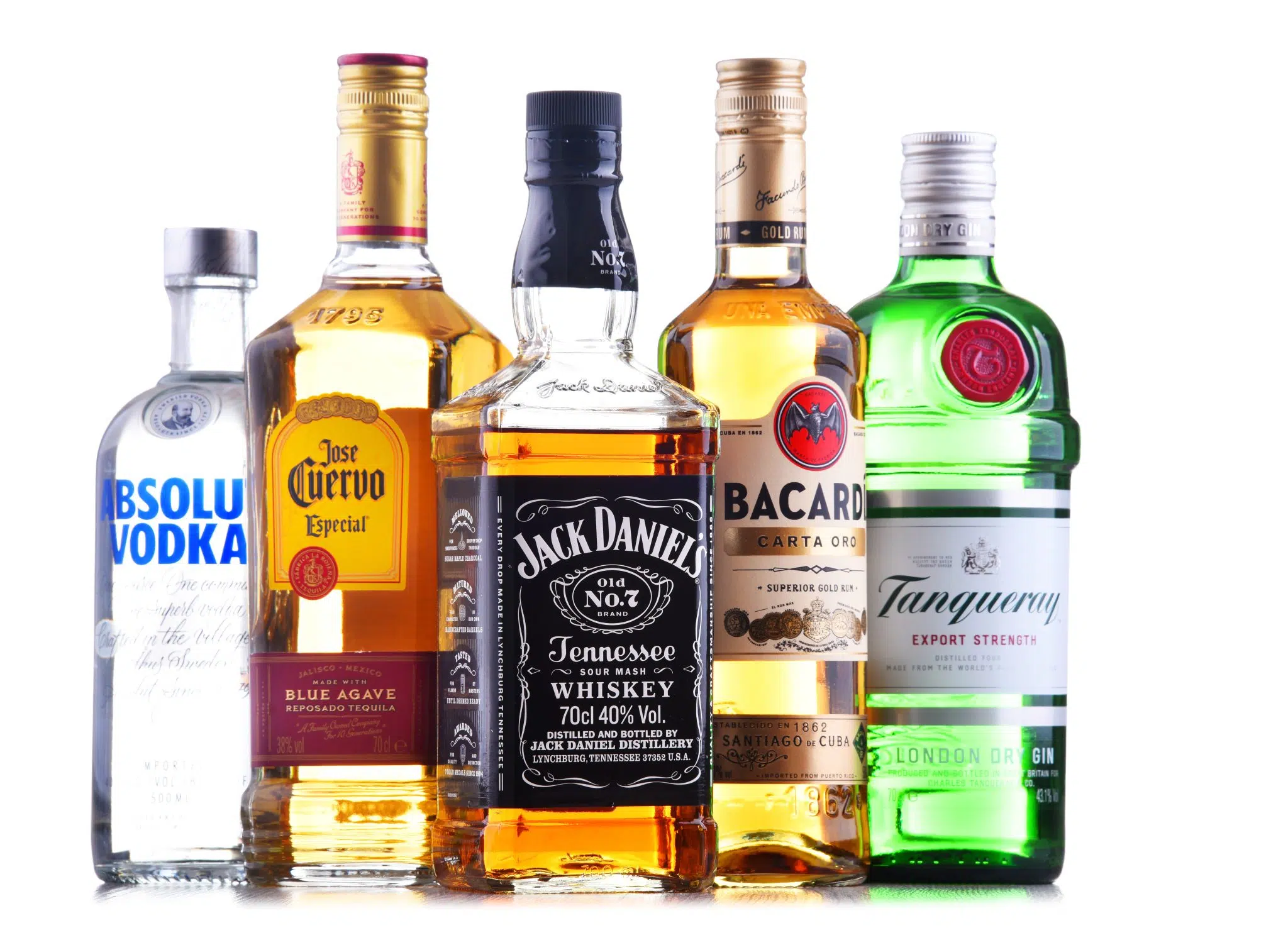
Alcohol spirits are distilled alcoholic beverages made from fermented grains, fruits, vegetables, or sugars, characterized by higher alcohol concentrations and the absence of added sugar. Distillation separates ethanol from water and congeners, yielding distinct profiles that define global categories like whiskey, vodka, rum, gin, tequila, and brandy.
Understanding alcohol spirits requires exploring the intersection of chemistry, agriculture, and centuries-old distillation traditions. Unlike fermented beverages such as beer and wine, which typically top out at 15% to 20% alcohol by volume (ABV), spirits undergo a secondary concentration process via heat evaporation and condensation. This methodology concentrates the ethanol content, typically bottled at a minimum of 40% ABV (80 proof) in many jurisdictions, while preserving or refining the aromatic compounds derived from the original base materials. Whether enjoyed neat, over ice, or as the structural foundation of complex cocktails, spirits represent a vast landscape of global craftsmanship regulated by strict geographical indications and legal definitions.
Defining Distilled Spirits: The Scientific and Legal Framework
At its core, a spirit is any potable alcoholic beverage produced by distilling fermented organic matter. The word "spirit" historically referred to the volatile essence or "ghost" of a liquid captured through heating. Scientifically, distillation exploits the different boiling points of ethanol (78.37°C or 173.07°F) and water (100°C or 212°F). When a fermented wash is heated in a still, alcohol vaporizes faster than water. Capturing and cooling these vapors produces a concentrated distillate.
Legally, regulatory bodies such as the Alcohol and Tobacco Tax and Trade Bureau (TTB) in the United States or the European Commission establish precise definitions for what can be labeled as a specific spirit. These standards govern minimum bottling proofs, permissible base ingredients, distillation methods, and aging requirements. For instance, bourbon must be made from a grain mixture of at least 51% corn and aged in new charred oak containers, while Tequila must be produced specifically from Weber Blue Agave within designated regions of Mexico.
Primary Categories of Alcohol Spirits
The global spirits market is broadly categorized by its primary agricultural base and processing methods. Each major category possesses distinct organoleptic profiles—tasting notes, aromas, and mouthfeel—that separate it from others.
| Spirit Category | Primary Base Ingredient | Typical Distillation & Aging |
|---|---|---|
| Vodka | Grains, potatoes, or sugars | Continuous column still; filtered |
| Whiskey | Fermented grain mash | Pot or column still; barrel-aged |
| Rum | Sugarcane juice or molasses | Pot or column still; varies |
| Gin | Neutral grain spirit | Redistilled with botanicals |
| Tequila | Blue Weber Agave | Pot or column still; strict origin |
| Brandy | Fermented fruit juice | Pot still; traditionally aged |
Neutral Spirits: Vodka and Gin
Vodka and gin begin as high-proof neutral spirits, distilled to high purity levels (often 95% ABV or higher) to strip away most congeners—the chemical compounds that contribute to flavor and aroma. Vodka is traditionally filtered through media like charcoal to ensure maximum neutrality, though modern craft vodkas often preserve subtle notes of their base grains or potatoes. Gin takes this neutral base and redistills it with botanicals, mandatorily featuring juniper berries alongside coriander, citrus peel, angelica root, and various spices.
Aged Grain Distillates: Whiskey
Whiskey encompasses a diverse family of grain-based spirits, including bourbon, scotch, rye, Irish whiskey, and Japanese whisky. The grain mash—comprising corn, barley, rye, wheat, or rice—is fermented and distilled, then aged in wooden casks, predominantly oak. The interaction between the raw spirit, the wood's chemical compounds (such as lignin and tannins), and oxygenation during aging imparts deep color, vanilla notes, and complex spice profiles.
Sugarcane Derivatives: Rum and Cachaça
Rum is distilled from sugarcane byproducts, such as molasses, or fresh sugarcane juice. It is produced widely across the Caribbean and Latin America. Styles range from light, column-distilled white rums used in high-volume mixology to heavy, pot-stilled dark rums aged for decades, featuring notes of molasses, caramel, tropical fruit, and spice. Cachaça, while chemically similar to rum, is a distinct Brazilian spirit made exclusively from fermented fresh sugarcane juice.
Agave Spirits: Tequila and Mezcal
Native to Mexico, agave spirits are derived from the heart of the agave plant, known as the piña. Tequila must be produced exclusively from Blue Weber Agave in designated municipalities, primarily in the state of Jalisco. Mezcal can be made from various agave species, often roasted in underground pit ovens, which imparts a characteristic smoky profile. Both spirits range from clear unaged expressions (blanco or joven) to heavily aged variants (reposado and añejo).
Fruit Brandies and Eaux-de-Vie
Brandy is distilled from fermented fruit juice, most commonly grapes (as seen in Cognac and Armagnac from France). Other fruit brandies, known broadly as eaux-de-vie, are distilled from apples, pears, cherries, and plums. While grape brandies are frequently aged in oak barrels to develop rich, complex tertiary aromas, many clear fruit brandies are bottled unaged to showcase pristine, fresh-fruit aromatics.
The Production Process: From Field to Bottle
The creation of any spirit follows a sequence of agricultural, biochemical, and physical transformation steps. Mastering this pipeline requires strict quality control over every variable, from yeast strains to distillation temperatures.
- Harvesting and Preparation: Raw materials are harvested at peak ripeness. Starches in grains must be converted into fermentable sugars via malting or cooking, while fruits and sugarcane already contain simple sugars ready for yeast consumption.
- Fermentation: Yeast is added to the prepared wash or mash, consuming sugars to produce ethanol, carbon dioxide, and congeners. This process takes anywhere from a few days to a couple of weeks, resulting in a low-alcohol wash (typically 5% to 12% ABV).
- Distillation: The wash is heated in a still. Traditional pot stills operate in batches, allowing heavier flavor compounds to pass through, yielding rich, characterful spirits. Column stills (continuous stills) operate uninterrupted, allowing for higher efficiency and purer, higher-proof distillate outputs.
- Maturation and Blending: Spirits destined for aging are transferred to wooden casks, stainless steel tanks, or glass containers. Master distillers blend various barrels to achieve consistency in flavor profile, color, and proof before bottling.
- Dilution and Bottling: Water is added to bring the spirit down to its target bottling strength, typically between 40% and 50% ABV, before it is filtered and sealed in glass bottles.
Understanding Proof, ABV, and Alcohol Metrology
Evaluating the strength of alcohol spirits involves specific metric and historical measurements. Alcohol by Volume (ABV) is the international standard, representing the percentage of pure ethanol present in a given volume of liquid at 20°C.
The term "proof" originates from an 18th-century British practice where gunpowder was soaked in spirits. If the gunpowder could still ignite, the spirit was deemed to contain sufficient alcohol and was rated at "100 proof." Today, in the United States, proof is precisely double the ABV percentage (e.g., a 50% ABV spirit is 100 proof). In the United Kingdom, historical proof systems differed slightly, but modern trade universally relies on ABV for clarity and compliance.
Storage, Preservation, and Shelf Stability
Unlike wine, which continues to evolve and can spoil in the bottle, distilled spirits are chemically stable due to their high alcohol concentration. Once a bottle of spirits is sealed, it can remain virtually unchanged for decades if stored correctly.
To maintain the quality of opened bottles, store them upright away from direct sunlight and extreme temperature fluctuations. High-proof spirits like whiskey, vodka, and rum degrade very slowly once opened, though volatile aromatic compounds may gently dissipate over several years if the bottle is mostly empty. Liqueurs and cream-based spirits, which contain dairy, eggs, or significant sugar additions, require refrigeration and have shorter post-opening shelf lives, typically ranging from several months to a couple of years.
How to Properly Taste and Evaluate Spirits
Tasting alcohol spirits involves engaging the senses to appreciate their structural complexity. Professional tasters and enthusiasts utilize specific evaluation techniques to unlock hidden aromatic profiles without numbing the palate.
- Visual Examination: Observe the spirit's clarity, color, and viscosity. Swirl the liquid in a glass and watch the "legs" or "tears" run down the sides, which can hint at alcohol content or sugar levels.
- Aromatic Assessment: Nosing the spirit should be done gently with the mouth slightly open to prevent the ethanol vapors from overwhelming the nasal passages. Identify primary notes (fruit, grain, agave), secondary notes (vanilla, caramel from aging), and tertiary notes (leather, tobacco, oak).
- Palate Evaluation: Take a small sip, allowing it to coat the tongue. Note the mouthfeel—whether it is light, creamy, astringent, or oily—and assess the primary flavor balance between sweetness, acidity, spice, and bitterness.
- The Finish: Pay attention to the length and quality of the aftertaste (the finish). A high-quality spirit typically leaves a lingering, pleasant warmth and evolving flavor notes long after swallowing.
Frequently Asked Questions
What is the difference between white spirits and dark spirits?
White spirits, such as vodka, unaged white rum, and blanco tequila, are either unaged or charcoal-filtered to remove color and heavy congeners, resulting in crisp, clean profiles suited for mixing. Dark spirits, like bourbon, aged rum, and scotch, gain their deep color, robust tannins, and complex vanilla or wood-spice flavors from prolonged interaction with wood barrels during the maturation process.
Do alcohol spirits expire or go bad in the bottle?
Spirits do not expire or spoil in the sealed bottle because the high alcohol concentration prevents microbial growth. However, once opened, volatile flavor compounds can slowly oxidize over many years, particularly if the seal is loose or the bottle is exposed to heat and direct sunlight. Cream liqueurs and low-ABV aromatized wines are exceptions and should be refrigerated and consumed within designated timeframes.
How is proof calculated relative to ABV?
In the United States, proof is precisely twice the Alcohol by Volume (ABV) percentage. For example, a spirit containing 40% alcohol by volume is rated at 80 proof, while a 50% ABV bottling equals 100 proof. This numerical relationship allows consumers to instantly understand the ethanol concentration regardless of regional labeling conventions.
Why do some spirits burn when swallowed?
The burning sensation is primarily caused by ethanol interacting with pain receptors on the tongue and throat, specifically the TRPV1 receptors that also respond to heat. Higher-proof spirits, unaged distillates with high concentrations of sharp volatile alcohols, and drinking spirits neat without dilution or chilling amplify this physical sensation.
Can spirits be frozen in a household freezer?
Pure distilled spirits with an ABV of 40% (80 proof) or higher will not freeze solid in a standard household freezer, which typically maintains temperatures around -18°C (0°F), because the freezing point of pure ethanol is approximately -114°C (-173°F). However, lower-proof liqueurs, vermouths, and heavily sugared spirits can freeze or become slushy due to their higher water and sugar content.
Selecting and Storing Your Collection
Curating a balanced collection of alcohol spirits begins with identifying personal flavor preferences and intended uses, whether building a versatile cocktail cart or collecting rare single-cask whiskeys. Prioritize foundational bottles—such as a versatile dry gin, a clean vodka, a reliable mixing rum, and an approachable aged whiskey—before expanding into specialized regional specialties. Store all bottles upright in a stable, climate-controlled environment to protect cork integrity and preserve the liquid's integrity for years of enjoyment.