Alcohol regulation encompasses the diverse statutory frameworks, licensing structures, taxation policies, and public safety mandates that govern the production, distribution, marketing, and consumption of alcoholic beverages. Rooted in public health objectives and economic oversight, these regulatory systems balance commerce with consumer protection, establishing clear boundaries for industry participants and retail operators alike.
The Historical Evolution and Public Policy Foundations of Alcohol Control
The modern architecture of alcohol regulation did not emerge in a vacuum; it represents a centuries-long evolution of social policy, taxation goals, and public health initiatives. Governments have historically viewed alcohol not as an ordinary consumer good, but as a product carrying distinct externalities—societal costs associated with public health, safety, and productivity. These underlying principles continue to shape statutory frameworks worldwide, influencing how jurisdictions approach everything from domestic manufacturing to international trade agreements.
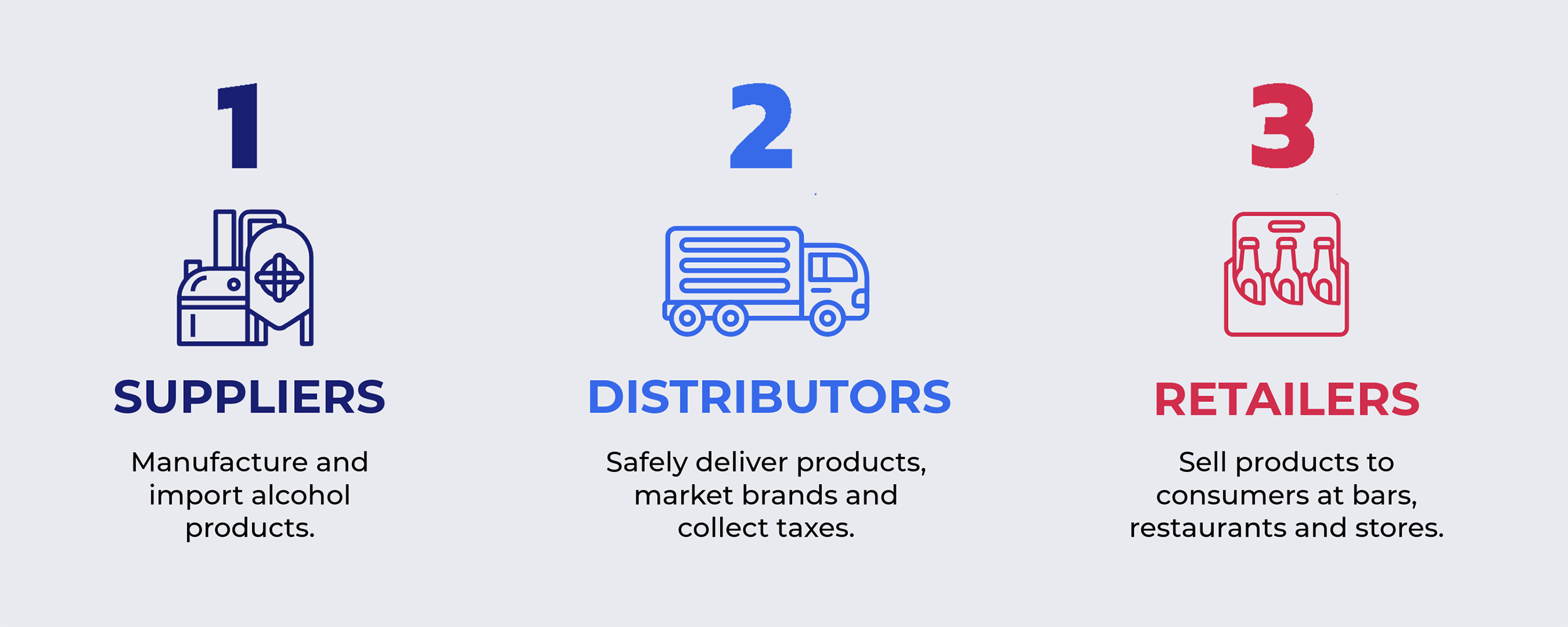
In many Western nations, the modern era of alcohol control was forged in the wake of significant social upheaval or the failure of prohibition policies. For example, the repeal of national prohibition in the United States ushered in the three-tier system, a foundational regulatory model designed to prevent vertical integration and monopolistic control by separating producers, distributors, and retailers. Similar structural divisions exist internationally, though adapted to parliamentary systems, state monopolies, or mixed public-private models.
Public policy objectives generally divide into three primary pillars:
- Harm minimization: Reducing underage drinking, binge drinking, and alcohol-fueled violence through minimum legal purchase ages, restricted hours of sale, and density limits on licensed premises.
- Revenue generation: Capturing economic rent via excise taxes, import tariffs, and licensing fees to offset public health expenditures and fund general government operations.
- Market order: Ensuring product safety, truthful labeling, fair competition among licensed entities, and the prevention of illicit production or smuggling.
Structural Frameworks: The Three-Tier System and Jurisdiction Models
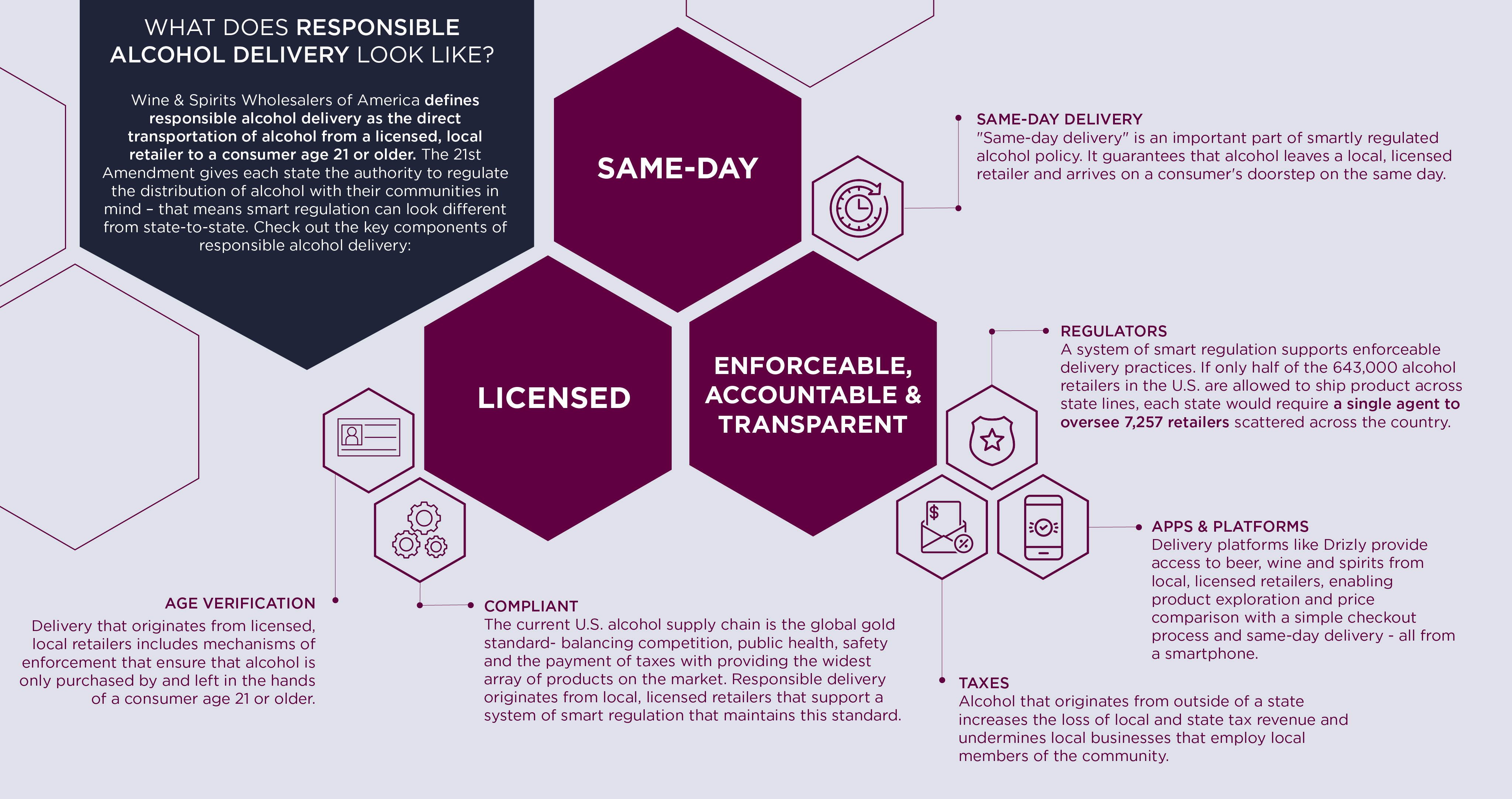
Navigating alcohol regulation requires a clear understanding of jurisdictional authority and market structures. In federalist systems, such as the United States, regulatory power is shared between federal agencies and state or provincial authorities. The 21st Amendment to the United States Constitution granted individual states broad autonomy to regulate alcohol within their borders, resulting in a complex patchwork of laws that vary dramatically across state lines.
At the federal level, bodies like the Alcohol and Tobacco Tax and Trade Bureau (TTB) in the United States, or equivalent national departments of revenue and public health in other countries, oversee tax collection, formula approvals, and federal labeling requirements. Conversely, state or local liquor control boards manage retail distribution, local option laws, and the issuance of business permits.
Jurisdictions generally fall into one of two operational categories regarding retail sales:
- Control States (or Monopoly Jurisdictions): The government holds a monopoly over the wholesale and/or retail sale of spirits (and sometimes wine or beer), allowing strict control over pricing, marketing, and physical access.
- License States (or Open Markets): Private enterprises compete within a regulated framework, obtaining specific licenses for manufacturing, wholesale distribution, or retail sale.
| Regulatory Aspect | Control States / Monopolies | License States / Open Markets |
|---|---|---|
| Retail Operations | Government-run or agency-contracted stores | Privately owned package stores, bars, and grocers |
| Pricing Control | Uniform pricing set by state boards; limited discounting | Market-driven pricing subject to minimum markup laws |
| Product Selection | Centralized purchasing; listing and delisting processes | Wholesaler-driven portfolios based on commercial demand |
| Availability | Often restricted hours and locations; lower outlet density | Typically higher outlet density and extended sales hours |
Licensing, Permitting, and Compliance Prerequisites
For commercial enterprises seeking to enter the beverage alcohol market, securing the appropriate licenses is a meticulous, multi-staged legal requirement. Whether operating a craft distillery, an import agency, a neighborhood pub, or a large-scale supermarket chain, compliance mandates dictate every phase of business operations.
The application process typically demands extensive documentation, including corporate governance filings, background checks for principal owners, tax clearance certificates, zoning approvals, and proof of premises security. Furthermore, regulators categorize licenses based on the precise nature of the commercial activity:
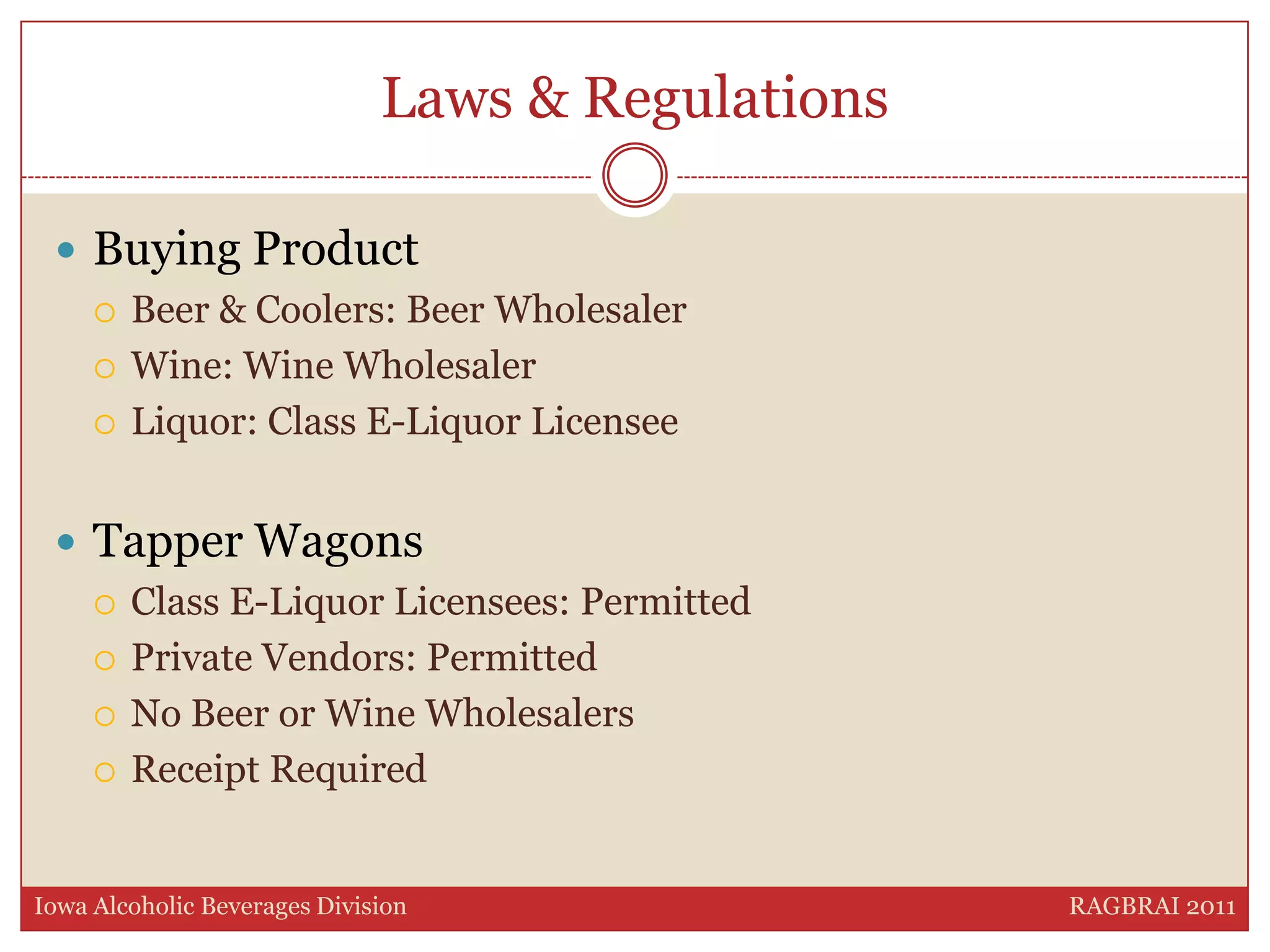
- Manufacturer Licenses: Authorize brewing, winemaking, or distilling, often with distinct sub-categories for on-site tasting rooms or direct-to-consumer shipping capabilities.
- Wholesale and Importer Licenses: Permit the storage, transportation, and transfer of alcoholic products between tier boundaries.
- Retail Licenses: Divided explicitly between on-premise consumption (bars, restaurants, clubs) and off-premise consumption (package stores, convenience stores, supermarkets).
Ongoing compliance requires strict adherence to statutory operational limits. Licensees must maintain meticulous inventory records, remit excise taxes punctually, verify customer ages rigorously, and ensure that all marketing materials comply with local truth-in-advertising and social responsibility codes. Failure to maintain compliance can result in escalating penalties, ranging from civil fines and mandatory staff retraining to temporary suspension or permanent revocation of the operating license.
Taxation, Pricing Policies, and Economic Controls
Taxation serves as both a fiscal instrument for revenue generation and a public health tool designed to influence consumption patterns through pricing mechanisms. Alcohol excise taxes are typically levied based on volume (per gallon or liter) and alcohol-by-volume (ABV) content, meaning higher-proof spirits face proportionally higher tax burdens than standard-strength beers or table wines.
In addition to excise duties, governments frequently employ specific economic controls to curb excessive consumption:
- Minimum Unit Pricing (MUP): Sets a legal floor price below which alcohol cannot be sold, targeting cheap, high-strength products commonly consumed by heavy or underage drinkers.
- Taxes Tied to Inflation: Indexing excise rates to consumer price indices to ensure the real value of alcohol tax does not erode over time.
- Advertising and Promotion Restrictions: Banning or limiting price-based promotions, happy hours, and volume discounts to prevent aggressive retail competition that drives down prices artificially.
Economic research indicates that pricing policies and taxation structures are among the most effective regulatory interventions for reducing overall alcohol-related harm. However, policymakers must continuously balance these public health goals against the economic viability of domestic producers and the risk of fostering illicit black markets driven by excessive tax differentials.
Public Safety Mandates: Age Verification, Intoxication, and Operating Laws
Consumer-facing regulations prioritize immediate public safety, focusing on preventing harms associated with intoxication and underage consumption. The establishment of a Minimum Legal Drinking Age (MLDA) is nearly universal, though enforcement mechanisms, evidentiary standards, and penalties for underage possession vary by jurisdiction. Retail staff bear legal liability for serving minors, necessitating robust age-verification protocols and electronic identification scanners in many jurisdictions.
Beyond age restrictions, statutory frameworks impose strict duties of care on commercial servers and hosts:
- Dram Shop Laws: Civil liability statutes that hold commercial establishments (and in some jurisdictions, social hosts) liable for injuries or damages caused by an intoxicated patron whom they continued to serve past the point of visible intoxication.
- Responsible Beverage Service (RBS) Training: Mandatory certification programs for bartenders and servers covering the physiological effects of alcohol, methods for identifying intoxication, and strategies for peacefully cutting off service.
- Zero-Tolerance and Impaired Driving Laws: Lower legal Blood Alcohol Concentration (BAC) limits for commercial drivers, novice drivers, and young adults, coupled with administrative license suspensions and mandatory ignition interlock devices for repeat offenders.
International Trade and Cross-Border Regulatory Challenges
In an increasingly globalized marketplace, alcohol regulation intersects complex international trade law, intellectual property treaties, and custom agreements. The export and import of alcoholic beverages require navigating a labyrinth of sanitary and phytosanitary measures, labeling translations, certificate of origin requirements, and bilateral trade pacts.
Geographical indications (GIs) represent a major legal battleground in international alcohol trade. Terms such as Champagne, Cognac, Tequila, and Scotch Whisky are legally protected under international treaties like TRIPS (Trade-Related Aspects of Intellectual Property Rights), restricting their use to products manufactured within specifically designated regions using traditional methods. Domestic producers outside these regions must utilize generic terms, illustrating how modern regulation protects cultural heritage alongside consumer trust.
Furthermore, cross-border e-commerce and direct-to-consumer (DTC) shipping have introduced significant regulatory friction. While consumers increasingly expect seamless online purchasing and interstate or international delivery, antiquated state and national laws often prohibit direct shipments, forcing e-commerce platforms to manage complex fulfillment networks that comply with disparate local taxation and delivery-verification mandates.
How Can New Businesses Ensure Full Compliance with Local Liquor Laws?
New businesses can ensure full compliance by conducting a comprehensive jurisdictional audit, engaging specialized legal counsel, and establishing rigorous internal training protocols before opening.
Navigating the regulatory landscape requires a structured, proactive methodology to mitigate legal and financial risks:
- Identify Regulatory Authorities: Determine all municipal, county, state, and federal agencies holding jurisdiction over your specific business model and physical premises.
- Review Zoning and Local Ordinances: Confirm that your chosen location complies with local zoning laws regarding proximity to schools, churches, and residential areas, as well as local option laws.
- Select the Correct License Category: Differentiate between manufacturing, wholesale, and retail requirements, ensuring your business plan aligns strictly with permitted tier activities.
- Implement Staff Training Programs: Mandate certified Responsible Beverage Service training for all personnel handling or serving alcohol, complete with documented compliance logs.
- Establish Audit-Ready Recordkeeping: Maintain digital and physical logs of all supplier invoices, sales transactions, age verifications, and tax filings to prepare for routine or unannounced regulatory audits.