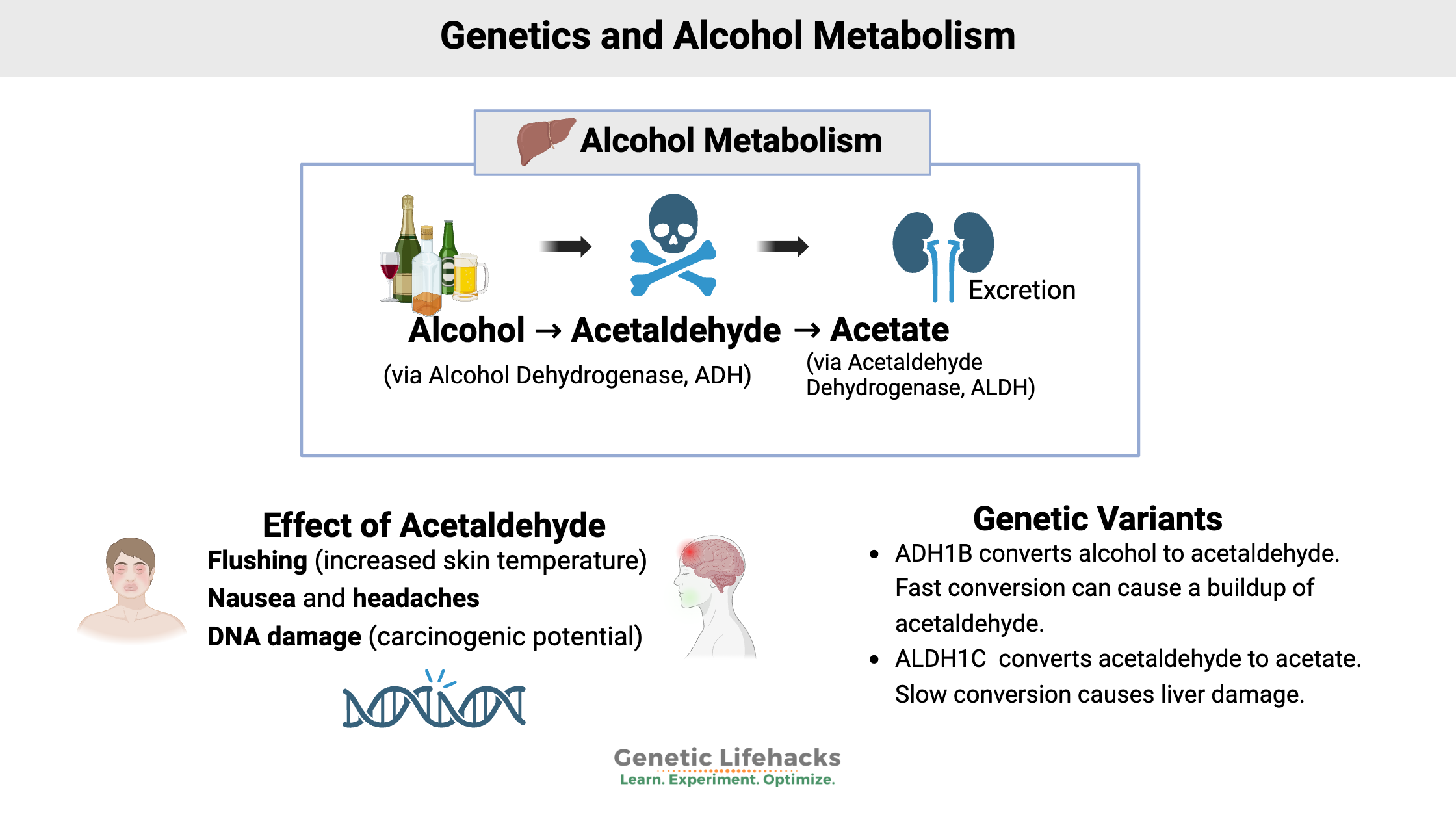
Alcohol metabolism is the biochemical process by which the human body breaks down ingested ethanol into non-toxic byproducts for elimination. Driven primarily by specialized liver enzymes, this metabolic pathway converts ethanol into acetaldehyde, then into acetate, and finally into carbon dioxide and water, operating at a generally fixed rate that biological interventions cannot accelerate.
Biological Foundations and the Physiology of Absorption
When an individual consumes an alcoholic beverage, the ethanol molecules do not require digestion before entering the bloodstream. Absorption begins almost immediately upon contact with the mucous membranes of the mouth and esophagus, though the vast majority of absorption occurs within the stomach and the proximal small intestine.
The rate at which alcohol enters systemic circulation depends heavily on gastric emptying. If food—particularly protein or fat—is present in the stomach, the pyloric sphincter remains closed longer, delaying the passage of ethanol into the small intestine where surface area for absorption is maximized. Conversely, carbonated alcoholic beverages can accelerate gastric emptying, speeding up peak blood alcohol concentration (BAC).
Once absorbed, ethanol distributes rapidly throughout total body water. Because muscle tissue contains significantly more water than adipose tissue, body composition plays a crucial role in initial distribution. Individuals with higher muscle mass and total body water dilute a given dose of alcohol more effectively than those with higher body fat percentages, even at identical body weights. From the systemic circulation, blood delivers the ethanol directly to metabolic organs, with the liver bearing the primary responsibility for transformation and clearance.
The Enzymatic Pathway: From Ethanol to Acetaldehyde and Acetate
The core of alcohol metabolism relies on a multi-step enzymatic cascade designed to dismantle the ethanol molecule systematically. This process unfolds primarily inside hepatocytes, the principal functional cells of the liver, utilizing two main sequential enzymes alongside complementary cellular systems.
Alcohol Dehydrogenase and Acetaldehyde Production
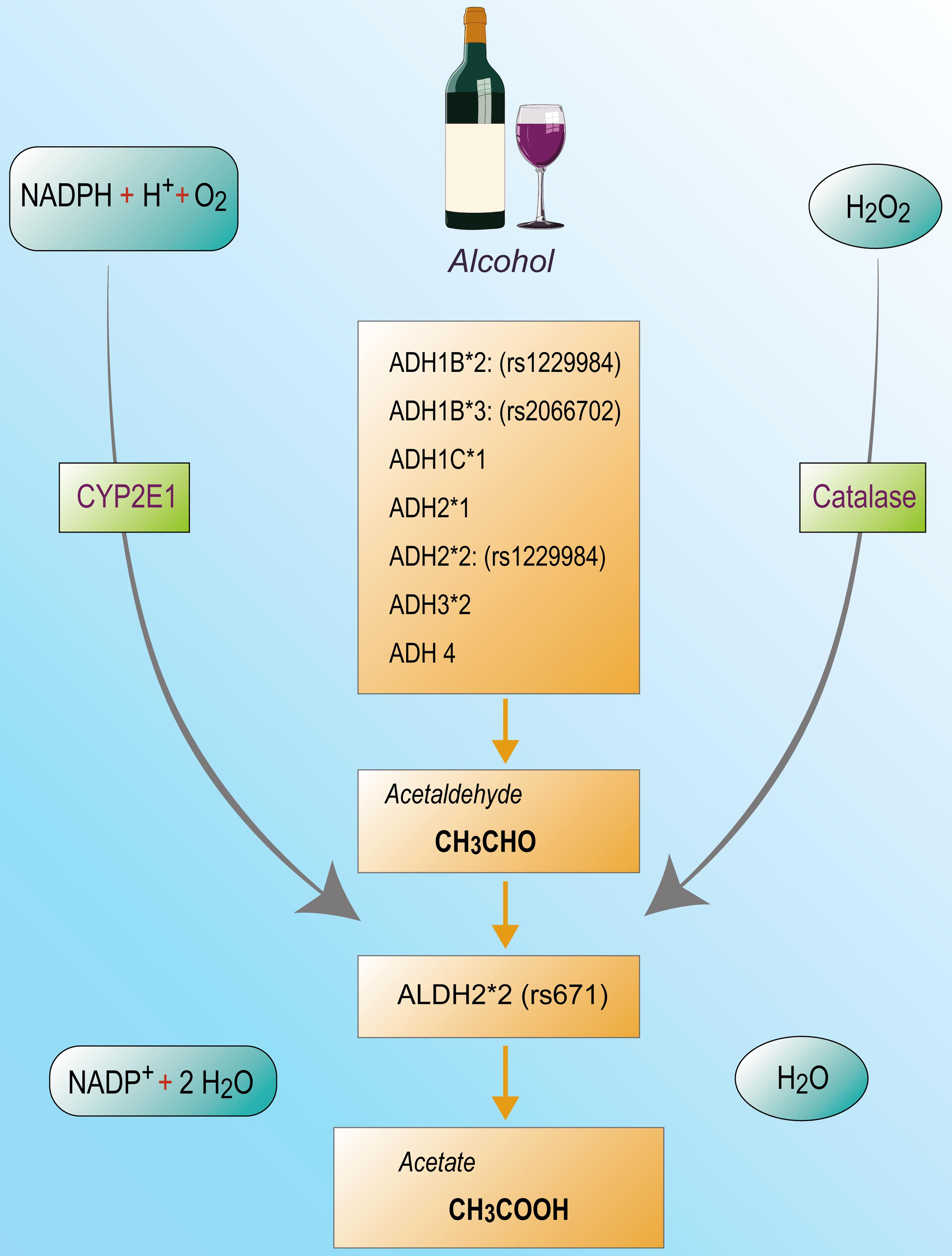
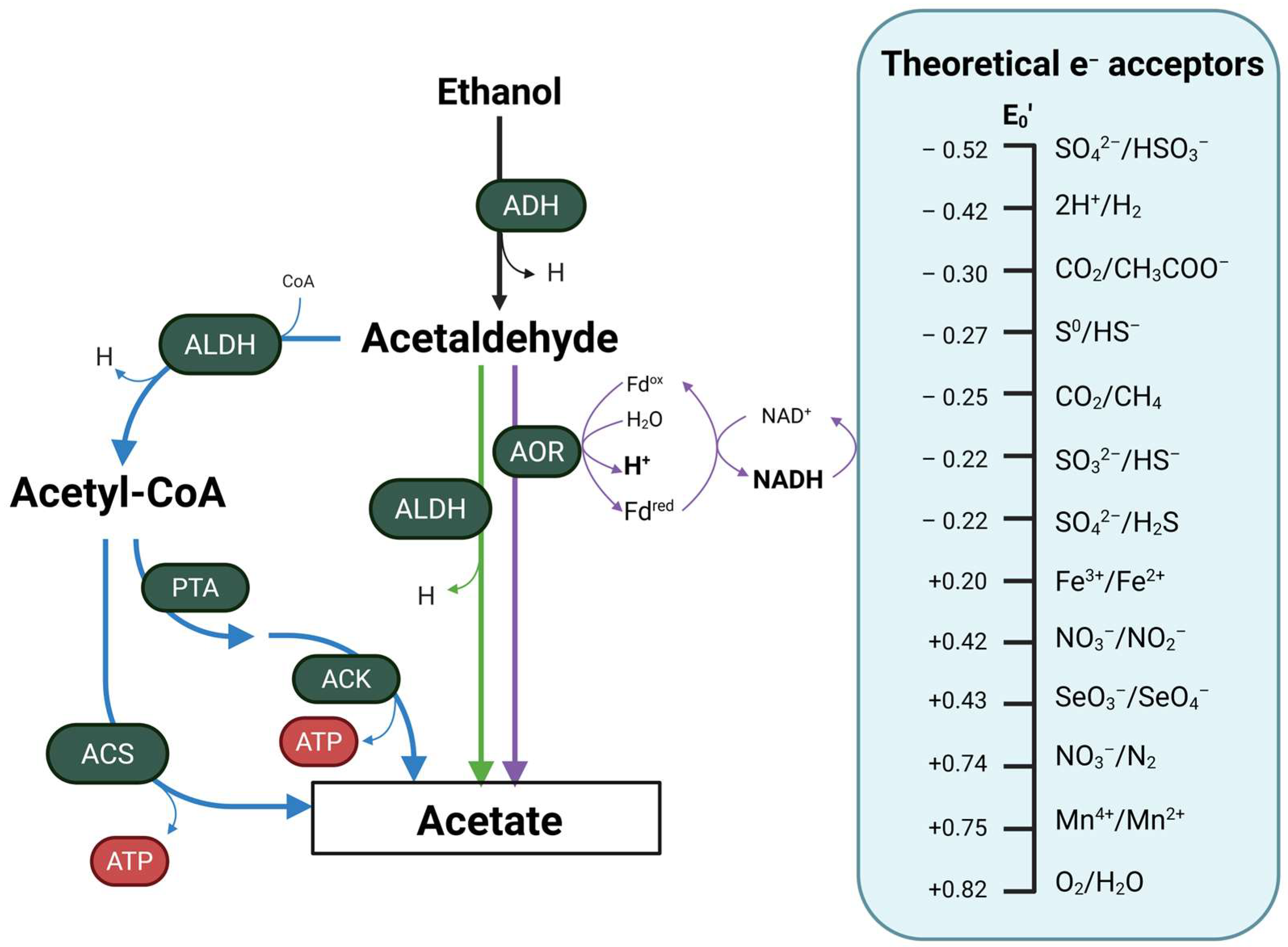
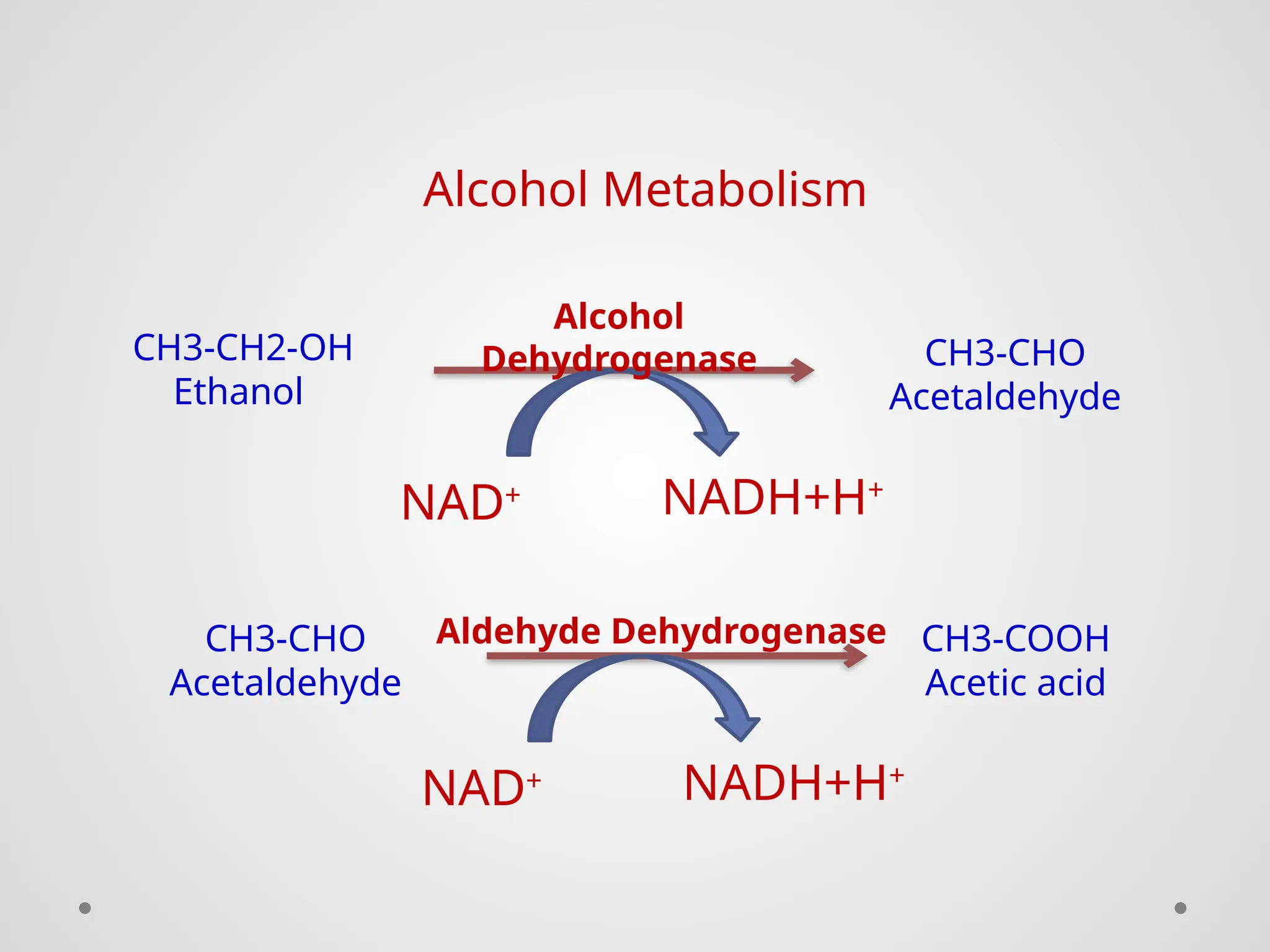
The primary pathway for processing standard amounts of alcohol begins with alcohol dehydrogenase (ADH), a family of cytosolic enzymes found chiefly in the liver, as well as in smaller quantities within the stomach lining. ADH catalyzes the oxidation of ethanol into acetaldehyde by transferring hydrogen atoms from ethanol to the coenzyme nicotinamide adenine dinucleotide (NAD+), converting it into NADH.
Acetaldehyde is a highly reactive, toxic compound and a known group 1 carcinogen. Its accumulation in cellular tissues is responsible for many of the acute adverse physiological effects associated with drinking, including flushing, nausea, and tachycardia. Because acetaldehyde is inherently dangerous to cellular structures, the body must process it rapidly before it can cause widespread oxidative stress or DNA damage.
Aldehyde Dehydrogenase and Acetate Conversion
To neutralize acetaldehyde, a second major enzyme family known as aldehyde dehydrogenase (ALDH)—specifically the mitochondrial isoform ALDH2—takes over. ALDH2 oxidizes acetaldehyde into acetate (acetic acid), a much less toxic molecule, while simultaneously reducing another molecule of NAD+ to NADH.
Acetate does not remain trapped in the liver; it is released directly into the bloodstream where it travels to peripheral tissues, including skeletal muscle and the heart. In these tissues, acetate is converted into acetyl-CoA, which can readily enter the citric acid cycle (Krebs cycle) to be oxidized entirely into carbon dioxide and water, ultimately yielding usable cellular energy in the form of ATP.
| Enzyme / System | Primary Location | Chemical Action | Key Characteristics |
|---|---|---|---|
| Alcohol Dehydrogenase (ADH) | Liver cytosol, stomach lining | Converts ethanol $\rightarrow$ acetaldehyde | Primary pathway; limited by available NAD+. |
| Aldehyde Dehydrogenase (ALDH2) | Liver mitochondria | Converts acetaldehyde $\rightarrow$ acetate | Rapidly neutralizes toxic intermediate; inhibited by certain medications. |
| Microsomal Ethanol Oxidizing System (MEOS) | Endoplasmic reticulum | Converts ethanol $\rightarrow$ acetaldehyde | Inducible pathway; utilizes CYP2E1; increases tolerance with chronic use. |
| Catalase | Peroxisomes (brain, liver) | Minor oxidation of ethanol | Contributes minimally to systemic ethanol clearance in humans. |
Alternative Pathways: The Microsomal Ethanol Oxidizing System and Catalase
While ADH and ALDH handle the bulk of moderate alcohol intake, alternative metabolic routes activate when systemic ethanol concentrations rise significantly or when chronic heavy consumption induces enzymatic adaptation.
The most prominent alternative route is the Microsomal Ethanol Oxidizing System (MEOS), located within the endoplasmic reticulum of hepatocytes. MEOS relies heavily on a specialized cytochrome P450 enzyme known as CYP2E1. Unlike ADH, which operates at a relatively constant baseline capacity, CYP2E1 is highly inducible. Chronic, heavy exposure to ethanol signals the liver to synthesize more CYP2E1 molecules, increasing the liver's capacity to clear alcohol. This enzymatic induction forms the biological basis of functional metabolic tolerance, wherein chronic drinkers process ethanol faster than occasional drinkers.
However, the MEOS pathway comes with metabolic trade-offs. The CYP2E1 system does not produce usable cellular energy; instead, it consumes energy (NADPH) and generates high levels of reactive oxygen species (ROS). These free radicals contribute significantly to oxidative stress, lipid peroxidation, and progressive hepatic injury over time. Catalase, located within cellular peroxisomes, represents a minor third pathway that metabolizes a negligible fraction of ethanol in humans, primarily within the brain.
Factors Influencing Metabolic Rates and Individual Variability
The rate at which the human body metabolizes alcohol is remarkably constant on a population level, but exhibits notable variation among individuals due to genetic, physiological, and environmental variables. On average, the human liver metabolizes alcohol at a rate roughly equivalent to eliminating 0.015 g/dL of blood alcohol concentration per hour, though this varies from 0.010 to 0.030 g/dL/hr depending on physiological context.
Genetic polymorphisms in the genes encoding ADH and ALDH significantly alter individual metabolic experiences. For example, certain genetic variants common in East Asian populations produce a highly active form of ADH or an inactive form of ALDH2. When individuals with an inactive ALDH2 variant consume alcohol, acetaldehyde accumulates rapidly, triggering severe flushing, headaches, nausea, and cardiovascular discomfort. This physiological reaction effectively limits heavy consumption and alters the risk profile for alcohol dependence.
Biological sex also influences alcohol metabolism. Women generally possess lower gastric ADH activity and a smaller total volume of distribution for water-soluble substances compared to men of similar weight and height. Consequently, consuming identical amounts of alcohol often results in higher peak blood concentrations in women. Age further impacts metabolism; as hepatic blood flow and functional hepatocyte mass decline with advanced age, the clearance rate slows down noticeably.
Practical Management and Health Implications of Metabolic Limits
Understanding the fixed biochemical nature of alcohol metabolism carries significant implications for personal safety, pharmacology, and health management. Because enzymes like ADH and ALDH operate near saturation during standard drinking episodes, external interventions—such as cold showers, vigorous exercise, hydration, or caffeinated beverages—cannot accelerate the clearance of ethanol from the bloodstream. Time remains the sole physiological mechanism capable of reducing blood alcohol concentration.
Furthermore, the hepatic metabolic pathways for alcohol intersect with numerous other biochemical processes. Because ADH and MEOS deplete cellular stores of NAD+ while generating excess NADH, the normal redox balance of the liver is disrupted. This disruption inhibits gluconeogenesis (the production of new glucose), predisposing individuals to hypoglycemia, and promotes lipid accumulation within hepatocytes, contributing to hepatic steatosis or fatty liver disease.
For individuals taking prescription medications, competitive inhibition within the liver's cytochrome P450 enzyme network can cause dangerous drug interactions. Because enzymes like CYP2E1 must process both ethanol and various pharmaceutical agents, concurrent presence can either dangerously amplify drug concentrations or blunt therapeutic efficacy. Professional medical guidance is essential for evaluating individual health risks, medication interactions, and hepatic health status.
Frequently Asked Questions
Can drinking water or exercising speed up alcohol metabolism?
No. Water prevents dehydration and exercise can increase alertness, but neither can alter the fixed catalytic rate of liver enzymes. Only elapsed time allows the liver to clear ethanol from the bloodstream.
Why do some people flush red when they drink alcohol?
Facial flushing is typically caused by a genetic variation resulting in deficient aldehyde dehydrogenase (ALDH2) activity. This deficiency leads to a rapid buildup of toxic acetaldehyde in the bloodstream, causing vasodilation, elevated heart rate, and skin flushing.
Does the liver metabolize alcohol at a constant rate?
Yes, under normal physiological conditions, the human liver metabolizes alcohol at a remarkably constant, zero-order kinetic rate. This means a fixed amount of alcohol is eliminated per hour, regardless of how high the initial blood concentration is.
How does chronic drinking change alcohol metabolism?
Chronic heavy drinking induces the Microsomal Ethanol Oxidizing System (MEOS), specifically upregulating the CYP2E1 enzyme. This enzymatic adaptation increases the rate at which the liver can process ethanol, contributing to metabolic tolerance.
Why do men and women metabolize alcohol differently?
Biological differences in body composition—specifically lower total body water percentages and higher relative body fat in women—along with lower gastric alcohol dehydrogenase activity, result in higher peak blood alcohol concentrations from equivalent amounts of alcohol.
Next Actions and Clinical Guidance
To accurately assess individual health risks related to alcohol consumption or to evaluate hepatic function, consult a qualified healthcare professional or primary care physician. If you or someone you know requires support regarding alcohol use or metabolic health, contact local public health resources, certified addiction medicine specialists, or national support helplines for personalized guidance and evidence-based care.