Alcohol marketing encompasses the array of promotional strategies, public relations campaigns, digital engagement tactics, and sponsorships deployed by beverage alcohol producers to build brand equity and drive consumer acquisition. Because alcohol is an intoxicating commodity capable of causing significant public health and societal harm, its promotion is subject to a complex, multi-layered framework of statutory laws, administrative codes, and industry self-regulations designed to protect vulnerable populations and promote moderation.
Historical Evolution and Regulatory Frameworks
The oversight of alcohol promotion has transitioned from localized, fragmented censorship to comprehensive, cross-jurisdictional governance involving international standards, federal enforcement bodies, and voluntary industry codes. Historically, governments treated beverage promotion with broad laissez-faire attitudes, provided the content avoided outright fraud. However, rising public health concerns regarding underage drinking, binge consumption, and alcohol-related health issues catalyzed legislative interventions throughout the twentieth and twenty-first centuries.
In many jurisdictions, statutory regulations are split between absolute bans on certain media channels and conditional permissions based on content. For example, federal agencies enforce strict truth-in-advertising laws, requiring that claims regarding alcoholic content, origin, and quality be substantiated. Furthermore, statutory frameworks generally prohibit marketing that targets minors, depicts hazardous activities like driving under the influence, or associates consumption with enhanced social, athletic, or sexual success.
Complementing statutory law are stringent self-regulatory codes established by trade associations and advertising bureaus. These voluntary frameworks often mirror or exceed legal mandates, compelling producers to submit creative assets to independent review boards before public dissemination. Compliance with these self-regulatory codes acts as a vital buffer against government intervention, encouraging responsible marketing behaviors across beer, wine, and spirits sectors.
Digital Media, Social Platforms, and Algorithmic Targeting
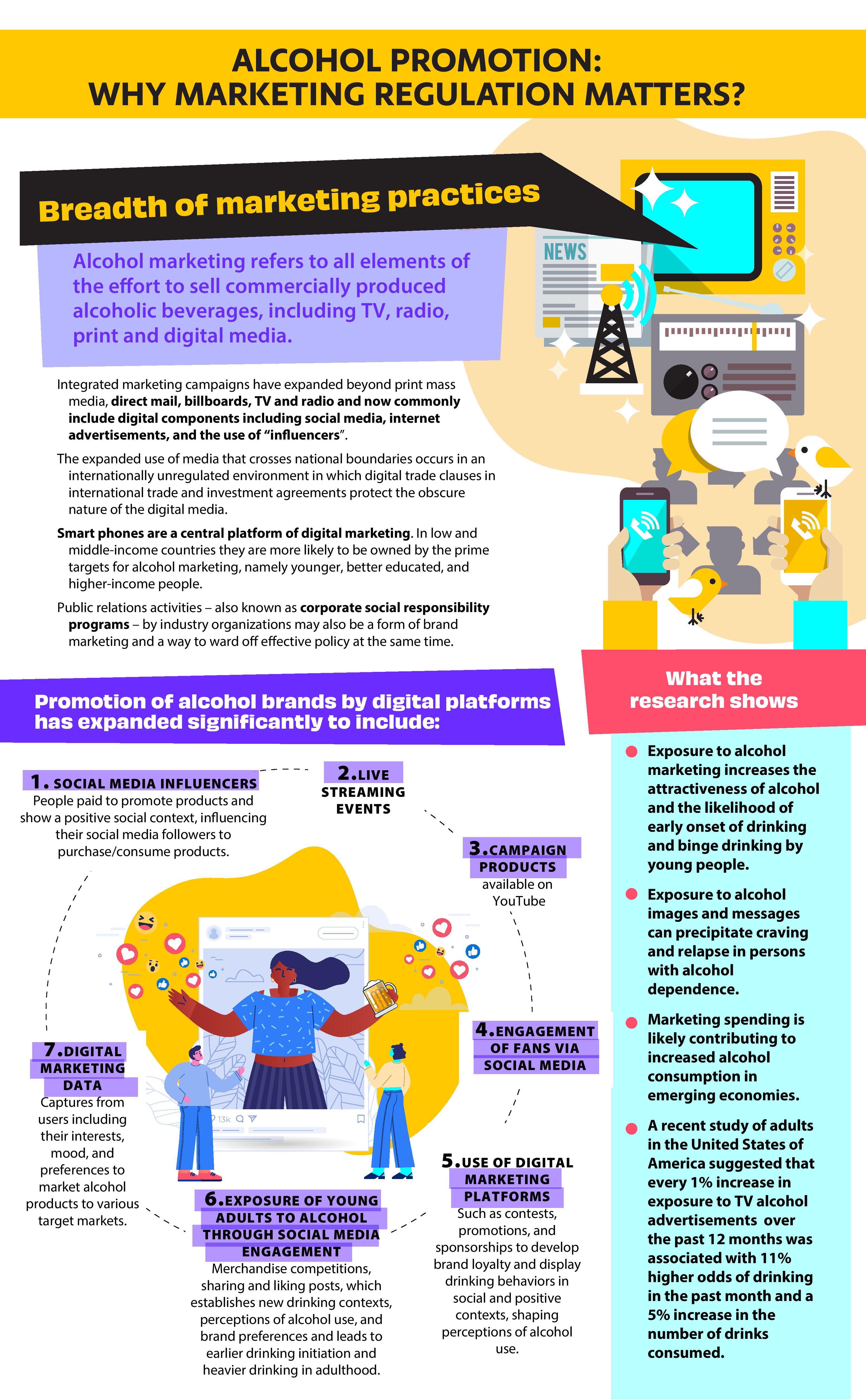
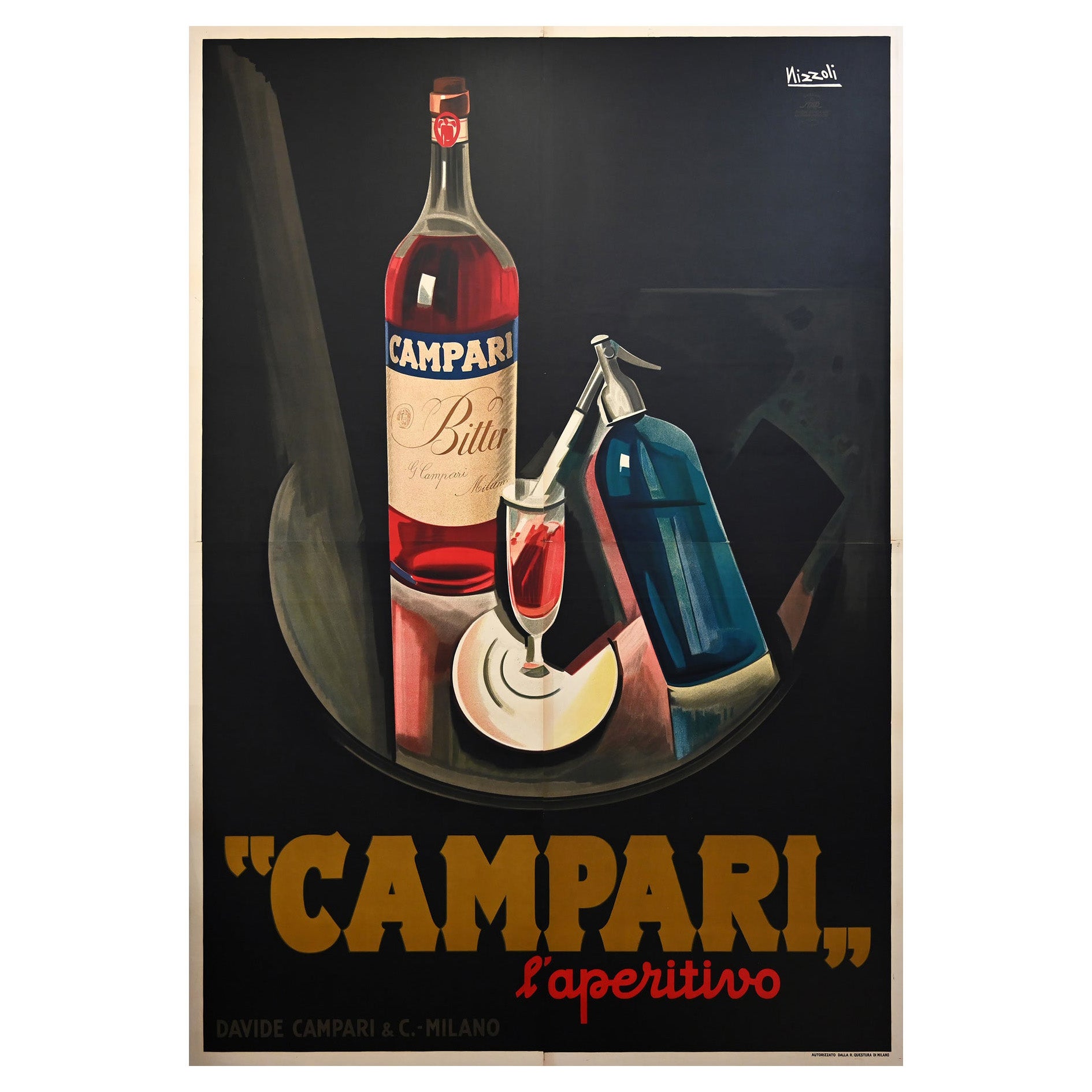
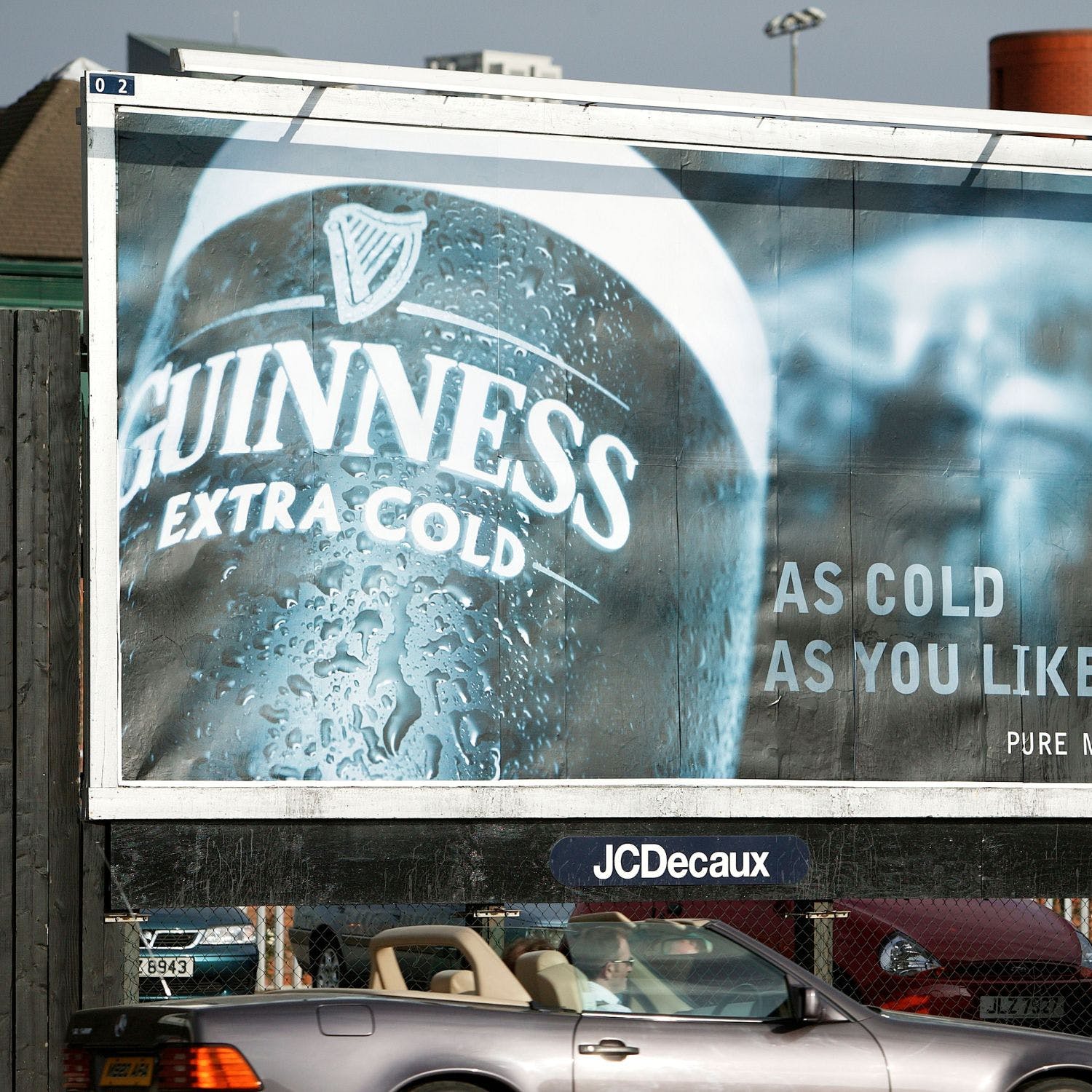
The shift from traditional broadcast media—such as television, radio, and print—to digital and social media ecosystems has fundamentally transformed how alcohol brands reach consumers. Digital platforms offer unprecedented audience granularity, allowing advertisers to filter users by precise demographics, psychographics, browsing behaviors, and geographic locations. This hyper-targeting capability, however, introduces acute regulatory and ethical challenges regarding minor protection and data privacy.
Major social media networks enforce strict platform-specific policies regarding alcohol advertising. These policies typically require age-gating mechanisms to restrict ad visibility to users who meet or exceed the legal drinking age of the target jurisdiction. Despite these protocols, verifying user age online remains imperfect, prompting continuous scrutiny from public health advocates and regulatory bodies. Algorithmic content delivery systems further complicate compliance, as machine learning models optimized for engagement may inadvertently serve promotional content to underage accounts that have manipulated their profile data.
Influencer marketing and user-generated content represent another dynamic front in digital alcohol promotion. Brands frequently partner with social media creators, lifestyle influencers, and micro-influencers to showcase products in authentic, everyday settings. Regulatory authorities mandate that these partnerships maintain clear disclosure standards—such as using distinct hashtags like #ad or #sponsored—to ensure consumers instantly recognize commercial relationships. Failure to disclose material connections between brands and influencers can result in severe enforcement actions by consumer protection agencies.
Sponsorships, Experiential Events, and Sponsorship Limitations
Beyond digital and broadcast channels, alcohol marketing relies heavily on experiential engagement, including music festival sponsorships, professional sports team partnerships, and branded hospitality installations. These high-visibility investments allow brands to embed themselves within cultural moments and build emotional connections with adult consumers in communal environments.
However, sports and entertainment sponsorships face rigorous scrutiny due to their broad audience reach, which frequently includes substantial demographics of underage viewers and attendees. Regulatory bodies and sports governing authorities often impose strict limits on where and how alcohol branding can appear. For instance, stadium signage restrictions may dictate maximum dimensions, placement proximity to playing surfaces, and the total duration of brand exposure during televised broadcasts.
Experiential marketing campaigns must also navigate local municipal licensing laws and venue-specific policies. Brand activations at public festivals typically require dedicated, age-verified perimeter enclosures to prevent minors from accessing promotional sampling areas or consuming alcoholic beverages. Producers must balance the commercial imperative to maximize brand visibility with the absolute legal requirement to prevent underage exposure and maintain public safety.
Public Health Impacts and Ethical Considerations
The intersection of alcohol marketing and public health remains a subject of intense academic research and policy debate. Public health researchers study the dose-response relationship between marketing exposure and consumption patterns, particularly among adolescents and young adults. Studies consistently suggest that high exposure to alcohol marketing correlates with earlier initiation of drinking and higher rates of heavy episodic consumption among underage cohorts.
In response to these findings, ethical alcohol marketing guidelines emphasize the promotion of moderation and the discouragement of irresponsible consumption behaviors. Responsible drinking messaging—often encapsulated in standardized disclaimers such as "Please Drink Responsibly"—has become a ubiquitous element of commercial campaigns. However, public health advocates frequently debate the efficacy of these disclaimers, arguing that subtle imagery often overshadows explicit warnings.
To maintain social license, leading producers increasingly invest in corporate social responsibility initiatives, funding educational campaigns on designated driving, mental health, and moderation. These efforts attempt to reconcile commercial growth objectives with the societal imperative to mitigate the negative externalities associated with alcohol misuse.
Comparative Overview of Marketing Channels
| Marketing Channel | Primary Advantage | Key Regulatory Challenge | Typical Compliance Mechanism |
|---|---|---|---|
| Television & Radio | Broad reach and high cultural visibility | Strict watershed hours and content bans | Pre-clearance boards and statutory time restrictions |
| Social Media | Hyper-targeted demographics and engagement | Age verification vulnerabilities and data privacy | Platform age-gating and algorithmic filtering |
| Influencer Partnerships | High authenticity and peer trust | Undisclosed sponsorships and minor exposure | Mandatory disclosure tags (#ad) and contract vetting |
| Live Event Sponsorships | Immersive experiential brand building | Mixed-age audiences and stadium restrictions | Age-verified perimeter enclosures and signage limits |
Frequently Asked Questions
What are the legal age requirements for viewing alcohol marketing online?
Digital alcohol marketing generally requires users to meet the legal drinking age of the specific country or jurisdiction where the ad is served. Platforms utilize age-gating tools, requiring users to input their date of birth before accessing brand websites or viewing age-restricted social media content, though enforcement relies heavily on self-reported data.
How do regulatory bodies monitor digital influencer campaigns for alcohol?
Consumer protection agencies and advertising standards authorities monitor influencer content through automated web scraping, consumer complaints, and targeted audits. Creators and brands are legally required to ensure that any financial compensation, free product provision, or contractual relationship is explicitly and conspicuously disclosed.
Are alcohol brands allowed to link consumption with athletic success?
Most statutory laws and voluntary industry codes strictly prohibit marketing that links alcohol consumption with athletic prowess, physical coordination, or motor vehicle operation. Advertisements must not depict drinking in hazardous situations or suggest that alcohol enhances physical performance or social status.
What is the role of self-regulatory codes in alcohol marketing?
Self-regulatory codes are voluntary guidelines established and maintained by industry trade associations. They provide a flexible mechanism for reviewing creative assets, resolving consumer complaints, and establishing responsible marketing standards without requiring direct legislative intervention.
Can alcohol advertisements feature cartoon characters or youth-oriented themes?
Regulatory codes universally prohibit the use of cartoon characters, symbols, or personalities that possess strong appeal to minors. Marketing assets must not target individuals below the legal drinking age through imagery, music styles, or cultural references traditionally associated with childhood or adolescence.
Strategic Execution and Compliance Management
Organizations operating within the beverage alcohol sector must institute robust internal compliance protocols to navigate this complex regulatory environment successfully. Establishing a multidisciplinary review process involving legal counsel, compliance officers, and creative teams ensures that all promotional assets adhere to local statutory limits and voluntary industry codes before launch. Brands should maintain comprehensive documentation of target audience demographics, platform age-verification settings, and influencer disclosure agreements to mitigate legal exposure and safeguard brand reputation.