Alcohol labeling serves as the critical intersection between consumer protection, public health policy, and commercial branding. It dictates how manufacturers convey essential product information, alcohol-by-volume percentages, health warnings, and allergen disclosures to the public while adhering to strict regulatory frameworks.
Regulatory Frameworks and Governing Authorities
The governance of alcohol labeling is split among specialized government agencies designed to oversee public health, fair trade, and consumer safety. Understanding these regulatory bodies is the first prerequisite for any producer, importer, or distributor bringing alcoholic beverages to market.
In the United States, the Alcohol and Tobacco Tax and Trade Bureau (TTB), a bureau of the Department of the Treasury, holds primary jurisdiction over the labeling of malt beverages, wine, and distilled spirits. Under the Federal Alcohol Administration Act (FAA Act), the TTB mandates that commercial containers bear labels containing specific mandatory information before they can be sold or introduced into interstate commerce. Concurrently, the U.S. Food and Drug Administration (FDA) exercises authority over certain alcoholic beverages that fall outside the strict definitions of the FAA Act, such as beers brewed from ingredients other than malted barley and hops, or low-alcohol wines.
International markets operate under equally stringent, distinct oversight bodies. In the European Union, Regulation (EU) No 1169/2011 on the provision of food information to consumers, alongside sector-specific regulations from the European Commission, governs alcoholic beverage presentation. Similarly, agencies such as Food Standards Australia New Zealand (FSANZ) and Health Canada enforce strict domestic standards that often require unique warning statements, localized metric measurements, and specific nutritional or ingredient disclosure thresholds. Navigating these overlapping jurisdictions requires careful alignment with local statutory instruments, as a label approved in one country frequently violates the legal mandates of another.
Mandatory Information Requirements on Commercial Containers
Every commercial alcohol label must incorporate a standardized set of mandatory disclosures to ensure fair trade and consumer transparency. While the exact formatting and placement rules vary slightly depending on whether the beverage is classified as malt, wine, or spirit, the core informational components remain remarkably consistent across major global markets.
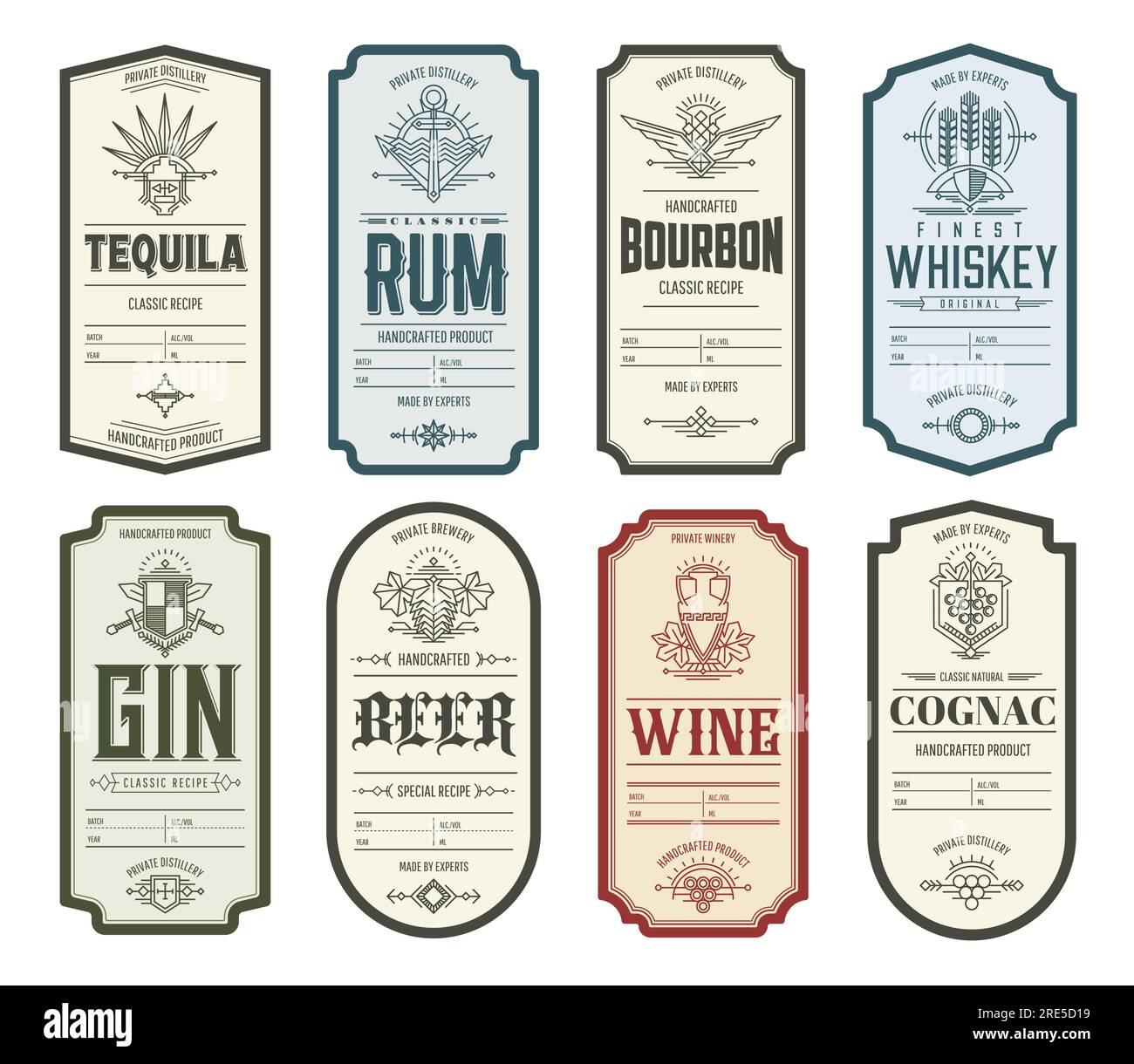
The brand name and the class, type, or designation of the product must appear clearly on the front-facing label. This designation must accurately describe the contents, such as "straight bourbon whiskey," "table wine," or "india pale ale," preventing misleading consumer perceptions. Alongside product identity, the net contents of the container must be displayed prominently, typically expressed in metric units such as milliliters (mL) or liters (L), often accompanied by fluid ounces for the U.S. market.
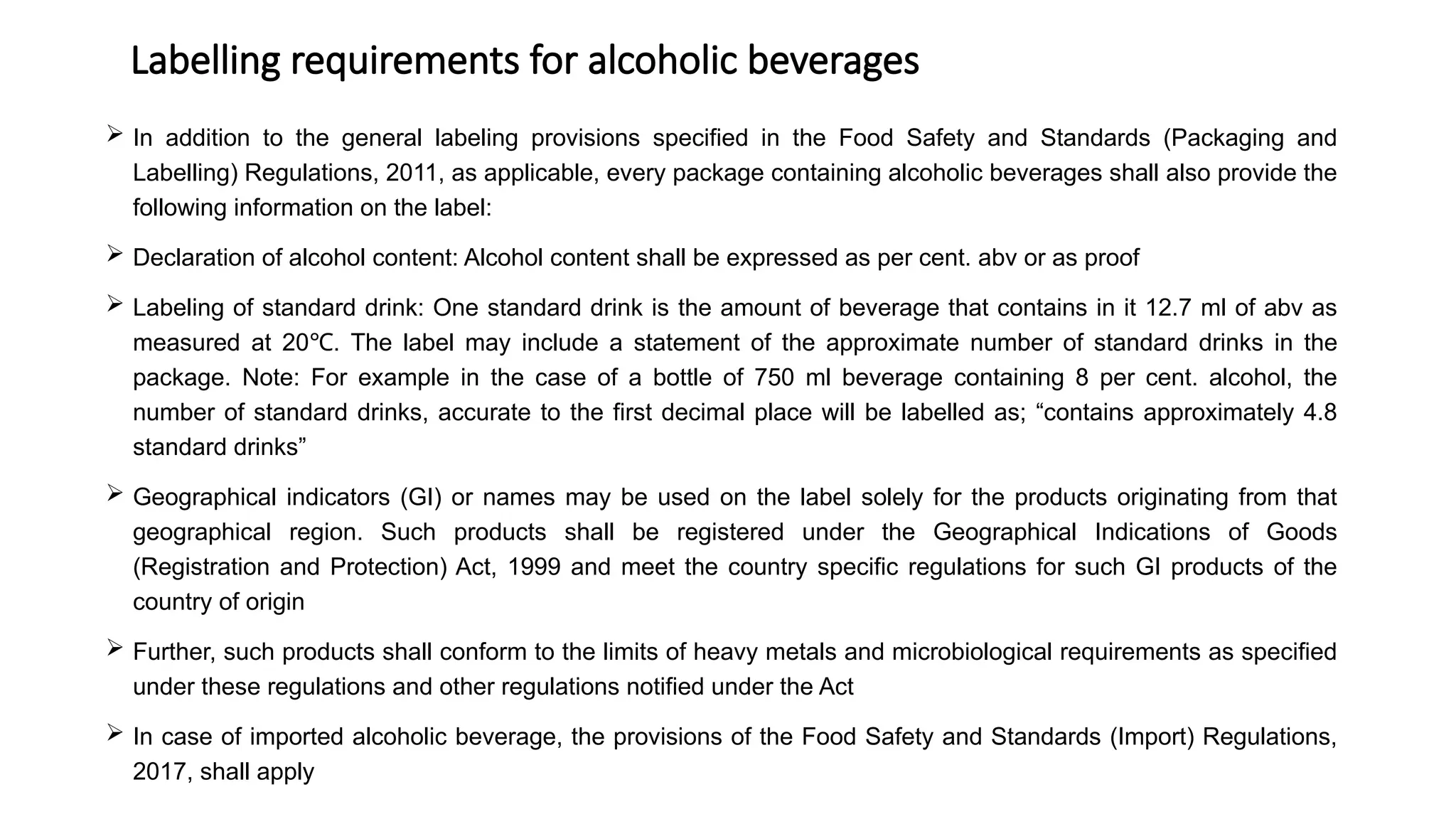
Alcohol content is another non-negotiable requirement. For most distilled spirits and wines, this is expressed as alcohol by volume (ABV) as a percentage, though U.S. regulations historically permitted or required proof statements for spirits. The placement and typography of the ABV must meet strict legibility guidelines regarding font size, contrast with the background, and visibility relative to other label elements.
Health Warnings and Statutory Disclosures
Public health mandates have fundamentally transformed alcohol labeling, making statutory health warnings a mandatory component of container design. These warnings balance commercial speech rights with the government's compelling interest in informing consumers about the physiological risks associated with alcohol consumption.
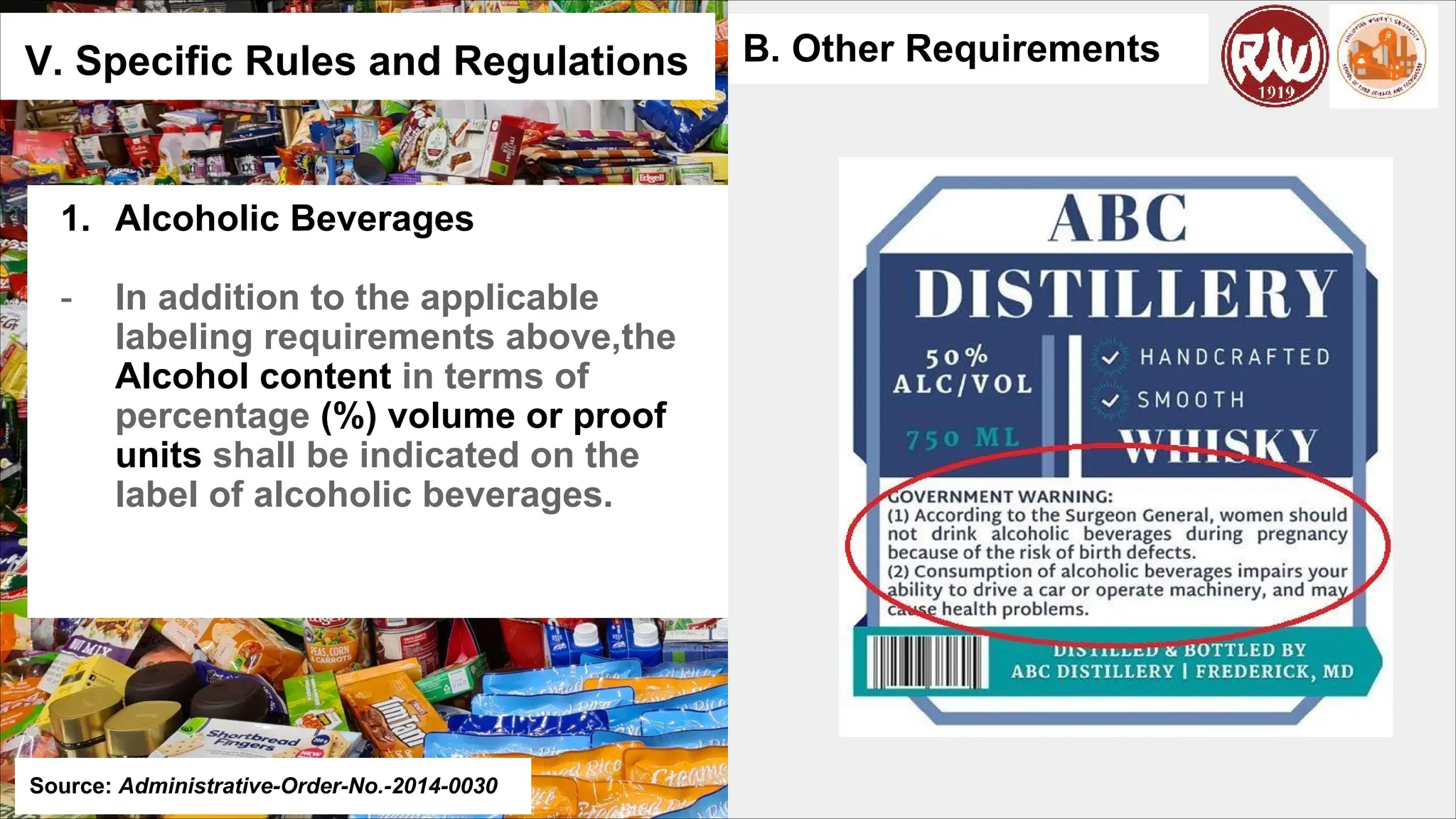
In the United States, the Alcoholic Beverage Labeling Act (ABLA) of 1988 mandates the inclusion of the official Government Warning on all containers of alcoholic beverages containing not less than 0.5 percent alcohol by volume. The statutory text must appear exactly as legislated:
GOVERNMENT WARNING: (1) According to the Surgeon General, women should not drink alcoholic beverages during pregnancy because of the risk of birth defects. (2) Consumption of alcoholic beverages impairs your ability to drive a car or operate machinery, and may cause health problems.
This warning must be printed in a legible, prominent font, contrasting sharply with its background, and must appear on the container independent of other branding text.
International jurisdictions enforce parallel or expanded health messaging. For instance, countries like the Republic of Ireland have advanced comprehensive mandatory labeling laws requiring direct cancer warnings and liver disease disclosures. Other nations utilize standardized pictograms or advisory symbols to warn pregnant consumers and discourage underage drinking. Failure to incorporate these exact statutory warnings results in immediate rejection of label approval applications, administrative penalties, and the potential seizure of non-compliant commercial goods.
| Jurisdiction | Primary Governing Agency | Mandatory Health Warning Focus | Core ABV Tolerance Limits |
|---|---|---|---|
| United States | TTB / FDA | Surgeon General Warning (Pregnancy & Machinery) | ± 0.3% to ± 1.0% depending on beverage class |
| European Union | European Commission / National Authorities | Variable national warnings / Upcoming mandatory ingredient lists | ± 0.3% to ± 0.8% standard variance |
| Canada | Canadian Food Inspection Agency (CFIA) | Pregnancy warning symbols / Standard drink labeling initiatives | Strict adherence to declared value |
| Australia / New Zealand | FSANZ | Pregnancy warning labels with mandatory red/black icon | Exact compliance required per testing standards |
Allergen Disclosures and Ingredient Transparency
As consumer demand for ingredient transparency grows, regulatory bodies are tightening the rules regarding what must be declared on an alcohol label beyond basic identity and ABV. Historically exempt from comprehensive ingredient labeling due to traditional production methods, alcoholic beverages are facing renewed scrutiny regarding allergens and nutritional content.
Major food allergens—such as milk, eggs, fish, shellfish, tree nuts, peanuts, wheat, soybeans, and sesame—frequently find their way into alcoholic beverages during the fining, filtering, or flavoring processes. Under current U.S. and international rules, if these allergens are present in the final packaged product, even as processing aids that leave trace residues, explicit allergen advisory statements are often required. The TTB, for example, maintains voluntary guidelines that many producers adopt proactively to protect sensitive consumer populations, while the European Union enforces mandatory allergen highlighting on ingredient lists.
Nutritional labeling represents the next frontier in alcohol compliance. While standard beers, wines, and spirits were traditionally exempt from providing per-serving calorie, carbohydrate, and fat disclosures, modern regulatory shifts are dismantling these exemptions. Producers aiming to market "light" or "diet" variants must substantiate their claims through rigorous laboratory analysis, ensuring that declared nutritional values fall within permitted statistical tolerances.
The Label Approval and Verification Process
Before an alcohol container can enter commercial channels, its label must undergo rigorous pre-market review and approval. This verification workflow acts as a gatekeeper, preventing deceptive marketing and ensuring complete statutory compliance before financial resources are committed to mass production.
In the U.S., producers and importers submit their proposed artwork through online portals such as the TTB’s COLAs Online (Certificate of Label Approval) system. The submission requires digital copies of all label panels, detailed information regarding formula composition (where applicable), and exact specifications for container sizes. Review specialists examine every line of text, checking for prohibited health claims, misleading geographic designations, and proper placement of mandatory warnings.
- Product Formulation & Classification Review
- Determine if formula approval (e.g., COLAs for spirits) is required prior to labeling.
- Draft Artwork Creation
- Incorporate brand identity, net contents, ABV, and mandatory statutory warnings.
- Regulatory Submission
- Upload digital label panels and supporting documents to the relevant agency portal (e.g., TTB COLAs Online).
- Compliance Verification & Revision
- Address agency feedback, correct font size or contrast issues, and secure final approval certificate.
Navigating this workflow successfully requires meticulous attention to detail. Common pitfalls that trigger rejections include insufficient font contrast, missing country of origin statements, unauthorized use of organic or health-related terminology, and discrepancies between the stated alcohol percentage and laboratory test results. Securing approval can take anywhere from a few days to several weeks depending on agency backlog, making early submission a critical operational milestone for product launch schedules.
Intellectual Property, Trademarks, and Consumer Protection
Beyond public health and statutory disclosures, alcohol labeling operates within a complex landscape of intellectual property law and fair trade practices. A label is not merely a regulatory compliance document; it is a primary commercial asset that must respect existing trademark rights while defending its own unique brand identity.
Producers must conduct comprehensive trademark searches before finalizing label designs to avoid infringement lawsuits or forced rebranding campaigns. This includes checking federal and international trademark databases for confusingly similar brand names, stylized logos, and distinctive trade dress. Furthermore, regulatory agencies enforce strict rules against deceptive or misleading brand names. For instance, a label cannot display a geographical indication (such as "Champagne" or "Cognac") unless the product genuinely originates from that legally protected region, adhering to international trade agreements and appellation laws.
Consumer protection laws also penalize deceptive marketing practices, including unsubstantiated quality claims, exaggerated age statements on spirits, or misleading depictions of production methods. Labels that imply therapeutic or curative benefits from alcohol consumption are universally prohibited by regulatory authorities worldwide. Balancing creative marketing with strict legal constraints remains one of the most challenging aspects of commercial label design.
Frequently Asked Questions
What is the primary purpose of the TTB COLA system in the United States?
The Certificate of Label Approval (COLA) system ensures that all malt beverages, wines, and distilled spirits sold in interstate commerce comply with federal labeling regulations regarding identity, warning statements, and consumer protection before they are marketed.
Are alcoholic beverage manufacturers legally required to list ingredients on labels?
Requirements vary significantly by jurisdiction and beverage type. While ingredient and calorie labeling has historically been exempt or voluntary for many traditional beers, wines, and spirits, modern regulatory shifts in regions like the European Union increasingly mandate comprehensive ingredient and nutritional disclosures.
What exact text is required for the U.S. Government Health Warning?
The statutory warning must state: "GOVERNMENT WARNING: (1) According to the Surgeon General, women should not drink alcoholic beverages during pregnancy because of the risk of birth defects. (2) Consumption of alcoholic beverages impairs your ability to drive a car or operate machinery, and may cause health problems."
How is alcohol-by-volume (ABV) required to be displayed on labels?
ABV must be expressed as a percentage, typically accompanied by the abbreviation "ABV" or spelled out as "alcohol by volume." Regulatory bodies enforce strict standards regarding font size, legibility, and contrast to ensure the information is immediately visible to consumers.
What are the most common reasons for alcohol label application rejections?
Common causes for rejection include inadequate font size or low contrast for mandatory warning statements, missing net contents or country-of-origin disclosures, unverified geographical names, and discrepancies in the stated alcohol percentage relative to product classification rules.
Do allergen disclosures apply to alcoholic beverages?
Yes, if major food allergens such as milk, eggs, fish, tree nuts, or wheat are used in production and leave traceable residues in the final product, many regulatory agencies require explicit allergen statements to protect sensitive consumer groups.
Ensuring Ongoing Compliance and Next Actions
Achieving regulatory compliance for alcohol labeling is an ongoing operational commitment rather than a one-time administrative hurdle. Producers and importers must continuously monitor evolving statutory guidelines, international trade agreements, and shifting public health mandates across every target market. To protect your business from costly product recalls, border detentions, and administrative fines, establish a standardized internal review protocol that cross-references all new label iterations against current regulatory checklists before submitting them to governing authorities. Engage compliance specialists or legal counsel early in the product development lifecycle to streamline approval workflows and safeguard your brand's market access.