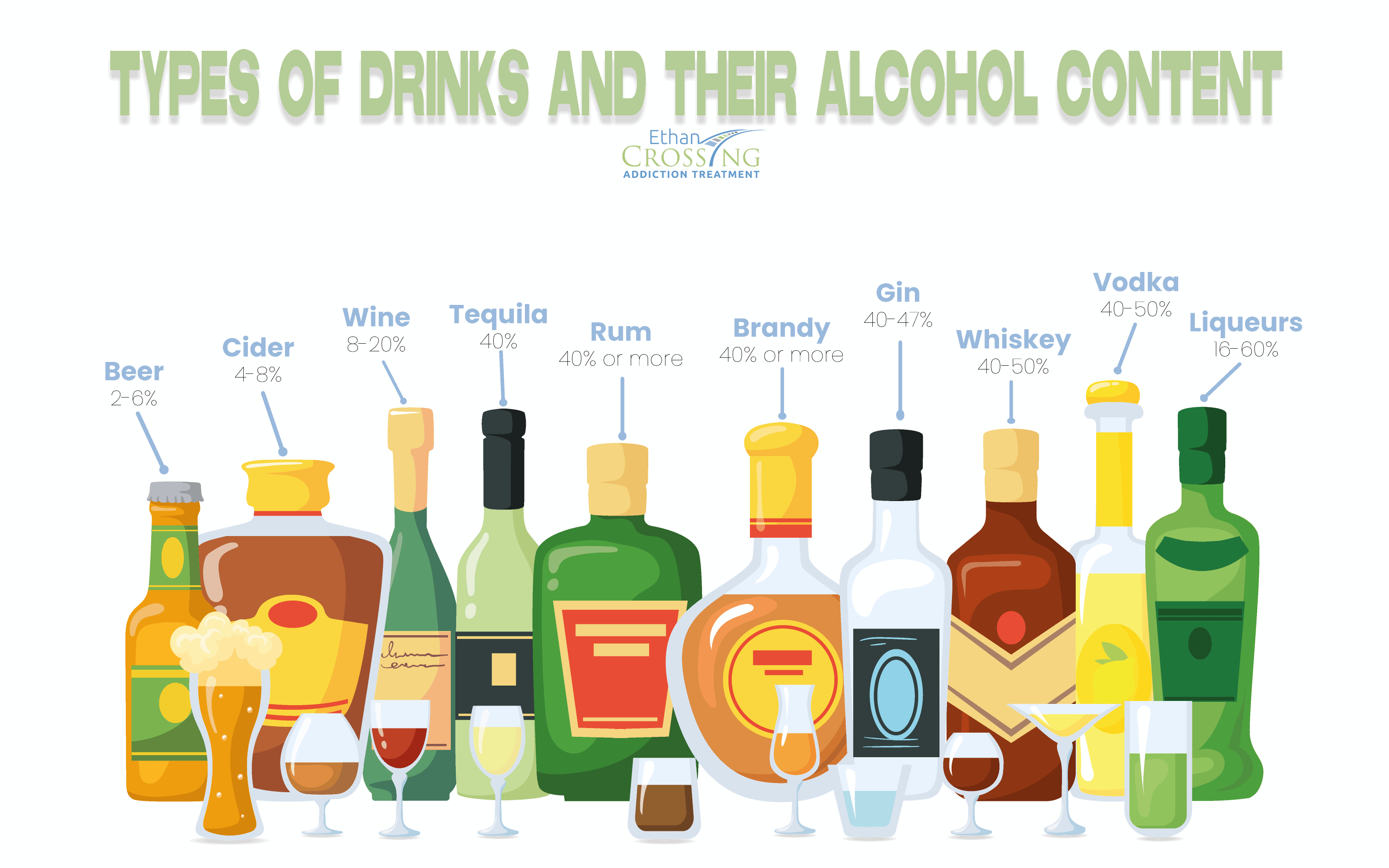
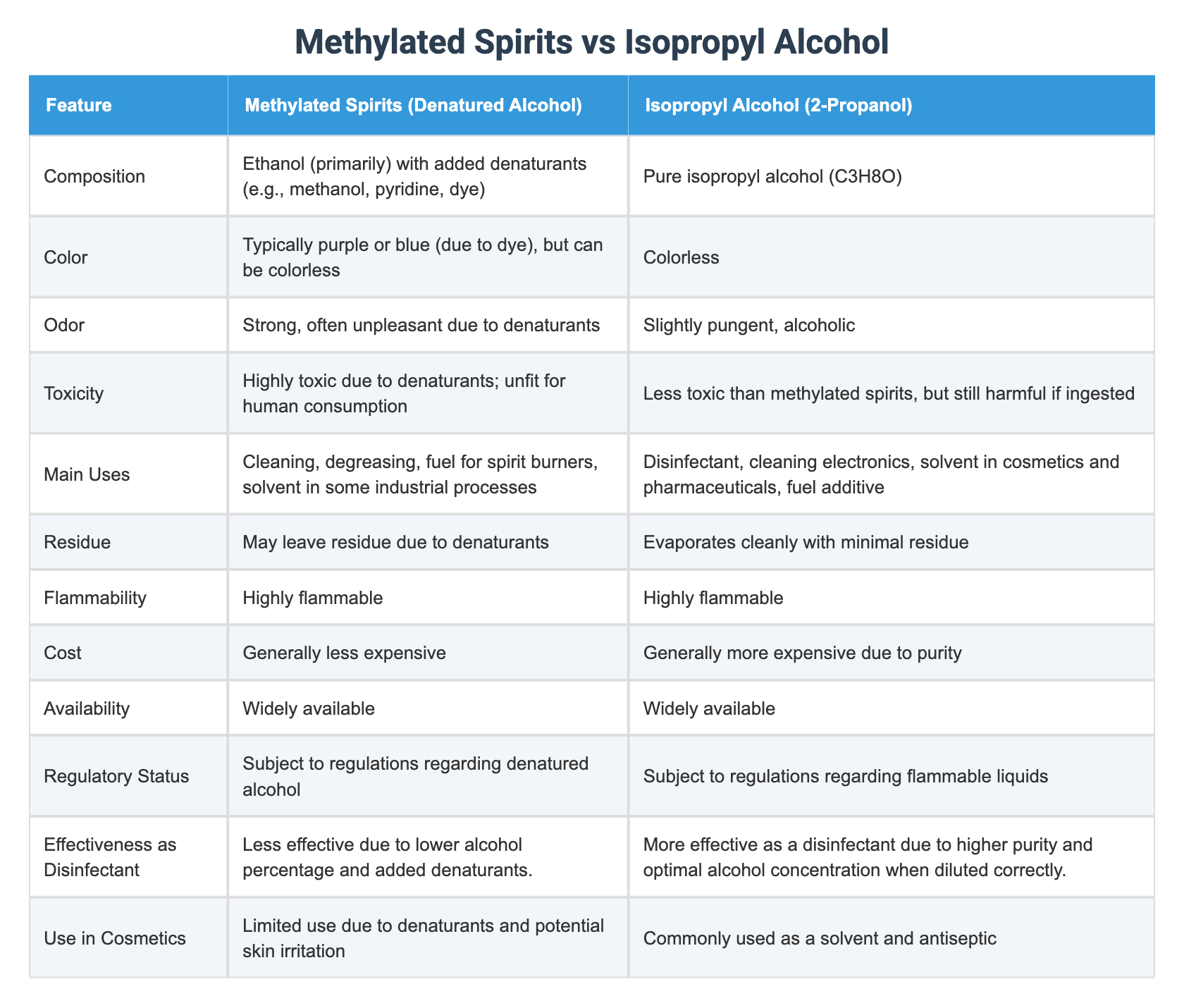
Alcohol drinking and spirits encompass a vast global industry defined by centuries of tradition, rigorous chemical processes, and distinct cultural practices. Spirits are alcoholic beverages produced by the distillation of grains, fruits, vegetables, or sugars that have already undergone alcoholic fermentation, distinguishing them from fermented-only beverages like beer and wine.
The history and chemistry of alcohol drinking and spirits reflect a complex interplay between human culture, agricultural practices, and public health considerations. From ancient distillation methods utilized by alchemists to modern industrial production facilities adhering to strict regulatory standards, the landscape of alcoholic spirits continues to evolve. Whether examining the regional appellations of European brandies or the botanical formulations of contemporary craft gins, understanding the technical characteristics, classification systems, and physiological impacts of these beverages is essential for consumers, producers, and public health advocates alike.
Defining Spirits and the Distillation Process
At its core, a spirit is an alcoholic beverage characterized by a high alcohol-by-volume (ABV) content achieved through distillation. While fermented beverages such as beer and wine typically range from 3% to 15% ABV, spirits generally begin around 20% ABV and frequently reach 40% ABV or higher. The defining characteristic of all spirits is the separation and concentration of ethanol from a fermented mash or wash through thermal manipulation.
The distillation process relies on the differing boiling points of ethanol (approximately 78.4°C or 173.1°F) and water (100°C or 212°F). When a fermented liquid is heated inside a still, alcohol vaporizes at a lower temperature than water. These vapors are collected, cooled, and condensed back into a liquid state, yielding a distillate with a significantly higher concentration of alcohol and volatile aromatic compounds.
Distillation is generally executed using two primary apparatuses:
- Pot Stills: Operated in batches, traditional pot stills allow heavier congeners and flavor compounds to pass into the final distillate, producing rich, complex spirits like single malt scotch and artisanal mezcal.
- Column Stills (Continuous Stills): Operating continuously, these tall vertical columns allow for continuous rectification and reflux, yielding high-proof, neutral spirits such as vodka or industrial grain alcohol with minimal raw-material flavor characteristics.
The resulting liquid is categorized into three distinct phases during distillation: the "heads" (volatile, low-boiling-point compounds like methanol that are typically discarded), the "hearts" (the ethanol-rich, potable middle cut collected for aging and bottling), and the "tails" (heavy, oily compounds with higher boiling points that are often re-distilled).
Major Classifications of Distilled Spirits
The global spirits market is organized into distinct categories based on the raw agricultural materials utilized, the geographical origin, and the processing methods applied after distillation. Legal frameworks, such as those enforced by the Alcohol and Tobacco Tax and Trade Bureau (TTB) in the United States or the European Commission, mandate strict definitions for these categories to protect consumer interests and regional heritage.
| Spirit Category | Primary Base Material | Typical Aging Requirements |
|---|---|---|
| Whisky / Whiskey | Malted or unmalted grains | Varies (often oak barrels) |
| Vodka | Grains, potatoes, or sugars | None (traditionally unaged) |
| Rum | Sugarcane molasses or juice | Unaged to decades in oak |
| Tequila | Blue Weber Agave | Unaged to several years |
| Gin | Neutral grain spirit + herbs | Unaged (rarely barrel-aged) |
| Brandy | Distilled fruit wine | Varies (often oak-aged) |
Whisky and Whiskey
Produced from fermented grain mashes—including barley, corn, rye, and wheat—whiskies are nearly universally aged in wooden barrels, predominantly charred white oak. The wood imparts color, vanillins, tannins, and complex chemical compounds during maturation. Major styles include Scotch Whisky, Irish Whiskey, Bourbon, Rye Whiskey, and Japanese Whisky, each governed by specific legal definitions regarding grain composition, distillation location, and aging duration.
Neutral Spirits: Vodka and Gin
Vodka is characterized by its lack of distinct character, aroma, or taste, distilled to high proofs and often charcoal-filtered to remove impurities. It can be produced from virtually any agricultural base containing starch or sugar. Gin, by contrast, begins as a neutral spirit that is redistilled with or steeped in botanicals, most notably juniper berries, coriander seed, citrus peel, and diverse roots and spices.
Sugarcane-Based Spirits: Rum and Cachaça
Rum is manufactured from sugarcane byproducts, such as molasses, or directly from fresh sugarcane juice. It is produced widely across the Caribbean and Latin America. Cachaça is a specific, legally protected Brazilian spirit distilled directly from fermented sugarcane juice, distinct from rum in both its flavor profile and regulatory standards.
Agave Spirits: Tequila and Mezcal
Originating primarily in Mexico, tequila must be produced exclusively from the Blue Weber agave plant within designated geographic regions. Mezcal can be produced from various agave species, and its distinct smoky flavor profile stems from the traditional practice of roasting agave hearts in underground pit ovens fueled by wood and volcanic rock.
Physiological Effects and Metabolism of Alcohol
When consumed, ethanol is absorbed rapidly into the bloodstream through the stomach and small intestine. Unlike macronutrients such as proteins, fats, and carbohydrates, alcohol requires no digestion and enters systemic circulation quickly, crossing the blood-brain barrier to affect the central nervous system.
The human body metabolizes alcohol primarily in the liver through a two-step enzymatic process:
- Alcohol Dehydrogenase (ADH): This enzyme converts ethanol into acetaldehyde, a toxic intermediate byproduct and known carcinogen.
- Aldehyde Dehydrogenase (ALDH): This enzyme rapidly breaks down acetaldehyde into harmless acetate, which is subsequently metabolized into carbon dioxide and water for excretion.
Genetic variations in the genes encoding ADH and ALDH—particularly prevalent in certain East Asian populations—can lead to the accumulation of acetaldehyde, resulting in facial flushing, tachycardia, and nausea upon alcohol consumption. Chronic heavy drinking overwhelms these metabolic pathways, leading to hepatic steatosis (fatty liver), alcoholic hepatitis, cirrhosis, and increased long-term risks of cardiovascular disease and various malignancies.
Public health organizations, including the World Health Organization (WHO) and the Centers for Disease Control and Prevention (CDC), emphasize that no level of alcohol consumption is entirely free of health risk. For individuals who choose to drink, moderation is widely defined by public health guidelines as up to one standard drink per day for women and up to two standard drinks per day for men, where one standard drink contains approximately 14 grams of pure ethanol (equivalent to 1.5 fluid ounces of 80-proof spirits).
Storage, Serving, and Tasting Methodology
Proper handling and evaluation of spirits enhance both the sensory experience and the longevity of the product. Unlike wine, which can continue to evolve and mature in the bottle under proper storage conditions, distilled spirits are chemically stable and cease aging the moment they are removed from the wooden cask and bottled.
To maintain the integrity of opened and unopened spirits, adherence to standard storage protocols is recommended:
- Temperature Control: Store bottles upright in a stable environment away from extreme temperature fluctuations, which can degrade cork closures and compromise seals.
- Light Exposure: Keep bottles out of direct sunlight and strong ultraviolet light to prevent the degradation of delicate color compounds and aromatic congeners.
- Oxygen Management: While spirits do not spoil rapidly from oxygen exposure like wine, high-proof spirits stored in bottles with deteriorated corks can experience gradual ethanol evaporation over years, altering the flavor profile.
Tasting spirits analytically involves visual, olfactory, and gustatory evaluation. Pouring a neat measure (typically 1 to 2 ounces) into a tulip-shaped glass allows ethanol vapors to concentrate while directing aromas toward the nose. Experts evaluate the "legs" or viscosity of the spirit on the glass, inhale gently to detect primary and secondary aromas without overwhelming the nasal passages with ethanol burn, and finally take a small sip, allowing the liquid to coat the palate before assessing sweetness, acidity, bitterness, and the lingering finish.
Frequently Asked Questions About Alcohol Drinking and Spirits
What is the difference between a spirit and a liqueur?
Spirits are unsweetened, distilled alcoholic beverages with a high ABV, such as vodka, rum, and whiskey. Liqueurs, by contrast, are compounded spirits that have been flavored with fruits, herbs, nuts, spices, or creams and contain added sugar or sweeteners, resulting in a lower overall ABV and a viscous texture.
Does the distillation process remove all congeners from spirits?
No, distillation reduces the concentration of certain fermentation byproducts known as congeners, but it does not remove them entirely. Clear spirits like vodka undergo extensive rectification and filtration to minimize congeners, whereas dark, aged spirits like bourbon and dark rum retain higher concentrations of congeners extracted from both fermentation and oak barrel aging.
How many calories are in a standard serving of distilled spirits?
A standard 1.5-ounce serving of 80-proof (40% ABV) distilled spirit contains approximately 96 calories and zero carbohydrates, proteins, or fats. However, mixing spirits with sugary sodas, juices, or syrups significantly increases the total caloric and sugar content of the beverage.
Can opened bottles of spirits expire or spoil?
Unopened bottles of spirits can last indefinitely if stored properly. Once opened, a bottle of spirits will remain stable for years, though prolonged exposure to air in a half-empty bottle can very gradually oxidize delicate aromatics and dull the flavor profile over a multi-year period.
Are there legal standards governing the labeling of spirits?
Yes, government regulatory bodies such as the TTB in the United States enforce strict standards of identity that dictate production methods, minimum aging requirements, permitted ingredients, and accurate statement of alcohol content on product labels before a spirit can be legally sold to consumers.
Responsible Consumption and Regulatory Compliance
Engaging with alcohol drinking and spirits necessitates an awareness of legal frameworks, safety limits, and personal responsibility. Legal drinking ages vary globally, typically set at 18 or 21 years, and laws regarding public intoxication, open containers, and driving under the influence are strictly enforced across jurisdictions. Consumers are strongly encouraged to utilize designated drivers, public transportation, or ride-sharing services whenever alcohol is consumed away from home.
This educational overview is intended for informational purposes and does not constitute medical, legal, or financial advice. Individuals with health conditions, those taking prescription medications, and women who are pregnant or trying to conceive should consult a qualified healthcare professional regarding alcohol consumption.