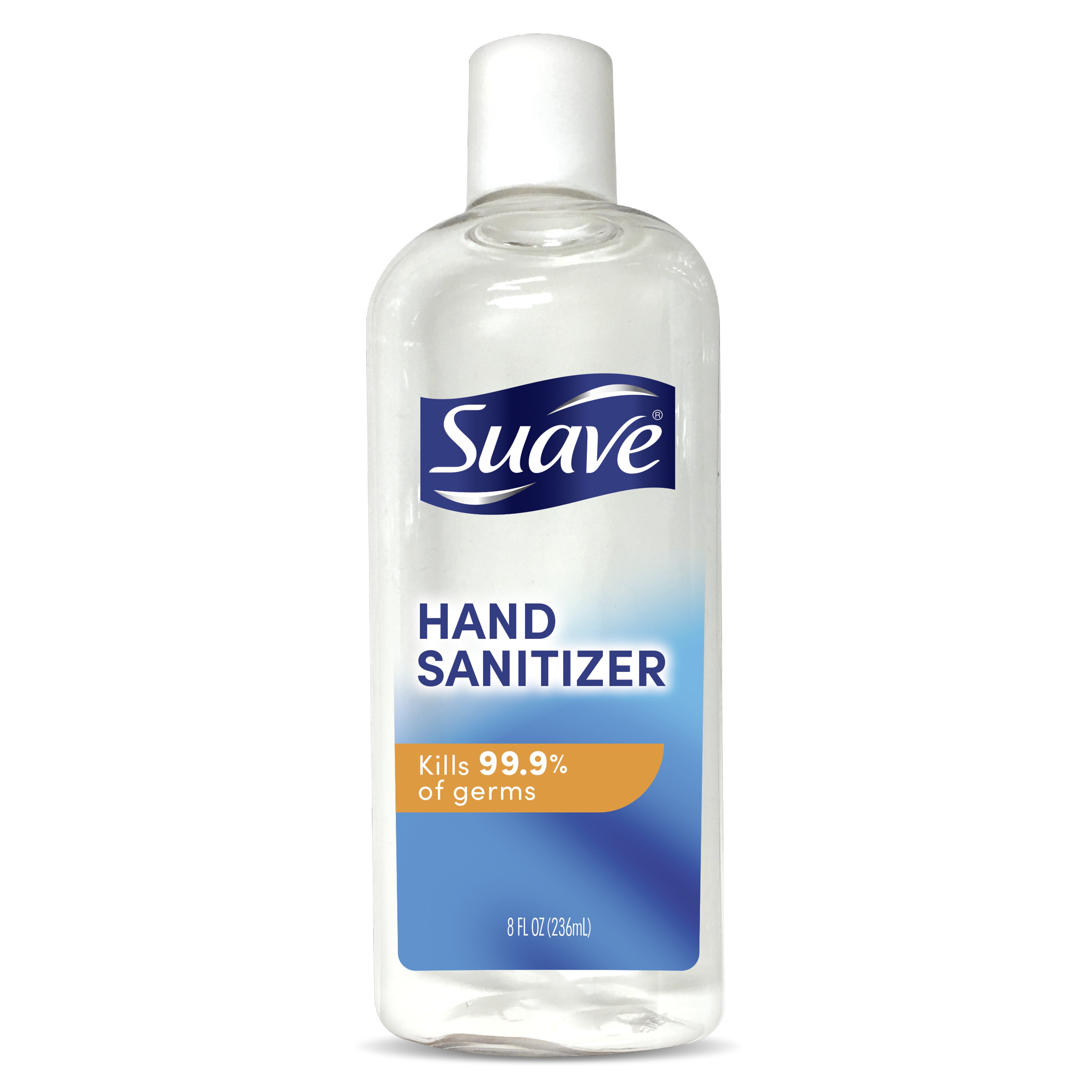
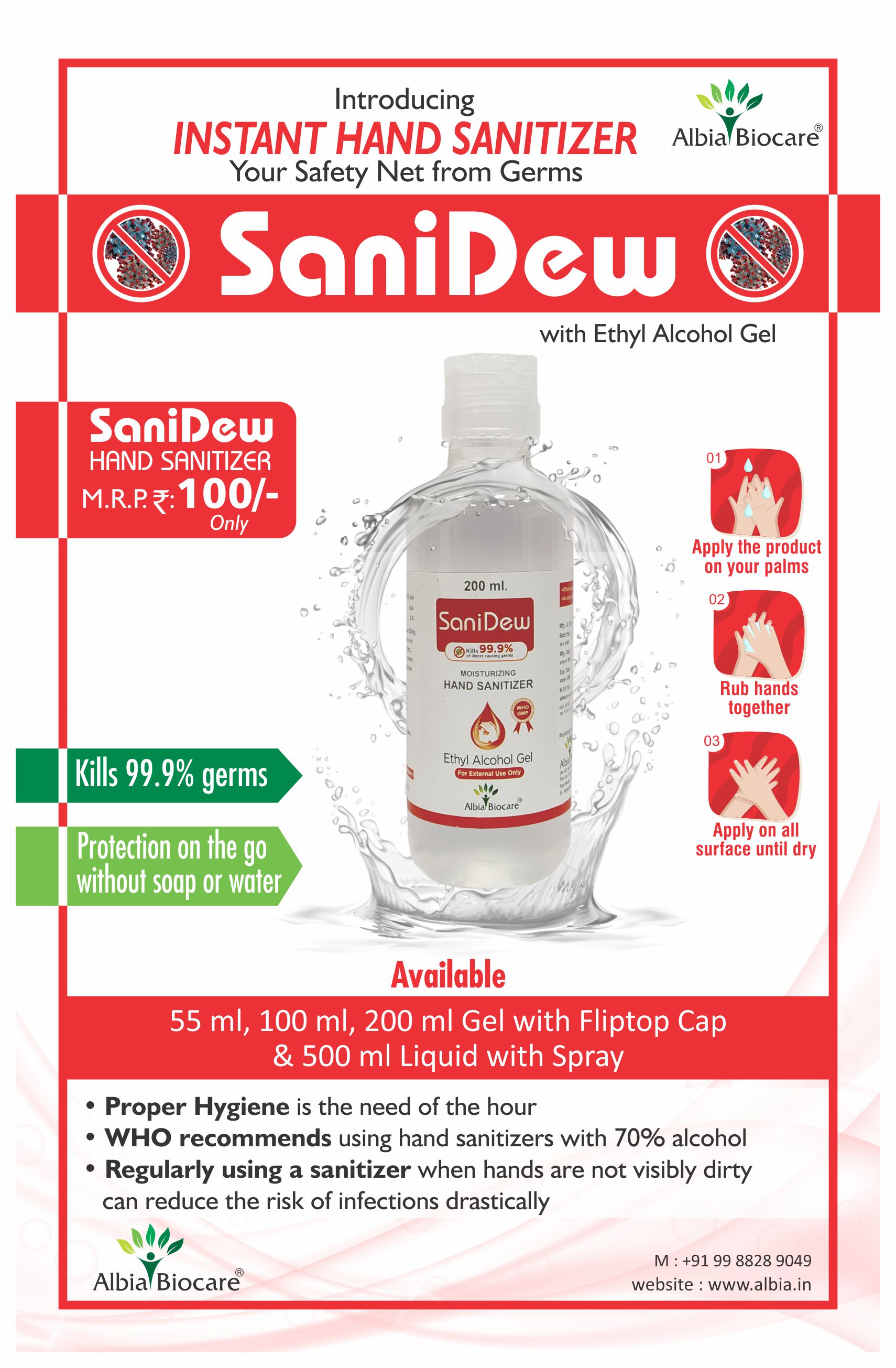
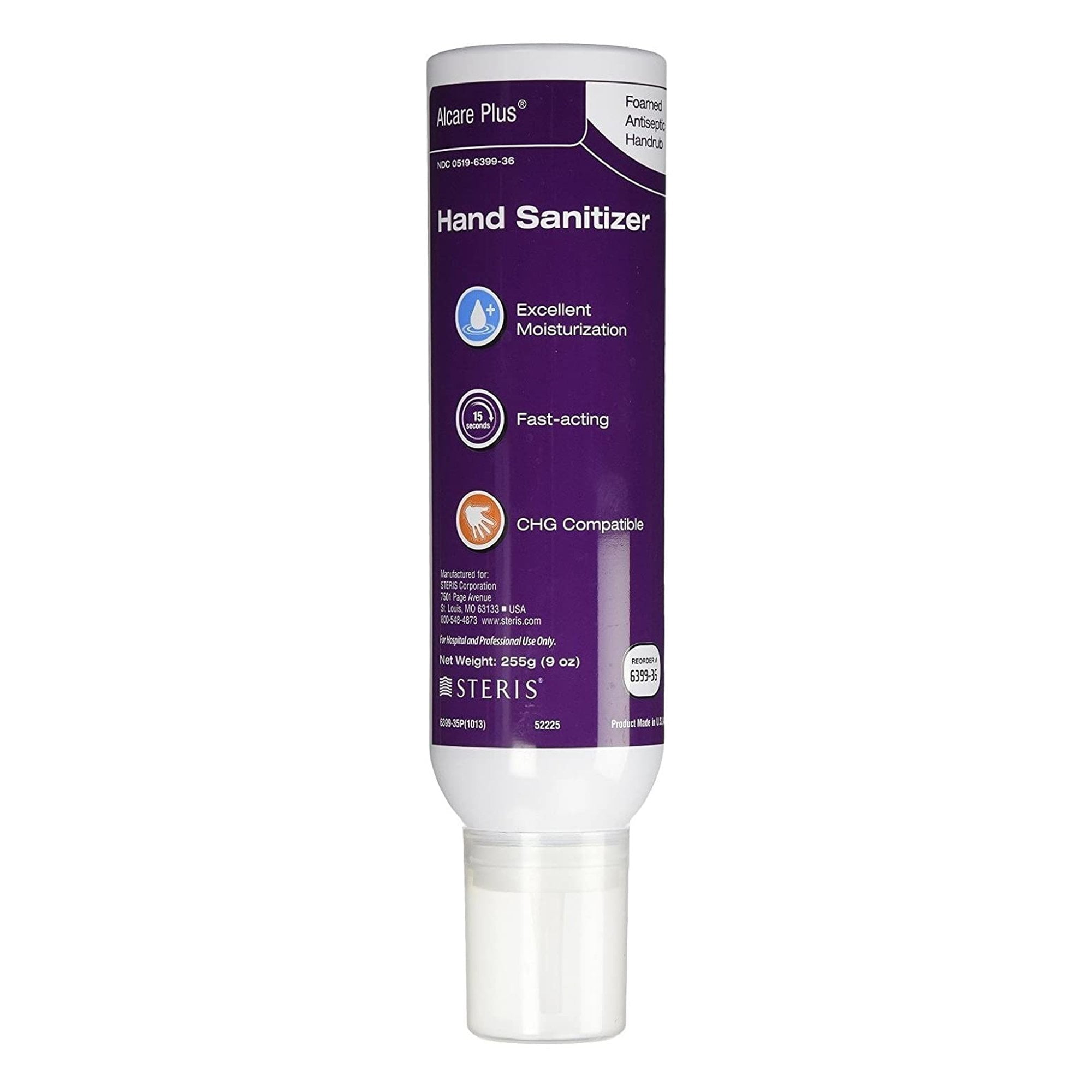
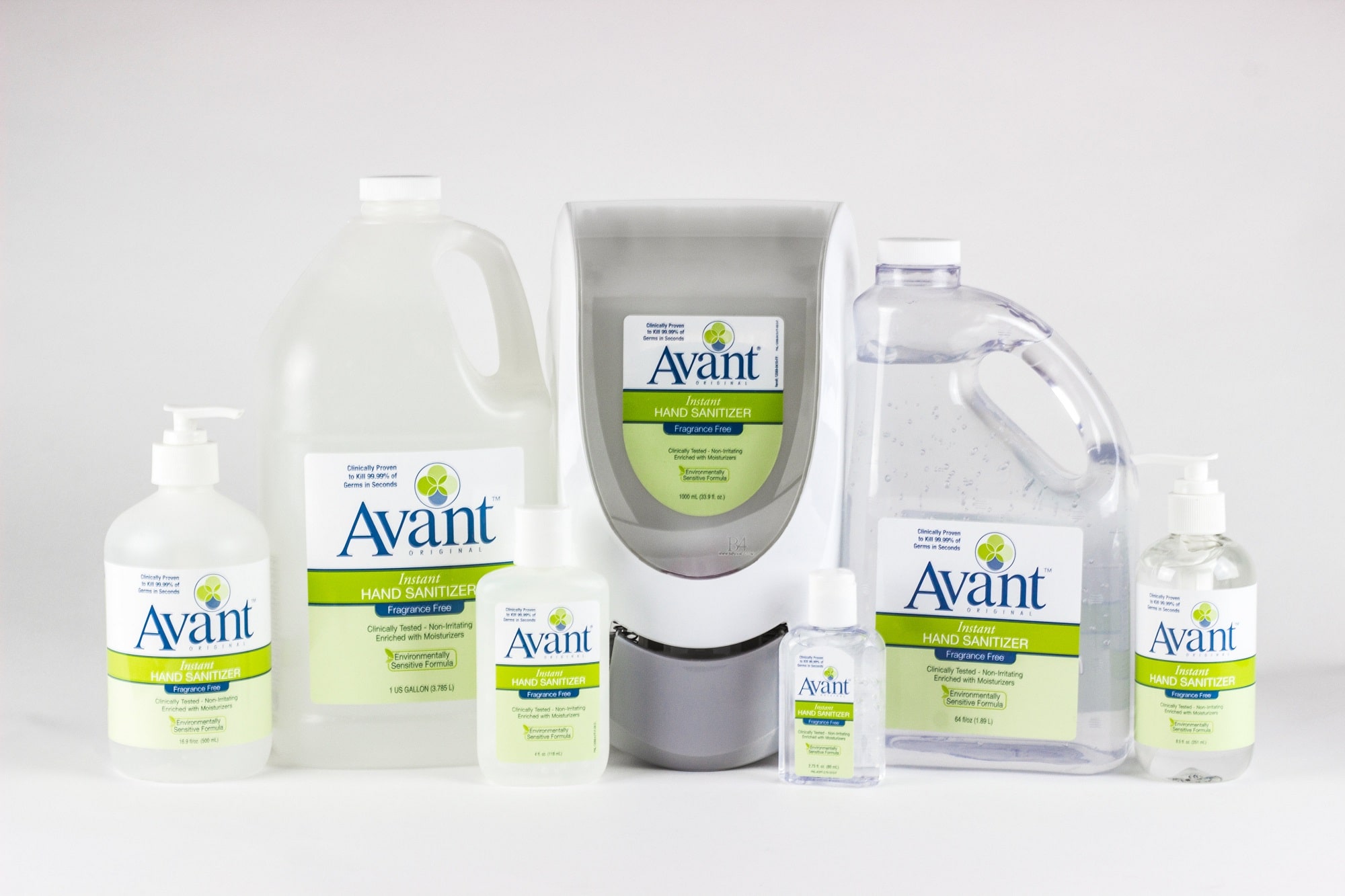
An alcohol-based sanitizer is a liquid, gel, or foam formulation containing ethyl alcohol, isopropyl alcohol, or n-propanol designed to rapidly neutralize a broad spectrum of pathogenic microorganisms on human skin when soap and water are unavailable. Public health authorities worldwide recommend these formulations as a critical component of hand hygiene protocols to reduce the transmission of infectious agents.
Understanding the Scientific Mechanism of Alcohol-Based Formulations
The antimicrobial efficacy of an alcohol-based sanitizer relies on the chemical properties of alcohols, specifically ethanol and isopropanol. Alcohols act primarily by denaturing proteins and disrupting the lipid membranes of microorganisms. When applied to the skin, alcohol molecules penetrate the cell walls of bacteria, fungi, and enveloped viruses. Once inside, they alter the tertiary structure of vital proteins and enzymes, causing them to unfold and coagulate. This irreversible structural damage inactivates the pathogen's metabolic processes and destroys its cellular integrity.
Microbiologists and pharmacologists evaluate these products based on their broad-spectrum activity against Gram-positive and Gram-negative bacteria, mycobacteria, and various viral strains. While highly effective against enveloped viruses—such as influenza viruses, coronaviruses, and human immunodeficiency virus (HIV)—alcohols generally exhibit variable efficacy against non-enveloped viruses like norovirus, enteroviruses, and hepatitis A, depending on the specific alcohol concentration and exposure time. The presence of water is chemically necessary to facilitate this process; pure alcohol evaporates too quickly and coagulates external surface proteins prematurely, preventing deep cellular penetration. Therefore, optimal formulations maintain an aqueous balance to maximize denaturation kinetics.
Active Ingredients, Concentration Thresholds, and Regulatory Standards
Formulation standards established by regulatory agencies such as the U.S. Food and Drug Administration (FDA) and the World Health Organization (WHO) dictate specific concentration thresholds for over-the-counter hand antiseptics. To achieve significant microbicidal activity, a sanitizer must contain a sufficient percentage of active alcohol.
Global public health recommendations specify that effective products should contain between 60% and 95% alcohol by volume. Products falling below the 60% threshold may only reduce bacterial growth temporarily rather than significantly inhibiting or killing pathogens. Conversely, concentrations exceeding 95% are less effective because insufficient water content hinders the necessary protein coagulation process.
The two primary active ingredients utilized in commercial and clinical manufacturing are ethanol (ethyl alcohol) and isopropanol (isopropyl alcohol). Both agents demonstrate rapid bactericidal activity, though minor differences exist in their toxicity profiles and spectrum of action. Isopropanol is slightly more potent against bacteria, whereas ethanol exhibits a broader spectrum of viral inactivation at equal concentrations. In response to supply chain fluctuations, standardized WHO reference formulations incorporate either 80% v/v ethanol or 75% v/v isopropanol, combined with small amounts of hydrogen peroxide and glycerol to ensure safety, microbial purity, and skin conditioning.
| Active Ingredient | Optimal Concentration Range | Primary Antimicrobial Strengths | Key Operational Limitations |
|---|---|---|---|
| Ethanol (Ethyl Alcohol) | 60% – 95% v/v | Excellent activity against enveloped viruses and most vegetative bacteria. | Less potent against certain non-enveloped viruses at lower thresholds; flammable liquid. |
| Isopropanol (Isopropyl Alcohol) | 60% – 95% v/v | Stronger bactericidal potency per percentage point than ethanol. | Stronger chemical odor; potential skin drying upon frequent repeated use. |
| N-Propanol | 60% – 80% v/v | Rapid reduction kinetics across various clinical bacterial isolates. | Less common in standard consumer products; higher cost profile. |
Proper Application Technique and Operational Limitations
Maximizing the protective benefits of an alcohol-based sanitizer requires strict adherence to proper application techniques. Incorrect application remains the primary reason consumers fail to achieve adequate microbial reduction on the hands. The Centers for Disease Control and Prevention (CDC) outlines a specific procedure to ensure complete surface coverage and adequate contact time.
To execute the protocol correctly, users must dispense an adequate volume of product—typically enough to cover all hand surfaces completely—into the palm of one hand. The user then rubs their hands together, covering all surfaces thoroughly, including between the fingers, the backs of the hands, the fingertips, and around the thumbs. This friction-based application must continue uninterrupted for approximately 20 to 30 seconds until the hands feel completely dry. Premature wiping or washing of the hands before the product evaporates diminishes its antimicrobial efficacy.
Despite their widespread utility, these products possess distinct operational limitations. Hand sanitizers are not designed to remove heavy soil, grease, or visible organic matter from the skin. When hands are visibly dirty or contaminated with proteinaceous materials, organic loads can bind to the alcohol and shield underlying pathogens. In such occupational or environmental scenarios, traditional handwashing with soap and running water remains the mandatory first-line intervention. Furthermore, routine use can deplete natural skin lipids, leading to dryness, irritation, or contact dermatitis unless formulations incorporate skin-conditioning agents such as glycerin or aloe vera.
Safety Considerations, Storage Requirements, and Flammability Risks
Because commercial sanitizers consist primarily of volatile alcohols, they present inherent safety hazards that require careful handling, storage, and disposal protocols. The flash point of high-concentration alcohol solutions is relatively low, making them flammable liquids that must be stored away from open flames, sparks, and intense heat sources. Institutional settings, healthcare facilities, and commercial buildings must adhere to strict fire safety codes regarding the bulk storage and wall-mounted dispensing of alcohol-based products to prevent accidental ignition or localized fire hazards.
In addition to flammability, accidental ingestion poses a significant public health risk, particularly among young children. Alcohol poisoning can result from swallowing even small amounts of high-concentration ethanol or isopropanol formulations. Regulatory bodies mandate child-resistant closures on consumer packaging and require clear warning labels cautioning against ingestion.
Users must also avoid applying compromised, counterfeit, or substandard formulations. Regulatory agencies periodically issue safety warnings regarding adulterated products containing toxic methanol (wood alcohol) or 1-propanol. Exposure to methanol through dermal absorption or ingestion can lead to severe systemic toxicity, metabolic acidosis, and permanent neurological or visual damage. Consumers should verify that purchased products originate from reputable manufacturers and comply with established pharmacopeial standards.
How to Verify and Select a Quality Product
Selecting an effective and safe hand sanitizer involves evaluating product labeling, active ingredient disclosures, and manufacturing compliance. Consumers and institutional purchasers should inspect the ingredient panel to confirm that either ethyl alcohol or isopropyl alcohol is listed as the primary active ingredient within the recommended 60% to 95% concentration range.
Purchasers should prioritize brands manufactured in FDA-registered facilities or those conforming to recognized international pharmacopeia standards. Avoid products that make unsubstantiated or exaggerated prophylactic claims, such as offering continuous residual protection for multiple hours without reapplication. Alcohols evaporate completely upon drying and do not leave an antimicrobial film on the skin, meaning they provide immediate disinfection rather than sustained barrier protection. When sourcing bulk supplies for institutional or workplace environments, review official regulatory advisory lists to ensure the chosen products have not been subject to quality recalls or contamination alerts.
Frequently Asked Questions
Does an alcohol-based sanitizer expire?
Yes, most commercial formulations feature an expiration date printed on the packaging, typically ranging from two to three years from the manufacturing date. Over time, the alcohol content gradually decreases through evaporation if the packaging is not completely airtight, which reduces the product's overall antimicrobial efficacy.
Can hand sanitizer kill bacterial spores like Clostridioides difficile?
Standard alcohol-based formulations are ineffective against bacterial endospores, such as those produced by Clostridioides difficile. Alcohols lack the chemical mechanism required to penetrate and destroy resilient spore coats. Physical handwashing with soap and water is mechanically required to remove these spores from the skin.
Why do some sanitizers feel sticky after drying?
A sticky residue typically results from the accumulation of gelling agents, emollients, or humectants—such as glycerin, carbomer, or aloe vera—included in the formulation to prevent skin dryness. Once the alcohol evaporates, these non-volatile ingredients remain on the skin, and excessive application can create a noticeable film.
Is it safe to use these products on children?
They can be used safely on children under adult supervision to ensure the product is applied correctly and allowed to dry completely. Children must be monitored to prevent accidental ingestion or eye contact, and parents should store bottles safely out of reach when not in use.
Do alcohol-based sanitizers contribute to antibiotic resistance?
Unlike targeted antibiotic drugs that bind to specific bacterial cellular targets, alcohols denature proteins and dissolve cellular membranes through non-specific physical and chemical mechanisms. Because this action affects multiple cellular structures simultaneously, microorganisms do not readily develop acquired resistance to alcohol-based antiseptics.