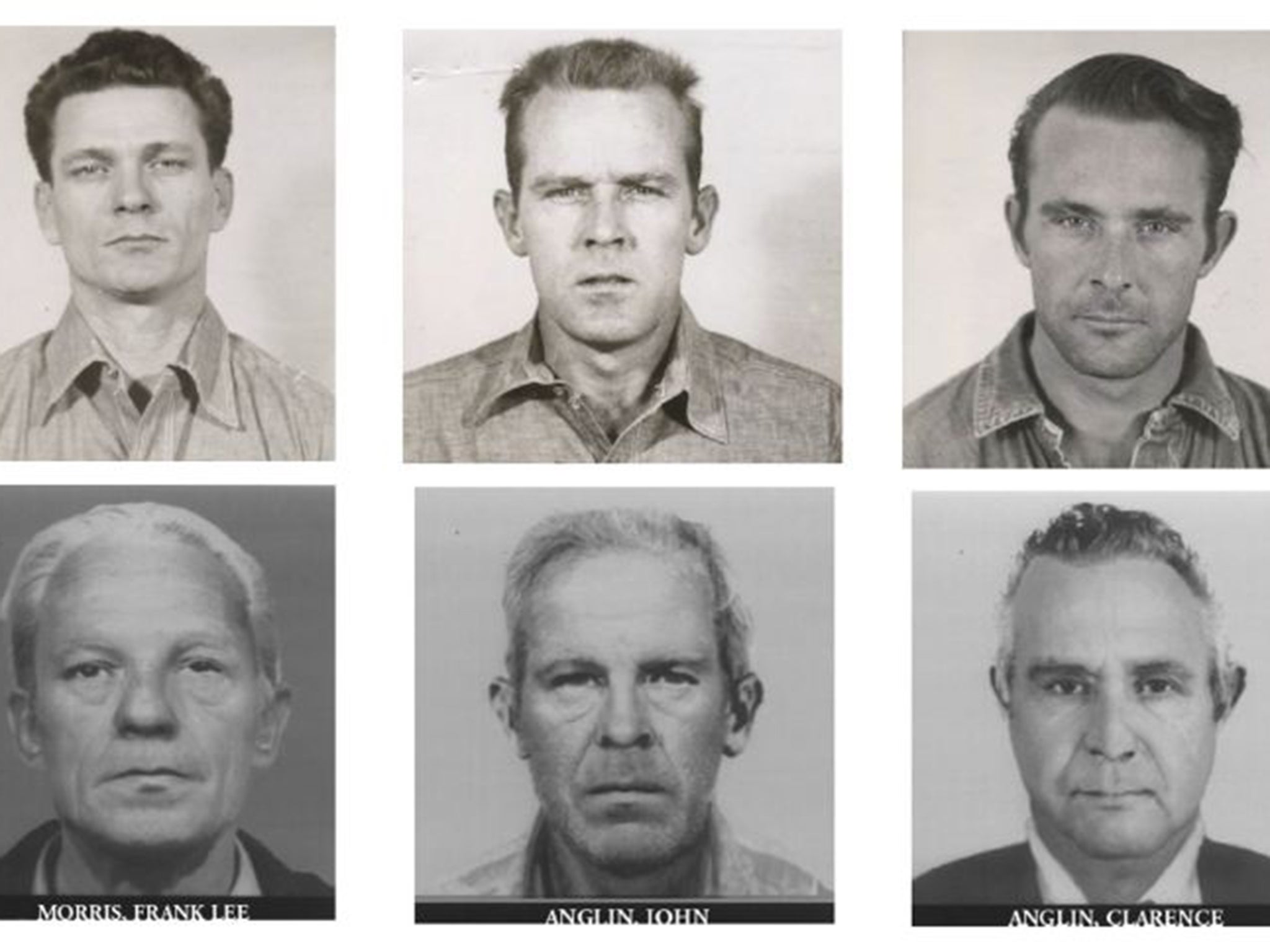
The 1962 Alcatraz escape was a meticulously planned prison break executed by inmates Frank Morris and brothers John and Clarence Anglin, who utilized handmade papier-mâché heads, sharpened spoons, and a raincoat-turned-raft to slip off the maximum-security island fortress into San Francisco Bay, leaving their ultimate fate one of American history's most enduring mysteries.
Historical Context and the Myth of Inescapability
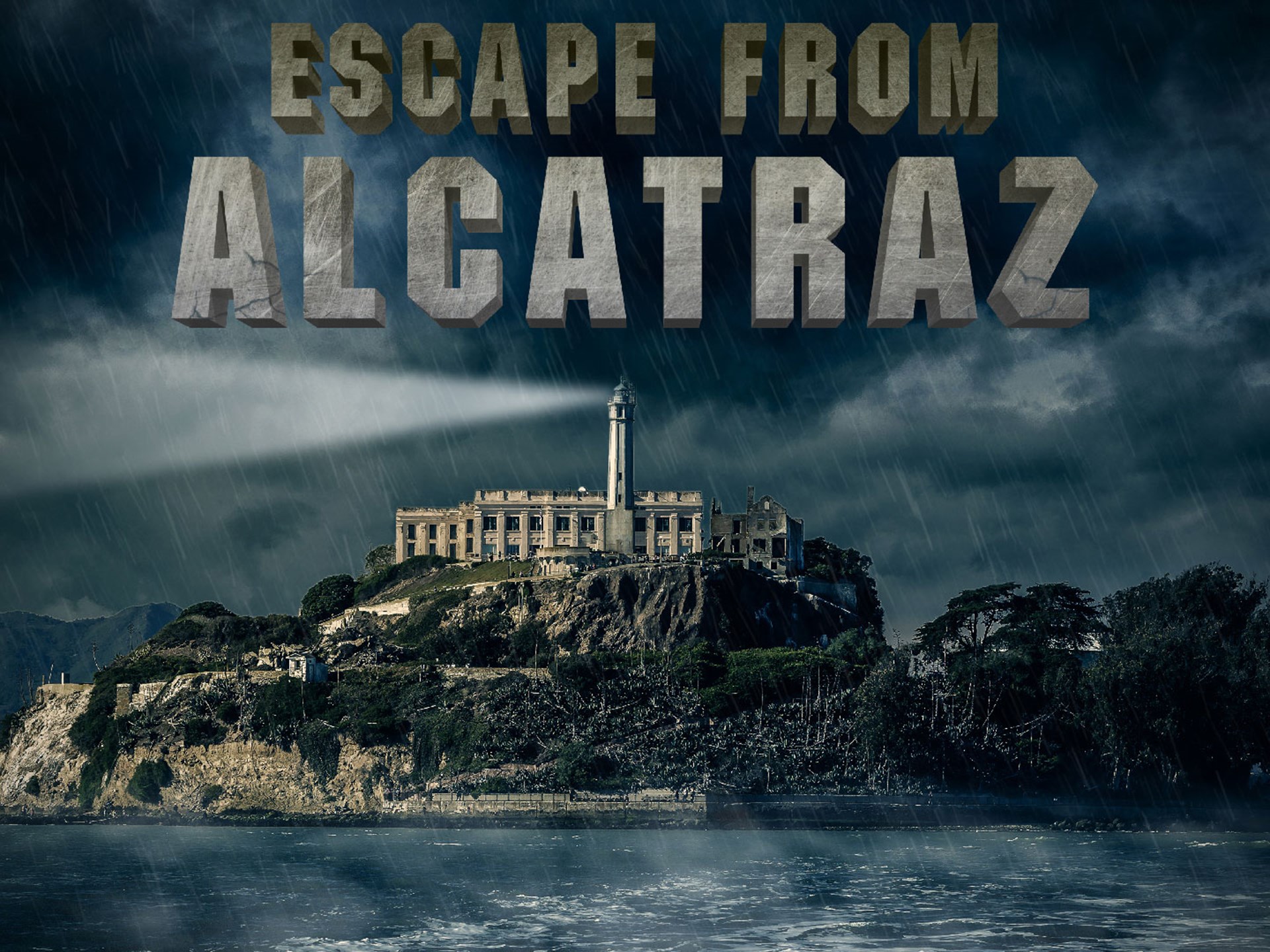
Operating as a federal penitentiary from 1934 to 1963, Alcatraz Island was designed to house the nation's most incorrigible, violent, and escape-risk criminals. Situated in the middle of San Francisco Bay, the facility capitalized on its natural geographic isolation. Frigid water temperatures, treacherous, unpredictable tidal currents, and the sheer distance to the mainland created formidable psychological and physical barriers for any inmate contemplating freedom. Federal authorities promoted the institution as completely inescapable, a claim that served as both a psychological deterrent to inmates and a public relations triumph for the Federal Bureau of Prisons.
Despite this reputation, or perhaps because of the intense psychological pressure of maximum-security confinement, numerous inmates attempted to break out over the prison's 29-year operational history. Before June 1962, 34 inmates had launched 14 separate escape attempts. The vast majority of these bids ended in failure: prisoners were shot, recaptured, or drowned in the churning bay waters. However, the cumulative attempts provided a laboratory of lessons for prisoners determined to beat the system. The 1962 escape succeeded where others failed precisely because the conspirators analyzed past failures, leveraged meticulous planning, and exploited subtle architectural vulnerabilities within the aging cellhouse infrastructure.
The Conspirators and the Blueprint for Freedom
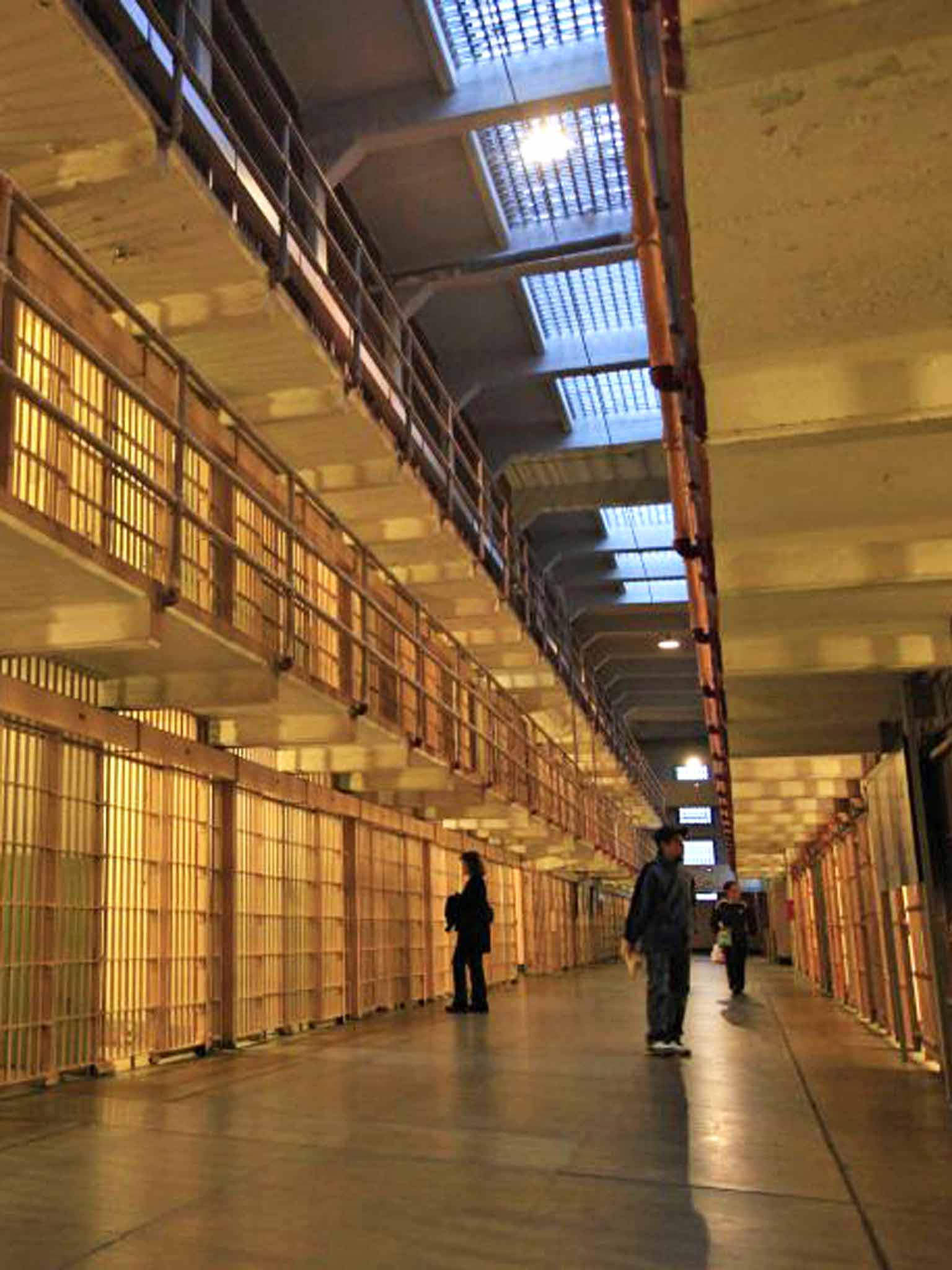
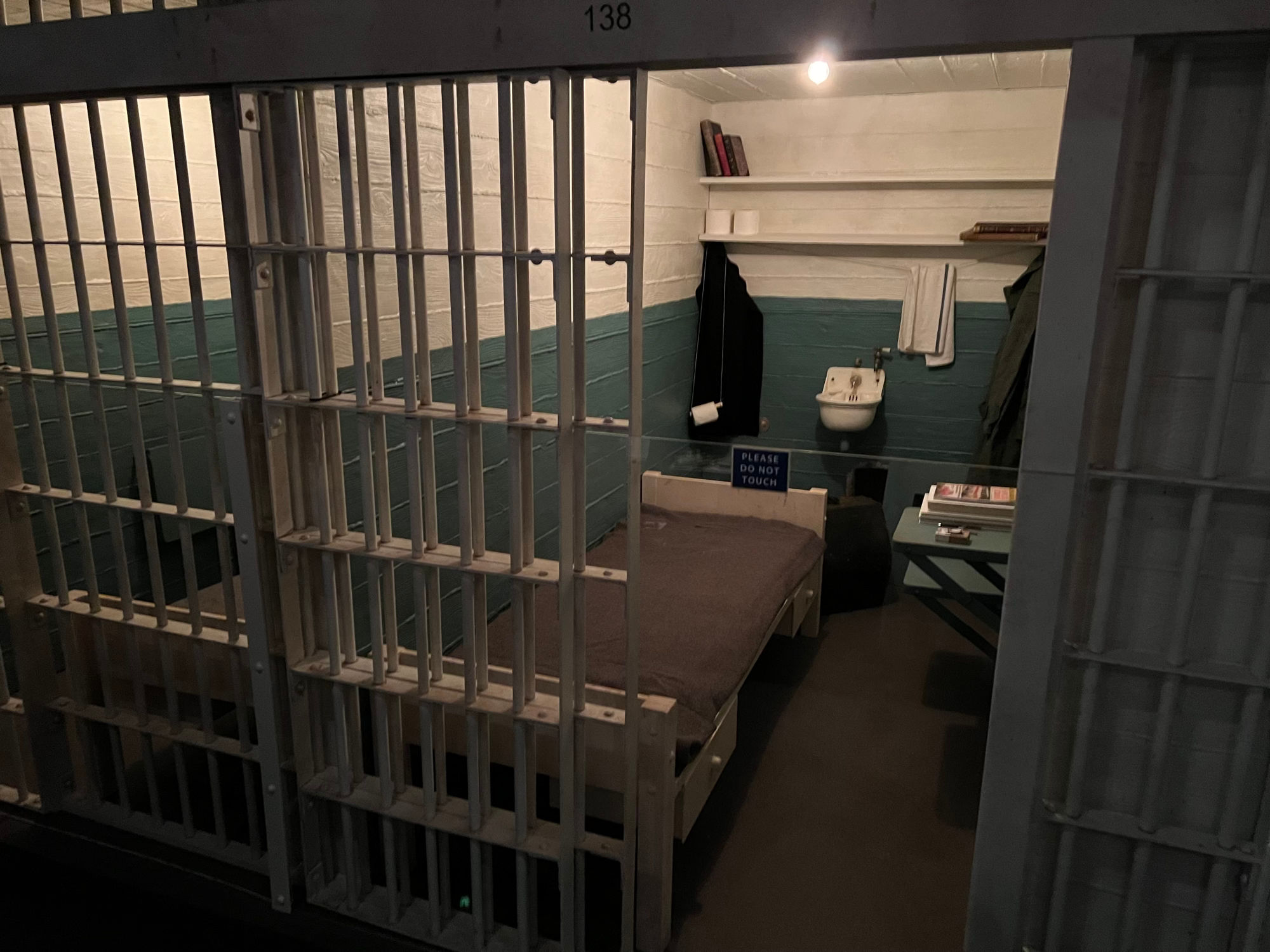
The mastermind behind the June 11, 1962, breakout was Frank Morris, an inmate with a high IQ and an extensive criminal record. Joining him were brothers John and Clarence Anglin, seasoned bank robbers with whom Morris had associated in previous institutions, and Allen West, a later addition to the circle. The planning phase extended over many months, requiring exceptional patience, ingenuity, and discipline. The men operated out of adjacent cells in B Block—specifically cells B-15, B-17, B-19, and B-21—which backed up against an unguarded utility corridor.
The cornerstone of their preparation involved exploiting the deteriorating condition of the cellhouse walls. Due to the corrosive combination of sea air and poor-quality concrete used during the original 1920s construction, the walls around the cell ventilation ducts were exceptionally vulnerable. Using makeshift tools crafted from everyday items—most notably a discarded metal spoon sharpened into a chisel, a stolen metal file, and the motor housing from a broken vacuum cleaner salvaged from the prison shop—the men spent hours each day quietly chipping away at the concrete surrounding their sink ventilation grills. To conceal their progress during routine guard counts, they fashioned false walls out of a paste made from soap, painted concrete dust, and toilet paper, sliding them into place whenever inspections loomed.
Crafting the Decoys and the Escape Apparatus
As the concrete partitions loosened, the inmates faced two immediate logistical hurdles: navigating the rooftop and water of San Francisco Bay without detection, and delaying the discovery of their absence during the early morning hours. Solving the first problem required manufacturing a watercraft and flotation devices. Over several months, the trio and Allen West secretly accumulated more than 50 standard-issue prison raincoats. Using rubber cement stolen from the raincoat manufacturing shop and heat generated from a makeshift vulcanizing setup powered by electrical wires, they painstakingly glued the raincoats together to construct a six-foot-wide, 14-foot-long rubber raft, along with crude life vests. They also fashioned wooden paddles from scrap wood and repurposed a small accordion-style concertina into an air pump to inflate the raft.
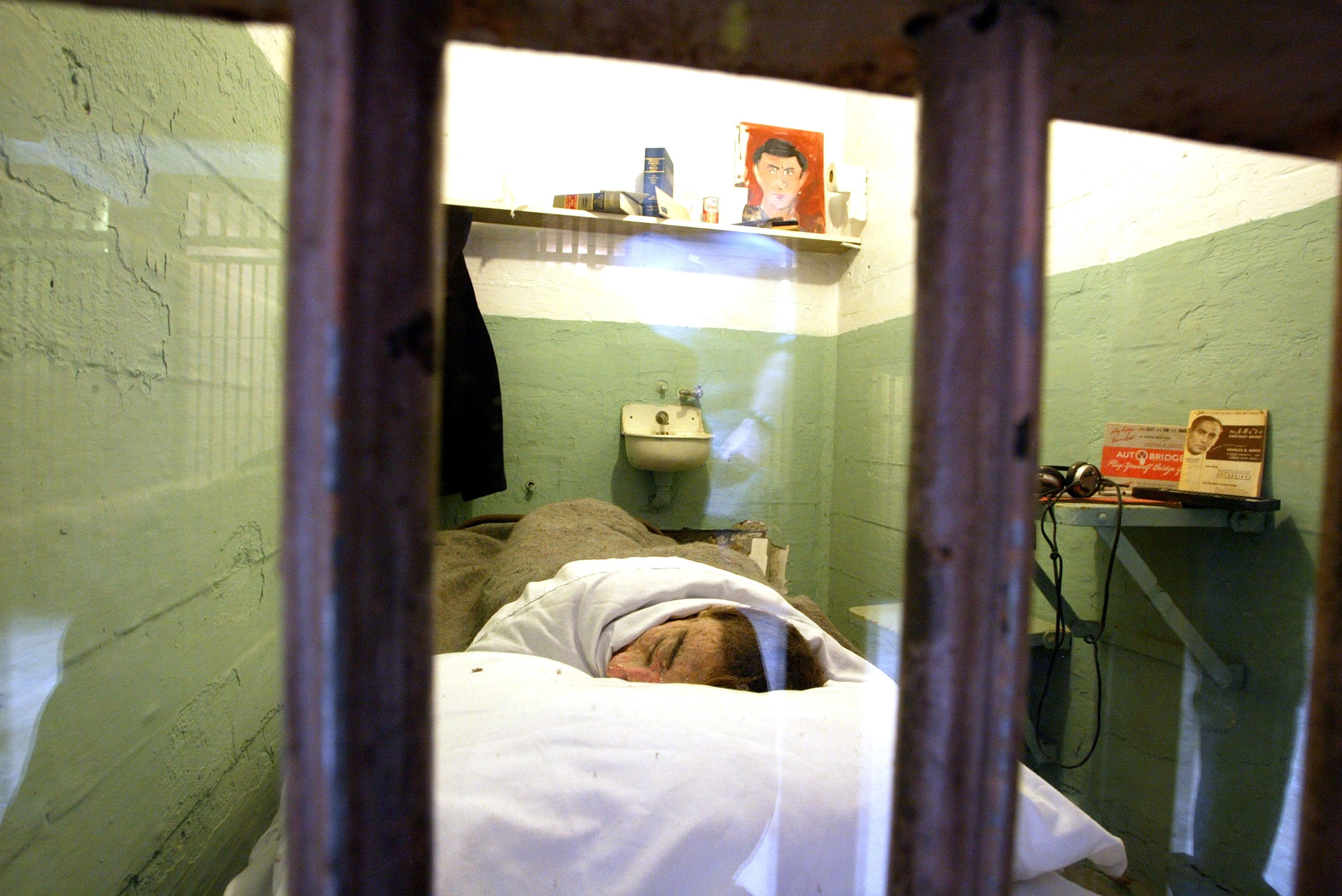
To buy themselves critical hours before guards raised the alarm during morning headcounts, the inmates created remarkably lifelike dummy heads. They sculpted these decoys using a mixture of soap, toothpaste, toilet paper, and concrete dust, painting them with skin-toned paints stolen from the prison hobby shop. They even inserted real human hair collected from the prison barbershop floor into the plaster scalps to mimic natural growth. On the night of the escape, these dummies were propped up on their pillows, illuminated by the dim ambient light of the corridor, successfully deceiving patrolling correctional officers during the overnight bed checks.
The Execution of the Breakout
On the night of June 11, 1962, the plan entered its final phase, though it suffered an immediate setback. Allen West discovered that the concrete around his ventilator grill had swollen slightly due to moisture, locking his makeshift panel in place. Despite frantic efforts, West could not free himself in time, leaving him behind while Morris and the Anglin brothers squeezed through their widened wall openings into the utility corridor.
From the utility corridor, the three men climbed upward through the ventilation shaft onto the roof of the cellhouse. They carried their inflated raincoat raft, life vests, and paddles across the roof, avoiding the searchlights sweeping from the guard towers, and descended a ventilation pipe to the ground near the island's shoreline. According to the subsequent FBI investigation, they launched their raft from the northeast shore of the island around midnight, aiming for the Marin Headlands across the Golden Gate Strait.
The FBI Investigation and Ultimate Fate
The disappearance was discovered during the 7:00 AM headcount on June 12, 1962, when guards noticed that the dummy heads remained motionless during the roll call. A massive, multi-agency manhunt was immediately launched, involving the FBI, the U.S. Coast Guard, local police departments, and thousands of federal personnel. Search teams scoured the bay, the surrounding coastline, and every corner of Alcatraz Island, but found no trace of the men, aside from a paddle recovered floating near the shores of Angel Island and a packet of personal letters and photographs sealed in plastic belonging to the Anglin brothers.
| Discovery Item | Location Found | Significance to Investigation |
|---|---|---|
| Dummy Heads | Cells B-15, B-17, B-19 | Confirmed the premeditated nature and timeline of the overnight escape. |
| Paddled Raft Fragment | Near Angel Island | Indicated the men successfully launched and attempted to navigate the bay. |
| Waterproof Packet | San Francisco Bay Waters | Contained personal family photos and addresses, supporting the Anglins' premeditation. |
| Uninflated Life Vest | Washer Reef (near Marin) | Recovered months later, suggesting a struggle against turbulent tides. |
For decades, the official stance of the FBI was that Morris and the Anglins drowned in the freezing, fast-moving waters of San Francisco Bay before reaching the mainland. The federal investigation highlighted that the homemade raft, lacking proper seams or professional construction, would likely have deflated or capsized in the heavy swells. Furthermore, no stolen vehicles or credible sightings were reported on the mainland immediately following the escape, a common occurrence in successful civilian prison breaks.
However, competing theories and subsequent investigations have kept the possibility of survival alive. Family members of the Anglin brothers claimed to have received encrypted holiday cards and unverified photographs in the decades following the breakout, suggesting the men successfully swam ashore, hiked to a waiting vehicle, and lived out their lives under assumed identities in South America. In 2015, forensic experts and relatives presented circumstantial evidence, including a photograph purportedly showing John and Clarence Anglin in Brazil in the 1970s, though the U.S. Marshals Service—who maintained the active warrant until the escapees reached theoretical ages exceeding 100 years—never officially closed the case based on conclusive proof of survival.
Long-Term Impact on Federal Corrections
The audacity and sophistication of the 1962 Alcatraz escape shocked the Federal Bureau of Prisons and catalyzed a reevaluation of the institution's long-term viability. While the escape was not the sole reason for the prison's closure, it severely undermined the facility's reputation as an inescapable fortress. Maintaining the crumbling concrete infrastructure required massive, recurring financial investments, and the geographic isolation made everyday operations logistically difficult and expensive compared to mainland facilities.
Just 10 months after the breakout, on March 21, 1963, Attorney General Robert F. Kennedy ordered the permanent closure of the Alcatraz federal penitentiary. The remaining inmates were transferred to other maximum-security facilities across the United States, most notably the newly constructed U.S. Penitentiary in Marion, Illinois. Today, the physical legacy of the 1962 escape endures as a primary focal point for millions of annual visitors touring the national park site, cementing the event in global popular culture as one of the most ingenious feats of human resourcefulness in penal history.
Frequently Asked Questions
Did anyone survive the 1962 Alcatraz escape?
Official federal consensus remains unconfirmed, but no definitive proof of survival was ever discovered. While the FBI concluded the men drowned, surviving family members and independent investigators have presented circumstantial claims supporting survival, leaving the ultimate fate officially unresolved.
How did the inmates carve through the concrete walls?
The prisoners utilized a discarded metal spoon sharpened into a chisel, a stolen metal file, and a small motor salvaged from a broken vacuum cleaner. They worked quietly for months inside their cells during designated recreation and sleeping hours, concealing their progress with fake walls.
What happened to Allen West after he was left behind?
Allen West failed to remove his concrete ventilation grill in time on the night of the escape and was left behind in his cell. He cooperated fully with FBI investigators the following morning, providing detailed descriptions of the plan, and was never criminally charged for the escape attempt itself.
Why did the prison close shortly after the escape?
Alcatraz closed primarily due to prohibitive operating costs, severe structural deterioration caused by saltwater corrosion, and the severe reputational damage inflicted by the 1962 escape, which proved the facility was not entirely inescapable.
Were the escapees' bodies ever recovered?
No bodies were ever recovered from San Francisco Bay or the surrounding coastline during or immediately after the intensive search operations, fueling decades of speculation regarding whether they successfully reached land.
Securing Historical Records and Further Research
For those interested in examining the primary documentation surrounding the event, researchers should consult the declassified FBI case files available through the National Archives and Records Administration (NARA) or the official historical repositories maintained by the National Park Service for Alcatraz Island. These archives contain original interrogation transcripts, physical evidence logs, and contemporaneous memos detailing the exhaustive sweep of San Francisco Bay.