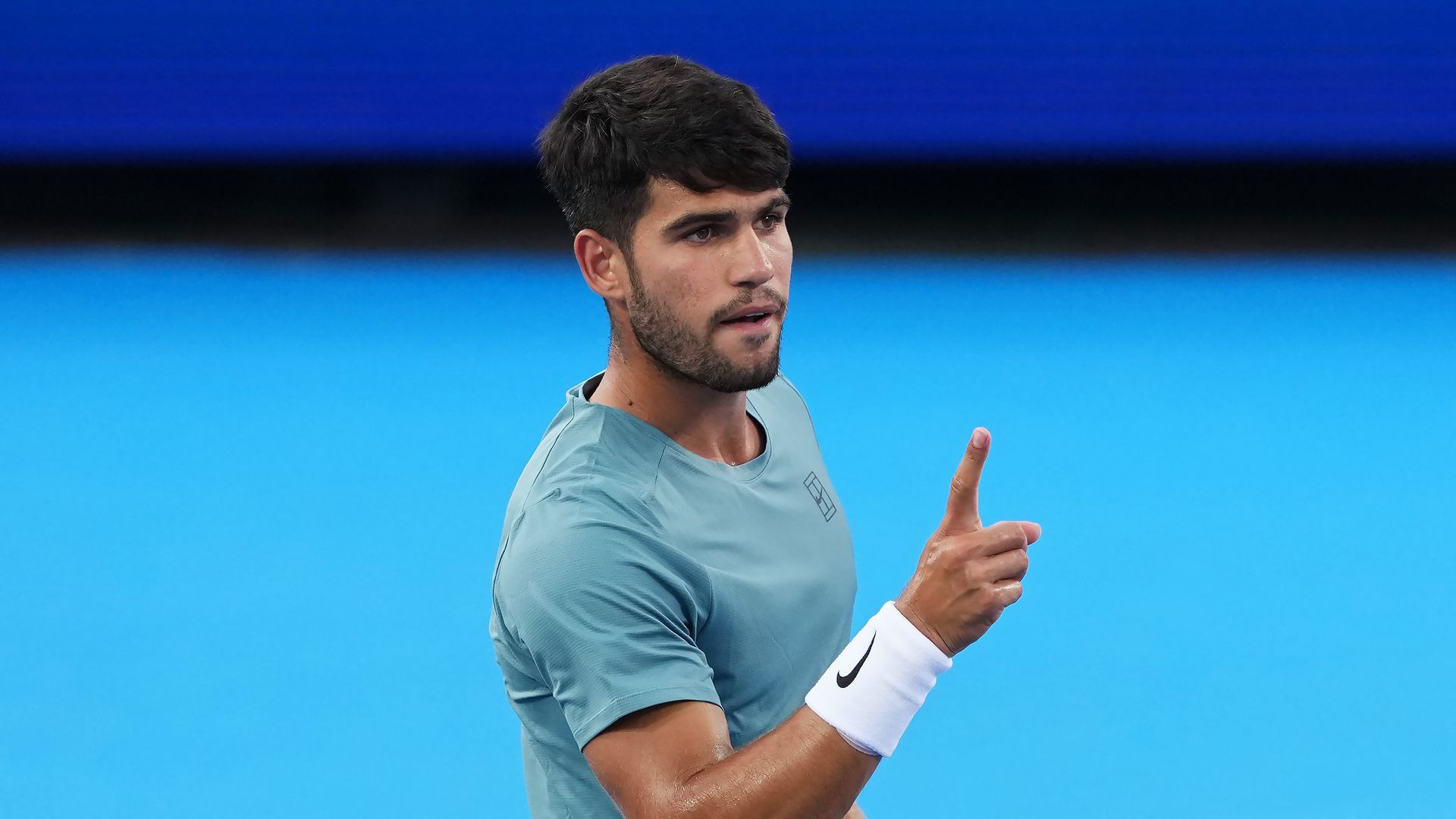
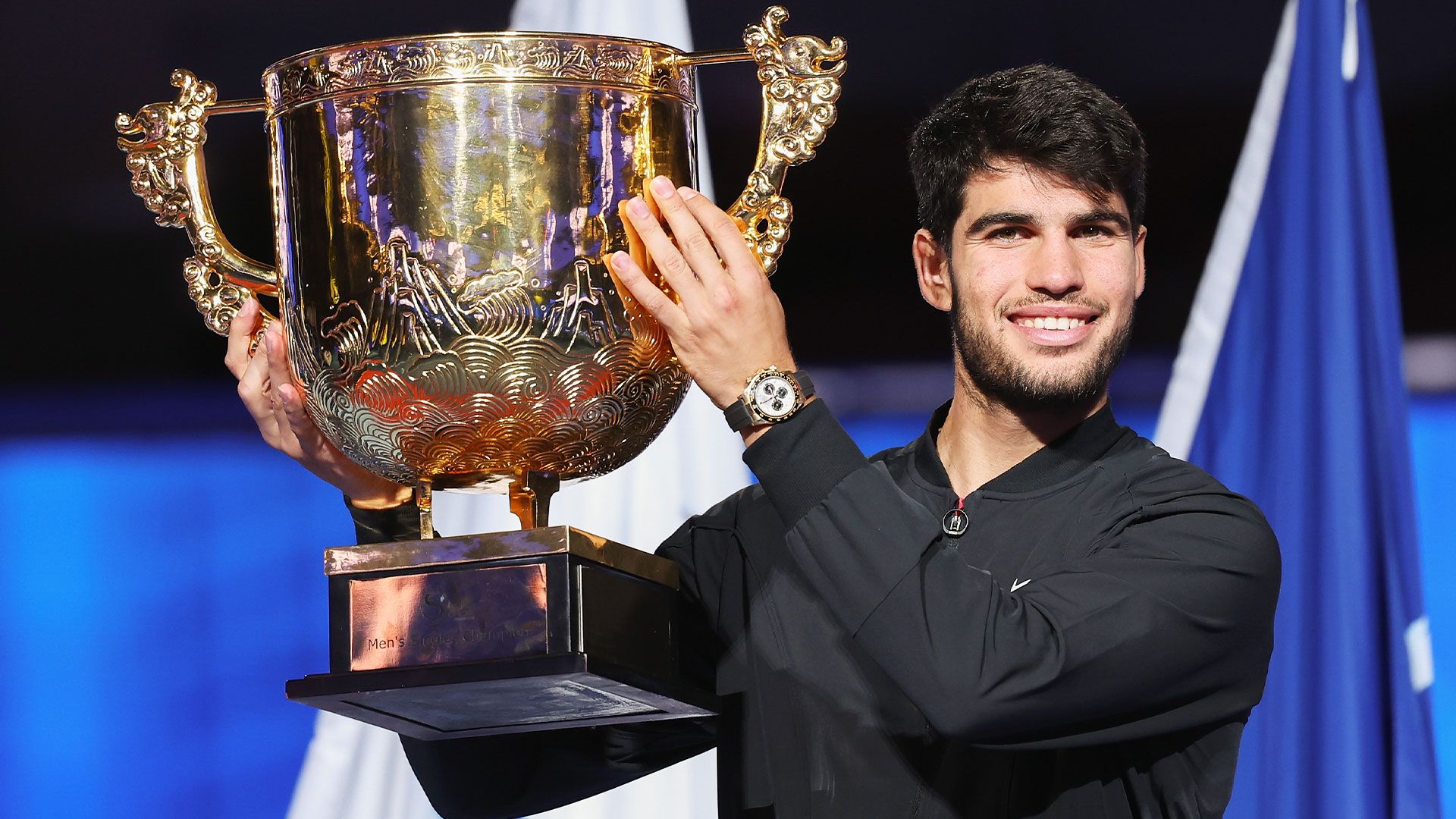
Carlos Alcaraz’s net worth in 2026 is estimated to be between $40 million and $50 million, fueled by multi-million dollar tournament prize winnings and an elite portfolio of global luxury and sportswear endorsements. As one of the marquee figures in professional tennis, the Spanish champion has rapidly transitioned from a breakout prodigy into a commercial powerhouse whose off-court income significantly rivals his athletic earnings.
Understanding the financial trajectory of a modern tennis phenomenon requires looking past baseline tournament checks. Professional tennis involves massive overhead expenses, including travel, coaching staff, physical conditioning teams, and specialized training facilities. For Alcaraz, balancing these athletic costs with lucrative brand partnerships creates a diversified wealth structure. This examination breaks down how prize money, corporate sponsorships, investments, and market valuation shape the financial profile of Carlos Alcaraz in 2026.
Career Prize Money and On-Court Earnings
On-court earnings form the foundational bedrock of Alcaraz’s overall financial portfolio. Since turning professional, the Murcia-native has accumulated substantial prize money through deep runs and title victories at Grand Slam tournaments—including the US Open, Wimbledon, and the French Open—alongside ATP Masters 1000 events and the Nitto ATP Finals.
Tennis prize money structures are directly tied to tournament revenues, broadcast rights, and sponsorship pools, all of which have experienced upward revisions over recent years. While gross tournament earnings provide staggering headline figures, players face significant deductions before seeing net capital gains. Understanding this distinction is crucial for evaluating actual athletic income:
- Gross Prize Pool: The total advertised check issued by tournament organizers for reaching specific rounds or winning titles.
- Coaching and Support Staff: Salaries, travel expenses, and percentage bonuses paid to head coaches, fitness trainers, physiotherapists, and agents.
- Travel and Logistics: Year-round international flights, luxury accommodation for teams, and private training camp rentals across various global time zones.
- Taxes: Progressive income taxes levied by local and national governments based on where the prize money and appearance fees are legally earned.
Even after accounting for these overhead costs, Alcaraz’s cumulative prize money earnings stand among the highest for athletes under the age of 25, establishing a secure baseline of liquid capital that predates and enhances his commercial negotiations.
The Power of Elite Endorsements and Global Sponsorships
While tournament checks provide proof of athletic dominance, endorsement deals drive the exponential growth of a tennis star's net worth. Alcaraz’s market appeal lies in his electrifying playing style, charismatic personality, youth, and global demographic reach. These attributes have attracted top-tier multinational corporations seeking to capture younger audiences across Europe, the Americas, and Asia.
Brand partnerships in professional tennis typically feature steep performance incentives. Contracts include base guaranteed retainers alongside performance bonuses tied to year-end rankings, Grand Slam titles, and cultural visibility metrics like social media engagement. Alcaraz’s commercial portfolio features several cornerstone partnerships:
| Brand Partner | Industry Sector | Nature of Partnership | Approximate Scope |
|---|---|---|---|
| Nike | Sportswear & Apparel | Long-term global outfitter | Custom kit designs, signature footwear lines, and worldwide merchandising. |
| Babolat | Tennis Equipment | Technical racket and string supplier | Exclusive use of specialized frame technology and product collaboration. |
| Rolex | Luxury Timepieces | Official watch partner | Brand ambassadorship, red-carpet appearances, and prestige marketing campaigns. |
| BMW | Automotive | Regional and global mobility partner | Fleet provision, promotional vehicle launches, and sustainability messaging. |
| Louis Vuitton | Luxury Fashion | House ambassador | High-fashion editorial campaigns and cultural brand integration. |
These long-term agreements position Alcaraz alongside historical tennis greats in terms of commercial viability, ensuring a steady, recurring revenue stream independent of injury breaks or fluctuating tournament outcomes.
Financial Management, Investments, and Wealth Preservation
Transitioning teenage earnings into generational wealth requires sophisticated financial structuring. Like many elite athletes, Alcaraz relies on a dedicated team of legal advisors, wealth managers, and family office representatives based in Spain and international financial hubs. Wealth preservation strategies for top-tier tennis players typically focus on three core pillars: real estate acquisitions, diversified investment portfolios, and tax optimization.
Real estate investments serve as a tangible asset class for preserving capital earned during peak athletic years. Alcaraz maintains primary residential ties to his home region in Spain, supplemented by properties chosen for training access and travel convenience. Beyond real estate, wealth managers direct surplus capital into conservative fixed-income securities, venture capital funds, and equity markets to hedge against inflation and secure long-term financial independence.
Tax jurisdiction management is another critical component. Professional athletes are subject to "jock taxes" or proportional income reporting in every country where they compete and earn prize money. Structuring appearance fees, image rights corporations, and international sponsorship contracts requires strict adherence to international tax compliance laws to prevent double taxation while optimizing net returns.
| Financial Component | Primary Source | Risk Profile | Liquidity Level |
|---|---|---|---|
| Prize Money | ATP Tour & Grand Slams | Low-Medium (Performance-dependent) | High (Direct bank deposits) |
| Endorsements | Corporate Partnerships | Low (Guaranteed contract baselines) | High (Scheduled corporate payouts) |
| Real Estate | Residential & Commercial Assets | Low-Medium (Appreciation-focused) | Low (Capital locked in physical property) |
| Investments | Equities, Bonds, & Private Equity | Medium-High (Market-dependent) | Medium (Subject to divestment terms) |
Economic Impact of Grand Slam Success and Ranking Status
A player’s financial ceiling is inextricably linked to their consistency at the sport's highest levels. Maintaining a top-tier ATP ranking unlocks vital financial mechanisms, including bonus pools distributed by the ATP Tour at the end of each season to players who excel across mandatory high-tier events. Furthermore, holding a multi-Grand Slam champion status grants leverage during contract renegotiations with apparel and equipment suppliers.
When a player captures major titles early in their career, the lifetime value of their existing endorsement contracts often escalates automatically through pre-negotiated milestone clauses. Brands are willing to pay premiums to associate their products with reigning world number ones who command global media attention during high-stakes finals. This dynamic explains why Alcaraz's estimated net worth experienced rapid acceleration following his breakthrough major titles, setting a financial trajectory that mirrors the golden generation of men's tennis legends.
Frequently Asked Questions
What is Carlos Alcaraz’s estimated net worth in 2026?
Carlos Alcaraz’s net worth in 2026 is estimated to be between $40 million and $50 million. This figure combines career tournament prize money, guaranteed base compensation from global endorsement deals, performance bonuses, and private investments managed by his financial team.
How much does Carlos Alcaraz earn from endorsements compared to prize money?
Endorsements make up the majority of Alcaraz's annual income, often surpassing his on-court prize money. While tournament checks fluctuate based on his round exits and title wins, long-term luxury and sportswear contracts provide stable, multi-million dollar annual retainers.
Which major brands sponsor Carlos Alcaraz?
Alcaraz maintains elite partnerships with global brands including Nike for apparel and footwear, Babolat for racquets and stringing equipment, Rolex for luxury timepieces, Louis Vuitton for fashion, and BMW for automotive representation.
How do taxes and coaching expenses affect a tennis player's net worth?
Tennis players do not keep 100% of their gross prize money. They must pay progressive income taxes in every country where they compete, alongside substantial overhead costs that cover coaching staff salaries, international travel, medical support, and specialized training facilities.
Does Carlos Alcaraz own significant real estate investments?
Yes, Alcaraz has allocated a portion of his career earnings toward real estate, maintaining properties in Spain that serve as his primary base for off-season training, family life, and long-term capital appreciation.
Strategic Next Steps for Following Sports Economics
For analysts and fans tracking the financial evolution of elite athletes, monitoring public corporate disclosures, annual Forbes sports earnings lists, and ATP Tour financial reports provides the most reliable data. Because private endorsement contracts rarely disclose exact financial figures, verified estimates rely on industry insider reporting, sports marketing agency disclosures, and publicly available tournament payout schedules. Evaluating these components collectively offers an accurate picture of how modern tennis stars build lasting financial portfolios.