Album tracking refers to the comprehensive data collection process used by the music industry to measure sales, streams, radio airplay, and consumer engagement for recorded music projects. This practice forms the backbone of chart compilation, royalty distribution, and marketing strategy, giving artists, labels, and distributors precise metrics on how an album performs across physical retail, digital downloads, and streaming platforms.
Understanding the Fundamentals of Music Data Collection
The modern music marketplace relies heavily on granular data acquisition to map out commercial success. Album tracking operates by aggregating consumer consumption habits across a fragmented ecosystem that includes physical storefronts, independent record shops, major digital service providers (DSPs), and terrestrial or satellite radio networks. Without this sophisticated data gathering apparatus, the industry would lack a standardized mechanism to determine chart placements, such as the Billboard 200 or the Official Charts in the United Kingdom, or to verify multi-platinum certifications.
At its core, album tracking translates consumer interactions into quantifiable units. A single album sale—whether a vinyl record, a compact disc, or a digital purchase via platforms like iTunes—traditionally counted as one full album consumption unit. However, the rise of streaming necessitated a shift toward consumption-based models. Today, data collection entities apply complex algorithms to convert streams and individual track purchases into equivalent album units (EAU), creating a unified metric that balances physical ownership with passive listening habits.
The Mechanics of Chart Reporting and Data Aggregators
Data aggregation requires standardized infrastructure to ensure accuracy, prevent fraud, and maintain transparency across the global music business. Prominent data providers, most notably Luminate (formerly MRC Data and Nielsen Music) in the United States, serve as the primary source of music consumption data. These organizations ingest point-of-sale data from independent and chain retailers, digital reporting feeds from streaming giants like Spotify and Apple Music, and airplay metrics from radio monitoring services.
To maintain chart integrity, reporting systems enforce strict eligibility guidelines and tracking weeks. In major music markets, the tracking week typically begins on Friday at midnight and concludes on Thursday at 11:59 PM. Any sales or streams registered outside this window apply to the subsequent charting period. Data aggregators process these massive datasets through verification filters designed to identify and discard anomalous activity, such as artificial streaming inflation or coordinated bulk-purchasing campaigns that violate chart rules.
| Consumption Type | Historical Metric | Modern Equivalent Unit Calculation | Primary Verification Source |
|---|---|---|---|
| Physical Sales | 1 LP / CD = 1 Unit | 1 Physical Unit = 1 Album Unit | Point-of-Sale (POS) Scanners |
| Digital Downloads | 1 Album Download = 1 Unit | 1 Digital Album = 1 Album Unit | DSP Retail Reports |
| Track Equivalent Albums (TEA) | 10 Tracks = 1 Album | 10 Individual Track Sales = 1 Album Unit | Retailer Transaction Logs |
| Stream Equivalent Albums (SEA) | Not Applicable | 1,250 Premium Streams or 3,750 Ad-Supported Streams = 1 Album | Streaming Service Logs |
Physical vs. Digital and Streaming Metrics
Balancing physical and digital metrics represents one of the most dynamic aspects of contemporary album tracking. While physical formats like vinyl records and compact discs offer straightforward transaction data via barcode scans at retail checkouts, digital formats introduce layers of complexity. Streaming, in particular, dominates consumption volume, requiring data providers to differentiate between paid subscription streams and ad-supported, free-tier streams because they carry different weightings in official chart calculations.
Furthermore, direct-to-consumer (DTC) webstores operated by artists and independent labels have altered how physical inventory is tracked. Sales generated through these platforms must integrate with industry-standard reporting pipelines to ensure they qualify for chart inclusion. This requires participating webstores to utilize approved fulfillment partners that report transactional data directly to chart compiling agencies, preventing unverified or pre-ordered inventory from skewing weekly tallies before street dates.
How Artists and Labels Utilize Analytics Platforms
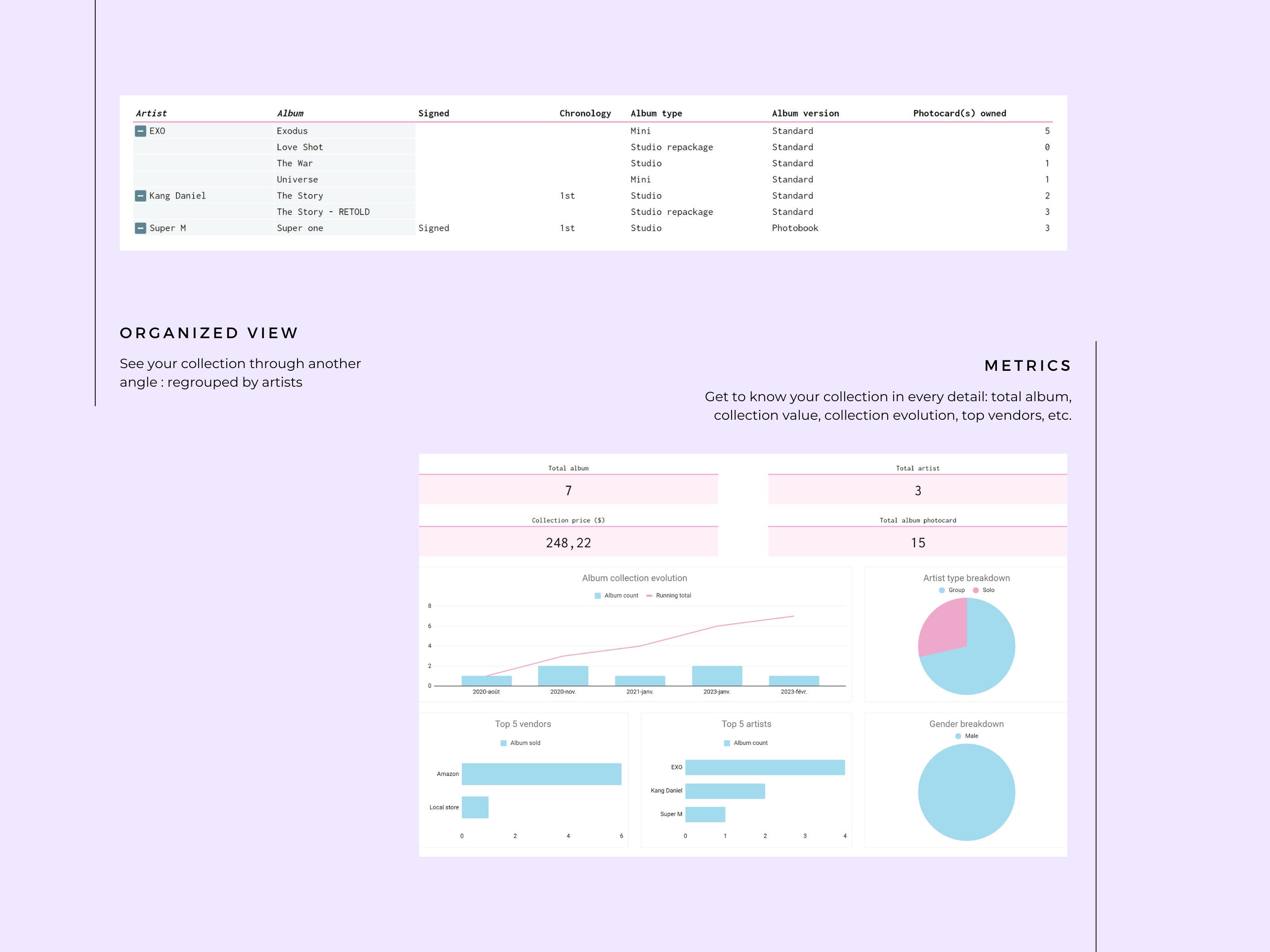
Beyond official charts, album tracking provides actionable intelligence for marketing teams, artist managers, and booking agents. Specialized analytics platforms supply real-time dashboards that break down consumption demographics by geographic region, age bracket, and listening platform. These insights allow teams to target tour routing, adjust advertising spend, and identify emerging secondary markets where an album is gaining organic traction.
For independent artists without major label infrastructure, access to tracking data through distributor dashboards enables data-driven career planning. By monitoring playlist additions, skip rates, and audience retention metrics alongside traditional consumption units, creators can evaluate the effectiveness of promotional campaigns mid-cycle and pivot their strategies accordingly.
Common Challenges and Discrepancies in Data Verification
Despite technological advancements, album tracking faces persistent challenges regarding data accuracy and market manipulation. Key issues include:
- Artificial Streaming: Bad actors sometimes employ automated scripts or bot networks to generate non-human streams, artificially inflating track equivalent album units.
- Retail Reporting Delays: Discrepancies can occur when independent retailers fail to report point-of-sale data within the mandatory tracking window, leading to delayed chart entries.
- Bundle Policies: Changes in chart rules regarding merchandise and ticket bundles have altered how sales associated with physical items are counted, requiring constant adaptation by marketing teams.
- Cross-Border Consumption: Global streaming behavior makes it difficult to attribute specific consumption units to exact geographic territories when listeners use VPNs or cross-border accounts.
Data aggregators continuously refine their anomaly-detection algorithms to combat these issues, discounting suspicious streams and auditing retail partners to preserve the credibility of industry metrics.
Frequently Asked Questions About Album Tracking
What constitutes a single album sale in modern chart tracking?
A single album sale includes the purchase of one physical unit (such as a vinyl record, CD, or cassette) or one complete digital download file from an authorized retailer. Additionally, consumption-based equivalents, such as a designated threshold of individual track purchases or audio streams, contribute to overall album unit totals.
How do streaming numbers convert into album units?
Streaming figures convert into album units through Stream Equivalent Albums (SEA) formulas established by chart authorities. These formulas generally assign different values to paid subscription streams versus ad-supported streams, requiring a higher volume of free-tier streams to equal one traditional album sale.
When does the official weekly tracking period begin and end?
In major global music markets, the standard tracking week begins at 12:00 AM on Friday and ends at 11:59 PM on the following Thursday. All commercial transactions and listening data captured within this window count toward the charts published the subsequent week.
Do direct-to-consumer webstore sales count toward official charts?
Yes, direct-to-consumer sales count toward official charts provided the webstore partners with certified data reporting agencies. These stores must verify that physical items or digital downloads are fulfilled and shipped to consumers within acceptable timeframes established by chart regulators.
Why do some physical album sales get delayed in chart reporting?
Physical sales can experience reporting delays if independent record stores miss the designated electronic reporting deadlines set by data providers. When this happens, those sales may appear in subsequent chart weeks rather than the week the transaction actually occurred.
Optimizing Marketing Strategies Using Tracked Data
Maximizing the impact of an album release requires aligning promotional pushes with the specific mechanics of data tracking windows. Artists and labels should coordinate pre-save campaigns, physical merchandise drops, and single releases to concentrate consumption volume within a single tracking week, thereby strengthening opening-week chart positions. Monitoring daily consumption trends through distributor analytics also allows teams to identify viral moments on social media platforms and rapidly deploy targeted digital advertising to convert casual listeners into verified album consumers.