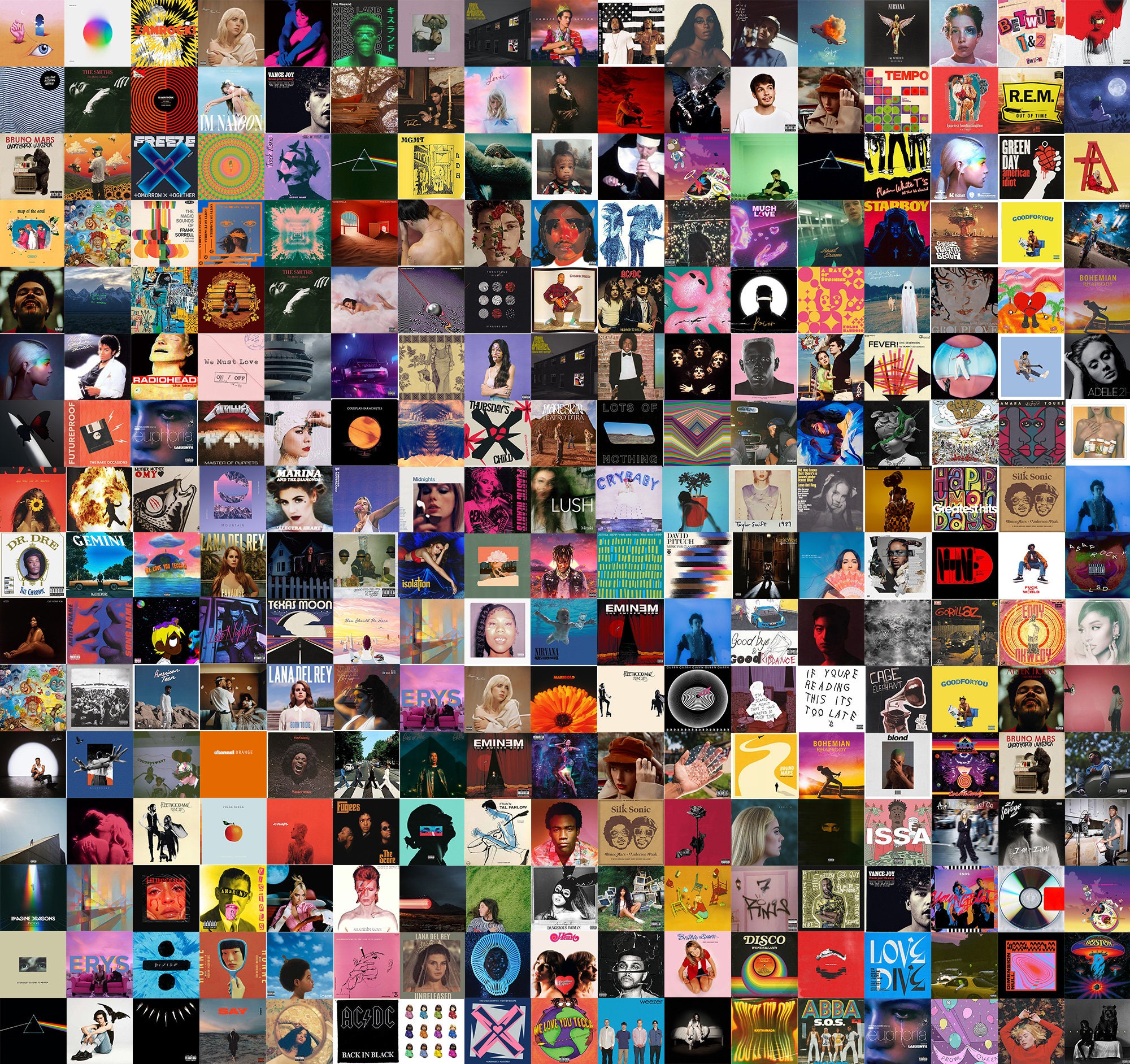
Album art serves as the primary visual ambassador for recorded music, bridging the gap between auditory experience and physical or digital packaging. From the golden era of 12-inch vinyl gatefolds to modern high-resolution streaming thumbnails, professional cover design requires a precise balance of artistic vision, technical specifications, and platform compliance.
Historical Evolution and the Cultural Impact of Cover Design
The history of album art transformed a protective cardboard sleeve into a powerful cultural canvas. Before Alex Steinweiss introduced illustrated packaging for Columbia Records in 1938, records were sold in plain brown or grey paper wrappers with basic text. Steinweiss recognized that visual storytelling could dramatically increase consumer desire and record sales. This innovation turned record sleeves into spaces for graphic experimentation, photography, and fine art, giving visual identities to musical genres from jazz and classical to rock and electronic music.
As music consumption shifted across technological formats, cover design adapted to new physical constraints and opportunities. The transition from 78 RPM shellac albums bound in book-like folios to the 12-inch LP in 1948 established the classic square canvas that defined generations of visual culture. Later, the cassette tape introduced compact j-cards that required micro-typography and scalable graphics, while the compact disc (CD) shrank the standard canvas to 4.75 by 4.75 inches, prompting multi-page booklets and intricate tray cards. Today, digital streaming platforms present covers primarily as dynamic, small-scale thumbnails on mobile devices, changing how designers approach legibility, contrast, and visual hierarchy.
Technical Specifications and Platform Standards for Digital Distribution
Modern digital distribution demands strict adherence to technical parameters to ensure that covers render correctly across global streaming networks like Spotify, Apple Music, and Amazon Music. Failing to meet platform guidelines can result in rejected uploads, delayed releases, or automated downscaling that ruins visual fidelity. Digital stores enforce strict pixel-dimension rules to maintain a pristine user experience across high-density retina displays and desktop monitors.
The universal industry standard for digital album art requires a square image with specific resolution and color space attributes. Platforms mandate lossless file formats, typically JPEG or PNG, coupled with the sRGB color profile to guarantee accurate color reproduction across diverse screens and operating systems. Below is a detailed breakdown of core technical requirements enforced by major digital service providers and aggregators.
| Specification Parameter | Standard Requirement | Notes & Best Practices |
|---|---|---|
| Image Dimensions | Minimum 3000 x 3000 pixels | Must be perfectly square (1:1 aspect ratio) for optimal scaling. |
| Color Space | sRGB | Prevents color shifting from professional print CMYK profiles. |
| File Formats | JPEG or PNG | Lossless or high-quality compression to avoid artifacts. |
| Resolution | 300 DPI (if originating from print) | Ensures sharpness when viewed at maximum digital expansion. |
| File Size | Under 50 MB (varies by distributor) | Excessively large files may fail automated ingestion pipelines. |
Typography, Layout, and Visual Hierarchy Principles
Effective album design relies on clear typography and deliberate visual hierarchy to communicate essential information instantly. When a listener encounters a thumbnail on a smartphone screen, they should immediately discern the artist name and release title without straining their eyes. Overly complex or ornamental typefaces often obscure readability at small sizes, leading to poor user engagement and a lack of professional polish.
Designers utilize grid systems and focal points to guide the viewer’s eye across the canvas. The primary subject matter—whether it is an illustration, typography-driven composition, or photography—should occupy the visual center of gravity. Furthermore, text placement must account for platform overlays, such as explicit content warning badges that streaming services automatically superimpose onto the bottom-left or corner sections of the artwork. Keeping vital typography clear of these automated UI safe zones protects the overall layout from visual obstruction.
Licensing, Copyright, and Legal Considerations
Using unauthorized photography, trademarked logos, or copyrighted fine art on a music release exposes creators to severe legal liability, takedown notices, and financial penalties. Securing proper rights requires proactive legal clearance before distributing the work commercially. Artists working with independent graphic designers must secure explicit commercial usage rights or a complete copyright assignment through a written contract, ensuring that the designer does not retain ownership claims that could complicate future merchandising or sync licensing deals.
When incorporating public domain imagery, archival photographs, or third-party samples into a collage, creators must verify that the source material is entirely free of copyright restrictions or obtain formal licensing agreements. Stock photography platforms offer straightforward commercial licenses, but creators must read the fine print regarding the redistribution of digital files versus physical merchandise. Independent musicians should never capture images from internet searches without explicit permission, as copyright infringement claims can halt distribution channels instantly across all major streaming services.
Preparing Print-Ready Packaging for Vinyl and CDs
While digital streaming dominates contemporary consumption, physical media manufacturing requires specialized prepress preparation that differs substantially from digital screen standards. Vinyl gatefolds, cassette j-cards, and CD jewel-case booklets demand precise bleed areas, safety margins, and color conversions from sRGB to CMYK. Printers use physical plates that mix cyan, magenta, yellow, and black inks, which can alter vibrant digital neon colors into duller printed tones if color management is ignored.
Prepress preparation involves extending background imagery into the bleed zone—typically an extra 1/8 inch beyond the final trim line—to prevent white paper edges from showing if the cutting blade shifts slightly during manufacturing. Designers must also establish crisp dieline templates provided by the manufacturing plant, ensuring that fold lines, spine widths, and barcode placement zones align perfectly with physical packaging specifications. Reviewing hardcopy proofs before mass production safeguards against unexpected text truncation, alignment errors, and unsatisfactory ink densities.
Common Mistakes to Avoid in Cover Design
Navigating the creation process successfully involves avoiding frequent pitfalls that undermine both artistic impact and technical compliance. Recognizing these recurring errors saves time during distribution and protects the visual brand integrity of the release.
- Submitting Non-Square Images: Uploading rectangular or improperly cropped files triggers immediate rejection by digital aggregators.
- Ignoring Thumbnail Legibility: Designing intricate details that vanish entirely when scaled down to a 50x50 pixel mobile app icon.
- Using RGB Color Profiles for Print: Neglecting to convert files to CMYK for physical manufacturing, resulting in muddy or unexpected color shifts.
- Placing Text in UI Safe Zones: Allowing crucial artist names or album titles to be covered by automated streaming platform badges.
- Failing to Clear Copyrights: Using unauthorized imagery, unverified fonts, or copyrighted logos without proper commercial licensing agreements.
Frequently Asked Questions
What are the exact size requirements for digital album art?
Major digital service providers and music distributors require album art to be an exact square with a minimum resolution of 3000 x 3000 pixels. The file should be saved in the JPEG or PNG format using the sRGB color space, keeping the overall file size under the distributor's maximum limit, which is typically 50 megabytes.
Can I use a photo from the internet for my cover art?
No, using an internet image without explicit permission constitutes copyright infringement. All visual elements, including photographs, illustrations, and specialized fonts, must either be original creations, purchased under a valid commercial license, or verified as being in the public domain.
What is the difference between sRGB and CMYK color profiles?
The sRGB color profile is optimized for digital screens and electronic displays, utilizing red, green, and blue light. CMYK is a subtractive color model using cyan, magenta, yellow, and black inks specifically designed for physical printing presses. Using sRGB for print manufacturing can cause significant color inaccuracies.
How do explicit content badges affect album art layout?
Streaming services automatically overlay explicit content warning icons onto the bottom corner of release thumbnails. Designers should avoid placing critical text, logos, or primary focal points in these designated lower-left or corner regions to ensure important information remains fully visible.
Do I own the copyright to my commissioned album art?
Ownership depends entirely on the written agreement signed with the graphic designer. Unless a contract explicitly states that copyright ownership is transferred to the musician, the designer legally retains the copyright to the artwork, which may restrict future merchandise or derivative use without further licensing.
Optimizing Your Release Workflow
Begin your visual production phase well in advance of your distribution upload deadline to allow adequate time for file conversion, legal verification, and quality assurance checks. Verify every technical specification against your chosen distributor’s exact submission portal guidelines before initiating final exports. By aligning artistic vision with rigorous technical and legal standards, you ensure that your release maintains a professional standard across every digital and physical medium.