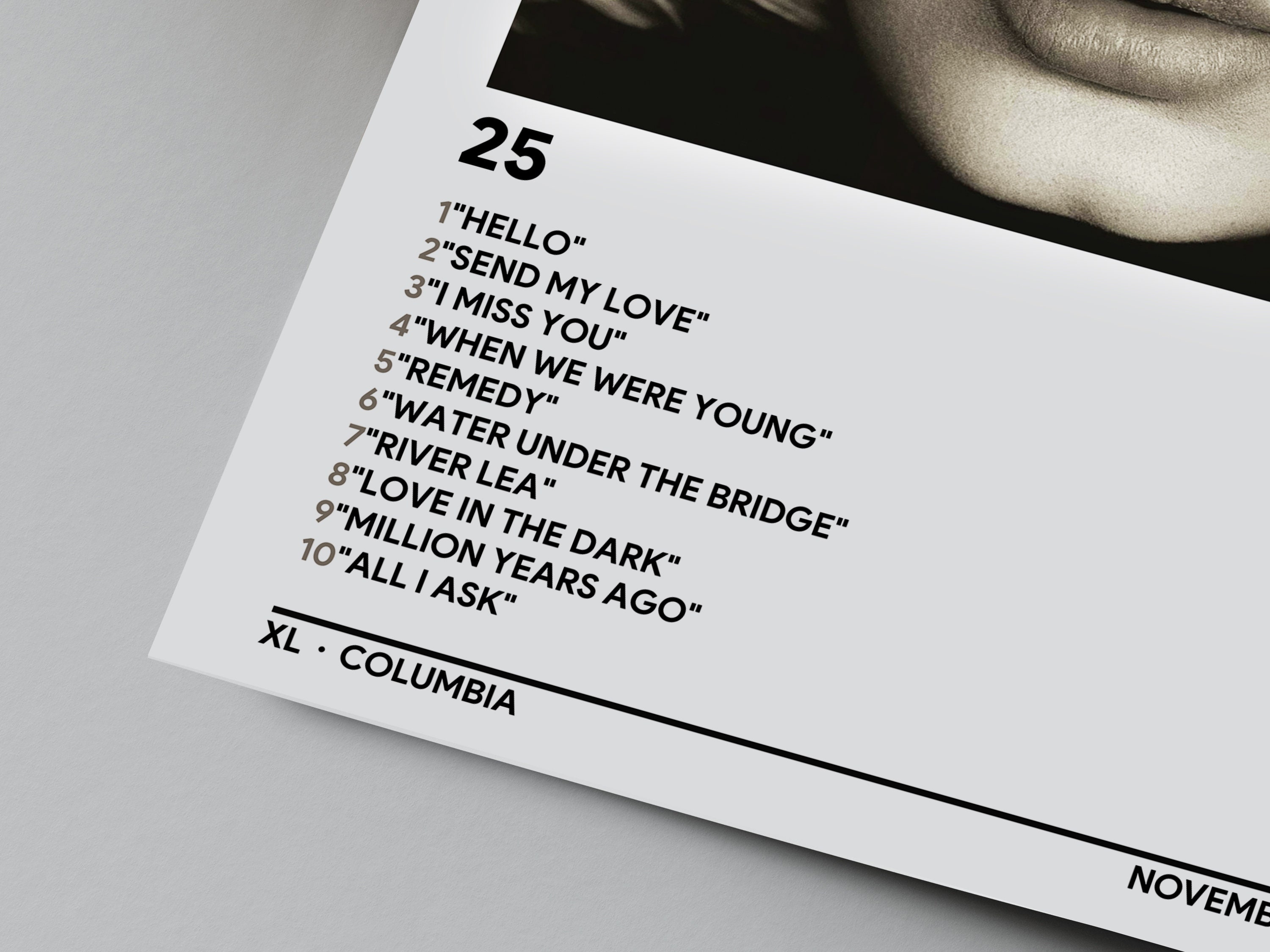
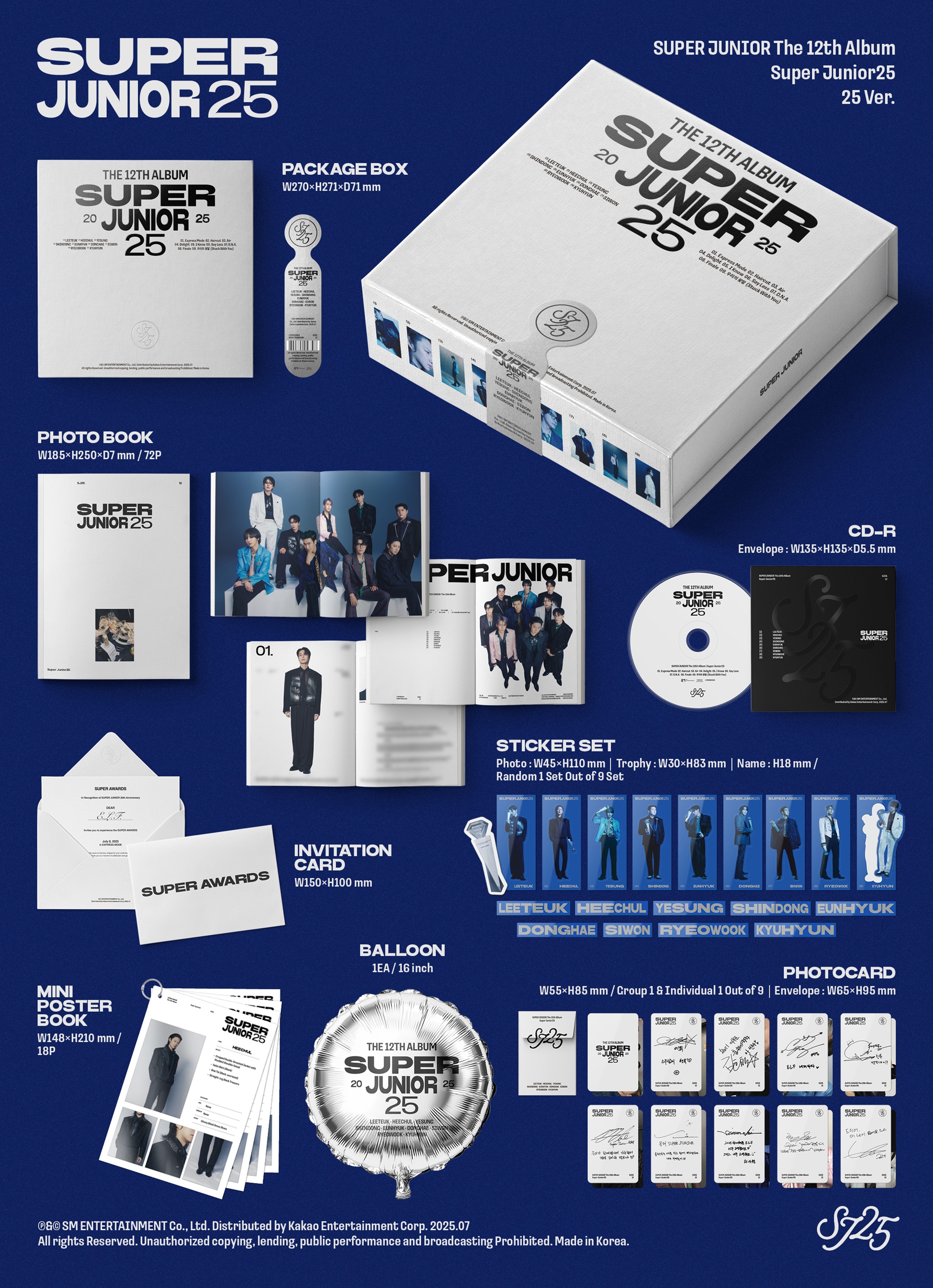
Album 25 typically refers to a milestone release, a catalog designation, or a specific title within a recording artist's discography, requiring careful contextualization to distinguish between an artist's twenty-fifth studio project, a commemorative box set, or a specific franchise volume. Navigating these releases involves evaluating track listings, production credits, physical formats, and distribution history to understand their precise place in contemporary music archives.
Defining the Scope and Significance of Numbered Musical Releases
In the modern music industry, catalog numbering conventions serve multiple administrative and creative functions. When fans or archivists reference an album as number twenty-five, they are usually examining a prolific career where an artist has crossed a major threshold of sustained output. Unlike debut records or sophomore follow-ups, a twenty-fifth installment carries the weight of a long-term artistic evolution, shifting production technologies, and changing audience expectations.
Establishing the exact identity of such a release requires verifying whether the count includes independent mixtapes, live albums, collaborative side projects, or strictly official studio recordings. Many heritage artists maintain divergent catalog counts depending on whether regional variants or streaming-exclusive compilations are factored into the official discography. Consequently, researchers must rely on primary publisher databases, official copyright registrations, and authorized liner notes to resolve discrepancies in numbering systems.
Key Specifications and Format Variations
Reaching a twenty-fifth major release often coincides with diverse physical and digital format strategies designed for both casual listeners and dedicated collectors. Understanding these configurations helps consumers select the appropriate edition for their collection or listening setup.
| Format Type | Typical Distribution | Collector Considerations | Audio Fidelity Characteristics |
|---|---|---|---|
| Standard Digital | Streaming platforms and digital storefronts | Easily accessible; lacks physical artifacts | Compressed lossy formats (AAC/MP3) or standard lossless (FLAC/ALAC) |
| Compact Disc (CD) | Retail music stores and artist webshops | Standard packaging; often includes lyric booklets | Red Book standard (16-bit/44.1 kHz uncompressed PCM) |
| Vinyl LP | Independent record shops and direct-to-consumer | Colored variants, gatefold sleeves, heavy-weight pressings | Analog warmth; dynamic range mastering specific to vinyl grooves |
| Deluxe Box Set | Limited-edition releases via official channels | Includes outtakes, posters, unreleased demos, and hardcover books | Varies; often features high-resolution digital audio files or remastered vinyl |
Evaluating these formats involves weighing accessibility against tactile ownership and sound reproduction preferences. While digital streaming dominates contemporary consumption, milestone releases frequently drive physical sales through specialized packaging and exclusive bonus material.
Navigating Verification and Metadata Challenges
When dealing with high-number catalog entries, metadata discrepancies across streaming services and digital aggregators are common. Track sequencing errors, misspelled contributor credits, and misattributed release dates can complicate research and listening experiences.
To verify the authenticity and correct lineage of a milestone album, listeners should consult recognized industry registries and licensing databases. Cross-referencing International Standard Recording Codes (ISRCs) and catalog numbers issued by the holding record label provides a definitive method for confirming track origins and production credits. This level of verification is especially vital when distinguishing between original studio versions, radio edits, and posthumous or archival reassemblies.
Assessing Artistic Evolution Across Extended Discographies
An artist who reaches a twenty-fifth album typically demonstrates a fascinating trajectory of stylistic adaptation. Reviewing such a body of work reveals how production aesthetics shift from early analog recording techniques to modern digital workstations, software plugins, and immersive spatial audio mixing.
Listeners examining these mature works often look for recurring lyrical themes, signature vocal treatments, or instrumental motifs that persist across decades. At the same time, critical analysis focuses on how the artist balances fan nostalgia with contemporary sonic trends. Recognizing these elements prevents misinterpretations of an album's intent, ensuring that experimental departures or stylistic returns are viewed within the proper historical and creative context.
Common Pitfalls in Catalog Research and Collection
Researchers and collectors frequently encounter specific obstacles when organizing or studying extensive discographies. Awareness of these common errors saves time and prevents misidentification of rare or altered pressings.
- Confusing international track listings where bonus tracks or alternate sequences vary between domestic and export editions.
- Overlooking remastered reissues that replace original mix dynamics with modern loudness-maximized mastering.
- Relying on user-generated wikis without verifying primary source documentation from copyright offices or official label announcements.
- Misidentifying promotional sampler discs or radio station broadcast LPs as standard commercial retail releases.
Avoiding these missteps requires a disciplined approach to source evaluation, prioritizing verified industry data over secondary claims found on unmoderated forums or unofficial marketplaces.
Frequently Asked Questions
What does the number in a catalog title like album 25 usually signify?
The number typically represents the chronological placement of the release within an artist's official studio discography, though it can occasionally refer to an anniversary edition, a volume in a compilation series, or a specific label catalog identifier.
How can I verify the correct track listing for a milestone release?
Verifying a track listing requires checking the official release notes provided by the distributing record label, consulting copyright registration databases, or examining the physical liner notes of certified first-press editions.
Are digital streaming versions identical to original physical pressings?
Streaming versions frequently feature modern digital remasters, altered sequencing, or updated licensing arrangements that may differ noticeably from the original vinyl or compact disc pressings released years prior.
Why do some discographies disagree on an artist's total album count?
Disagreements arise because different sources use varying criteria to define an album, sometimes including live recordings, EPs, independent self-released projects, or regional exclusives while other sources strictly count major-label studio albums.
What precautions should collectors take when purchasing limited-edition box sets?
Collectors should verify the edition size, confirm whether the contents include original master tapes or digital transfers, and purchase directly from authorized retailers to avoid counterfeit or deceptively marketed goods.
Practical Recommendations for Collectors and Researchers
For individuals cataloging extensive music collections or conducting formal research on long-standing recording careers, maintaining a standardized metadata management system is essential. Always record the specific matrix number found in the runout groove of vinyl records or the IFPI code on compact discs to ensure precise identification of pressings. When citing or reviewing milestone recordings, clearly state the exact edition, release year, and format examined to maintain accuracy in your documentation or analysis.