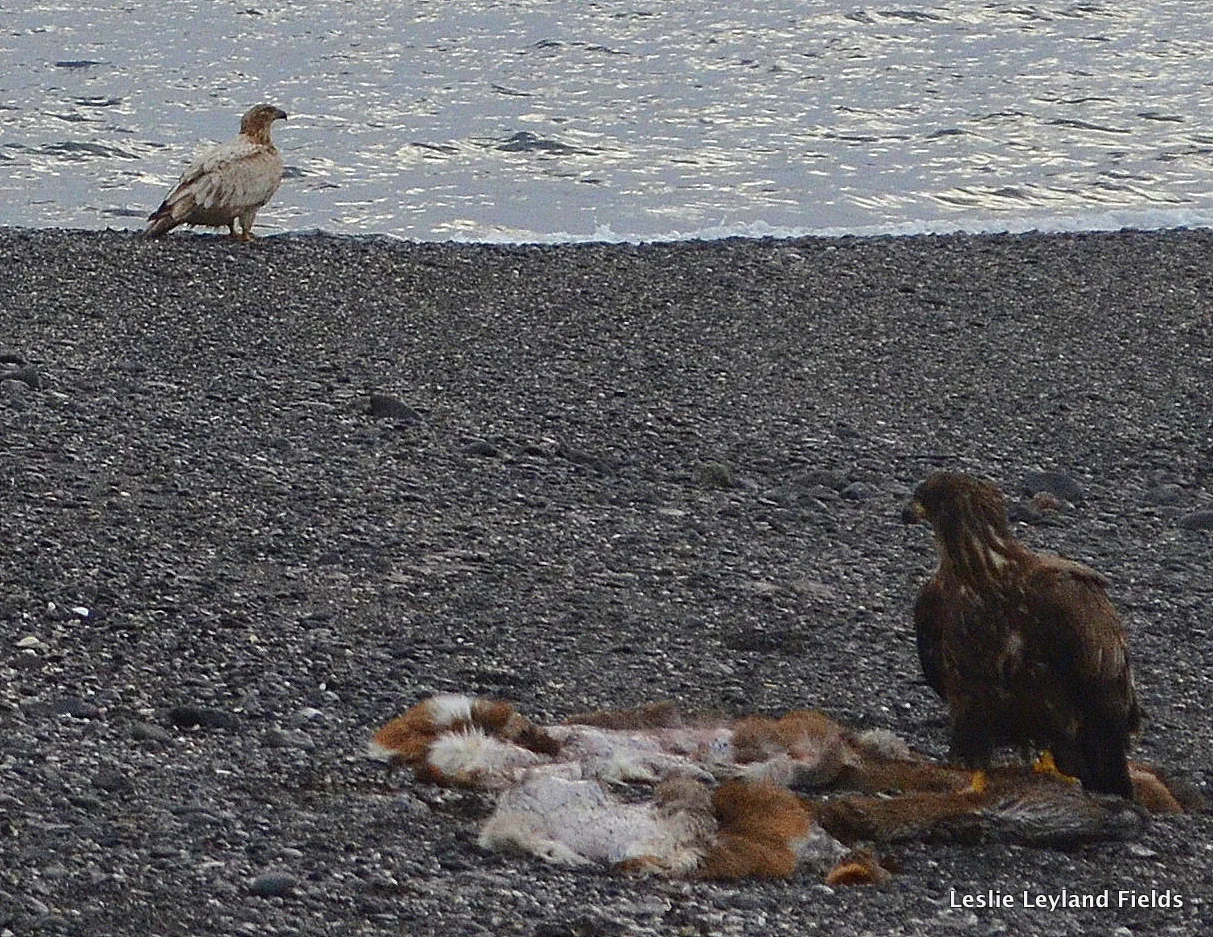
An albino eagle is an exceptionally rare avian phenomenon caused by a complete genetic mutation that prevents the production of melanin. These striking white raptors command public fascination and scientific interest, turning routine birdwatching into global news while offering valuable insights into avian genetics, natural selection, and wildlife ecology.
Decoding the Genetic Root of Albinism in Raptors
To understand why an albino eagle appears so rarely in the wild, one must first examine the genetic mechanisms governing pigmentation in birds. Albinism is a congenital, heritable condition transmitted via an autosomal recessive inheritance pattern. For a wild eagle to exhibit true albinism, both parent birds—even if they possess standard plumage—must carry the recessive mutated gene and pass it on to their offspring.
Unlike leucism, which is a partial reduction in multiple types of pigment, true albinism represents a total biochemical blockade. The enzyme tyrosinase, which is fundamentally responsible for synthesizing melanin, is either absent or entirely inactive. Consequently, the bird cannot produce eumelanin (which creates black and dark brown tones) or pheomelanin (which produces red and yellow hues).
This genetic failure extends far beyond external feathers. True albinism affects the eyes, bill, talons, and internal physiological structures. Because melanin is necessary for normal ocular development, albino eagles characteristically display pale pink or translucent red eyes. Light passes directly through the unpigmented iris, rendering these apex predators visually sensitive and frequently compromising their binocular acuity.
Albinism Versus Leucism: Clarifying Avian Color Variations
Observers frequently misidentify pale or white raptors, grouping true albinism together with other distinct pigmentation anomalies. Accurate scientific classification requires recognizing the precise physiological differences between albinism, leucism, and normal color phases like those seen in white morph Gyrfalcons or juvenile Bald Eagles undergoing natural molting stages.
| Pigmentation Condition | Feather Coloration | Eye Color | Bill and Talon Color | Genetic Mechanism |
|---|---|---|---|---|
| True Albinism | Pure stark white across all plumage | Pink, red, or pale blue due to visible blood vessels | Light pink, ivory, or pale yellow | Total absence of melanin production caused by tyrosinase deficiency |
| Leucism | Patchy white, pale silver, or completely white | Normal dark coloration | Normal dark coloration | Partial or total reduction in pigment cell distribution during development |
| Normal Juvenile Phase | Mottled brown, white, and tan variation | Dark brown | Yellowish-gray transitioning to bright yellow | Standard developmental maturation and pigment distribution |
Leucism is significantly more common than albinism. Leucistic eagles retain normal eye and skin pigmentation because their pigment-producing cells (melanocytes) are merely absent from specific feather tracts rather than biochemically nonfunctional throughout the entire body. Furthermore, standard developmental phases must not be confused with genetic anomalies. Young Bald Eagles (Haliaeetus leucocephalus) pass through various mottled brown and white stages for up to five years before acquiring their iconic white head and tail feathers, occasionally prompting erroneous public reports of rare mutant sightings.
Why Albino Eagle Sightings Captivate the Public
The sudden appearance of an all-white apex predator immediately generates intense public interest, local media coverage, and specialized birdwatching tourism. When an albino eagle establishes a temporary territory or visits a wintering site, wildlife photographers and ornithology enthusiasts travel significant distances to document the anomaly.
This fascination stems from the striking visual contrast between the bird's appearance and cultural expectations. Eagles are universally recognized as dark, powerful silhouettes soaring against blue skies or coastal waters. An ivory-white counterpart shatters this archetype, evoking mythological imagery and commanding immediate attention.
However, these high-visibility sightings also introduce management challenges for wildlife agencies and local conservation groups. Unregulated crowds can cause severe behavioral disruption. Well-meaning photographers attempting to secure close-range images frequently flush the sensitive raptor from resting perches, forcing the bird to expend critical metabolic energy reserves during vulnerable winter months or nesting seasons.
Evolutionary Pressures and Ecological Survival Challenges
While human observers marvel at the pristine beauty of an albino eagle, the biological reality for the individual bird is exceptionally harsh. Natural selection heavily penalizes total albinism in wild raptor populations, explaining why adult albino eagles documented in the wild represent a minute fraction of a percent.
Structural Vulnerability of Unpigmented Feathers
Melanin polymers do more than provide coloration; they provide structural reinforcement to keratin. Feathers enriched with melanin are significantly more resistant to mechanical abrasion, splitting, and bacterial degradation. The lack of melanin leaves an albino eagle's flight feathers structurally fragile. Over time, sunlight, wind friction, and regular preening cause the unpigmented plumage to fray and degrade much faster than normal feathers, impairing aerodynamic efficiency and long-distance flight endurance.
Impaired Predation and Foraging Success
As apex predators, eagles rely heavily on acute vision and stealth to detect and capture prey such as fish, waterfowl, and small mammals. The absence of ocular melanin causes severe photophobia (extreme sensitivity to bright light). In glaring sunlight or reflective snowscapes, an albino eagle experiences visual distortion and reduced contrast sensitivity, severely hampering its ability to target moving prey from high altitudes.
Furthermore, the lack of natural camouflage destroys the element of surprise. Prey species easily spot the brilliant white silhouette approaching across open waters or timber stands, allowing target animals to escape long before the raptor enters a striking zone.
Social Acceptance and Predator Vulnerability
Within avian hierarchies, unusual physical traits can trigger aggressive conspecific behavior. Other eagles and territorial birds may treat an albino individual as an intruder or anomaly, increasing territorial conflict. Additionally, because the white plumage eliminates natural camouflage against background landscapes, terrestrial predators and rival raptors can spot the bird effortlessly, leaving it disproportionately vulnerable throughout its lifecycle.
Scientific Documentation and Ornithological Research Value
Ornithologists and wildlife researchers view verified sightings of albino eagles as valuable data points for studying population genetics, localized inbreeding depression, and environmental stress factors. When field biologists record an albino specimen, they document geographical coordinates, plumage condition, behavioral competency, and interactions with local populations.
Genetic monitoring helps researchers determine whether albinism in a specific watershed or regional population stems from isolated random mutation or restricted gene flow caused by habitat fragmentation. Isolated raptor populations subjected to geographic barriers may exhibit higher rates of recessive genetic mutations due to localized pairing of related individuals. Documenting these occurrences allows conservation geneticists to assess overall ecosystem health and biodiversity resilience.
Long-term tracking studies occasionally follow individual albino raptors that successfully adapt to local habitats. Documented survivors provide researchers with unique insights into behavioral adaptation, demonstrating how impaired individuals modify hunting strategies, select sheltered micro-habitats, or rely on abundant, easily accessible food sources like fish hatcheries or municipal waste sites to compensate for reduced hunting efficiency.
Conservation Guidelines for Observing Rare Wildlife
Encountering an albino eagle offers a memorable wildlife viewing experience, but ethical observation standards remain paramount to ensure the bird's survival. Wildlife management agencies emphasize strict distance protocols when rare or vulnerable animals draw public attention.
- Maintain Distance: Remain at least 300 to 500 meters away from resting or feeding sites. Use spotting scopes or telephoto lenses rather than attempting to close the physical gap.
- Avoid Baiting: Never use food or artificial stimuli to lure the raptor closer for photography, as this creates dangerous habituation to humans.
- Respect Behavioral Cues: If the eagle alters its posture, bobs its head, alarm-calls, or flushes from a perch, observers are too close and must immediately withdraw.
- Report Responsibly: Share verified sightings with local wildlife authorities or ornithological databases rather than broadcasting precise, unprotected nesting or roosting coordinates that could invite poachers or disruptive crowds.
Responsible observation balances public appreciation with strict conservation ethics, ensuring that rare genetic anomalies receive the protection necessary to survive within complex natural ecosystems.
Frequently Asked Questions About Albino Eagles
Can an albino eagle successfully mate and raise offspring?
An albino eagle can reach sexual maturity and attempt to breed if it successfully overcomes the severe survival hurdles of its first year. However, because albinism is an autosomal recessive trait, the offspring will only exhibit albinism if the mate also carries the specific mutated gene. Most offspring will instead be normal-plumaged carriers of the recessive trait.
Are all white eagles considered albino?
No. Many white eagles are simply normal adult Bald Eagles, which naturally possess pure white head and tail feathers paired with dark brown bodies. Additionally, some white morph Gyrfalcons or leucistic raptors are frequently misidentified as albinos by casual observers who do not examine eye and bill coloration.
Do albino eagles have a shorter lifespan than normal eagles?
In most cases, yes. Due to compromised vision, fragile feather structures, increased visibility to predators, and reduced hunting efficiency, wild albino eagles experience significantly higher mortality rates during their juvenile phase compared to normally pigmented counterparts.
Where are albino eagles most frequently reported?
Albino eagles are not native to any specific geographic region because the condition is a random genetic mutation. Sightings occur sporadically across North America, Europe, and Asia wherever stable eagle populations reside, though reported sightings naturally cluster in areas with high densities of birdwatchers and wildlife photographers.
How can researchers prove an eagle is a true albino rather than leucistic?
Researchers verify true albinism by examining ocular pigmentation. If the bird displays characteristic pink or translucent red eyes resulting from unpigmented blood vessels behind the retina, it is classified as a true albino. Leucistic eagles retain normal dark eye coloration despite having white or pale plumage.