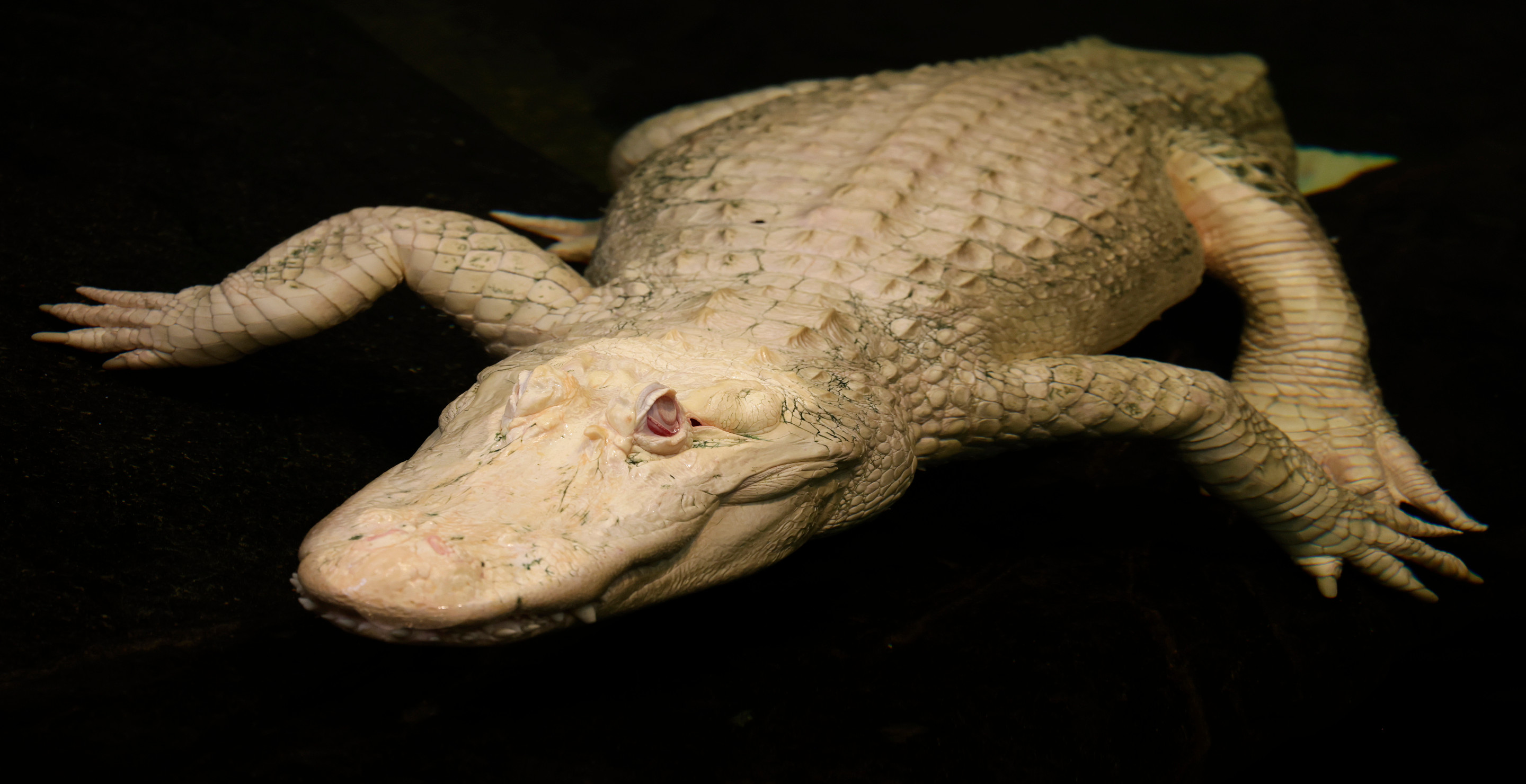
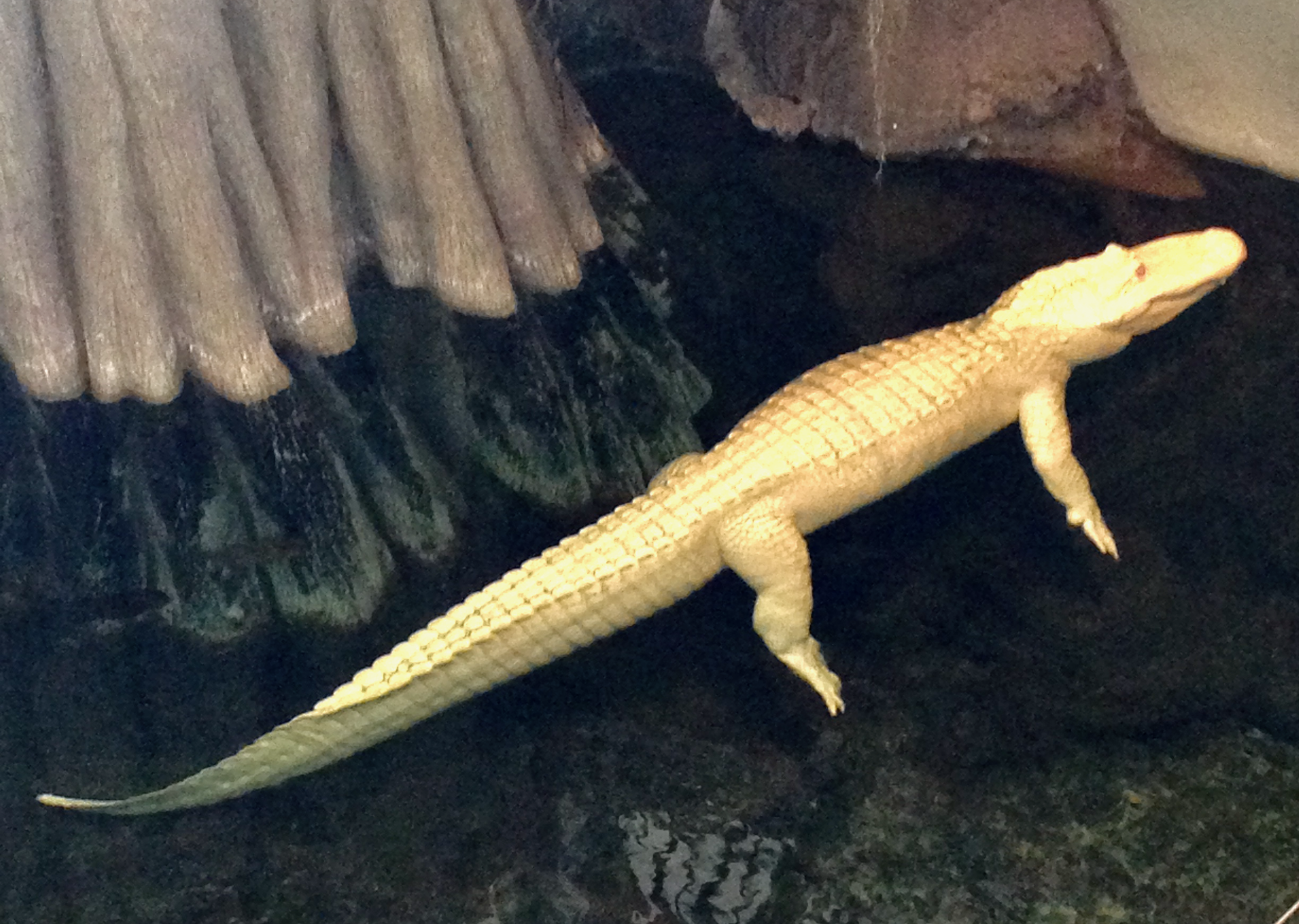
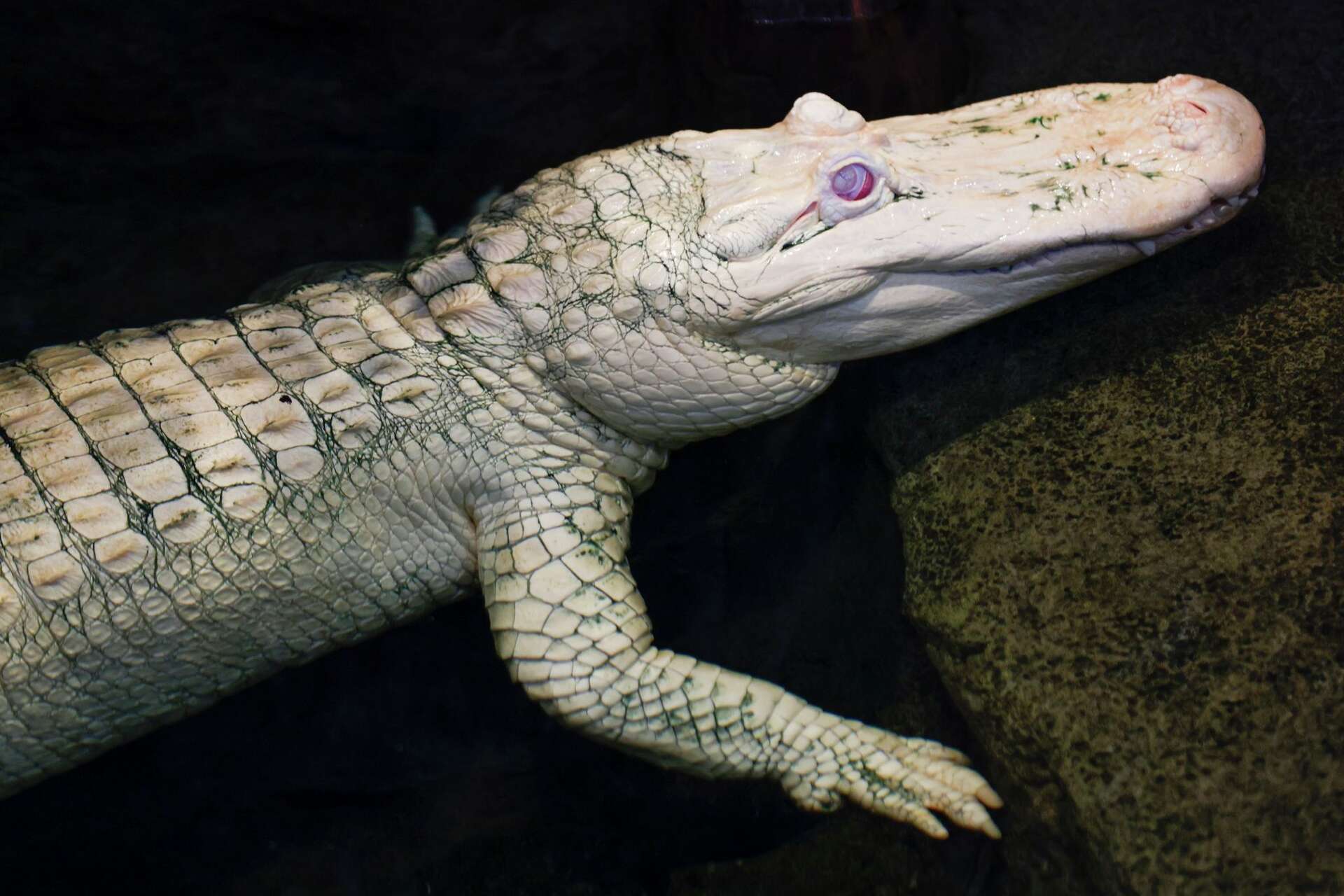
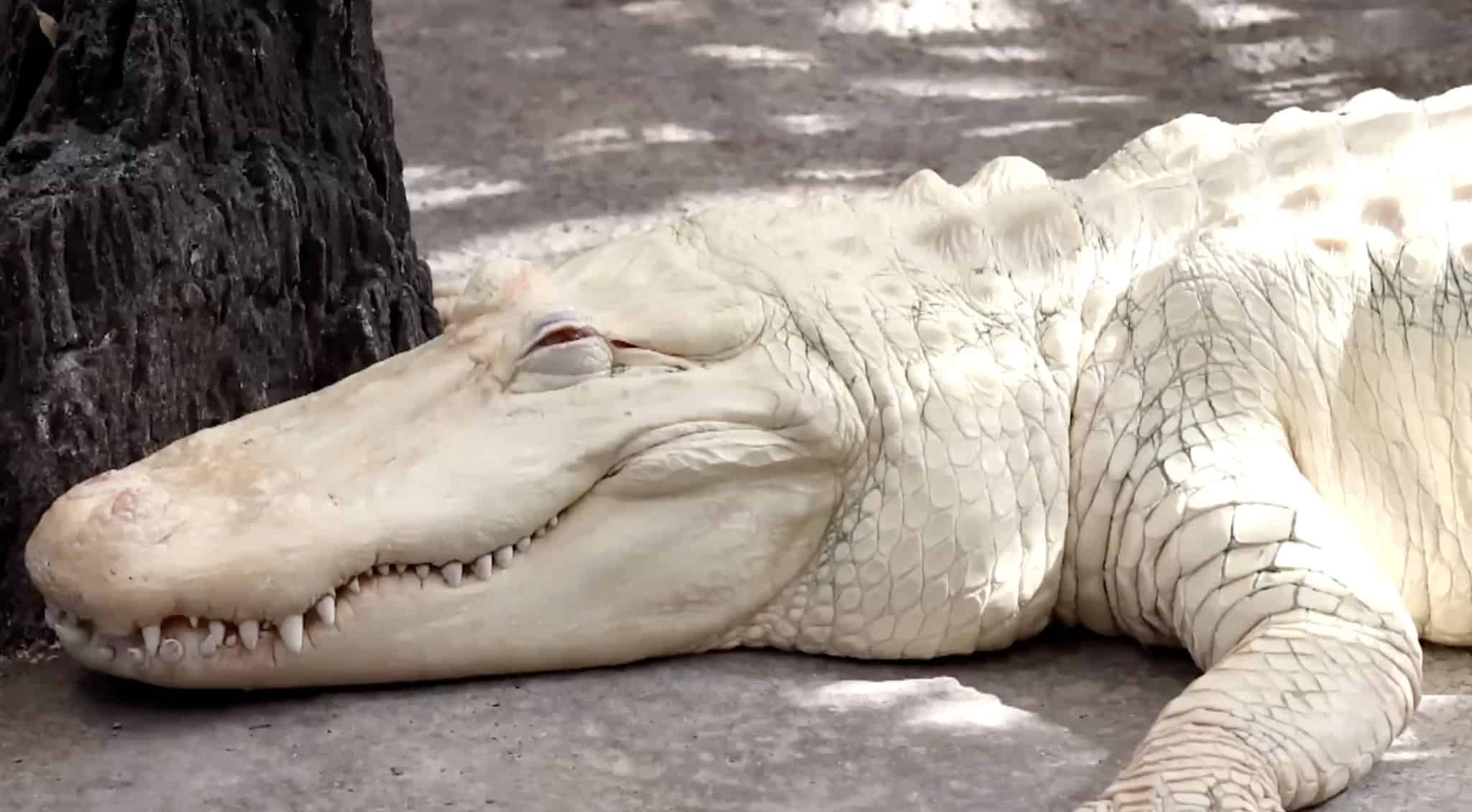
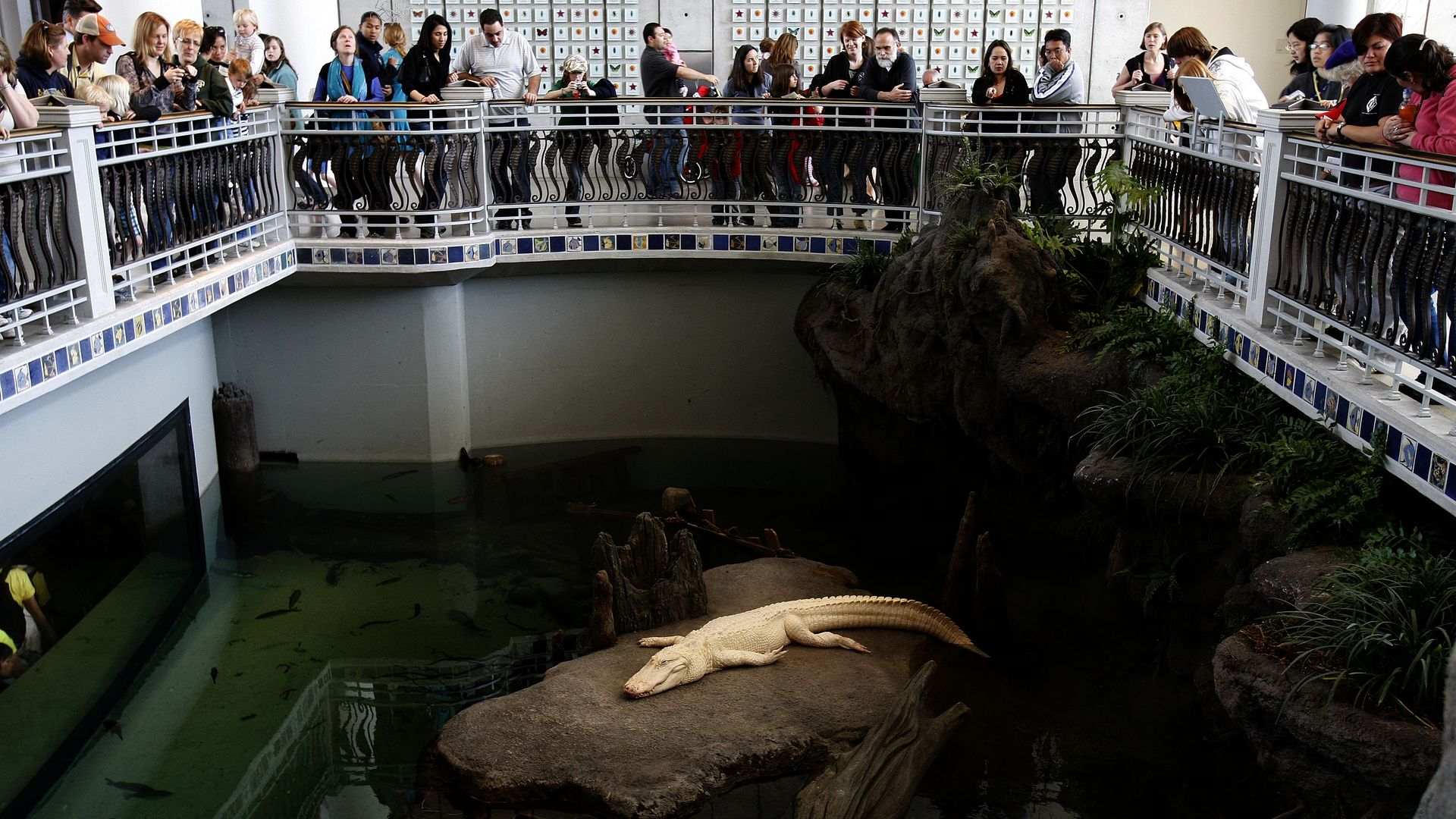
Claude, the famous albino alligator residing at the California Academy of Sciences, represents one of the most remarkable living examples of genetic rarity in the animal kingdom, captivating public imagination and driving a sustained cultural fascination with white reptiles. Unlike standard American alligators (Alligator mississippiensis) that possess the standard dark, camouflage-enabling pigmentation required for survival in swampy ecosystems, Claude exhibits a complete absence of melanin due to a recessive genetic mutation. This distinct physiological makeup not only separates him from his wild counterparts but has also transformed him into an ambassador for wildlife conservation, biological education, and the unique biological challenges faced by leucistic and albino species in human care.
Understanding the allure of Claude and the broader "white reptile takeover" requires an examination of the precise biological mechanics behind albinism, the specialized husbandry required to keep these animals healthy, and the cultural psychology that makes rare color morphs objects of intense fascination.
Biological Foundations of Albinism and Leucism in Crocodilians
Albinism in crocodilians is a rare genetic condition caused by the inheritance of recessive mutant alleles from both parents, which disrupts the normal synthesis of melanin. Melanin is the pigment responsible for coloring skin, scales, eyes, and hair across the animal kingdom. Without it, albino alligators display a stark white or yellowish skin coloration and pink or red eyes, which occur because blood vessels at the back of the retina are visible through the unpigmented iris.
It is vital to distinguish true albinism from leucism, another rare genetic variation frequently grouped under the umbrella of white reptiles. While albino animals completely lack melanin, leucistic animals retain some pigment cells, often resulting in blue eyes and patches of normal coloration alongside pale skin. In major zoological institutions, both conditions are exceptionally rare because wild alligators carrying the recessive gene rarely survive to adulthood. The absence of dark camouflage makes them immediate targets for apex predators during their vulnerable early life stages. Furthermore, the lack of melanin provides no natural defense against ultraviolet solar radiation, leaving unpigmented reptiles highly susceptible to severe sunburns, skin lesions, and vision impairment.
The Life and Habitat of Claude at the California Academy of Sciences
Claude was hatched in Louisiana in 1995 and subsequently relocated to the California Academy of Sciences in San Francisco, where he became a cornerstone of the museum's swamp exhibit. Caring for an albino alligator in a public facility requires sophisticated environmental engineering and specialized husbandry protocols to replicate a safe, controlled habitat. Because ultraviolet radiation poses a severe threat to unpigmented skin, the indoor swamp enclosure must balance necessary ambient lighting with specialized shading structures. Additionally, water temperature, filtration systems, and dietary supplements are meticulously managed by trained herpetologists and veterinary staff to prevent common health issues such as metabolic bone disease and bacterial skin infections.
| Biological Trait | Standard American Alligator | Albino Alligator (Claude) |
|---|---|---|
| Skin Pigmentation | Dark green, black, or grey for camouflage | Pure white or yellowish due to zero melanin |
| Eye Color | Dark brown or amber | Pink, red, or very pale blue due to visible blood vessels |
| Wild Survival Rate | Moderate to high depending on habitat maturity | Extremely low due to predation and UV vulnerability |
| Vision Sensitivity | Adapted to normal daylight and nocturnal hunting | Highly sensitive to bright light and potential partial blindness |
Beyond his physical care, Claude serves an essential educational mission. Millions of visitors encounter him annually, providing educators with a direct platform to discuss genetic diversity, recessive inheritance patterns, and the broader importance of wetland conservation. By observing a living example of a genetic anomaly, the public gains a tangible connection to complex scientific concepts that might otherwise remain abstract.
Cultural Fascination and the Appeal of Rare White Reptiles
The public obsession with Claude and other white reptiles—such as leucistic ball pythons and albino corn snakes—stems from a mix of psychological curiosity, rarity bias, and mythological resonance. Throughout human history, rare white animals have been revered, feared, or mythologized in various cultures as symbols of purity, spiritual power, or supernatural occurrence. In modern media, the striking visual contrast of a white reptile against a naturalistic enclosure background generates immediate viral interest, fueling what some observers playfully term a "reptile takeover" in digital spaces, documentaries, and exotic pet communities.
However, this commercial and cultural demand for rare morphs introduces complex ethical considerations. In the private pet trade, selective breeding for specific color mutations—including albinism and leucism—can inadvertently concentrate deleterious genetic traits, leading to neurological disorders, compromised immune systems, and chronic health problems. Reputable accredited zoos and aquariums, such as the California Academy of Sciences, maintain these animals strictly for education and conservation advocacy rather than commercial propagation, emphasizing animal welfare above novelty.
Conservation Implications and Educational Outreach
While individual animals like Claude capture headlines, their existence highlights broader environmental challenges facing wild populations. Habitat fragmentation, wetland destruction, and climate change continue to threaten native alligator habitats across the southeastern United States. Educational programs centered around unique specimens help build broader public empathy for all reptiles, shifting cultural perceptions away from fear and toward conservation stewardship. When visitors learn about the biological fragility of an albino alligator, they often develop a deeper appreciation for the delicate balance of wetland ecosystems and the species that inhabit them.
Frequently Asked Questions
Why do albino alligators have pink or red eyes?
Albino alligators have pink or red eyes because their bodies cannot produce melanin, the pigment that normally colors the iris. Without this pigment, light reflects off the blood vessels located at the back of the retina, making the eyes appear pink or red and causing increased sensitivity to bright light.
Can albino alligators survive in the wild?
No, albino alligators have an extremely low chance of survival in the wild. Their lack of dark pigmentation removes their natural camouflage, making them easily spotted by predators when they are young. Additionally, the lack of melanin offers no protection against harmful ultraviolet rays, leading to severe sun damage and vision problems.
How old is Claude the alligator?
Claude was hatched in 1995, making him over three decades old. In human care, with controlled temperatures, specialized veterinary oversight, and a protected environment, alligators can live well past fifty years of age.
What is the difference between albinism and leucism?
Albinism is a complete genetic absence of melanin, typically resulting in white skin and red or pink eyes. Leucism is a condition where pigmentation cells are partially reduced or lost across the body, but the eyes often retain normal or blue coloration because pigment cells remain present in the optical tissue.
Why is Claude housed indoors?
Claude is housed indoors to protect him from direct sunlight. Because he lacks melanin, natural UV radiation can cause severe sunburns and skin damage. Indoor habitats allow curators to control lighting intensity and provide safe, shaded zones.
Ensuring Proper Welfare in Specialized Reptile Care
Anyone interested in the broader husbandry of unique reptile morphs must prioritize specialized environmental controls, including precise temperature gradients, regulated UVB exposure, and veterinary oversight. Ensuring high standards of animal welfare remains paramount, whether managing an institutional ambassador like Claude or studying natural genetic variations in herpetology.