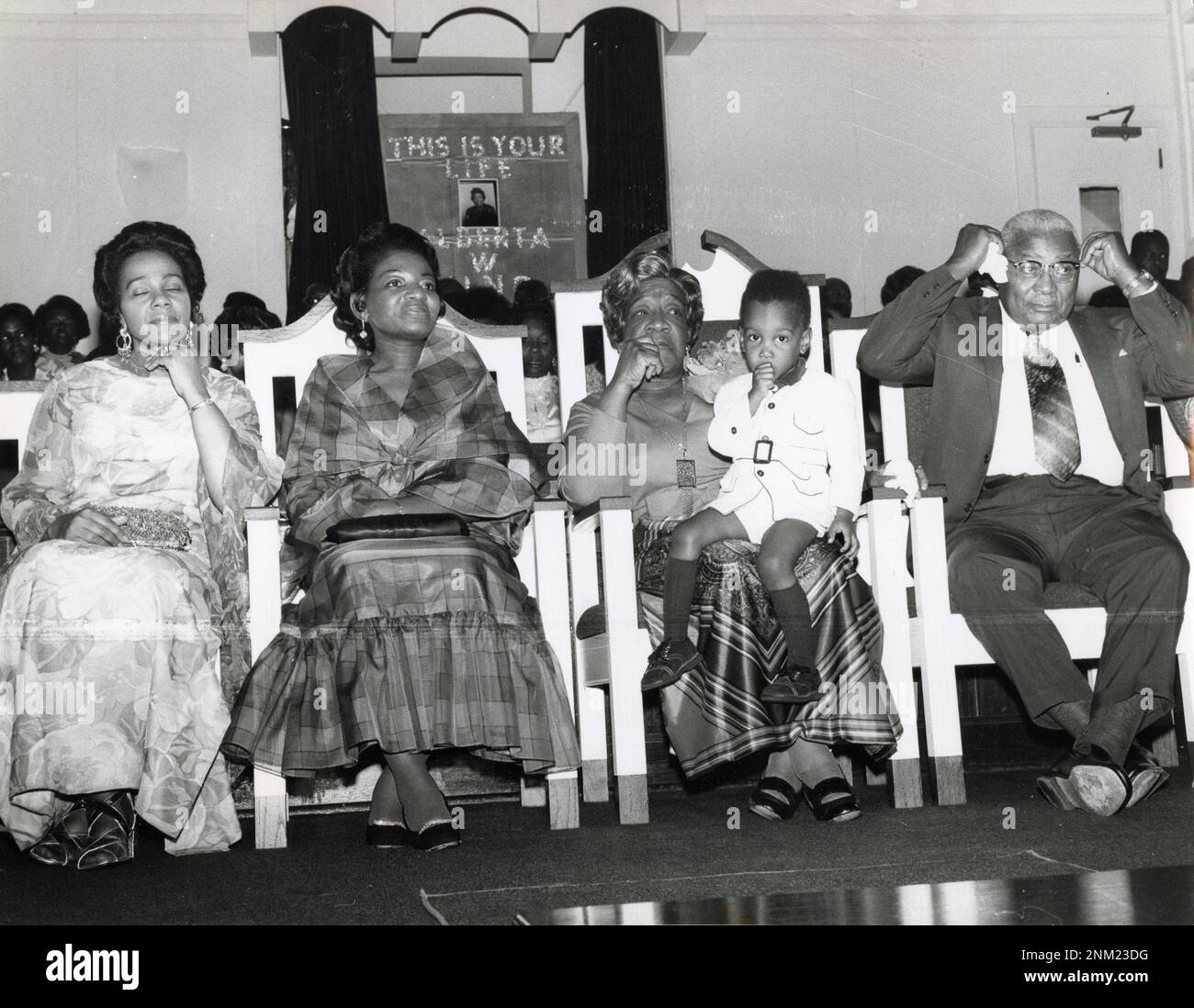
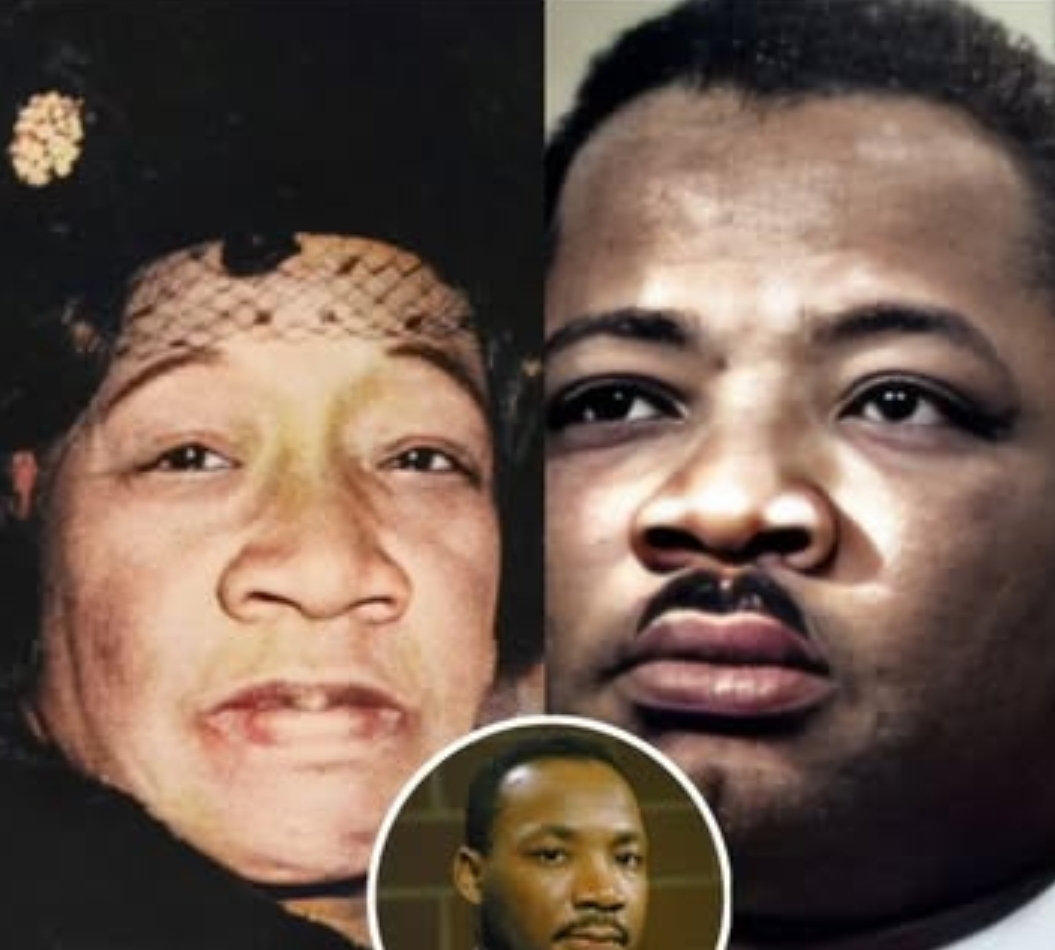
Alberta Williams King was a foundational figure in the American Civil Rights Movement, best known as the mother of Martin Luther King Jr., an accomplished church musician, and a devoted community leader. Her life bridged the era of Jim Crow segregation and the tumultuous rise of twentieth-century civil rights activism, shaping the moral and spiritual foundation of one of history’s most influential leaders.
Early Life and Family Background
Born Alberta Christine Williams on September 13, 1904, in Atlanta, Georgia, she grew up immersed in the traditions of the Black church. Her father, the Reverend Adam Daniel Williams, was a prominent minister and a key figure in Atlanta’s religious and civic community. He served as the pastor of Ebenezer Baptist Church, a cornerstone of the city’s African American religious life. Her mother, Jennie Celeste Parks Williams, instilled a deep appreciation for education, refinement, and service within the household.
Growing up in the parsonage of Ebenezer Baptist Church provided Alberta with a front-row seat to pastoral leadership and community organization. She attended Atlanta’s public schools before pursuing higher education at Hampton Institute (now Hampton University) in Virginia and Sporton College (now Spelman College), where she earned a teaching certificate in 1924. Before dedicating her life fully to church music and family ministry, she briefly worked as a schoolteacher, applying her educational background to uplift youth in her community.
Marriage to Martin Luther King Sr. and Life at Ebenezer Baptist Church
In 1926, Alberta married Martin Luther King Sr., then a young and ambitious minister. Following the death of Reverend A.D. Williams in 1931, Martin Luther King Sr. assumed the pastorate of Ebenezer Baptist Church. This transition cemented the family’s central role in Atlanta's religious establishment. Alberta stood beside her husband as co-laborer, navigating the demands of a growing congregation through the Great Depression, World War II, and the nascent stages of the civil rights struggle.
As the first lady of Ebenezer, Alberta played a vital, multifaceted role. She directed the church choir for decades, elevating sacred music into a powerful vehicle for spiritual expression and community cohesion. Under her musical leadership, the Ebenezer choir became renowned throughout the region. Beyond music, she organized women's groups, taught Sunday school, and mentored young parishioners, fostering an environment of grace, resilience, and high ethical standards.
| Life Milestone | Year / Period | Key Details |
|---|---|---|
| Birth | September 13, 1904 | Born in Atlanta, Georgia, to Rev. A.D. and Jennie Williams. |
| Education | 1924 | Completed studies at Spelman College. |
| Marriage | 1926 | Married Martin Luther King Sr. |
| Motherhood | 1929 | Gave birth to her eldest son, Martin Luther King Jr. |
| Passing | June 30, 1974 | Tragically died at Ebenezer Baptist Church during Sunday services. |
Mothering a Movement: Raising Martin Luther King Jr.
Alberta Williams King’s most enduring historical legacy is the manner in which she mothered Martin Luther King Jr. Born Michael King Jr. on January 15, 1929 (later changed by his father), he grew up in a stable, middle-class home on Auburn Avenue, often referred to as "Sweet Auburn," the vibrant heart of Black Atlanta's business and cultural life.
Alberta provided a nurturing environment that countered the harsh psychological toll of Jim Crow segregation. She famously taught her children about their inherent human dignity long before they encountered formal civil rights lectures. She instilled in young Martin a love of reading, a strong work ethic, and a deep, abiding faith rooted in the social gospel. When Martin Luther King Jr. faced the brutal realities of racial prejudice—such as when he was first told he could not play with white neighborhood children—Alberta sat him down to explain the systemic nature of racism, emphasizing that his worth was independent of societal bigotry.
Her influence extended directly into her son's rhetorical and theological style. The cadence of the Black church, the incorporation of scriptural passages, and the insistence on nonviolent resistance as a moral imperative were values reinforced daily at the King family dining table.
Personal Tragedies and Resilience
Despite her quiet dignity and dedication to peace, Alberta Williams King endured immense personal and public grief. She lived through the continuous threats, harassment, and violence directed at her family as her son rose to national prominence. She survived the terrifying period when her son's home in Montgomery, Alabama, was bombed in 1956, and she lived through numerous other threats against the King household.
The ultimate tragedy struck on June 30, 1974. While playing the organ during Sunday morning services at Ebenezer Baptist Church, Alberta was shot and killed by Marcus Wayne Chenault Jr., a heavily armed visitor from Ohio who held a deranged grievance against Black ministers. Simultaneously, Chenault wounded church deacon Edward Boykin. Alberta was just 69 years old. The assassination of the matriarch of the King family stunned the nation, occurring less than a decade after the assassination of Martin Luther King Jr. in April 1968. Despite her personal devastation through these successive tragedies, Alberta had consistently advocated for nonviolence and forgiveness, maintaining her faith until her final moments.
Historical Legacy and Commemoration
Alberta Williams King’s contributions to American history extend far beyond her maternal connection to a civil rights icon. She represented the unheralded labor of Black women who sustained religious and community institutions through decades of systemic oppression. Without their administrative skill, financial stewardship, and spiritual resolve, organizations like the Southern Christian Leadership Conference (SCLC) and historic congregations like Ebenezer would not have had the institutional backing necessary to sustain the Civil Rights Movement.
Today, her legacy is preserved through the Martin Luther King Jr. National Historical Park in Atlanta, which encompasses her childhood home, Ebenezer Baptist Church, and the King Center. Historians, biographers, and visitors continue to study her life to understand the vital domestic and spiritual ecosystems that produced the leaders of the civil rights era. Her commitment to education, music, and social justice remains a testament to quiet strength in the face of profound adversity.
Frequently Asked Questions
Who was Alberta Williams King?
Alberta Williams King was an American church musician, educator, and civil rights matriarch. She served as the organist and choir director at Ebenezer Baptist Church for decades, was the wife of civil rights leader Martin Luther King Sr., and the mother of Nobel Peace Prize laureate Martin Luther King Jr.
What was her role at Ebenezer Baptist Church?
She served as the director of the senior choir and was deeply involved in Christian education, women’s ministries, and church administration. Her musical leadership shaped the spiritual atmosphere of the church during a transformative era in American religious history.
How did Alberta Williams King influence her son, Martin Luther King Jr.?
She provided a stable, intellectually stimulating home environment that affirmed his human dignity and self-worth. She taught him foundational Christian ethics, a love for scripture, and the importance of compassionate community service, which deeply informed his theology and philosophy of nonviolent activism.
What happened to Alberta Williams King?
On June 30, 1974, she was tragically shot and killed by Marcus Wayne Chenault Jr. while playing the organ during Sunday worship services at Ebenezer Baptist Church. Her death occurred six years after the assassination of her son, Martin Luther King Jr.
Where is Alberta Williams King buried?
She is interred alongside her husband, Martin Luther King Sr., at the King Center for Nonviolent Social Change complex in Atlanta, Georgia, adjacent to the historic Ebenezer Baptist Church.
Honoring Her Contributions to Civil Rights History
To fully appreciate the scope of the American Civil Rights Movement, researchers and visitors should examine the domestic and institutional foundations that nurtured its leaders. Visiting the Martin Luther King Jr. National Historical Park in Atlanta offers an opportunity to tour Ebenezer Baptist Church, view the restored organ Alberta played, and engage with archival exhibits detailing her life. Educators and students are encouraged to consult primary sources, oral histories from Spelman College, and records preserved by the King Center to understand how women leaders sustained the spiritual and operational backbone of twentieth-century social justice movements.