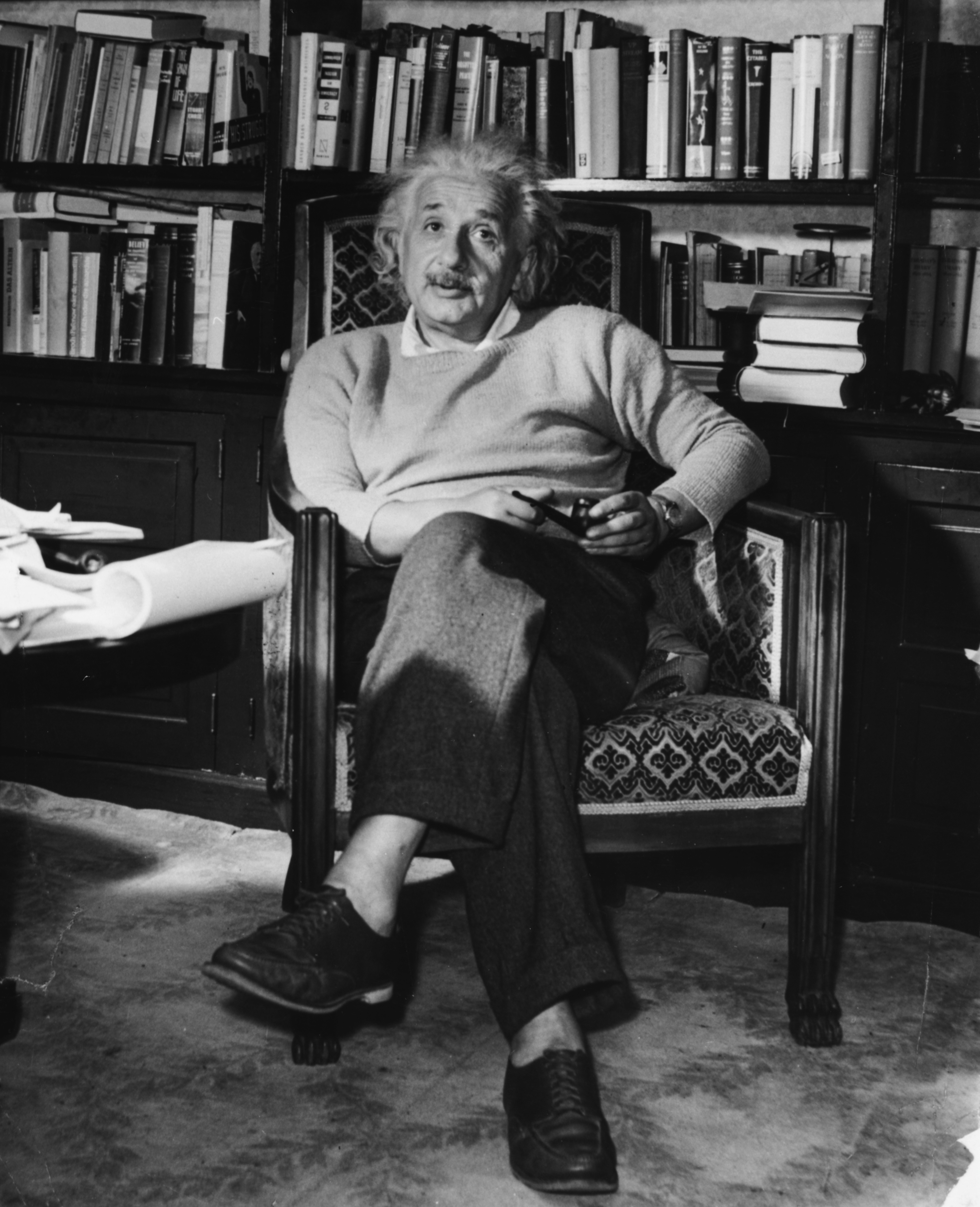
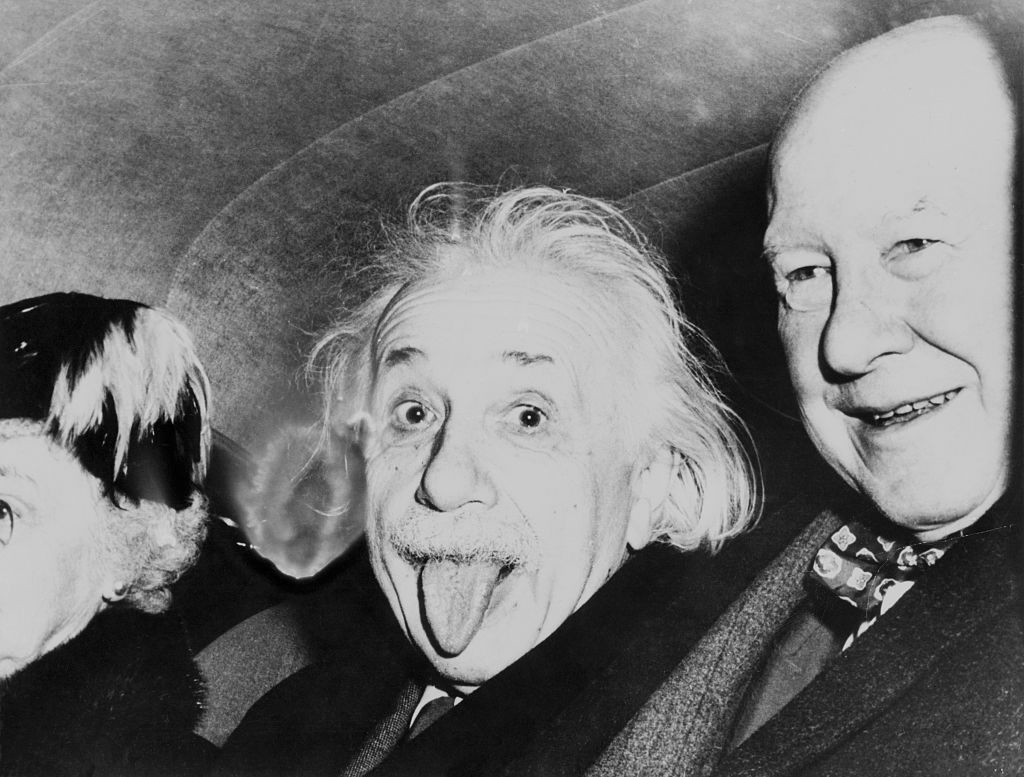
Evaluating the financial legacy of Albert Einstein reveals a modest fortune of roughly $10 million in inflation-adjusted terms by 2019, generated primarily from his intellectual property, estate rights, and posthumous licensing deals managed by Hebrew University of Jerusalem. While the theoretical physicist lived comfortably during his later years in Princeton, New Jersey, his wealth grew exponentially after his death through the global commercialization of his name, likeness, and writings.
Understanding the Financial Legacy of a Theoretical Physicist
When examining historical figures of immense cultural and intellectual impact, public perception often diverges significantly from financial reality. Albert Einstein is universally recognized as the iconic mastermind behind the theory of relativity, yet he was never a corporate titan, industrialist, or high-flying Wall Street investor. During his lifetime, his income derived from academic salaries, speaking engagements, book royalties, and occasional consultancy fees.
To properly address the question of how much the genius was worth, financial historians must distinguish between the modest liquid assets Einstein held at the time of his death in 1955 and the massive, enduring commercial value of his post-mortem estate. By 2019, more than six decades after his passing, the intellectual property associated with his name had evolved into a multi-million-dollar enterprise. This financial growth was largely driven by institutional stewardship rather than active commercial ventures during his lifetime.
Einstein’s Income and Earnings During His Lifetime
Throughout his career, Einstein’s primary vocation was academia. After working as a patent clerk in Bern, Switzerland, he held professorships at the University of Zurich, the Charles University in Prague, and the Prussian Academy of Sciences in Berlin. His final and most stable academic home was the Institute for Advanced Study in Princeton, New Jersey, where he joined the faculty in 1933 after fleeing Nazi Germany.
Academic salaries during the early-to-mid 20th century were respectable, providing a secure middle-to-upper-class lifestyle, but they did not generate astronomical wealth. For example, his initial salary at the Institute for Advanced Study was approximately $16,000 per year—a substantial sum for the era, but far below the fortunes accumulated by contemporary industrialists. In addition to his salary, Einstein earned supplementary income through:
- Book Royalties: Sales of his popular science books, such as Relativity: The Special and the General Theory, provided steady auxiliary income.
- Speaking Fees and Prizes: The Nobel Prize in Physics, awarded to him in 1921 (though officially received in 1922), carried a monetary prize of roughly $32,000. Einstein famously directed the majority of this award money toward a divorce settlement for his first wife, Mileva Marić.
- Patents: Alongside experimentalist Leó Szilárd, Einstein co-invented an absorption refrigerator (the Einstein-Szilárd refrigerator) designed to eliminate toxic refrigerants. While patented in multiple countries, the device saw limited commercial production and did not yield significant lifetime royalties.
The 2019 Estate Valuation and Posthumous Wealth Generation
Following his death on April 18, 1955, Einstein left his personal papers, literary rights, and the commercial rights to his name and likeness to the Hebrew University of Jerusalem. For decades, the university carefully managed these assets, but the financial turning point arrived in the late 20th and early 21st centuries through strategic licensing agreements.
By 2019, Forbes consistently ranked Albert Einstein among the top-earning dead celebrities, generating millions of dollars annually in licensing revenue. Licensing partners utilized his distinctive visage, signature white hair, and famous quotes for global brands, consumer electronics, clothing lines, and educational software.
| Asset Category | Description & Management | Estimated Value / Impact |
|---|---|---|
| Personal Liquid Assets (1955) | Bank accounts, personal effects, and home in Princeton at time of death. | Modest savings, valued under $100,000 at the time. |
| Literary and Manuscript Rights | Curated by The Hebrew University of Jerusalem via the Einstein Archives. | High long-term cultural value; steady academic publishing revenue. |
| Name and Likeness Rights | Managed commercially through licensing agencies (e.g., GreenLight). | Generates millions annually, placing him on top celebrity earning lists. |
| Total Adjusted Net Worth (2019) | Cumulative value of historical estate, IP, and licensing capital. | Estimated at approximately $10 million in equivalent purchasing power. |
Financial Philosophy and Attitudes Toward Wealth
Einstein’s personal relationship with money was famously detached from materialism. He viewed excessive personal wealth as unnecessary and often burdensome. Biographers note that upon receiving checks for prestigious academic prizes or lecture fees, he frequently misplaced them, used them as makeshift bookmarks, or immediately donated the funds to charitable causes, struggling scientists, or refugee families.
In a famous 1922 note scribbed in Tokyo—given to a bellboy as a tip because he had no cash on hand—Einstein wrote that a quiet and modest life brings more joy than the pursuit of success combined with constant restlessness. This philosophy explains why his lifetime savings remained relatively modest compared to his global fame. He prioritized intellectual freedom, pacifism, and scientific inquiry over commercial enterprise.
Frequently Asked Questions
How much was Albert Einstein worth when he died in 1955?
At the time of his death in 1955, Albert Einstein’s estate was valued at a modest sum, consisting primarily of his personal savings, literary rights, and his modest home in Princeton, New Jersey. While exact probate records varied, his personal liquid wealth was relatively small compared to modern standards, as he prioritized scientific work and philanthropy over capital accumulation.
Why does Einstein make millions of dollars decades after his death?
Einstein generates substantial revenue posthumously because he bequeathed his estate, including the commercial rights to his name, image, and likeness, to the Hebrew University of Jerusalem. The university monetizes these rights by licensing his famous image and persona to major global corporations for commercial products and advertising campaigns.
Did Albert Einstein patent any inventions during his lifetime?
Yes, Einstein held over 50 patents across multiple countries. His most notable invention was the Einstein-Szilárd refrigerator, developed alongside his former student Leó Szilárd. The design aimed to create a safer, more reliable cooling system without moving parts, though it was ultimately eclipsed by freon-based compressor refrigerators.
How much was the Nobel Prize money that Einstein won?
Einstein was awarded the 1921 Nobel Prize in Physics, receiving approximately 121,572 Swedish kronor (roughly $32,000 USD at the time). True to his personal agreements, he transferred the entire financial award to his ex-wife Mileva Marić as part of their divorce settlement to support her and their sons.
Who controls Albert Einstein’s intellectual property today?
The Hebrew University of Jerusalem holds the exclusive rights to Einstein’s scientific and literary legacy, including his extensive archives. Commercial licensing of his name and likeness is managed through authorized agencies working on behalf of the university to protect his public image and generate endowment funds.
Maximizing and Protecting Intellectual Property Legacies
For contemporary creators, academics, and estate planners, the trajectory of Einstein’s financial legacy offers clear lessons on intellectual property management. While Einstein himself did not actively commercialize his personal brand during his lifetime, establishing clear stewardship through institutional beneficiaries ensured that his intellectual property survived securely. Modern estate management for high-value creators requires designated legal entities, proactive trademark protection, and ethical licensing frameworks to maintain long-term financial viability and cultural integrity.