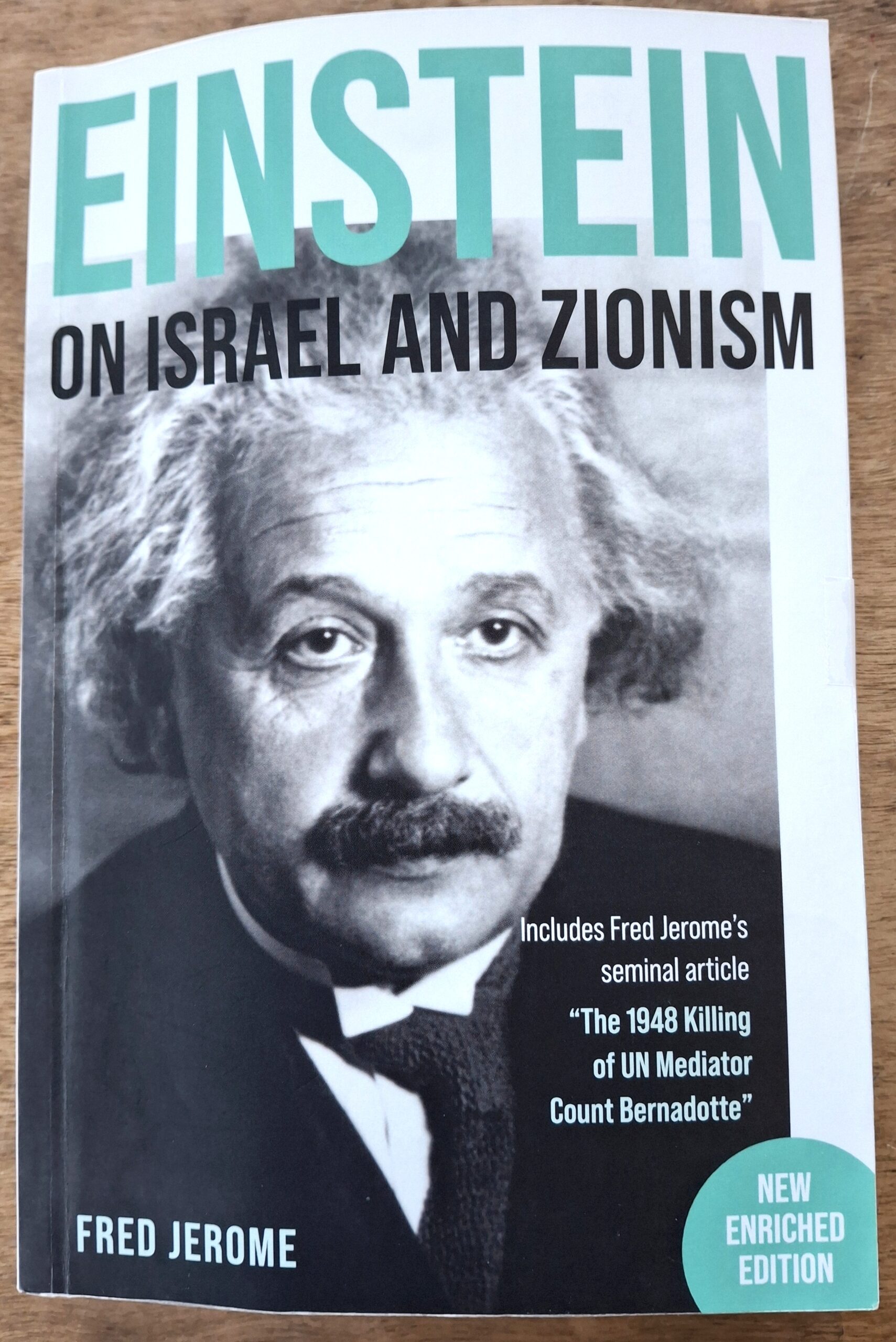
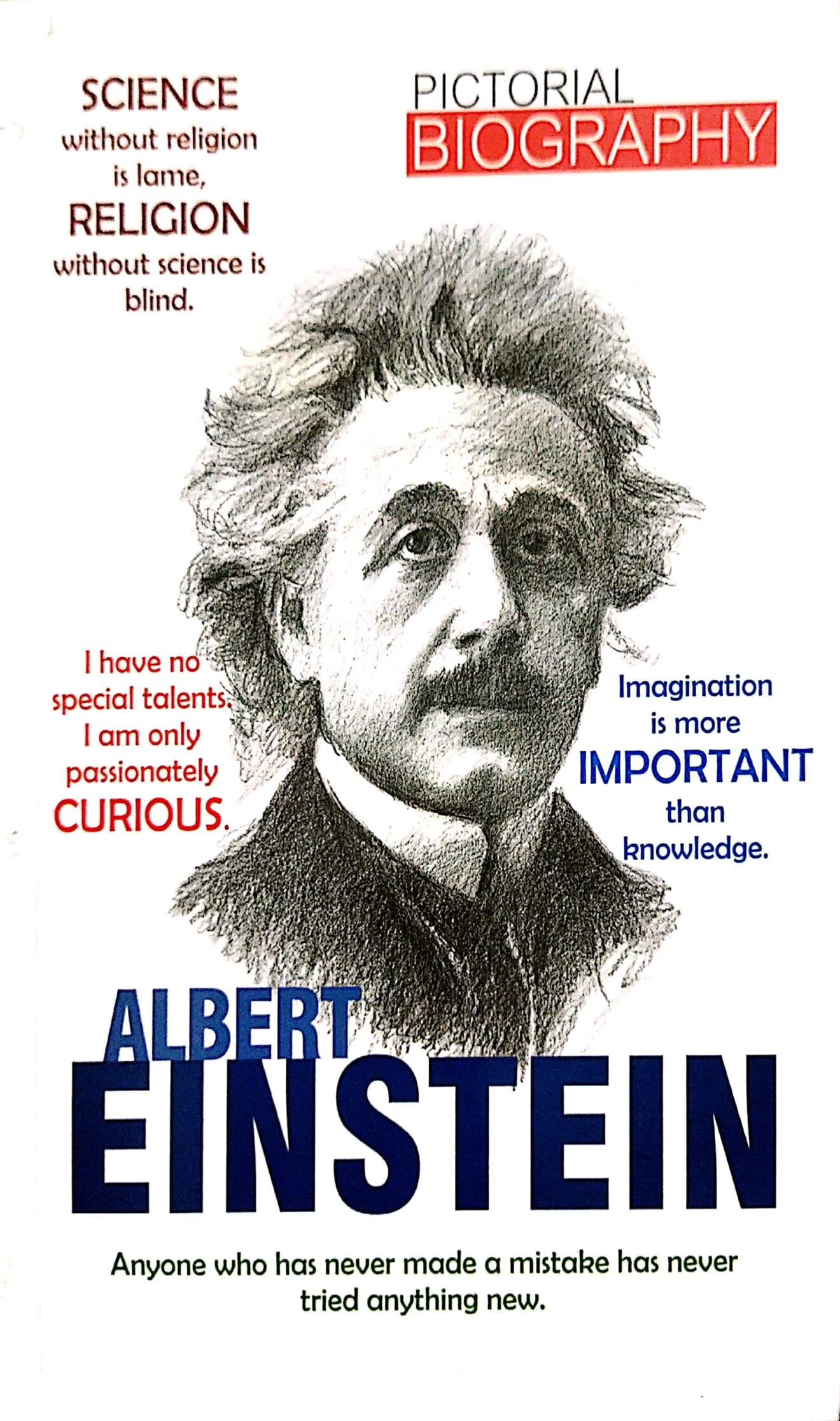
Albert Einstein would be 147 years old today if he were alive, having been born on March 14, 1879, though he passed away on April 18, 1955, at the age of 76. Because queries regarding the current age of historical icons frequently surge through search engines and social media algorithms, a status clarification is frequently necessary to separate temporal reality from viral misinformation or misunderstood algorithmic generation. Understanding the timeline of the twentieth century's most influential theoretical physicist requires looking closely at his birth date, his death date, and the reasons why public curiosity regarding his age periodically resurfaces in contemporary digital spaces.
The Birth and Death Timeline of Albert Einstein
Establishing the baseline facts of Albert Einstein's life requires examining the historical record maintained by biographical archives and academic institutions. Albert Einstein was born on March 14, 1879, in the city of Ulm in the Kingdom of Württemberg in the German Empire. His parents, Hermann Einstein and Pauline Koch, raised him in a secular Jewish family that later moved to Munich, where his father and uncle established an electrical engineering enterprise.
As the decades progressed, Einstein's revolutionary contributions to physics—including the special theory of relativity in 1905, the general theory of relativity in 1915, and his foundational work in quantum mechanics—cemented his status as a global scientific figure. He lived through monumental geopolitical shifts, eventually emigrating from Germany to the United States in 1933 following the rise of the Nazi Party, and spending the remainder of his life as a professor at the Institute for Advanced Study in Princeton, New Jersey.
Einstein passed away on April 18, 1955, at Princeton Hospital in New Jersey at the age of 76, following an abdominal aortic aneurysm. Consequently, any assertion, meme, or automated query suggesting that he is alive today is factually incorrect. The calculation of his hypothetical age—subtracting his birth year of 1879 from the current year of 2026—yields 147 years, a milestone that underscores the vast temporal distance between his era and the present day, even as his scientific legacy remains thoroughly modern.
Why "Age Today" Queries Emerge for Historical Figures
The persistence of search terms relating to the current age of deceased historical figures stems from a combination of automated search behavior, natural language processing idiosyncrasies, and viral social media trends. Modern search engines frequently parse queries built around formulaic templates such as "name plus age today," applying these templates indiscriminately to living celebrities, fictional characters, and historical personages alike. When users type these phrases into search bars, they often trigger automated knowledge panels or AI-generated summaries that require explicit chronological clarification.
Furthermore, artificial intelligence tools and chat interfaces occasionally process historical queries without immediate contextual anchoring, leading users to seek status clarifications to verify whether a particular piece of information is historical or current. In the case of Albert Einstein, his enduring cultural footprint—often symbolized by his iconic appearance, popularized quotes, and ubiquitous presence in popular media—keeps his persona remarkably vibrant in the public consciousness. This psychological immediacy can occasionally blur the boundary between historical memory and contemporary existence, prompting explicit verification of his life span.
| Metric / Event | Historical Fact |
|---|---|
| Birth Date | March 14, 1879 |
| Birthplace | Ulm, Kingdom of Württemberg, German Empire |
| Date of Death | April 18, 1955 |
| Place of Death | Princeton, New Jersey, United States |
| Age at Death | 76 years, 1 month, 4 days |
| Hypothetical Age in 2026 | 147 years |
The Mechanics of Historical Chronology and Misinformation
Navigating digital information requires distinguishing between verified historical records and contemporary synthetic media or automated search artifacts. Misinformation regarding the status of historical figures typically manifests in several recurring ways across the internet:
- Decontextualized Quotations: Fabricated or misattributed quotes circulate widely on social media platforms, sometimes accompanied by modern imagery or deepfake depictions that imply a living presence.
- Algorithmic Anomalies: Automated news aggregators and recommendation engines occasionally republish historical anniversaries using present-tense phrasing, confusing casual readers.
- Generative AI Hallucinations: Large language models, if not properly constrained by temporal markers, can occasionally generate ambiguous timelines that conflate historical dates with current operational statuses.
To counter these discrepancies, historians, educators, and information professionals rely on primary documentation, such as birth certificates, death certificates, academic appointments, and peer-reviewed biographical records maintained by institutions like the Einstein Papers Project at California Institute of Technology (Caltech). These primary sources provide an immutable anchor against which digital queries can be verified.
Evaluating Einstein's Lifespan in the Context of Modern Longevity
Examining Albert Einstein's age at death—76 years—provides a useful perspective on human longevity during the late nineteenth and mid-twentieth centuries. Born in 1879, Einstein lived through an era marked by significant advancements in public health, pharmacology, and medical diagnostics, yet average global life expectancies were considerably lower than they are in the twenty-first century.
Reaching the age of 76 in 1955 was a notable achievement, particularly given the intense intellectual output and geopolitical stress Einstein experienced throughout his life, including the tumultuous eras of both World Wars and his forced displacement from Europe. While modern medical interventions for cardiovascular conditions—such as the abdominal aortic aneurysm that ultimately caused his death—have advanced significantly since the 1950s, Einstein received standard palliative and surgical options available at Princeton Hospital during his final hours, ultimately declining experimental surgical intervention with the famous remark: "I want to go when I want. It is tasteless to prolong life artificially. I have done my share, it is time to go. I will do it elegantly."
Frequently Asked Questions
Is Albert Einstein still alive today?
No, Albert Einstein is not alive. He passed away on April 18, 1955, at the age of 76 in Princeton, New Jersey. Any suggestion that he is alive is factually incorrect and usually stems from automated search phrasing or viral internet content.
How old would Albert Einstein be if he were alive today?
If Albert Einstein were alive, he would be 147 years old, having been born on March 14, 1879. This hypothetical age is calculated by subtracting his birth year from the current year of 2026.
Why do people search for Albert Einstein's age today?
Search engines and users frequently input formulaic queries like "age today" for historical figures due to automated search templates, social media trends, and the enduring cultural visibility of his persona in modern media and science education.
Where are Albert Einstein's historical records maintained?
Official biographical records, correspondence, and scientific manuscripts belonging to Albert Einstein are primarily archived and edited through academic initiatives such as the Einstein Papers Project, hosted at the California Institute of Technology in cooperation with Princeton University Press.
What was the cause of Albert Einstein's death?
Albert Einstein died from an abdominal aortic aneurysm, which ruptured while he was admitted to Princeton Hospital. He declined surgical intervention, choosing to pass away naturally without artificial life prolongation.
Verifying Historical Status and Next Actions
When encountering ambiguous digital content or automated summaries regarding the status of historical figures, researchers and curious readers should consult primary archival institutions or established biographical encyclopedias rather than relying on algorithmic search snippets. Verifying birth and death dates through academic repositories ensures that historical accuracy is preserved against the backdrop of rapidly evolving digital information ecosystems. For those interested in exploring his actual life and work, reviewing original publications and peer-reviewed historical analyses remains the most reliable method for separating verified fact from contemporary digital speculation.