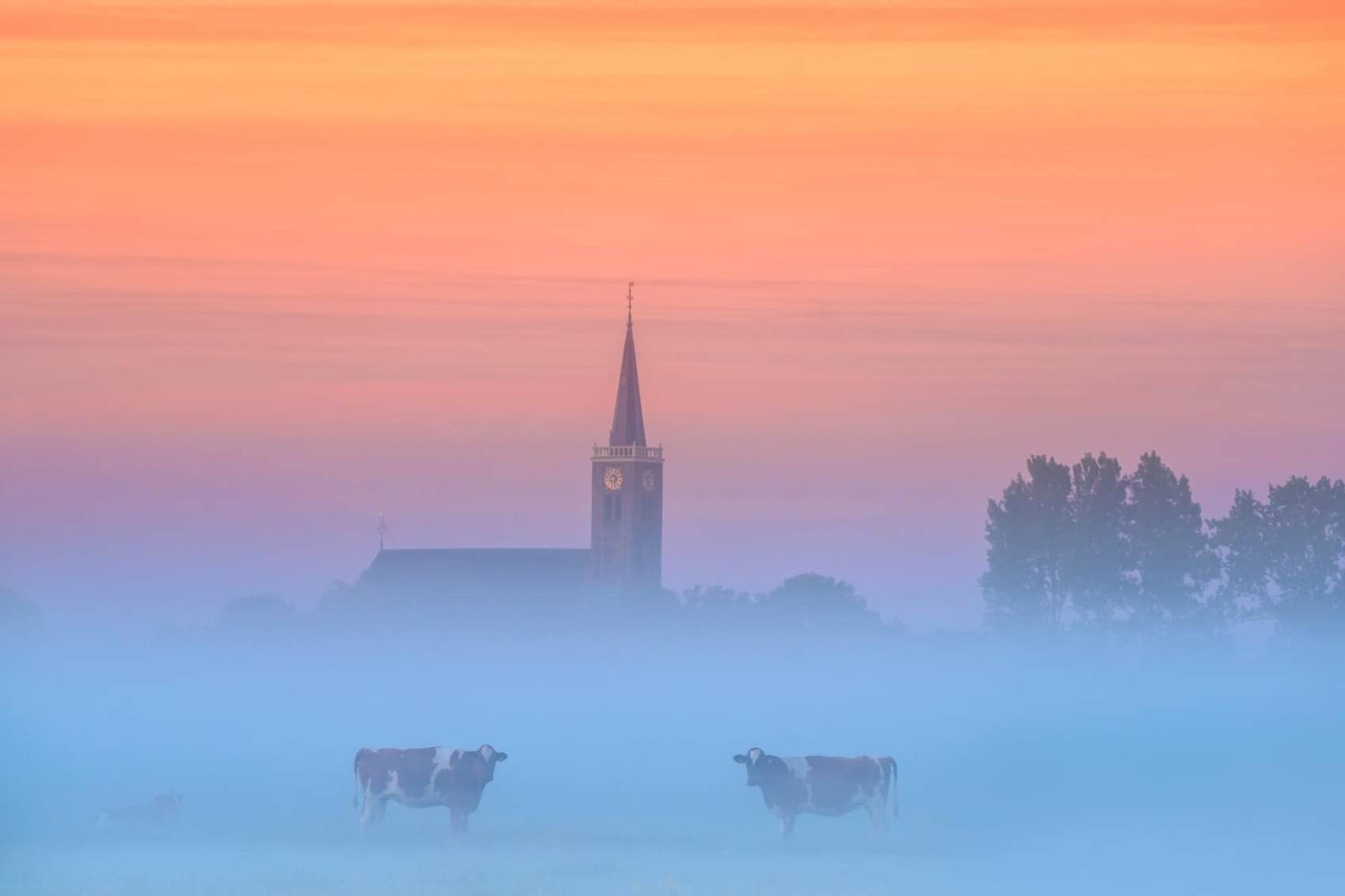
As of 2026, Albert Dros has an estimated net worth of approximately $1.5 million to $3 million. This fortune was built through a diversified professional ecosystem that includes high-end international photography workshops, long-term brand ambassadorships with industry leaders like Sony, digital product sales, and global image licensing to major editorial publications.
Albert Dros is not merely a photographer; he is a modern "artistic entrepreneur." While many traditional landscape photographers struggled during the digital shift of the late 2010s, Dros leveraged a background in multimedia and design to create a brand that resonates across both social media and high-end commercial sectors. His path to financial success illustrates a blueprint for the modern creative professional: combining technical mastery with a keen understanding of digital marketing and educational services.
The Evolution of a Master: From Graphic Design to Landscape Photography
Before becoming a household name in the photography world, Albert Dros spent years honing his eye in the world of graphic design and multimedia. This foundation is critical to understanding his financial trajectory. Unlike many "purist" photographers who focus solely on the act of capturing light, Dros’s background allowed him to approach post-processing and branding with a professional's edge.
In the early 2010s, Dros transitioned into full-time landscape photography. He didn't just take pictures of popular locations; he sought out the "untouched." His early work in locations like Kyrgyzstan helped put both the destination and his own name on the global map. By the time 2020 arrived, he had established a signature style characterized by high contrast, vibrant colors, and a "dreamy" atmospheric quality that was highly sought after by travel boards and camera manufacturers alike. This "first-mover" advantage in specific geographical niches allowed him to command higher fees for his work and services.
Quantifying Success: The Core Components of the Dros Fortune
Estimating the net worth of a private creative professional requires looking at several distinct income streams. By 2026, Dros’s revenue model has matured into a stable, multi-channel system. His wealth is not tied to a single "big break" but is rather the result of incremental growth across four primary sectors: education, partnerships, licensing, and digital assets.
The following table provides a breakdown of the estimated annual revenue distribution that contributes to his overall net worth:
| Revenue Stream | Primary Activity | Estimated Annual Weight |
|---|---|---|
| Global Workshops | International photo tours (Antarctica, Greenland, etc.) | 40% |
| Brand Ambassadorships | Long-term contracts with Sony, BenQ, and gear brands | 25% |
| Digital Products | Sales of E-books, Lightroom presets, and video courses | 15% |
| Commercial Licensing | Image sales to National Geographic, Time, and Forbes | 10% |
| Speaking & Events | Keynote speeches at photography expos and seminars | 10% |
Global Photography Workshops: The Engine of Growth
The most significant contributor to Albert Dros’s net worth is his workshop business. High-end photography tours are a premium service where clients pay for access, logistics, and technical instruction. Dros specializes in "expedition-style" workshops in remote locations such as the Arctic, the Himalayas, and Central Asia.
These workshops often cost between $4,000 and $12,000 per participant, depending on the duration and the remoteness of the destination. With groups typically ranging from 8 to 12 people, a single successful tour can generate significant gross revenue. When factored over several tours per year, this becomes the primary driver of his liquid wealth. Dros’s ability to sell out these tours years in advance is a testament to his brand authority; clients are not just paying for a trip, they are paying for the "Dros perspective" and his documented expertise in scouting rare locations.
Strategic Partnerships and the Sony Ambassadorship
A cornerstone of Dros's professional status is his role as a Sony Europe Imaging Ambassador. Being a Sony Ambassador is more than just a title; it is a strategic partnership that provides significant financial and logistical support. These roles often involve:
- Retainer Fees: Fixed annual payments for representing the brand at events and in promotional material.
- Equipment Grants: Access to the latest Alpha series bodies and G-Master lenses, which reduces business overhead costs significantly.
- Travel Funding: Support for specific projects that showcase the capabilities of new camera sensors in extreme environments.
Beyond Sony, Dros has maintained long-term relationships with brands like BenQ for color-accurate monitors and Skylum (the creators of Luminar Neo). These partnerships provide a steady stream of "corporate" income that balances the more volatile nature of independent art sales.
Digital Products and Scalable Passive Income
To achieve a net worth in the multi-million dollar range, a creator must move beyond "trading time for money." Albert Dros has successfully scaled his expertise through digital products. His website offers a variety of educational materials, including comprehensive E-books on post-processing and landscape photography techniques.
By selling digital downloads—such as custom Lightroom presets and specialized "Workflow" videos—Dros creates a passive income stream. Once the content is created, the cost of fulfillment is nearly zero, allowing for high profit margins. In the current 2026 market, where amateur photography is still growing globally, these digital assets provide a consistent monthly "floor" to his earnings, independent of whether he is currently traveling or shooting.
Editorial Features and Global Recognition
While image licensing often accounts for a smaller percentage of a photographer's direct income compared to workshops, its contribution to "Brand Equity" is immeasurable. Albert Dros’s work has appeared in National Geographic, Time, and the Huffington Post.
These features serve two purposes. First, they provide direct licensing fees. Second, and more importantly, they validate his expertise to a global audience. This validation allows him to charge a premium for his workshops and increases the conversion rate of his digital products. The prestige associated with being published in these outlets makes his name a "safe bet" for high-net-worth individuals looking to invest in a photography tour or a piece of fine art.
The "Albert Dros Style" as a Financial Moat
In business, a "moat" is a competitive advantage that protects a company's market share. For Dros, his moat is his unique technical style. He was an early adopter of advanced focus stacking, time-blending, and ultra-wide-angle perspectives in landscape photography. By mastering the technical side of the Luminar Neo and Adobe suites, he created a visual language that is difficult for beginners to replicate.
This technical barrier to entry ensures that his work remains in demand for high-end advertising and editorial use. When a brand wants a "Dros-style" shot of a new car or a luxury resort, they are often willing to pay a premium to hire the original creator rather than attempting to mimic the look with a less experienced photographer.
Investing in the Future: Equipment and Intellectual Property
Building a fortune of this scale also requires smart reinvestment. Dros’s "net worth" isn't just cash in a bank; it includes a significant portfolio of intellectual property (IP). His catalog of thousands of high-resolution, world-class images represents a long-term asset that can be licensed repeatedly for years to come.
Furthermore, his investment in high-end gear—drones, medium format systems, and specialized lenses—serves as the "machinery" of his business. By staying at the cutting edge of technology, he ensures his content meets the 8K and high-dynamic-range (HDR) standards required by top-tier media outlets in 2026.
Frequently Asked Questions
What camera does Albert Dros use in 2026?
Albert Dros primarily uses the Sony Alpha series, specifically the high-resolution models like the Sony A7R V or its successors. He pairs these with G-Master lenses, ranging from the 12-24mm f/2.8 for wide landscapes to the 100-400mm for compressed telephoto shots of mountains and cityscapes.
How much do Albert Dros workshops cost?
On average, a workshop with Albert Dros costs between $4,000 and $10,000. The price varies based on the destination's difficulty and luxury level. For example, a workshop in the Netherlands might be on the lower end, while an expedition to Greenland or Antarctica occupies the higher price bracket due to the high logistical costs of remote travel.
Does Albert Dros sell prints of his work?
Yes, Albert Dros sells limited edition and open edition fine art prints through his official website. These prints are a significant part of his income from the "art" side of his business, appealing to collectors who want high-quality physical representations of his most famous works, such as his photos of the tulip fields or the Milky Way over volcanic peaks.
How did Albert Dros become a Sony Ambassador?
Dros became a Sony Ambassador by consistently producing high-quality work that showcased the technical capabilities of Sony’s mirrorless systems during their rise to market dominance. His background in graphic design allowed him to present his work in a highly professional manner, which caught the attention of Sony Europe's marketing team.
Where can I learn his post-processing techniques?
Albert Dros offers several comprehensive E-books and video tutorials on his website, albertdros.com. These resources cover his specific workflow for editing landscape photos, including his methods for color grading, light enhancement, and combining multiple exposures for maximum dynamic range.
Building a Career Path in Modern Landscape Photography
If you are looking to emulate the success of Albert Dros, the primary takeaway is diversification. The days of surviving solely on "selling photos" are largely over for all but the top 0.1% of photographers. Instead, success in 2026 requires a "T-shaped" skill set: deep expertise in photography (the vertical bar) and a broad understanding of marketing, teaching, and brand management (the horizontal bar).
Start by identifying a niche or a location that is underserved. Build a cohesive body of work that demonstrates a unique style, and use social media not just for "likes," but as a portfolio to attract brand partnerships. By shifting from a "photographer" mindset to a "media creator and educator" mindset, you can build a sustainable and profitable career in the world of adventure and landscape photography.