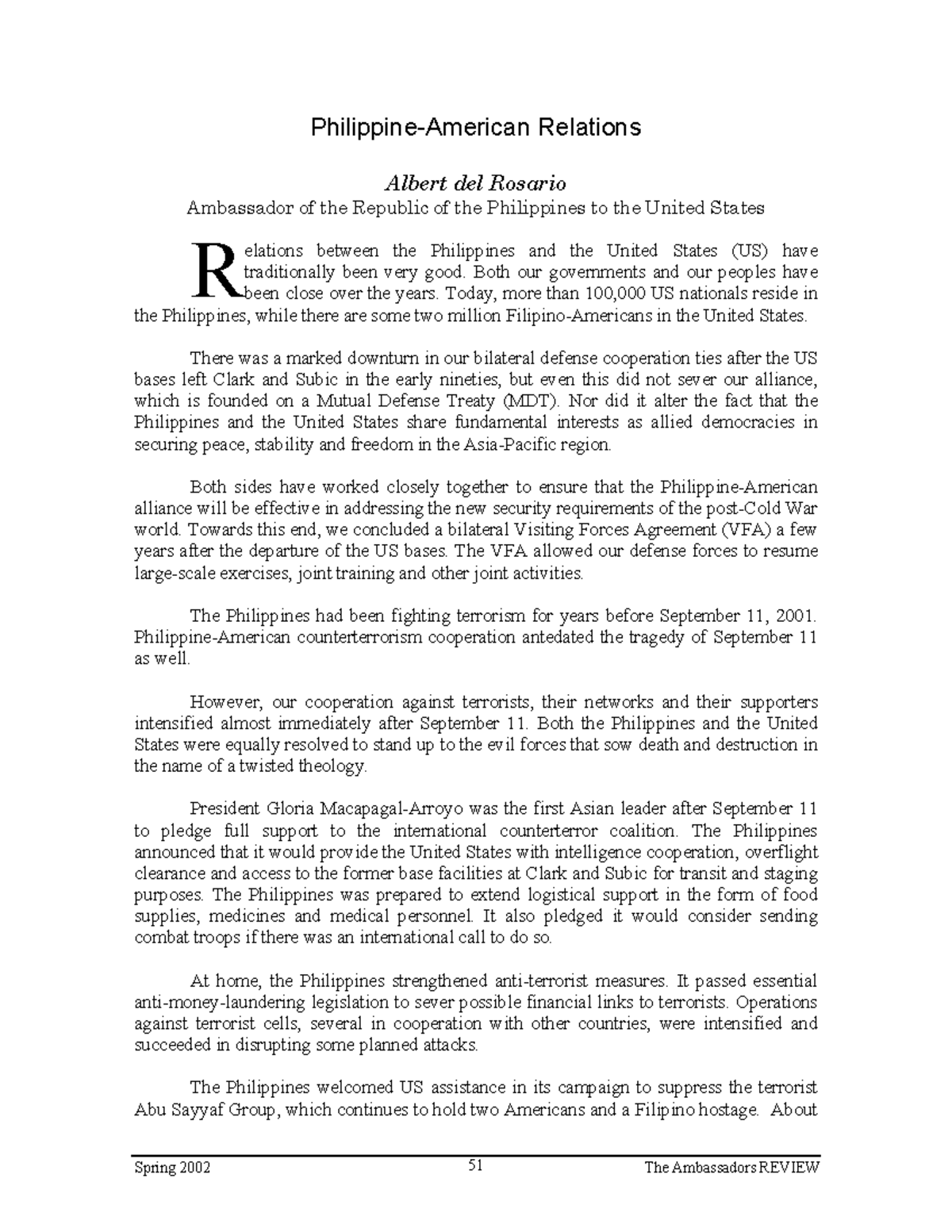
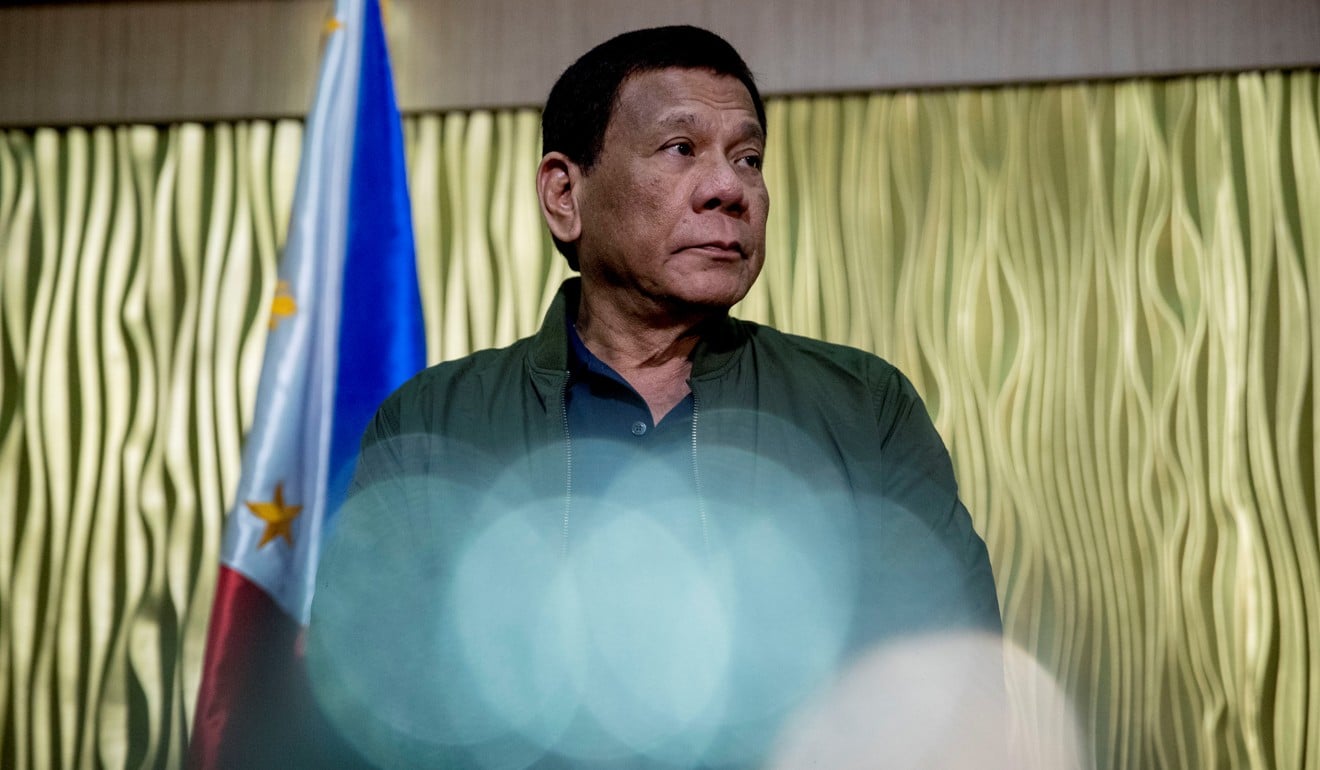
Albert del Rosario remains a cornerstone of Philippine foreign policy, best known for his "diplomacy of spine" and leading the Philippines to a landmark legal victory against China's maritime claims. As of 2026, his strategies and the 2016 Hague Ruling continue to serve as the primary framework for the nation's defense of its sovereign rights in the West Philippine Sea.
The Architect of the 2016 Hague Ruling
The name Albert del Rosario is synonymous with the Philippines' victory at the Permanent Court of Arbitration (PCA) in The Hague. Serving as the Secretary of Foreign Affairs from 2011 to 2016 under the administration of President Benigno "Noynoy" Aquino III, Del Rosario inherited a maritime dispute that had reached a boiling point. The 2012 Scarborough Shoal standoff served as the catalyst for his most significant diplomatic move: filing a compulsory arbitration case under the United Nations Convention on the Law of the Sea (UNCLOS).
In 2026, as the international community observes the 10th anniversary of that historic ruling, Del Rosario’s decision is viewed not merely as a legal maneuver but as a revolutionary shift in how "middle powers" engage with superpowers. He famously argued that "right is might," emphasizing that international law is the great equalizer between small nations and global giants. The ruling, which invalidated China’s "nine-dash line," remains the bedrock of Philippine maritime assertions and a critical reference point for other ASEAN nations facing similar territorial pressures.
Del Rosario's approach was characterized by a refusal to succumb to economic coercion. He believed that economic relations should not be traded for national sovereignty. This stance was often met with domestic and international skepticism, yet he remained steadfast, eventually securing a legal mandate that survives long after his passing in April 2023.
The "Diplomacy of Spine" and Its Evolution
To understand the insights into Albert del Rosario's career, one must examine his transition from a successful business executive to a top-tier diplomat. His background in insurance and corporate management provided him with a pragmatic, results-oriented outlook that he applied to the Department of Foreign Affairs (DFA). This pragmatism was tempered by a deep sense of patriotism, leading to what analysts call the "Del Rosario Doctrine."
Principles of the Del Rosario Doctrine:
- Strict Adherence to International Law: Prioritizing UNCLOS as the primary tool for conflict resolution.
- Multilateral Engagement: Strengthening alliances not just with the United States, but also with Japan, Australia, and the European Union to create a "united front" for a rules-based order.
- Protection of Overseas Filipinos: During his tenure, he personally oversaw the repatriation of thousands of Filipino workers from conflict zones in Libya, Syria, and Iraq, often flying to dangerous borders to ensure their safety.
- Transparency in Diplomacy: Unlike the "quiet diplomacy" preferred by previous administrations, Del Rosario believed in making the Philippines’ grievances public to garner international support.
In 2026, this doctrine is frequently contrasted with the "independent foreign policy" of the Duterte years and the "friend to all" approach of the Marcos Jr. administration. While styles have shifted, the fundamental legal victory Del Rosario secured remains an immovable object in the gears of regional geopolitics.
Regional Security and the ADR Stratbase Institute
Even after his official retirement and subsequent death, Del Rosario’s influence persists through the ADR Stratbase Institute. This think tank has become a premier source of geopolitical analysis in the Indo-Pacific. In 2026, the institute continues to host international forums that bring together naval experts, legal scholars, and diplomats to discuss the evolving security architecture of Southeast Asia.
The "latest news" regarding his legacy often stems from the institute's work in promoting a "blue economy" and maritime domain awareness. Del Rosario’s insights warned that the West Philippine Sea was not just about fish or oil, but about the very integrity of international law. If the ruling were allowed to be ignored, he argued, the global order would revert to "the law of the jungle."
Current policy discussions in 2026 regarding joint patrols in the South China Sea and the establishment of more robust coast guard cooperation in the region are direct outgrowths of the foundations he laid. He was an early advocate for modernizing the Philippine Navy and Coast Guard, recognizing that legal wins must eventually be backed by a credible defense posture.
Comparative Analysis of Philippine Foreign Policy Approaches
To better understand Del Rosario's impact, the following table compares his "Principled Resistance" approach with other historical frameworks used by the Philippines in the 21st century.
| Feature | Principled Resistance (Del Rosario) | Constructive Engagement (2000s) | Independent/Pivot Policy (2016-2022) |
|---|---|---|---|
| Primary Tool | Legal Arbitration (UNCLOS) | Bilateral Negotiations | Bilateral/Economic Pragmatism |
| Relationship with China | Adversarial on Territory | Joint Exploration Focus | Accommodation/Economic Cooperation |
| US Alliance | Strengthened/Enhanced Defense | Maintenance of Status Quo | Strategic Distancing/Rebalancing |
| ASEAN Role | Leading on Security Issues | Consensus-Building Focus | Peripheral/Bilateral Focus |
| Core Philosophy | Right is Might | Economic Stability First | Strategic Flexibility |
The Human Side of the Diplomat: Values and Criticisms
While often portrayed as a stern, high-collared diplomat, Del Rosario was noted by his peers for his extreme humility and work ethic. He was a "one-peso" secretary, famously donating his government salary to the DFA’s employee funds and charities. This gesture was not for publicity—as he often avoided the limelight—but a reflection of his view of public service as a duty rather than a career.
However, his legacy is not without critics. Some political scientists argue that his confrontational legal approach led to the loss of effective control over Scarborough Shoal and increased the militarization of the region. Others suggest that his heavy reliance on the US-Philippine alliance limited the Philippines' room for maneuver in a multipolar world.
In the lens of 2026, these criticisms are weighed against the reality of the regional situation. The "Del Rosario way" provided the Philippines with something it never had before: a definitive, internationally recognized title to its maritime zones. While he could not stop the construction of artificial islands, he ensured those islands would never be legally recognized as sovereign territory of any nation other than the Philippines.
Addressing the Humanitarian Legacy
Beyond the high-stakes maritime disputes, Del Rosario’s tenure was marked by a significant focus on the "third pillar" of Philippine foreign policy: the protection of the rights and welfare of Overseas Filipino Workers (OFWs).
During the Arab Spring in 2011, Del Rosario did not simply direct operations from Manila. He traveled to the Libyan border to coordinate the extraction of Filipinos. Insights into his leadership style reveal a man who felt a deep personal responsibility for the safety of the diaspora. In 2026, the DFA’s rapid response protocols for Filipinos in distress are still largely based on the systems he implemented during these crises. He institutionalized the use of the "Assistance to Nationals" (ATN) fund, ensuring that the government’s reach extended to the furthest corners of the globe where Filipinos lived and worked.
Frequently Asked Questions
What was Albert del Rosario's most significant achievement?
His most significant achievement was the successful filing and winning of the arbitration case against China at the Permanent Court of Arbitration. This 2016 ruling remains the legal "North Star" for Philippine claims in the West Philippine Sea, invalidating the historical "nine-dash line" and affirming the Philippines' Exclusive Economic Zone (EEZ).
How did Albert del Rosario change Philippine-US relations?
Del Rosario was instrumental in negotiating the Enhanced Defense Cooperation Agreement (EDCA). He believed that a strong alliance with the United States was essential for maintaining a balance of power in the region. His efforts restored the Philippines as a key strategic partner for the U.S. in the Indo-Pacific.
What is the ADR Stratbase Institute's role today?
In 2026, the ADR Stratbase Institute serves as a leading independent think tank. It continues to honor Del Rosario’s legacy by producing research, hosting international security summits, and advocating for a rules-based international order, specifically regarding maritime security and economic resilience.
Why was he called the "One-Peso Secretary"?
He earned this nickname because he refused to accept his government salary for his entire term as Secretary of Foreign Affairs. Instead, he requested that his salary be reduced to one peso or donated to the DFA’s provident fund to support the welfare of rank-and-file employees of the department.
What was his stance on "Independent Foreign Policy"?
Del Rosario believed that an "independent" foreign policy did not mean being neutral or distancing oneself from traditional allies. Instead, he argued that a truly independent policy was one that was unswerving in its defense of national sovereignty and international law, regardless of the pressure from larger nations.
Continuing the Del Rosario Legacy in 2026
For students of diplomacy, current government officials, and citizens concerned with national sovereignty, the "next action" is to internalize the value of legal consistency. Del Rosario proved that a nation’s greatest weapon is often the clarity and legitimacy of its legal position.
In 2026, the best way to honor his insights is through the continued "socialization" of the Hague Ruling—ensuring that every new generation of Filipinos understands the legal boundaries of their country. Furthermore, the ongoing modernization of the Philippine military and the strengthening of multilateral ties with "like-minded" nations serve as the practical application of his life's work. To follow the Del Rosario path is to choose the difficult, principled route over the easy, transactional one, ensuring that the Philippines remains a respected, sovereign player on the global stage.