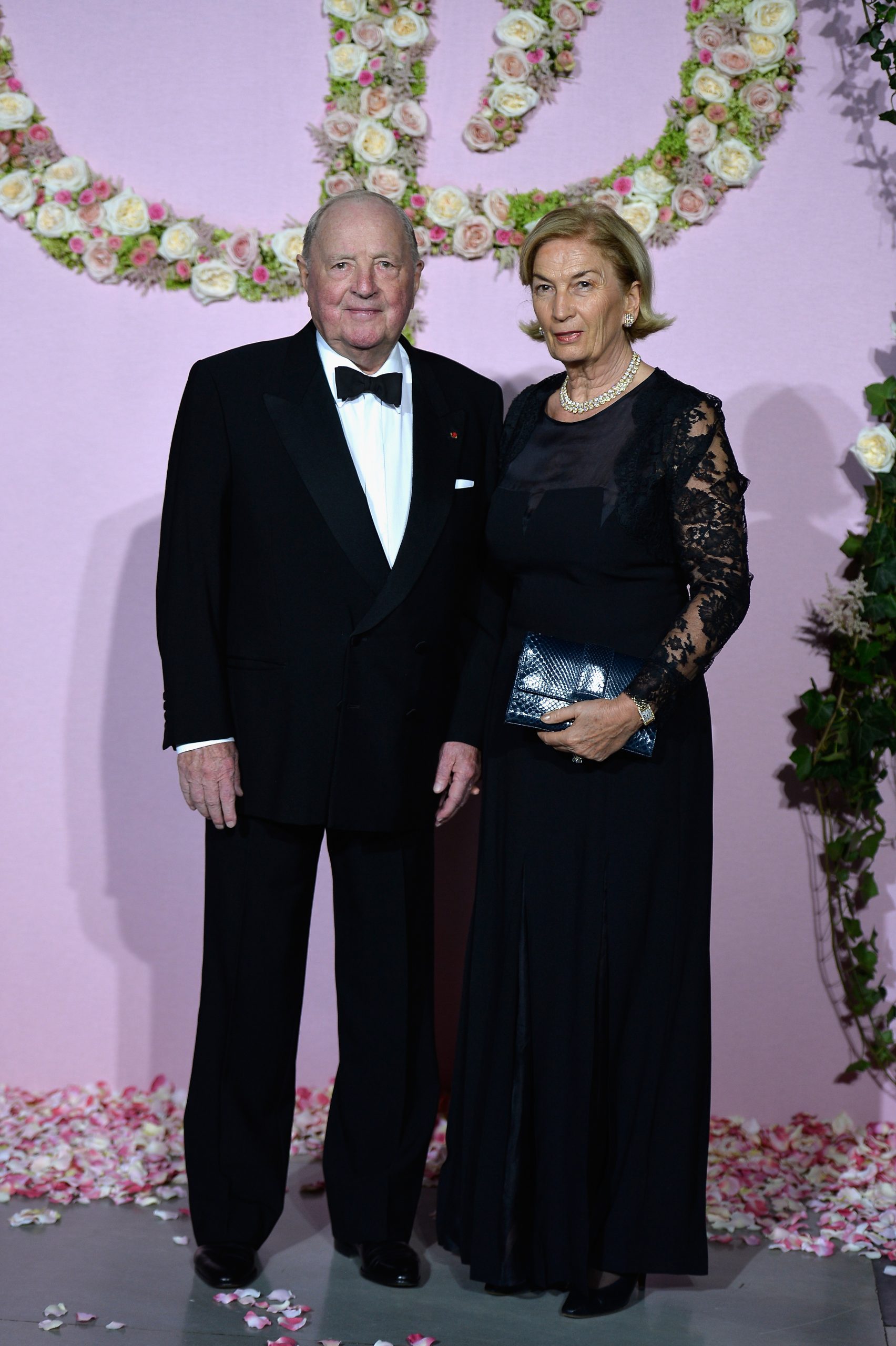
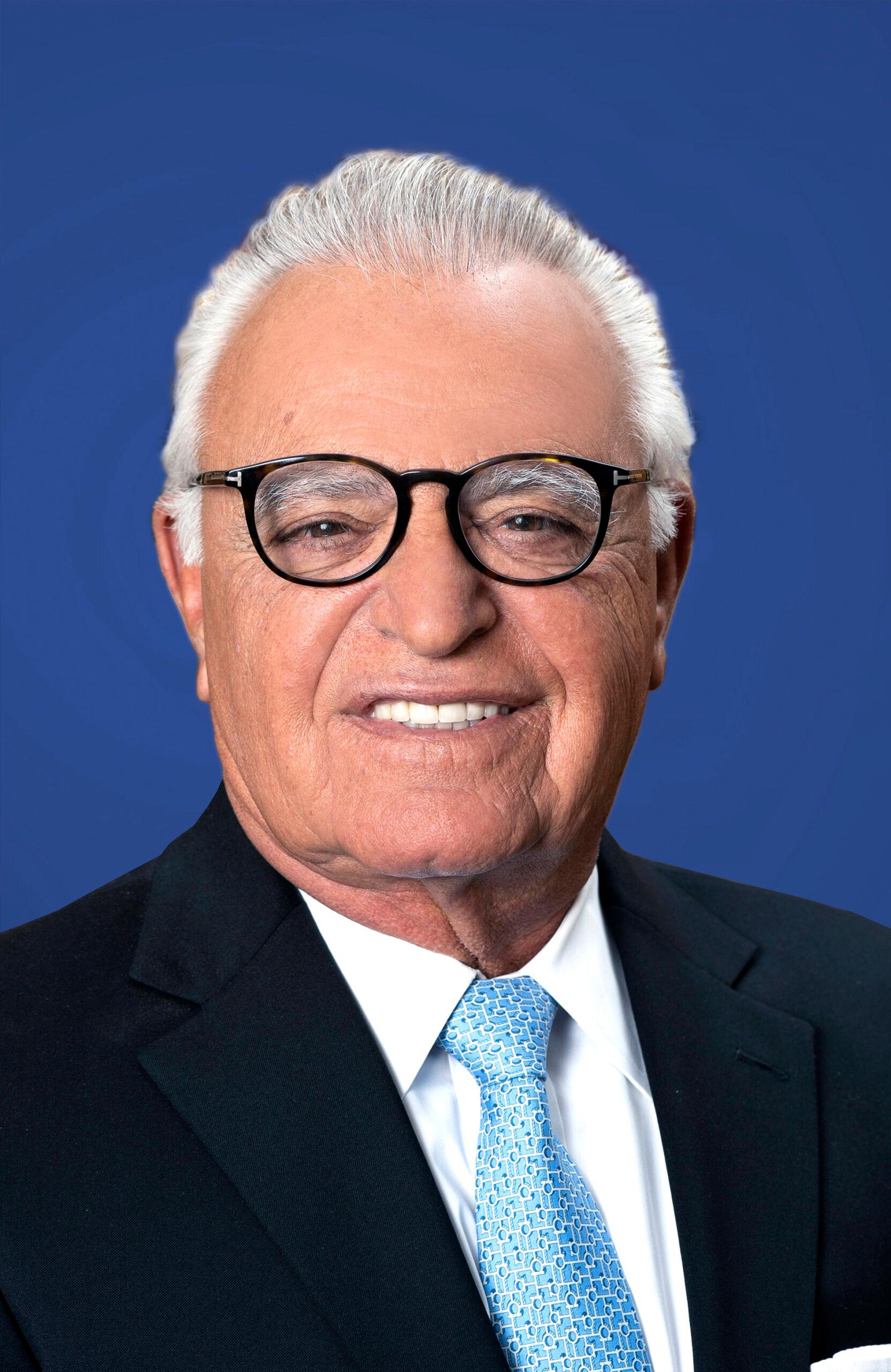
As of 2026, Albert Covelli Jr.’s net worth is estimated to be between $150 million and $350 million. This wealth is primarily derived from his executive role and ownership stake in Covelli Enterprises, the largest franchisee of Panera Bread in the world and a dominant force in the American fast-casual dining industry.
The valuation of Albert Covelli Jr.’s wealth is not merely a reflection of a personal bank balance but a complex assessment of family-held equity, commercial real estate, and the operational success of a multi-state restaurant empire. Understanding how he reached this level of financial standing requires an analysis of the Covelli family legacy, the mechanics of franchise scaling, and the economic performance of their diversified portfolio.
The Foundation of Covelli Enterprises: A Legacy of Franchise Excellence
To understand Albert Covelli Jr.’s net worth, one must first look at the foundation laid by his father, Albert Covelli Sr. In 1959, the elder Covelli opened his first McDonald’s location in Ohio. Over several decades, the family became one of the most successful McDonald’s franchisees in the country. However, the pivotal moment for the family’s wealth occurred in the late 1990s when they divested from McDonald’s to gamble on a then-emerging brand: Panera Bread (formerly St. Louis Bread Co.).
Albert Covelli Jr. was instrumental during this transition, helping to pivot the family business into the "fast-casual" sector before it became a market-dominating category. By 2026, Covelli Enterprises has grown to operate over 300 Panera Bread locations across Ohio, Pennsylvania, Florida, West Virginia, Kentucky, and Georgia. This strategic shift allowed the family to capture higher margins and control significant territorial rights, which are the bedrock of Albert Jr.’s current valuation.
Breaking Down Albert Covelli Jr.'s Role and Contributions
While Sam Covelli is often the public face and CEO of Covelli Enterprises, Albert Covelli Jr. has played a critical behind-the-scenes role in the company’s expansion and operational sustainability. His involvement as an executive and director has focused on the strategic acquisition of new territories and the integration of secondary brands like O'Charley's and Dairy Queen into the company’s portfolio.
His wealth is generated through several key channels:
- Equity Stake: As a principal member of the Covelli family, Albert Jr. holds a significant percentage of the private equity in Covelli Enterprises. Since the company is not publicly traded, this equity is valued based on its annual revenue, which exceeds $1 billion.
- Operational Dividends: The profitability of over 300 high-performing restaurant units provides a consistent stream of passive and active income.
- Real Estate Holdings: A common strategy among elite franchisees is "owning the dirt." The Covelli family often owns the land and buildings where their franchises operate, creating a dual revenue stream of restaurant profits and commercial lease payments.
Valuation of the Covelli Franchise Empire in 2026
The net worth of an individual like Albert Covelli Jr. is heavily tied to the "Multiple of EBITDA" (Earnings Before Interest, Taxes, Depreciation, and Amortization) that the market applies to restaurant groups. In 2026, high-performing fast-casual franchises typically command a valuation multiple of 8x to 12x their annual earnings.
Given that Covelli Enterprises is the top-performing Panera franchisee globally, their units often outperform the national average in terms of sales per square foot. When you combine the enterprise value of the restaurant operations with the hundreds of millions of dollars in commercial real estate assets held by the family’s various LLCs, the total family net worth is estimated to be in the billions. Albert Jr.’s individual share of this pie puts him firmly in the upper echelon of American wealth.
Covelli Enterprises Portfolio Comparison (Estimated 2026 Metrics)
| Asset Category | Brand/Entity | Estimated Number of Units | Primary Regions |
|---|---|---|---|
| Primary Franchise | Panera Bread | 315+ | OH, PA, FL, GA |
| Secondary Franchise | O'Charley's | 10-15 | Various |
| Treat/Fast Food | Dairy Queen | 5-10 | Ohio Valley |
| Real Estate | Family-owned LLCs | 150+ Properties | Multi-state |
| Civic Assets | Covelli Centre (Naming Rights) | 1 Stadium | Youngstown, OH |
Diversification: Real Estate and Philanthropic Ventures
A significant portion of Albert Covelli Jr.’s financial profile is hidden from traditional net worth trackers because it is tied up in real estate investment trusts (REITs) and private holding companies. The Covelli family has a long history of reinvesting their restaurant profits into diverse real estate developments, ranging from shopping centers to residential projects in high-growth markets like Florida.
Furthermore, the family’s philanthropic footprint is massive. Albert Covelli Jr. has been involved in the family's charitable arm, which has donated tens of millions of dollars to causes such as:
- Pancreatic Cancer Research: Significant funding to various medical institutions.
- The Covelli Centre: A multi-purpose arena in Youngstown, Ohio, which serves as a testament to the family's regional influence.
- Local Food Banks: Donating millions of pounds of bread and food items annually through the "Day-End Dough-Nation" program.
While philanthropy reduces liquid assets, it often provides significant tax advantages and enhances the "brand equity" of the family, which in turn supports the long-term value of their business holdings.
Why Private Net Worth Estimates for Albert Covelli Jr. Vary
It is important to note that because Covelli Enterprises is a private, family-owned entity, any specific "net worth" figure for Albert Covelli Jr. is an educated estimate. Unlike CEOs of public companies like Apple or Tesla, the Covellis are not required to disclose their personal stock holdings or compensation packages to the SEC.
Factors that influence the variability of his net worth estimates include:
- Debt-to-Equity Ratios: The amount of leverage used to fund the acquisition of new territories or real estate projects is not public knowledge.
- Internal Distribution: How the family divides ownership between Albert Jr., Sam Covelli, and other heirs remains a private matter.
- Market Fluctuations: The valuation of the Panera Bread brand itself (owned by JAB Holding Company) impacts the perceived value of individual franchise territories.
Despite these variables, the scale of Covelli Enterprises ensures that any principal owner holds a nine-figure net worth. The company’s ability to navigate the 2020-2023 economic shifts and thrive in the 2024-2026 digital-first dining era has only solidified this wealth.
Is Albert Covelli Jr. "Self-Made"?
The question of "how much is he really worth" often leads to a discussion of how that wealth was acquired. Albert Covelli Jr. was born into a successful business environment, but he is widely credited with the operational discipline required to scale a mid-sized franchise into a billion-dollar entity. Wealth at this level requires more than just inheritance; it requires the management of thousands of employees and the navigation of complex supply chain and real estate markets.
The Impact of JAB Holding Company
In recent years, the relationship between Panera Bread’s parent company (JAB Holding) and its largest franchisees like the Covellis has been a point of interest for financial analysts. The stability of the brand under JAB’s ownership has increased the resale value of Covelli-owned territories, directly inflating Albert Jr.’s net worth as the "exit value" of his holdings continues to rise in 2026.
Understanding the Fast-Casual Advantage
Albert Jr.'s wealth is specifically high because Panera Bread occupies a unique space in the market. Unlike traditional fast food, Panera commands higher price points and attracts a more affluent demographic. This results in higher average check sizes and better margins, which translates directly to higher valuation multiples for the franchise owners compared to those owning standard fast-food brands.
FAQs About Albert Covelli Jr. and Covelli Enterprises
How did Albert Covelli Jr. make his money?
His wealth comes from his executive leadership and ownership in Covelli Enterprises. The company became the largest Panera Bread franchisee in the world by acquiring and developing massive territories across the Eastern United States.
Is Covelli Enterprises a public company?
No, Covelli Enterprises is a private, family-owned company. This is why specific net worth figures for family members like Albert Covelli Jr. are based on revenue estimates and asset valuations rather than public stock prices.
How many Panera Bread locations does the Covelli family own in 2026?
By 2026, the Covelli family owns and operates over 300 Panera Bread locations, making them the largest franchisee of the brand globally. They also own several other restaurant concepts and a vast portfolio of commercial real estate.
What is the relationship between the Covelli Centre and Albert Covelli Jr.?
The Covelli Centre in Youngstown, Ohio, is a premier sports and entertainment venue. The Covelli family purchased the naming rights to the arena as a way to give back to their home region and cement their legacy in the community.
Does Albert Covelli Jr. own other businesses besides Panera?
Yes, Covelli Enterprises has diversified its portfolio to include O’Charley’s and Dairy Queen locations. Additionally, the family holds significant assets in commercial real estate and development through various subsidiary holding companies.
How does Albert Covelli Jr.'s net worth compare to his brother Sam Covelli?
While both brothers are incredibly wealthy due to the family business, Sam Covelli is the CEO and often cited with a higher net worth due to his public-facing leadership role and likely larger equity stake. However, Albert Jr. remains a multi-millionaire with a substantial share of the family's billion-dollar empire.
Monitoring the Future of Covelli Family Wealth
For those looking to track the financial trajectory of Albert Covelli Jr., the best indicator is the continued expansion of Covelli Enterprises into new markets. As long as the "fast-casual" dining sector remains robust and the family continues to own the underlying real estate of their locations, their net worth will likely continue to grow. Investors and analysts should watch for any potential IPO of Panera Bread or major divestitures from the Covelli group, as these would provide the first definitive glimpse into the exact liquid wealth of the family principals.