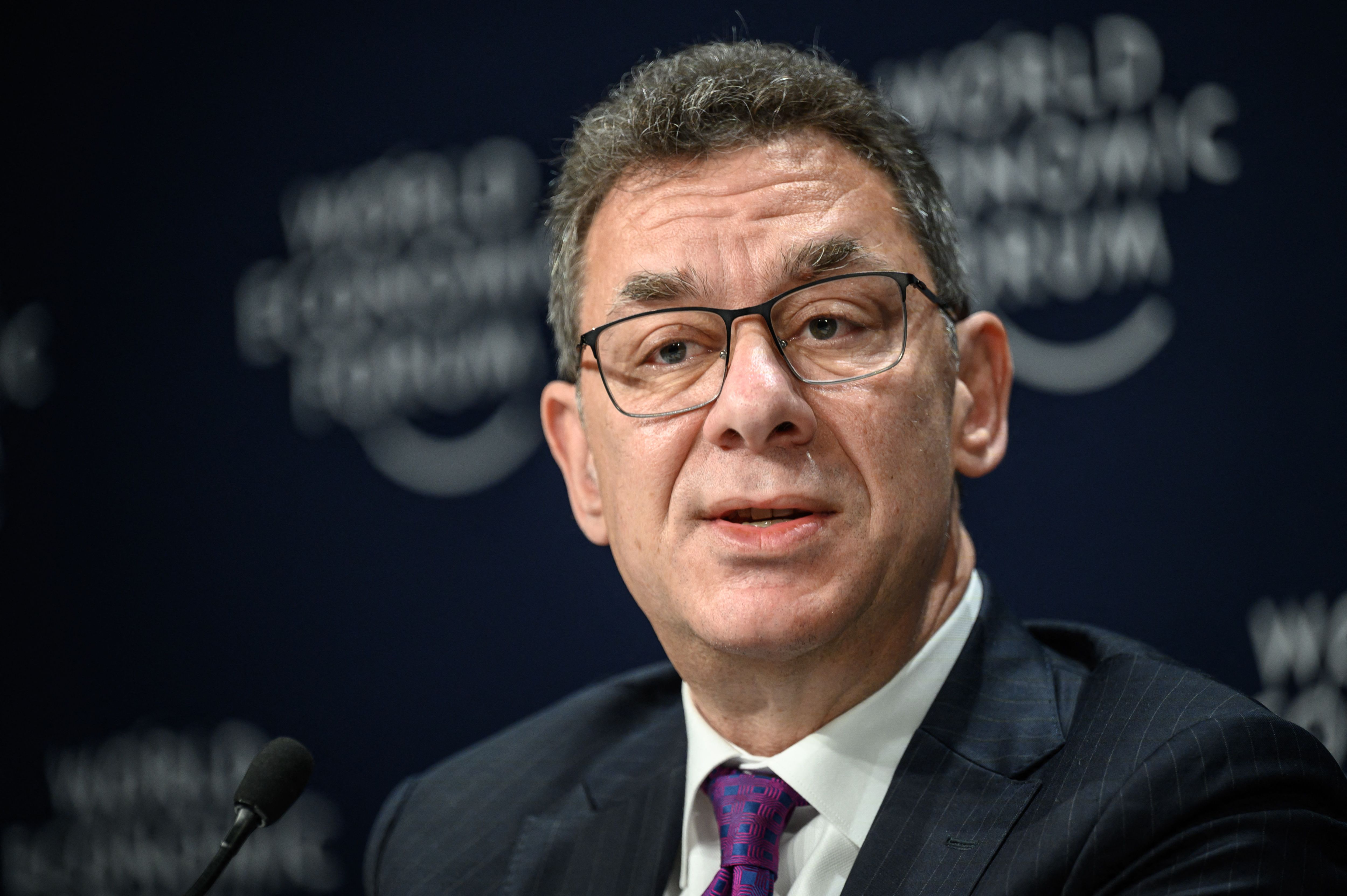
As of 2026, Albert Bourla is 64 years old. Born on October 21, 1961, in Thessaloniki, Greece, he has served as the Chairman and Chief Executive Officer of the pharmaceutical giant Pfizer Inc. since 2019, steering the organization through significant global health challenges and strategic corporate realignments.
Biographical Background and Early Life
Albert Bourla’s journey to the helm of one of the world’s most influential pharmaceutical companies began in Northern Greece. Raised in Thessaloniki, he was part of a close-knit Jewish community that shaped his early perspectives on perseverance and education. His academic trajectory was marked by a commitment to the life sciences, culminating in a Doctor of Veterinary Medicine (DVM) degree and a PhD in the biotechnology of reproduction from the Aristotle University of Thessaloniki.
These academic credentials provided the foundation for his scientific approach to leadership. Unlike executives who rose exclusively through the ranks of finance or marketing, Bourla spent his early career immersed in the technical and practical aspects of veterinary medicine and animal health. This background informs his focus on R&D-led growth, a philosophy that became central to Pfizer’s operational model during his tenure as CEO.
Career Progression Within Pfizer
Albert Bourla joined Pfizer in 1993 and has spent over three decades within the organization, a rarity in the modern corporate landscape where executive movement is frequent. His tenure spans multiple divisions, including Pfizer Animal Health and the Vaccines, Oncology, and Consumer Healthcare groups.
Before his appointment as CEO on January 1, 2019, Bourla served as the Chief Operating Officer (COO). In this role, he was responsible for the commercialization, manufacturing, and global product development functions of the company. His ascent to the CEO position followed the tenure of Ian Read, who focused on streamlining the company’s operations. Bourla’s leadership style has been defined by a pivot toward "science-based" breakthroughs, prioritizing heavy investment in clinical trials and internal research capabilities over aggressive M&A-driven expansion.
Leadership Milestones and Challenges
The most prominent period of Bourla’s leadership began in 2020, as the organization navigated the complexities of the COVID-19 pandemic. His tenure is historically associated with the rapid development and global distribution of the Comirnaty vaccine. This period required unprecedented levels of coordination with government regulators, supply chain logistics, and public health entities.
Beyond the pandemic response, Bourla’s strategic roadmap has focused on:
- Oncology Expansion: The acquisition of Seagen Inc. in 2023 represents a major pillar in his effort to bolster Pfizer’s oncology pipeline.
- Divestiture of Non-Core Assets: Strategic shedding of generic and off-patent drug divisions to focus on proprietary, high-margin innovation.
- Digital Transformation: Incorporating artificial intelligence and machine learning into drug discovery processes to reduce the time-to-market for new therapeutic entities.
Corporate Governance and Executive Structure
Understanding the leadership dynamics at a major firm like Pfizer requires context regarding the role of the Chairman and CEO. Bourla holds both positions simultaneously, a structure that provides a unified voice for the company's strategy but also brings scrutiny regarding board oversight.
In the 2026 corporate environment, the demands on a CEO of a global pharmaceutical company are multifaceted. Bourla must balance the interests of shareholders, the regulatory requirements of bodies like the U.S. Food and Drug Administration (FDA) and the European Medicines Agency (EMA), and the ethical considerations inherent in global health access.
Comparative Overview of Executive Tenure
The following table provides a comparison of recent leadership transitions at Pfizer to contextualize Bourla’s tenure relative to his predecessors.
| Executive Name | Tenure as CEO | Key Strategic Focus |
|---|---|---|
| Henry McKinnell | 2001–2006 | Diversification and M&A |
| Jeffrey Kindler | 2006–2010 | Efficiency and R&D restructuring |
| Ian Read | 2010–2018 | Portfolio optimization |
| Albert Bourla | 2019–Present | Innovation-led growth and vaccine development |
Regulatory and Public Accountability
As CEO, Bourla is a public figure often called upon to testify before legislative bodies and represent the pharmaceutical industry's interests in global forums. His age and tenure place him in a unique position where he is viewed as both a veteran industry insider and a leader tasked with navigating the digital-first evolution of drug development.
One of the primary challenges Bourla continues to address is the volatility of post-pandemic financial performance. Investors in 2026 are looking closely at how the company maintains revenue growth as demand for pandemic-era products normalizes. This environment demands a focus on long-term clinical trial success, which requires high levels of capital allocation and operational patience.
Future Outlook and Strategic Priorities
Looking toward the second half of the 2020s, Bourla’s strategic mandate is centered on the transition from the pandemic-era surge to a sustainable growth model. This involves managing the patent cliffs of existing blockbuster drugs while accelerating the development of new candidates in immunology, oncology, and rare diseases.
The leadership approach has been marked by a high degree of transparency regarding R&D failure rates, emphasizing that in pharmaceutical innovation, failure is a necessary component of eventual success. By fostering a culture that encourages researchers to take calculated risks, Bourla intends to maintain Pfizer’s position as a dominant force in the global biotechnology sector.
Frequently Asked Questions
When did Albert Bourla become the CEO of Pfizer?
Albert Bourla officially assumed the role of Chief Executive Officer of Pfizer on January 1, 2019, succeeding Ian Read. He had previously served as the company’s Chief Operating Officer.
Is Albert Bourla still the CEO in 2026?
Yes, as of 2026, Albert Bourla remains the Chairman and Chief Executive Officer of Pfizer Inc., continuing his leadership of the organization's strategic shift toward innovation and oncology development.
What is Albert Bourla’s professional background?
Albert Bourla is a doctor of veterinary medicine. He holds a DVM and a PhD in the biotechnology of reproduction from the Aristotle University of Thessaloniki in Greece, which provided the scientific background he applied throughout his 30+ year career at Pfizer.
How has Pfizer’s strategy evolved under Bourla?
Under his leadership, Pfizer has shifted toward an R&D-focused business model, prioritizing proprietary product development over the acquisition of established generics, and significantly investing in digital infrastructure to accelerate drug discovery.
What are the main responsibilities of the Pfizer CEO?
The CEO of Pfizer is responsible for the company's global strategy, overseeing operations, research and development, supply chain management, and regulatory compliance, while ensuring the organization meets its financial objectives for shareholders.
Strategic Next Actions
For stakeholders, investors, or those tracking corporate governance in the pharmaceutical sector, the most actionable step is to review the Pfizer Annual Review and Proxy Statement released annually in the first quarter. These documents provide the most granular view of the CEO’s compensation, board-approved strategic goals, and the company’s progress against its long-term R&D milestones. Investors should specifically monitor the quarterly earnings calls for updates on clinical trial progress, as these serve as the primary indicators of the company’s pipeline health and its ability to sustain growth in the coming years.