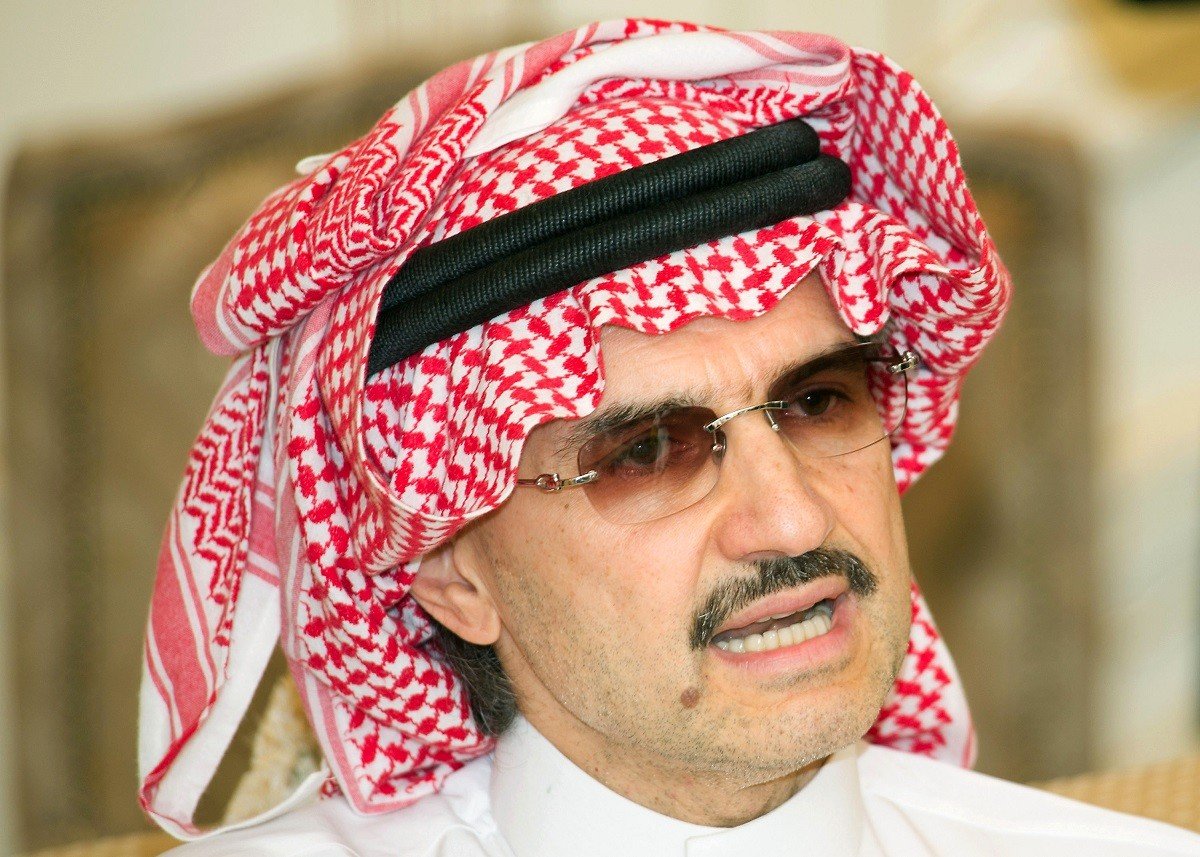
Prince Alwaleed bin Talal bin Abdulaziz Al Saud maintains a diverse global investment portfolio that fluctuates in valuation based on market performance across luxury hospitality, media, banking, and technology sectors. As of 2026, his financial standing remains rooted in his status as the founder and chairman of Kingdom Holding Company, with his net worth defined by the performance of publicly traded equity and private asset holdings.
The Foundation of Kingdom Holding Company
The primary engine behind Prince Alwaleed’s wealth is Kingdom Holding Company (KHC), a Riyadh-based conglomerate that acts as the primary vehicle for his international investments. Founded in 1980, the firm evolved from a modest construction and real estate business into a massive investment entity. Its strategy has historically centered on acquiring significant stakes in global blue-chip companies, often during periods of market undervaluation, to hold them for long-term growth and dividend yield.
The structure of KHC is characterized by a "value-investing" philosophy. By focusing on sectors with high barriers to entry—such as financial services, media, and hospitality—the company has managed to maintain a footprint in Western markets while simultaneously capitalizing on the rapid economic growth of the Gulf region. Understanding his net worth requires an acknowledgment of this dual-market exposure, as his liquid wealth is heavily tied to the share price of KHC on the Saudi Stock Exchange (Tadawul) and the performance of his international subsidiary investments.
Key Asset Classes and Market Exposure
Prince Alwaleed’s investment portfolio is notably diversified, which provides a buffer against localized economic downturns. His holdings can be categorized into four primary domains, each serving a different role in the preservation and growth of his capital:
- Luxury Hospitality: Through KHC, the Prince holds substantial interests in global hotel management companies and physical real estate assets. This includes investments in renowned hotel brands, which benefit from the rebounding global travel and tourism industry.
- Banking and Finance: Historically, one of the most stable segments of his portfolio has been the financial services sector. By holding stakes in global banking institutions, he secures exposure to recurring revenue streams through interest margins and global asset management fees.
- Media and Entertainment: His footprint in the media industry has been significant, encompassing both traditional broadcasting and digital media conglomerates. This sector is characterized by high volatility but provides significant strategic influence.
- Technology and Innovation: The portfolio has consistently prioritized long-term bets on technology giants and venture capital projects. These holdings are often the most liquid part of the portfolio, subject to the rapid fluctuations of global stock exchanges.
Factors Influencing Valuation
Determining the exact net worth of a global investor like Prince Alwaleed is inherently complex. It is not merely a matter of calculating liquid cash, but rather assessing the fair market value (FMV) of diverse and sometimes illiquid assets. Several factors create variance in his annual wealth assessments:
- Market Volatility: Since a significant portion of his wealth is tied to public equities, daily fluctuations in stock market indices directly impact his reported net worth. When major technology or financial sectors underperform, the paper value of his KHC holdings adjusts accordingly.
- Currency Fluctuations: Much of his investment is international, necessitating the conversion of non-Saudi assets into the local currency. Changes in exchange rates between the Saudi Riyal and the US Dollar, or other major currencies, can result in significant accounting shifts in his total wealth.
- Real Estate Liquidity: Unlike stocks, real estate is not marked to market daily. Valuations for his properties—ranging from hotel holdings to private aviation and land banks—are often estimates based on comparable sales, which can be subjective and subject to regional market conditions in 2026.
- Debt and Leverage: Any analysis must account for the leverage used to acquire these assets. His net worth is effectively the equity value of these holdings after subtracting the liabilities associated with acquisition financing and operational debt.
Comparison of Primary Asset Sectors
The following table outlines the structural roles these sectors play in his financial profile:
| Asset Sector | Strategic Purpose | Liquidity Level | Market Sensitivity |
|---|---|---|---|
| Banking | Capital Preservation | High | High (Interest Rates) |
| Hospitality | Revenue Yield | Low | Moderate (Global Travel) |
| Media | Strategic Influence | Moderate | High (Consumer Trends) |
| Technology | Long-term Growth | High | Extreme (Innovation Cycles) |
Regional Dynamics and Economic Influence
The shifting economic landscape of the Middle East, particularly under the umbrella of long-term national economic diversification programs, has necessitated a refinement of how investment portfolios are managed in the region. Prince Alwaleed’s financial status is no longer judged solely by his Western holdings; it is increasingly defined by his ability to align with local development goals.
The integration of his private investments with regional infrastructure projects and national development priorities represents a shift in strategy. By reallocating resources toward domestic growth, he contributes to a cycle of internal economic expansion. This shift is critical because it insulates part of his fortune from international geopolitical tensions and provides a more stable regulatory environment for asset appreciation within the Kingdom.
Common Misconceptions Regarding Global Wealth
Public perception often conflates lifestyle assets—such as private aircraft, superyachts, and extensive real estate holdings—with a person's net worth. In professional financial analysis, these are treated as depreciating assets or personal expenses rather than core investment capital. When evaluating the fortune of a major investor, it is essential to distinguish between personal consumption and the institutional capital that dictates market influence. The volatility observed in public discourse is often the result of failing to separate the costs of maintaining a high-net-worth lifestyle from the underlying performance of the investment engine itself.
Managing Large-Scale Portfolios
For investors looking to understand the mechanics of massive wealth management, the example of Prince Alwaleed highlights the necessity of "institutionalizing" personal wealth. Rather than holding individual stocks, large fortunes are protected and grown through dedicated holding companies. This structure provides several technical advantages:
- Tax Efficiency: Holding companies allow for the reinvestment of dividends without the immediate tax drag associated with personal income.
- Operational Continuity: By housing assets in a corporate structure, the fortune becomes independent of the individual, allowing for continuity even in the event of succession or leadership changes.
- Diversification Access: Large holding companies gain access to private equity, venture capital, and institutional-grade real estate deals that are generally unavailable to individual investors.
Strategic Outlook for 2026 and Beyond
As the global economy stabilizes in 2026, the focus for major investors like Prince Alwaleed remains on defensive growth and the capture of technological efficiencies. The transition toward digital services and the integration of artificial intelligence into traditional business models (such as banking and hospitality) represent the next frontier for portfolio expansion. Investors should note that the key to maintaining such a fortune lies not in static asset allocation, but in the agility to rebalance between sectors as global regulatory and technological environments evolve. Those seeking to emulate such success must prioritize long-term holding strategies and the utilization of corporate structures to manage risk and tax obligations efficiently.
Frequently Asked Questions
What primarily determines Prince Alwaleed’s net worth?
His net worth is primarily determined by the valuation of Kingdom Holding Company (KHC) shares and the performance of his diversified international portfolio, which includes banking, hospitality, and technology holdings.
Does the Prince’s personal lifestyle affect his net worth calculation?
While personal assets like aircraft and property are valuable, they are generally categorized as personal consumption rather than the "net worth" of his investment portfolio, though they are often factored into broad estimates by market analysts.
How does the Saudi Arabian economy impact his fortune?
The Saudi economy influences his fortune through the regulatory environment, local market growth, and his strategic alignment with national economic initiatives, which provide both stability and opportunities for domestic capital reinvestment.
Why is there often a discrepancy in net worth estimates?
Estimates vary because public market data is readily available, but private equity, real estate valuations, and personal liabilities are often opaque and subject to varying methodology among financial reporting agencies.
What is the advantage of a holding company structure?
A holding company structure, like that of Kingdom Holding, provides tax efficiency, limited liability, and the ability to access institutional-level investment opportunities that are not accessible to individual investors.