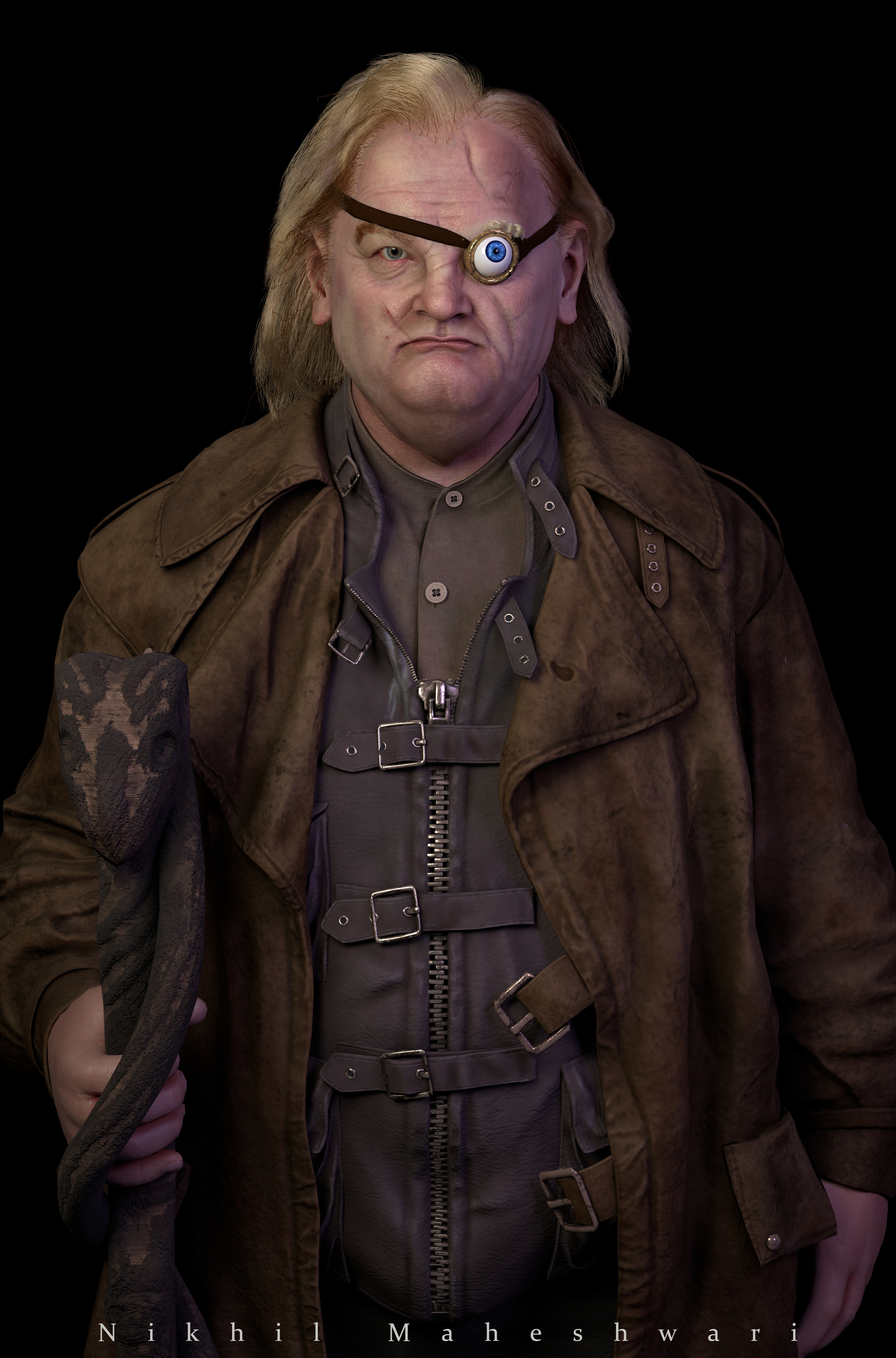
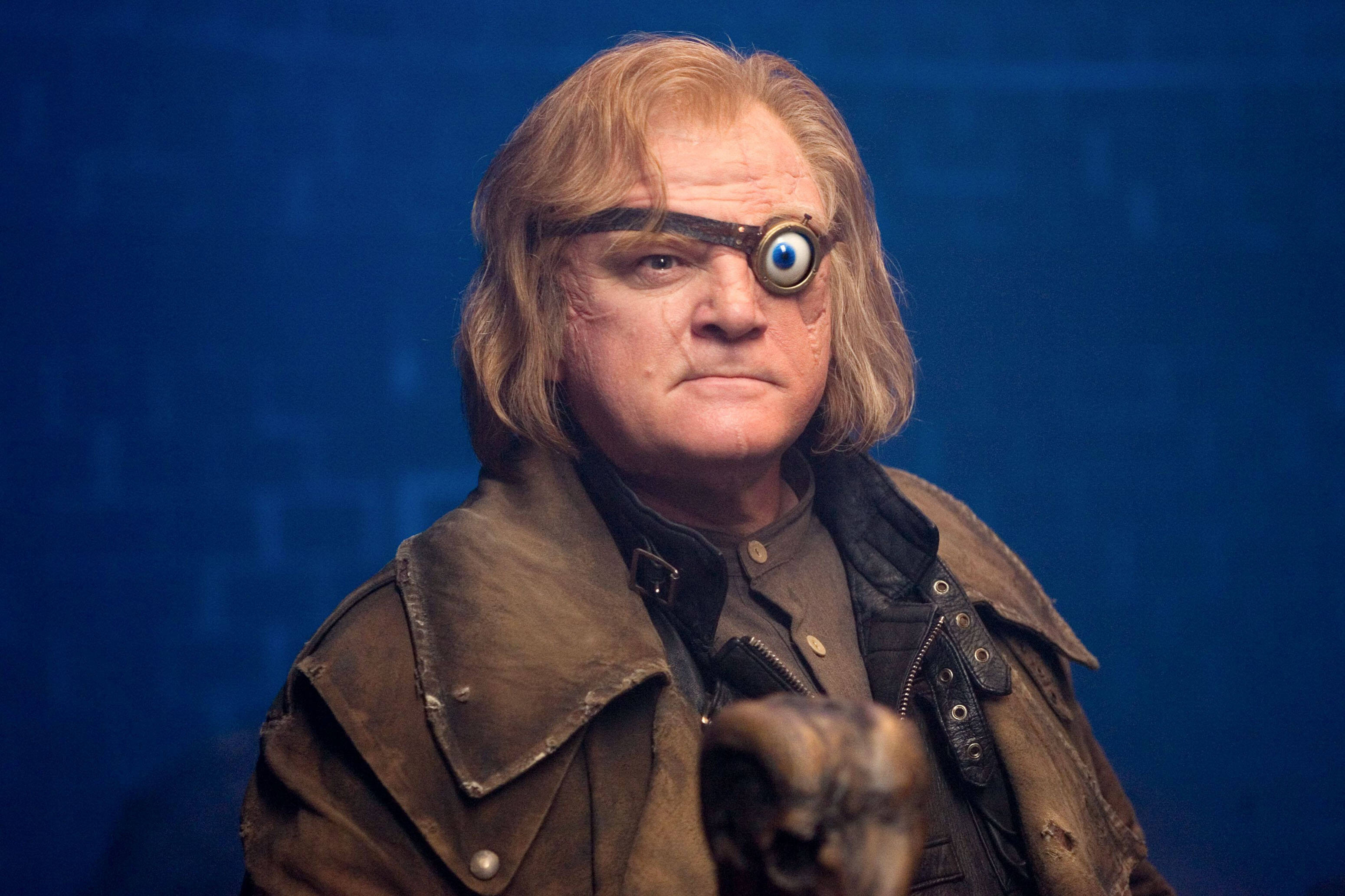
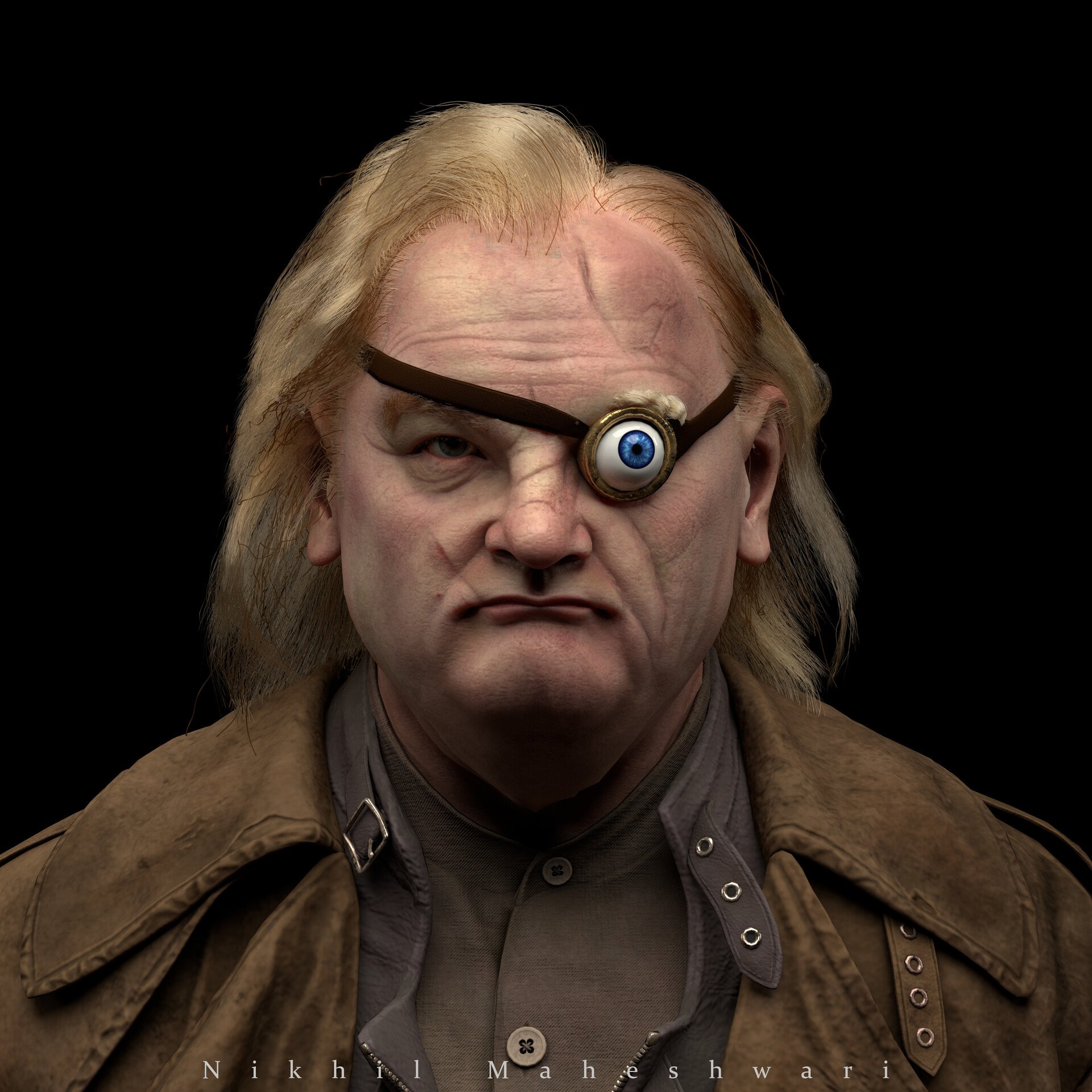
Alastor "Mad-Eye" Moody is recognized as the most formidable Auror of his generation within the wizarding community, serving as a pivotal figure in the defense against the Dark Arts. Known for his intense vigilance, specialized magical prosthetics, and his tenure at Hogwarts School of Witchcraft and Wizardry, he remains a central character whose legacy is defined by his uncompromising pursuit of justice and his instrumental role in both Wizarding Wars.
Origins and Professional Legacy
Alastor Moody’s career was defined by his relentless dedication to the Department of Magical Law Enforcement. As an Auror—a member of an elite force of dark wizard hunters—Moody gained a reputation for being uncompromising, often accused of using excessive force against Dark witches and wizards. His approach was grounded in the philosophy of "Constant Vigilance," a mantra he instilled in his peers and students to ensure they remained prepared for the unpredictable nature of Dark magic.
Throughout his tenure, Moody was responsible for filling half of the cells in Azkaban with captured dark practitioners. This professional history made him a primary target for retribution, resulting in the physical injuries that defined his later appearance. He lost an eye, a leg, and a portion of his nose during his long service, replacing these with enchanted alternatives, most notably his magical, rotating prosthetic eye.
Magical Capabilities and Signature Equipment
The character is frequently associated with advanced defensive magic. His expertise was not limited to combat; he was a master of tracking, stealth, and investigative techniques. His ability to detect hidden dangers and his proficiency in non-verbal spellcasting made him a cornerstone of the original Order of the Phoenix, a secret society formed by Albus Dumbledore to counter Lord Voldemort.
Notable Magical Assets
- The Magical Eye: His most distinct feature, this prosthetic allowed him to see through invisibility cloaks, solid walls, and even the back of his own head. It served as a constant surveillance tool, reflecting his paranoia and strategic need for information.
- The Sneakoscope: Moody utilized this device, which whistles and spins when detected dishonesty or untrustworthy individuals are nearby. It symbolizes his reliance on external magical diagnostic tools to augment his natural instincts.
- Combat Proficiency: He was adept at sophisticated dueling, employing a wide array of jinxes and hexes. His defensive repertoire included advanced shielding charms, which were essential during his confrontation with multiple Death Eaters over his decades of service.
Comparison of Professional Roles
Moody’s career shifted from field operations to institutional instruction and advisory roles as he aged. The following table illustrates the distinction between his primary capacities during the height of his career and his later life.
| Role | Primary Focus | Notable Constraints |
|---|---|---|
| Field Auror | Direct apprehension of dark wizards | High risk of physical injury and burnout |
| Order Member | Intelligence gathering and tactical support | Secret identity, high moral stakes |
| DADA Professor | Pedagogical instruction of defensive tactics | Compromised status during tenure |
The Hogwarts Incident: A Case of Impersonation
In 1994, Moody was commissioned by Albus Dumbledore to serve as the Defense Against the Dark Arts (DADA) professor at Hogwarts. However, he was abducted prior to the start of the academic year by Barty Crouch Jr., acting on behalf of Lord Voldemort. For the duration of the 1994–1995 school year, he was held prisoner in his own enchanted trunk while his identity was usurped via Polyjuice Potion.
This incident is essential for understanding the character’s reputation versus his actual performance during that year. Students and faculty observed a version of Moody who was more aggressive and politically compromised than the true Alastor. The true Moody remained imprisoned and incapacitated, unable to intervene while his likeness was used to facilitate the return of the Dark Lord. Following the revelation of this ruse, he eventually returned to service with the Order of the Phoenix until his death during the Battle of the Seven Potters in 1997.
Tactical Philosophy: Constant Vigilance
"Constant Vigilance" was more than a catchphrase; it was a comprehensive security strategy. In the context of wizarding combat, this mandated:
- Situational Awareness: Analyzing the environment for potential traps or concealed adversaries, regardless of how safe a location appeared.
- Psychological Preparation: Anticipating that an enemy would prioritize deception, such as the use of Polyjuice Potion or the Imperius Curse, to bypass standard defenses.
- Redundancy: Maintaining multiple magical backups, such as the Sneakoscope or the Foe-Glass, to cross-reference reality against human observation.
This philosophy remains a primary point of academic and historical discussion regarding the history of the First and Second Wizarding Wars. It serves as a study in the balance between extreme security measures and the erosion of trust within a community.
Frequently Asked Questions
What was the function of Alastor Moody’s magical eye?
The magical eye was a high-level enchanted prosthetic capable of piercing magical concealment. It could see through solid objects, including the Invisibility Cloak, and provided a 360-degree field of vision, which was critical for a man constantly under threat of ambush.
Did Alastor Moody ever actually teach at Hogwarts?
Technically, no. While he was hired for the position, the individual who performed the duties of the professor throughout the 1994–1995 school year was Barty Crouch Jr. The real Alastor Moody was imprisoned in his own trunk throughout that entire period.
Why was Alastor Moody considered the greatest Auror?
He was considered the greatest due to his unprecedented success rate in capturing dark wizards. His career spanned decades of intense conflict, and his ability to survive—despite sustaining permanent physical disabilities—made him a legendary figure within the Ministry of Magic.
How did Alastor Moody die?
He was killed during the Battle of the Seven Potters in 1997 while attempting to transport Harry Potter to safety. He was struck by a Killing Curse cast by Lord Voldemort and fell from his broomstick.
Is the Sneakoscope a reliable device?
The Sneakoscope is a diagnostic tool designed to indicate the presence of untrustworthy individuals or magical deception. While effective, it can be triggered by minor disturbances, necessitating human interpretation and, in Moody’s case, an experienced eye to distinguish between true threats and false positives.
Recommendations for Further Study
To fully grasp the impact of Alastor Moody on the geopolitical structure of the wizarding world, one should examine the records of the Department of Magical Law Enforcement from the 1970s and 1980s. These archives provide the most accurate account of his investigative methodologies and the evolution of the Auror office. For those interested in the tactical application of his defensive theories, reviewing transcripts of his DADA lectures—while acknowledging the impostor’s influence—offers insight into the practical defense methods taught to the generation that eventually overcame the resurgence of the Dark Lord.