The Alaska State Fair is an annual late-summer tradition held in Palmer, Alaska, celebrating the state’s unique agricultural achievements and culture. Spanning nearly two weeks, the event features the world-famous giant vegetable weigh-off, diverse musical performances, rodeo events, and local craft exhibits, requiring strategic planning regarding travel, ticketing, and scheduling to fully experience the expansive fairgrounds.
Understanding the Scope and History of the Fair
Located approximately 45 miles northeast of Anchorage, the Alaska State Fair serves as the premier exhibition for Alaska’s agricultural and artistic production. Its origins date back to the 1930s when it was established to support the Matanuska Colony project—a government-sponsored agricultural settlement in the Matanuska Valley. Over the decades, it has evolved into a massive multi-day event that attracts over 300,000 visitors annually, making it one of the largest public gatherings in the state.
The fair is defined by the unique growing conditions of the Alaskan sub-arctic. Because of the nearly 20 hours of daylight experienced during the summer, local farmers produce record-breaking giant vegetables, such as pumpkins, cabbages, and rutabagas. Witnessing these massive specimens is considered a quintessential experience for any first-time attendee. Beyond agriculture, the fair provides a platform for local artisans, musicians, and culinary vendors, acting as a snapshot of life in the Last Frontier.
Logistics: Travel, Admission, and Scheduling
As of 2026, the Alaska State Fair typically runs from late August through Labor Day. Navigating the fairgrounds requires preparation, particularly regarding transportation and ticketing. Most attendees arrive via personal vehicle from Anchorage or the surrounding Matanuska-Susitna Borough, utilizing the Glenn Highway. Parking is available on-site, though traffic congestion is common during peak weekend hours and concert nights.
Ticketing structures are tiered to encourage early planning. Visitors can purchase single-day gate admission or opt for season passes if they intend to visit multiple times. It is critical to note that gate admission usually does not include access to grandstand concerts or specific midway carnival rides. Concert tickets are sold separately and often sell out weeks in advance; checking the official event schedule in early summer is recommended for those hoping to see specific headlining acts.
Comparative Overview of Fair Participation
The following table outlines the typical operational and financial components for planning your visit.
| Category | Typical Status/Provision |
|---|---|
| Operational Timing | Late August to early September |
| Primary Location | Palmer, Alaska (Fairgrounds) |
| Admission Basis | Per-person gate entry (daily or season) |
| Extra-Cost Services | Grandstand concerts, midway rides, professional rodeo |
| Standard Amenities | Free parking, ADA accessibility, shuttle services |
| Animal Exhibits | Available throughout the event duration |
Navigating the Fairgrounds and Key Attractions
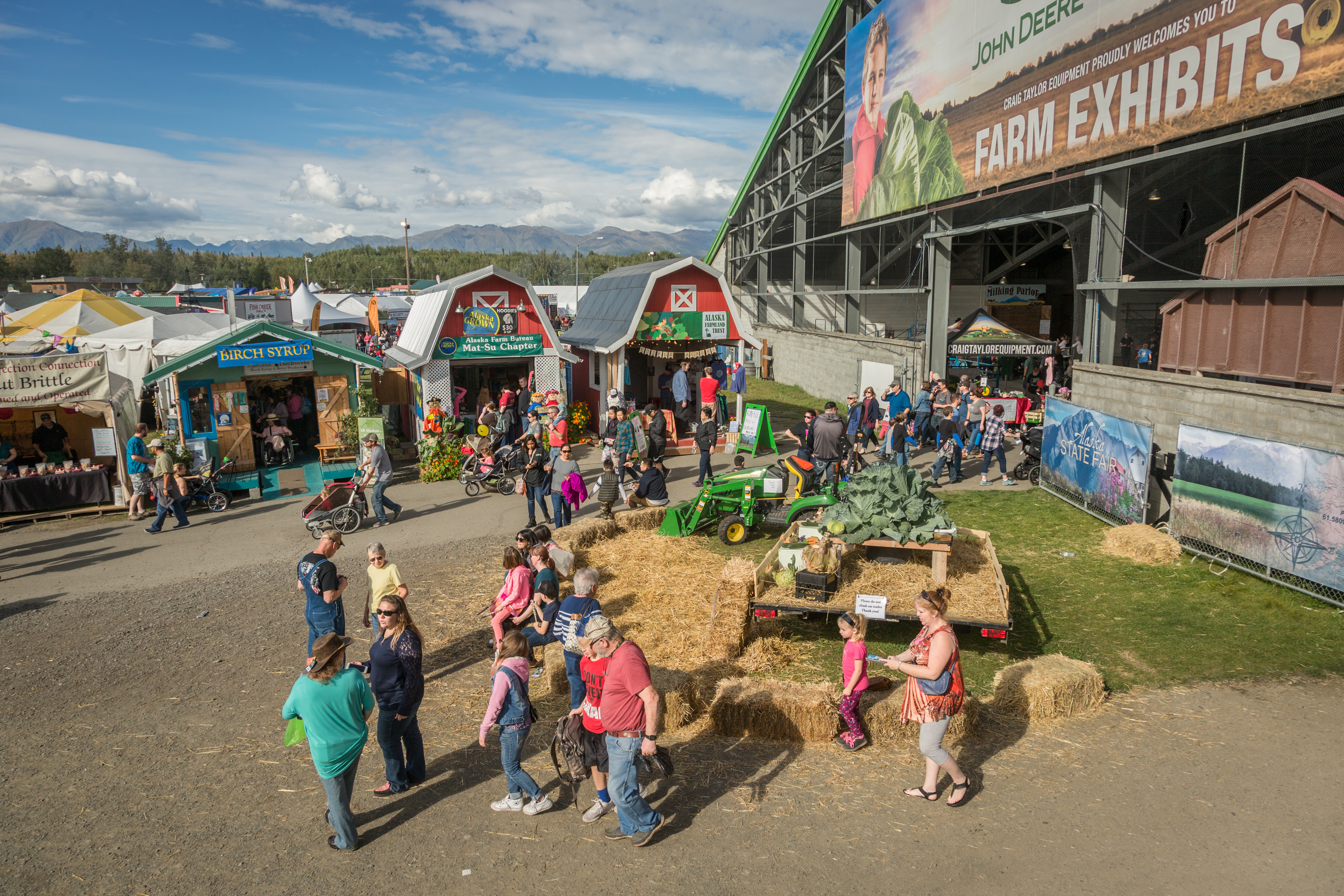
The layout of the Alaska State Fair is sprawling. To maximize your visit, categorize your time into three distinct zones: the agricultural centers, the commercial and arts pavilions, and the midway/entertainment areas.
The agriculture buildings house the 4-H club displays, livestock pens, and the competitive vegetable exhibits. This is the heart of the fair and provides the best insight into the local farming culture. For families, the livestock areas offer opportunities to view local animal husbandry, including rabbits, poultry, and larger farm animals like goats and horses.
The commercial pavilions feature local vendors selling everything from hand-knitted qiviut (musk ox wool) garments to locally sourced honey and woodcrafts. Because the fair supports local businesses, this is an excellent opportunity to source authentic Alaskan goods that are not mass-produced.
Strategies for Managing Weather and Crowds
The weather in the Matanuska Valley during late August and early September is notoriously unpredictable. While days can be warm and sunny, temperatures often drop significantly once the sun dips below the horizon. The most experienced attendees follow the "layers principle." Packing a waterproof outer shell, a medium-weight fleece, and comfortable, water-resistant walking shoes will ensure you remain comfortable regardless of sudden cloud cover or light rain.
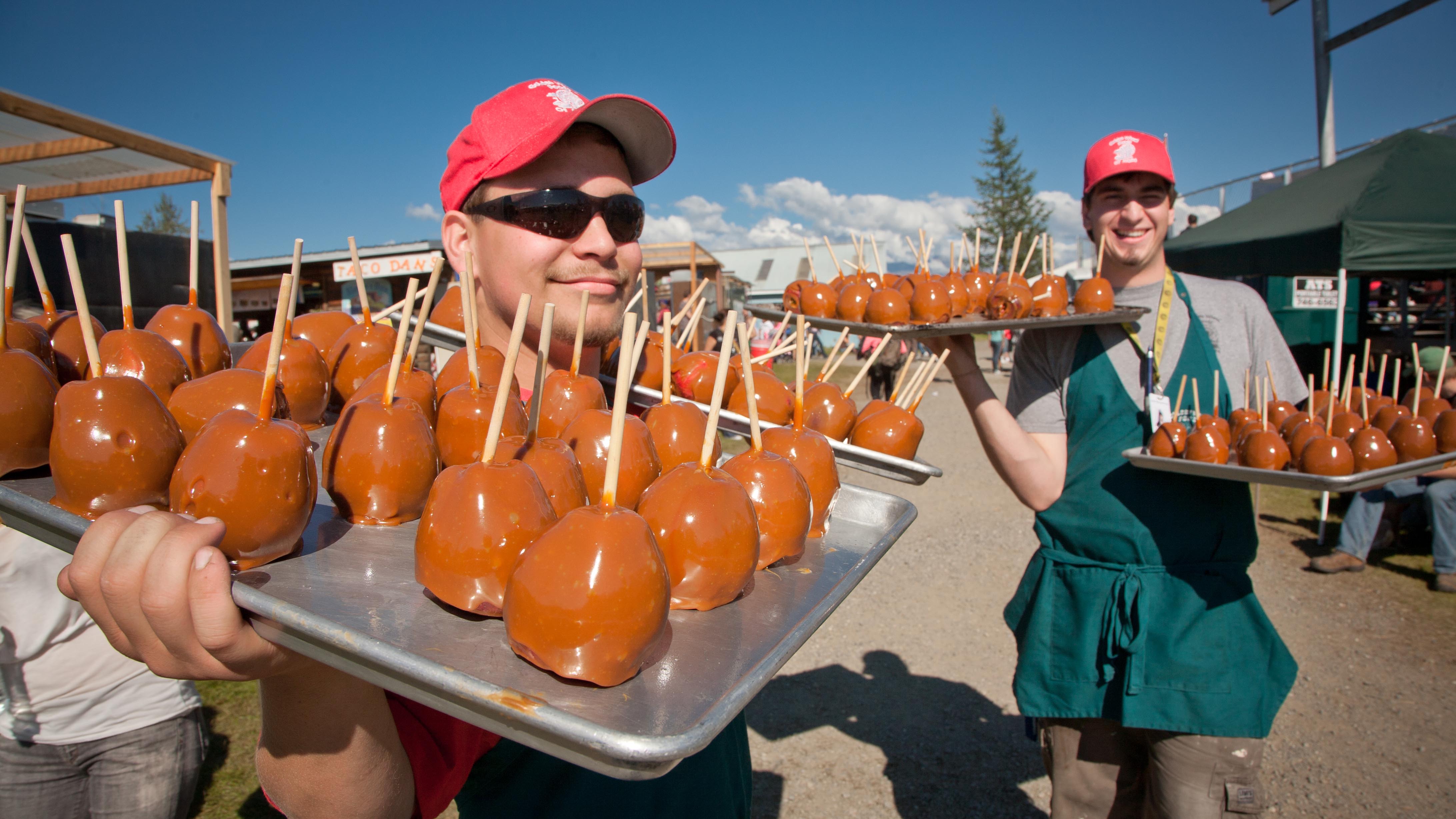
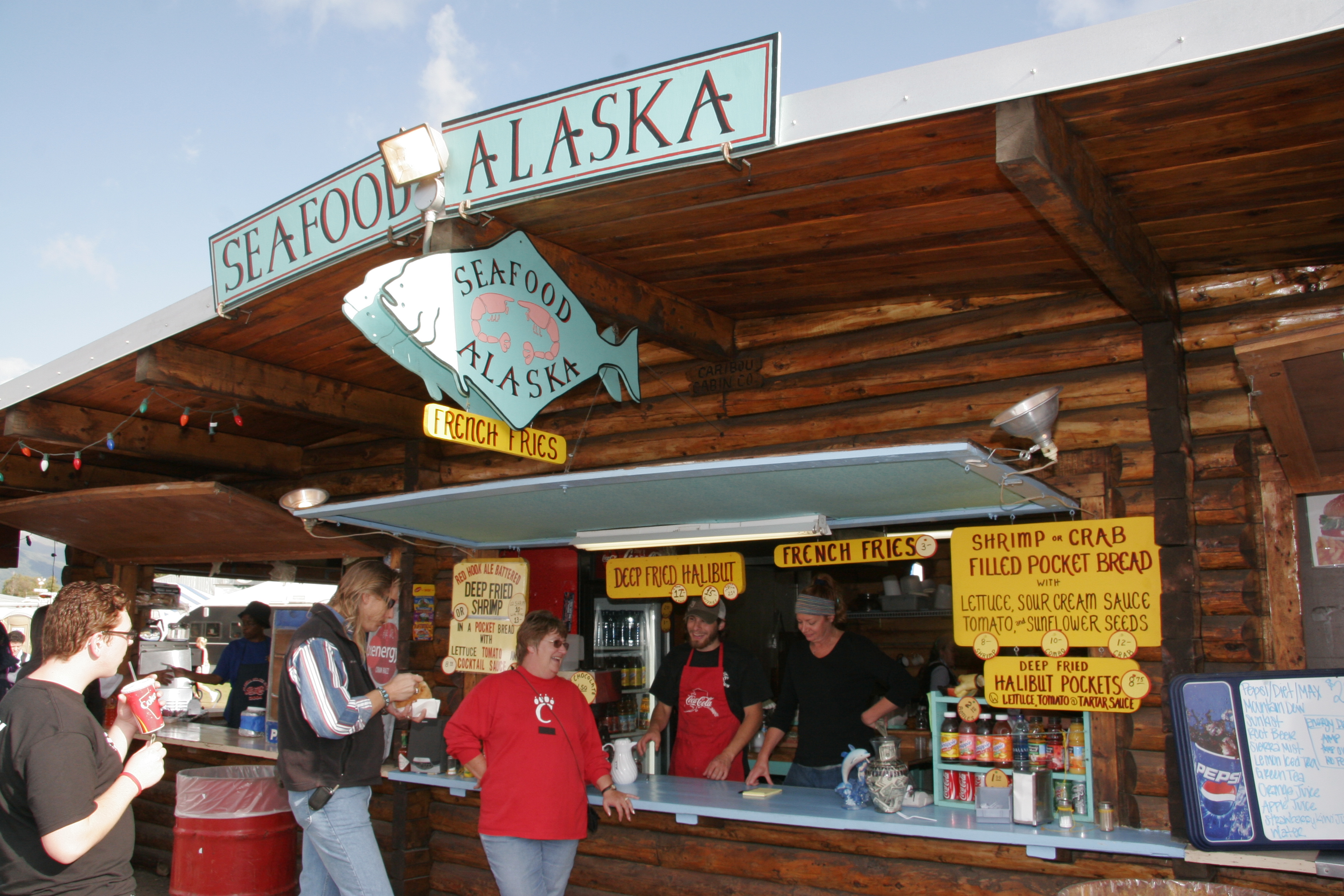
Regarding crowds, the fair is most densely populated on weekends and during the final days leading up to Labor Day. If you prefer a more relaxed environment to view the exhibits and explore the booths, plan your visit for a weekday morning. Mid-week attendance allows for shorter queues at food vendors—which often serve local staples like fried halibut, reindeer sausage, and fresh berry pie—and provides better access to the smaller, more intimate stages that feature local Alaskan musicians and dance troupes.
Competitive Entries and Community Involvement
A significant portion of the Alaska State Fair is dedicated to competitive entries. Residents from across the state submit items for judging in categories ranging from photography and canning to fiber arts and giant cabbage growing. Viewing these exhibits provides a deep look into the standards of excellence in Alaskan home arts.
If you are a resident interested in participating, be aware that registration for competitions typically closes weeks before the fair opens. Detailed guidelines regarding entries, packaging, and specific requirements for each division are provided by the fair’s administration. For visitors, these displays are best enjoyed by reading the judge's critiques posted next to the winning entries, which often highlight the technical skill required to achieve such high-quality results.
Troubleshooting Common Visit Issues
- Lost Property: The fair maintains a central lost-and-found office at the administration building. Report lost items immediately as the fairgrounds are expansive.
- Accessibility: Most paths are paved or packed gravel, making them accessible for mobility aids, but keep in mind that the fairgrounds are vast. Consider renting scooters if mobility is a concern.
- Connectivity: Cellular service can become unreliable during peak attendance periods when thousands of people congregate in a small area. Plan to meet friends or family at designated landmarks rather than relying on text communication.
- Cash vs. Card: While most vendors accept digital payments, carrying a small amount of cash is beneficial for smaller transactions at craft booths or quick-service food stalls that may occasionally experience connection delays.
Recommended Next Actions for Attendees
To ensure a successful experience, visit the official Alaska State Fair website four to six weeks prior to the opening date to view the official schedule and purchase concert or carnival tickets. If you are traveling from outside the Matanuska-Susitna Borough, book your accommodations in Palmer or Wasilla well in advance, as lodging in the region reaches full capacity quickly during the fair’s tenure. Prior to arrival, review the prohibited items list—which typically restricts outside alcohol and certain types of gear—to ensure smooth processing through the gate security checkpoints.