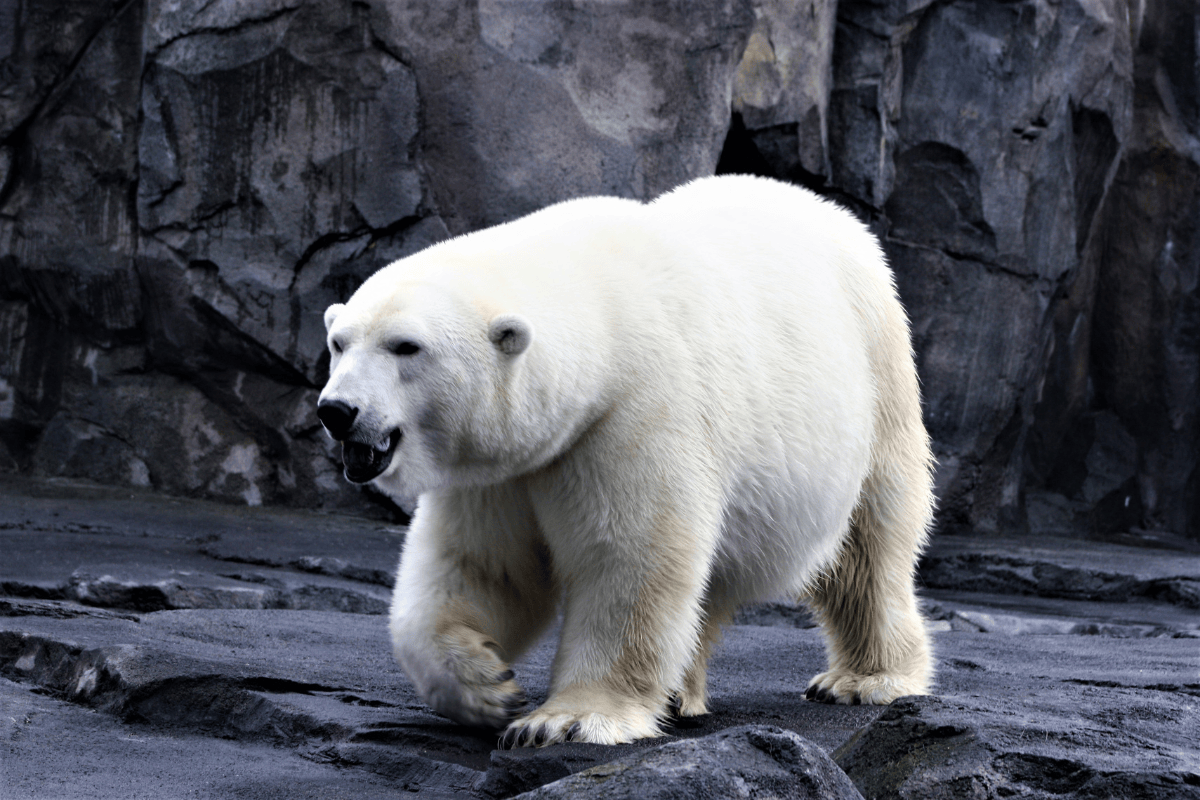
Encountering a polar bear in Alaska requires an immediate understanding of aggressive wildlife deterrence, spatial awareness, and updated safety protocols. Because polar bears (Ursus maritimus) are powerful apex predators operating in increasingly volatile sea-ice conditions, mastering non-lethal deterrence methods, bear spray deployment, and camp hardening is essential for anyone traveling, working, or living in northern and western coastal regions of the state.
Understanding Polar Bear Behavior and Habitat in Alaska
Polar bears primarily inhabit the sea ice, barrier islands, and coastal zones of northern and western Alaska, with major concentration areas near towns like Utqiagvik (formerly Barrow), Kaktovik, and Point Hope. Unlike black bears or brown bears, polar bears are obligate carnivores that evolved in an environment devoid of permanent human presence. Consequently, they often view humans as novel prey rather than competitors or a threat. Understanding this predatory mindset is fundamental to survival.
Seasonal changes heavily influence bear distribution and behavior. In the late summer and autumn, as pack ice retreats far offshore, hundreds of polar bears may gather along the coast, waiting for the ocean to refreeze. These terrestrial bears are often fasting, highly curious, and exceptionally hungry. When food is scarce, their predatory drive intensifies. Recognizing the signs of predatory stalking—such as persistent following, lowered head posture, and stealthy approaches—allows travelers to transition rapidly from passive observation to aggressive deterrence.
Furthermore, climate change and declining Arctic sea ice have increased the frequency of land-based encounters. Bears are spending more time on land, overlapping with human settlements, hunting camps, and industrial outposts. This shifting ecology means that historical assumptions about where bears will be encountered are no longer reliable. Modern safety protocols must account for year-round vigilance, particularly during the open-water and freeze-up transition periods.
Essential Safety and Deterrence Equipment for Arctic Travel
Carrying the correct defensive equipment can mean the difference between a minor scare and a fatal attack. Standard wilderness gear used in lower latitudes—such as small pocket knives or inadequate bear sprays—is insufficient against an adult male polar bear that can weigh over 1,000 pounds. Travelers in polar bear territory must be equipped with layered defense systems that include both non-lethal deterrents and reliable firearms as a last resort.
- High-Output Bear Spray: Specialized bear spray canisters formulated for extreme cold must be carried on an easily accessible hip or chest holster, never inside a backpack. The formulation must resist freezing, and users should ensure the spray is EPA-registered specifically for large ursids, delivering a strong fog or cone pattern over at least 30 feet.
- Acoustic and Pyrotechnic Deterrents: Pen launchers, bangers, and screamer rounds are highly effective for startling bears before they close the distance. These devices emit loud noises or whistling sounds that exploit a bear's natural wariness of unfamiliar stimuli.
- Large-Caliber Firearms: Where legally permitted and culturally appropriate, a high-caliber rifle (such as a .30-06, .375 H&H Magnum, or a 12-gauge shotgun loaded with Brenneke slugs) serves as the ultimate line of defense. Firearms require extensive proficiency and should only be deployed when non-lethal methods fail to halt an active charge.
- Early Warning Systems: Tripwire perimeter alarms, motion-activated floodlights, and electric fences are vital for static field camps, protecting sleeping quarters and work areas during periods of low visibility.
Proven Strategies for Polar Bear Attack Survival
If a polar bear approaches, the tactical response depends entirely on whether the bear exhibits defensive or predatory behavior. Unlike brown bears, where playing dead is occasionally recommended during a surprise defensive mauling, playing dead in front of a polar bear is almost always fatal. Polar bears view stationary objects as potential prey or scavenging opportunities.
| POLAR BEAR ENCOUNTER DECISION MATRIX | |
|---|---|
| Behavioral Cues | Recommended Tactical Response |
| Curious / Approaching | Stand your ground, group together, make loud noises, ready bear spray. |
| Stalking / Predatory | Do not run. Maintain eye contact, shout aggressively, prepare lethal deterrents. |
| Active Charge | Deploy bear spray at 30-40 feet; fire heavy-caliber firearm if charge continues. |
When confronted, the primary objective is to look as large and formidable as possible. Multiple people should stand close together, raise their arms, and speak in deep, assertive voices. Never turn your back and run; running triggers the bear's predatory chase instinct, and a polar bear can easily outrun a human even in deep snow or rough terrain. Back away slowly and diagonally while keeping the animal in your direct line of sight.
If a bear makes physical contact or initiates a direct attack, fight back with every available resource. Use rocks, heavy tools, trekking poles, or a firearm to strike the bear's sensitive areas, particularly the nose, eyes, and muzzle. The goal is to inflict enough pain and confusion to convince the bear that the prey is too dangerous or difficult to subdue.
Camp Hardening and Waste Management in Bear Country
Proper site selection and meticulous camp hygiene are the most effective preventive measures against polar bear attacks. Bears possess an olfactory system capable of detecting scents over great distances, often smelling seal blubber, fish, or human food miles downwind. Setting up a camp incorrectly invites unwanted predatory visits during hours of darkness or poor visibility.
When establishing a field camp in coastal Alaska, choose locations that offer wide visibility, avoiding low ridges, dense brush, or pressure ridges on sea ice where bears can conceal their approach. Never pitch tents directly on active game trails or marine mammal hauling-out spots.
- Airtight Food Storage: Store all food, garbage, and scented items in certified bear-resistant containers or hang them well out of reach if structures are unavailable. Never store food inside sleeping tents.
- Strict Waste Protocol: Burn combustible garbage completely and pack out all food scraps. Grease and food odors clinging to clothing or cooking utensils should be minimized by washing dishes away from the sleeping area and changing clothes before entering tents.
- Physical Barriers: Utilize portable electric fences designed specifically for polar bear deterrence around camp perimeters. Ensure the ground wire is properly grounded and test voltage daily.
Latest News, Research, and Regulatory Updates
Management of human-polar bear interactions in Alaska is guided by cooperative agreements between federal agencies, such as the U.S. Fish and Wildlife Service (USFWS), and Indigenous organizations like the Alaska Nanuuq Commission. Recent monitoring initiatives emphasize community-based polar bear watch programs, which deploy trained local monitors (often called "polar bear patrols") to protect villages during peak ice-free seasons when bears linger near human infrastructure.
Recent scientific assessments published by wildlife researchers highlight an ongoing shift in denning habits. Due to diminishing stable pack ice, an increasing number of pregnant polar bears are selecting terrestrial denning sites along the northern coast of Alaska, rather than on multi-year sea ice. This trend increases the likelihood of close encounters between industrial workers, subsistence hunters, and maternal bears protecting vulnerable cubs.
Regulatory updates continue to emphasize non-lethal deterrence education. The Marine Mammal Protection Act (MMPA) governs interactions with polar bears, strictly prohibiting the harassment or taking of marine mammals. However, provisions exist for the self-defense of human life. Federal wildlife officials strongly encourage proactive reporting of all bear encounters to local Alaska Department of Fish and Game (ADF&G) offices or USFWS representatives, ensuring that researchers can track movement patterns and mitigate future human-wildlife conflicts.
Frequently Asked Questions
What should I do immediately if I see a polar bear in the distance?
Stop moving immediately, gather your group close together to appear as a large single entity, and ensure your bear spray or deterrent is unholstered. Monitor the bear's behavior closely, speak in calm, assertive tones, and begin backing away slowly while keeping the animal in sight. Do not run or make sudden movements.
Is bear spray effective against polar bears?
Yes, high-output bear spray specifically formulated for large ursids is highly effective when deployed within its operational range, typically 30 to 40 feet. It temporarily blinds the bear, irritates its respiratory tract, and disrupts its attack momentum, giving humans critical time to retreat.
Can I play dead during a polar bear attack?
No, playing dead is strictly discouraged during a polar bear encounter. Unlike brown bears, which may break off an attack if perceived as a non-threatening submission, polar bears treat stationary humans as active prey or scavenging opportunities. You must fight back aggressively.
Where do most polar bear encounters occur in Alaska?
Encounters are most frequent along the northern and western coasts of Alaska, particularly near marine mammal hunting areas, barrier islands, and coastal settlements such as Utqiagvik, Kaktovik, Wainwright, and Point Hope, especially during late summer and autumn when sea ice is minimal.
How can I legally protect myself against a polar bear in Alaska?
Under the Marine Mammal Protection Act, taking a polar bear is prohibited unless it is done for immediate self-defense or the defense of others when human life is in imminent danger. Travelers are strongly encouraged to utilize non-lethal deterrents first and to consult local guidelines regarding authorized defensive firearms.
What are the best practices for food storage in polar bear territory?
All food, garbage, and fragrant personal items must be secured in certified bear-resistant containers or heavy-duty steel drums. Food should never be stored or consumed inside sleeping tents, and cooking areas should be maintained at least 100 yards downwind from sleeping quarters.
Safe Travel and Preparedness Next Steps
If you are planning an expedition, fieldwork, or residency in northern or western coastal Alaska, prioritize comprehensive safety training before departure. Consult the official guidelines provided by the U.S. Fish and Wildlife Service and the Alaska Department of Fish and Game regarding current local bear densities and seasonal advisories. Invest in professional-grade deterrent equipment, practice rapid deployment of bear spray, and establish clear communication protocols with local community monitors or native corporations before entering remote Arctic terrain.