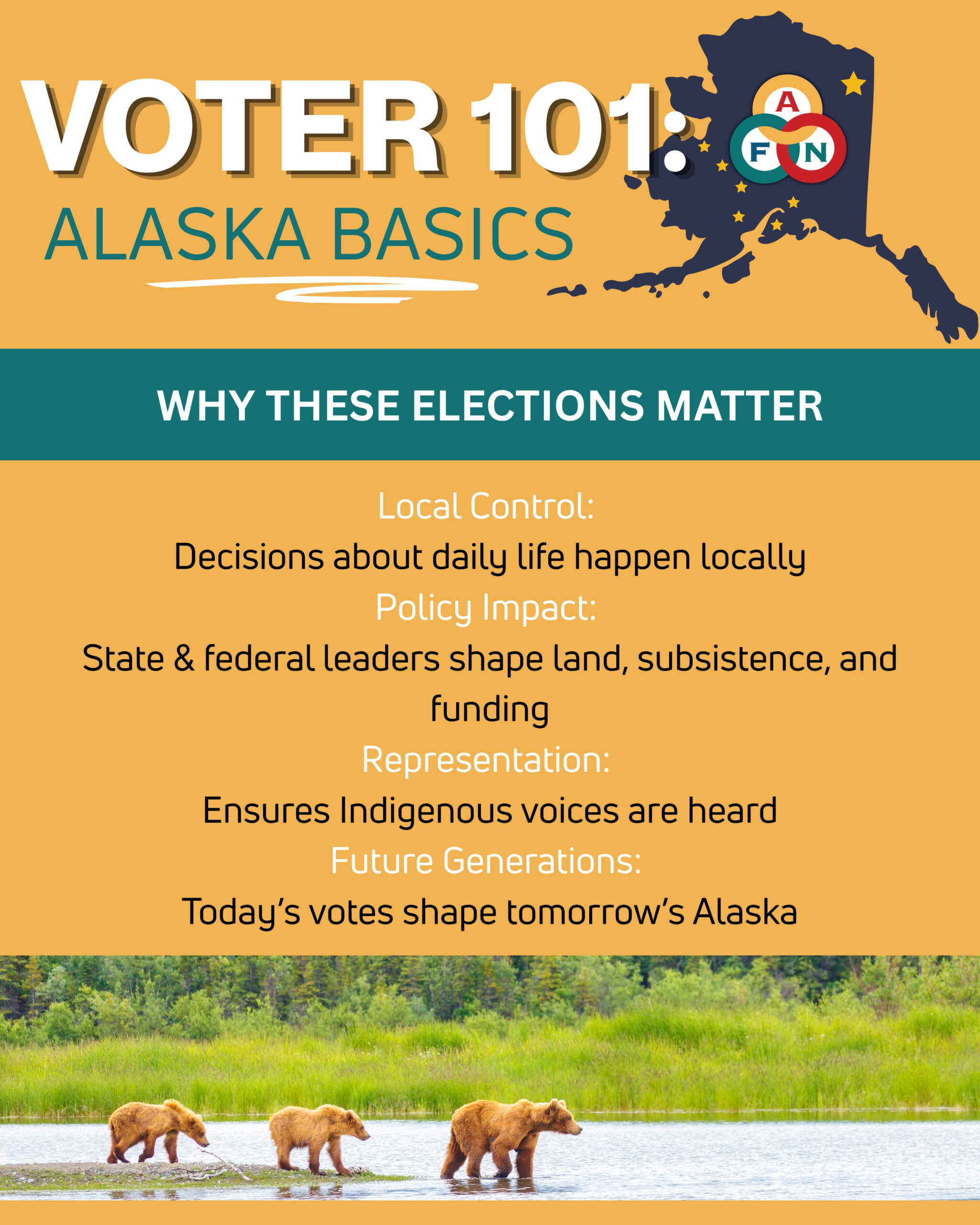
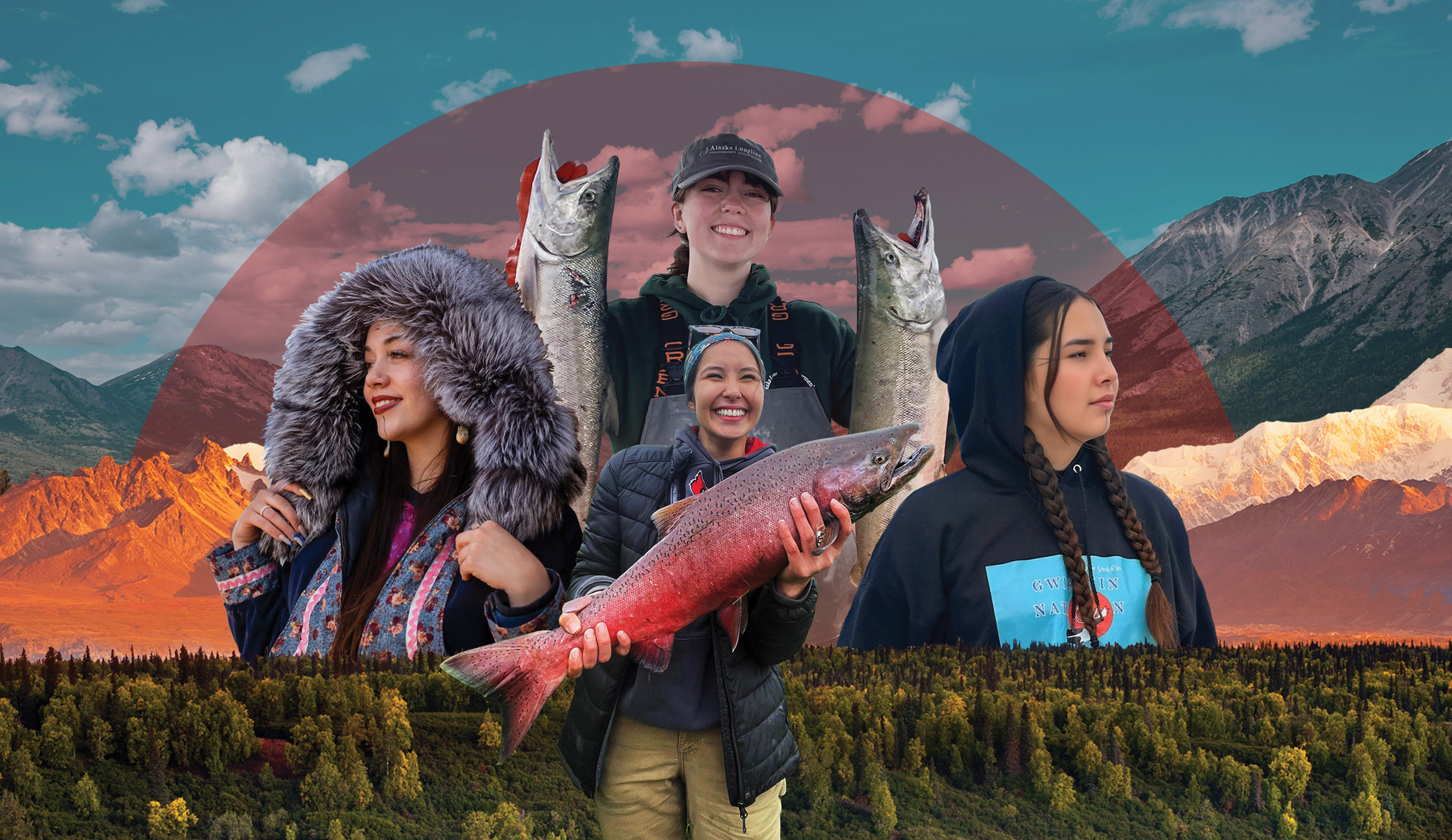
Alaska Native representation encompasses the visibility, agency, and authentic portrayal of Indigenous peoples—including Inupiat, Yup'ik, Aleut, Alutiiq, Athabascan, Tlingit, Haida, and Tsimshian nations—across contemporary media, political systems, educational curricula, and cultural institutions. Achieving accurate representation requires dismantling historical stereotypes, centering Indigenous voices in storytelling, and upholding tribal sovereignty across public sectors.
The Historical Context of Portrayal and Misrepresentation
For generations, external depictions of Alaska Natives in mainstream American media, literature, and governmental records were shaped by non-Native explorers, commercial interests, and distant policymakers. These historical accounts frequently relied on homogenizing tropes, exoticizing distinct cultural groups into monolithic categories or framing Indigenous communities solely through a lens of vanishing antiquity.
Early anthropological and photographic documentation often prioritized a salvage paradigm, capturing Alaska Natives as relics of the past rather than dynamic, contemporary societies. This historical framing influenced federal policy decisions, textbook curricula, and public perception, creating persistent hurdles for modern self-determination and cultural preservation. Recognizing this legacy is essential for understanding contemporary demands for authentic visibility. When historical records mischaracterized social structures, land stewardship, and governance systems, it reinforced structural inequalities that modern advocacy seeks to correct.
Political Sovereignty and Governance Integration
Political representation for Alaska Natives operates within a unique and complex jurisdictional framework shaped by the Alaska Native Claims Settlement Act (ANCSA) of 1971 and subsequent legislative adjustments. Unlike many Indigenous populations in the contiguous United States, most Alaska Native communities do not reside on traditional reservations. Instead, ANCSA established regional and village corporations, creating a dual system where tribal governments and corporate entities manage land and resources.
This structural reality directly impacts how Alaska Natives secure representation in municipal, state, and federal offices. Ensuring effective political participation involves navigating voting access across remote, geographically isolated communities where English may be a second language and polling infrastructure is sparse. Grassroots organizing and landmark voting rights litigation have steadily expanded language assistance and improved polling place accessibility across rural bush communities. Furthermore, the presence of Alaska Natives in the state legislature and congressional delegations provides a vital mechanism for advocating on issues concerning subsistence rights, climate change adaptation, infrastructure funding, and healthcare delivery through the Alaska Native Tribal Health Consortium (ANTHR).
Contemporary Media and Cultural Visibility
In modern media, the push for authentic Alaska Native representation moves beyond tokenism toward creative leadership and self-representation. Writers, directors, journalists, and visual artists from various Alaska Native nations are reclaiming narratives through film, digital media, literature, and the fine arts. This shift ensures that complex contemporary realities—such as the intersection of traditional subsistence lifestyles with modern technology, language revitalization movements, and the disproportionate impacts of environmental warming—are communicated accurately.
| Media Sector | Historical Approach | Contemporary Paradigm |
|---|---|---|
| Film and Television | External casting, romanticized or tragic tropes, homogenization of diverse tribes. | Indigenous-led production, accurate language use, nuanced storytelling by Native creators. |
| News and Journalism | Coverage centered on crisis, poverty, or isolated anthropological oddities. | Comprehensive reporting by Native journalists addressing policy, sovereignty, and innovation. |
| Visual and Fine Arts | Artifact collection and museum displays separated from living artists. | Collaborative curation, contemporary Indigenous fine art markets, and community-led archives. |
Projects like the Indigenous-led video game development efforts, independent documentary filmmaking collectives, and regional public radio networks demonstrate how digital platforms empower communities to bypass traditional gatekeepers. By controlling the framing of their own stories, Alaska Native artists challenge lingering romanticized stereotypes and educate global audiences on the vibrant continuity of northern Indigenous cultures.
Education, Curriculum, and Institutional Inclusion
Educational institutions across Alaska and the broader United States bear a responsibility to integrate accurate Alaska Native history, culture, and contemporary perspectives into standard curricula. For decades, standard schooling marginalized or entirely omitted the deep history of Alaska's first peoples, contributing to cultural disconnect and academic achievement gaps among Indigenous youth.
Efforts to reform educational frameworks emphasize culturally responsive schooling models, bilingual education programs, and the inclusion of Alaska Native Standards for Culturally Responsive Schools. Institutions of higher education have also expanded Indigenous studies programs, established targeted recruitment and retention initiatives for Native scholars, and partnered with tribal organizations on collaborative research projects. This institutional shift not only validates the lived experiences of Native students but also fosters cross-cultural understanding among non-Native peers and educators.
Economic Impact and Corporate Leadership
The corporate structures established under ANCSA transformed economic representation, placing billions of dollars in assets and millions of acres of land under the stewardship of Alaska Native regional and village corporations. These entities have evolved into major economic drivers within Alaska and global markets, operating in sectors ranging from civil engineering and aerospace to tourism and natural resource development.
| Corporation Type | Primary Function | Governance Structure |
|---|---|---|
| Regional Corporations | Regional economic development, resource management, and investment portfolios. | Elected board of directors representing enrolled shareholders across specific geographic regions. |
| Village Corporations | Localized land management, community development, and cultural preservation initiatives. | Local shareholder-elected board focused on community-specific priorities and economic stability. |
Effective representation within these corporate boards requires balancing traditional cultural values, such as subsistence sharing and environmental stewardship, with corporate fiduciary responsibilities. This unique governance model serves as a global case study in Indigenous economic self-sufficiency and corporate leadership, demonstrating that cultural preservation and economic viability can reinforce one another.
Frequently Asked Questions
What is the significance of the Alaska Native Claims Settlement Act (ANCSA) regarding representation?
ANCSA, passed in 1971, extinguished aboriginal land claims in exchange for financial settlement and land ownership transferred to newly created regional and village corporations. This restructured Alaska Native governance and economic representation by establishing shareholder structures rather than traditional reservation systems, fundamentally altering how communities interact with state and federal entities.
How do Alaska Native corporations differ from tribal governments?
Alaska Native corporations are business entities established under ANCSA to manage land and financial assets for their shareholders. Tribal governments, by contrast, are sovereign political entities exercising governmental authority over their members and territories, focusing on judicial, social, and regulatory matters distinct from corporate operations.
What challenges exist for voting access in rural Alaska?
Remote geography, lack of permanent road infrastructure, harsh weather conditions, and limited digital connectivity create significant logistical barriers to voter registration and ballot submission. Additionally, historical deficiencies in providing translated voting materials in various Alaska Native languages have necessitated ongoing legal interventions to protect voting rights.
How are Alaska Native languages preserved through modern representation?
Communities utilize digital media apps, immersion schools, bilingual broadcasting, and community-led documentation projects to revitalize endangered languages. Increased representation in public media and educational spaces ensures these linguistic resources receive institutional support and public visibility.
Why is self-representation critical in media and the arts?
Self-representation prevents cultural appropriation, eliminates harmful stereotypes, and ensures that complex contemporary issues—such as climate displacement and subsistence rights—are articulated accurately by those directly impacted rather than external observers.
Advancing Authentic Engagement and Allyship
Advancing accurate and respectful representation requires intentional action from individuals, educational institutions, government bodies, and media organizations. Supporting Alaska Native representation begins with acknowledging tribal sovereignty, respecting subsistence rights, and prioritizing Indigenous leadership in decisions affecting northern lands and communities. Stakeholders seeking to engage meaningfully should consult directly with tribal councils, support Indigenous-led cultural and educational initiatives, and amplify Native voices across all platforms without speaking on behalf of Indigenous nations.