The Alaska lifestyle combines rugged self-reliance, deep-rooted community connection, and adaptation to extreme environmental conditions, characterized by long winters, abundant outdoor recreation, and a strong emphasis on resourcefulness, seasonal employment, and respect for the natural world.
Defining the Core Elements of the Alaska Lifestyle
The appeal of the Last Frontier draws thousands of newcomers each year, yet the daily reality differs substantially from romanticized media portrayals. Embracing the Alaska lifestyle requires balancing a deep appreciation for untouched wilderness with the practical demands of extreme weather, geographic isolation, and high operational costs. Unlike life in the contiguous United States, where municipal infrastructure and commercial services are readily accessible, living in Alaska often means cultivating a high degree of self-sufficiency. Whether residing in an urban center like Anchorage or Fairbanks, a coastal fishing hub like Homer, or an off-grid homestead in the bush, residents must adapt their routines to dramatic seasonal shifts in daylight and temperature.
At the heart of this existence is a profound relationship with the environment. Outdoor recreation is not merely a weekend hobby but a fundamental component of daily rhythm. Hunting, fishing, foraging, hiking, and skiing dictate the calendar, shifting seamlessly between summer's endless twilight and winter's sub-zero darkness. Furthermore, community interdependence plays a vital survival role. Neighbors frequently rely on one another to weather severe storms, share harvested game, or maintain remote properties. This blend of individual independence and collective solidarity forms the bedrock of Alaskan culture, shaping everything from local governance to social interactions.
Adapting to Extremes: Climate, Daylight, and Infrastructure
Weather and climate dictate the parameters of daily operations in Alaska. Winters bring prolonged sub-zero temperatures, heavy snowfall, and icy conditions that demand specialized vehicles, heavy-duty winter clothing, and constant home maintenance. Conversely, summer brings the midnight sun, offering nearly 24 hours of daylight that triggers a frantic rush of construction, gardening, fishing, and outdoor activity before the frost returns.
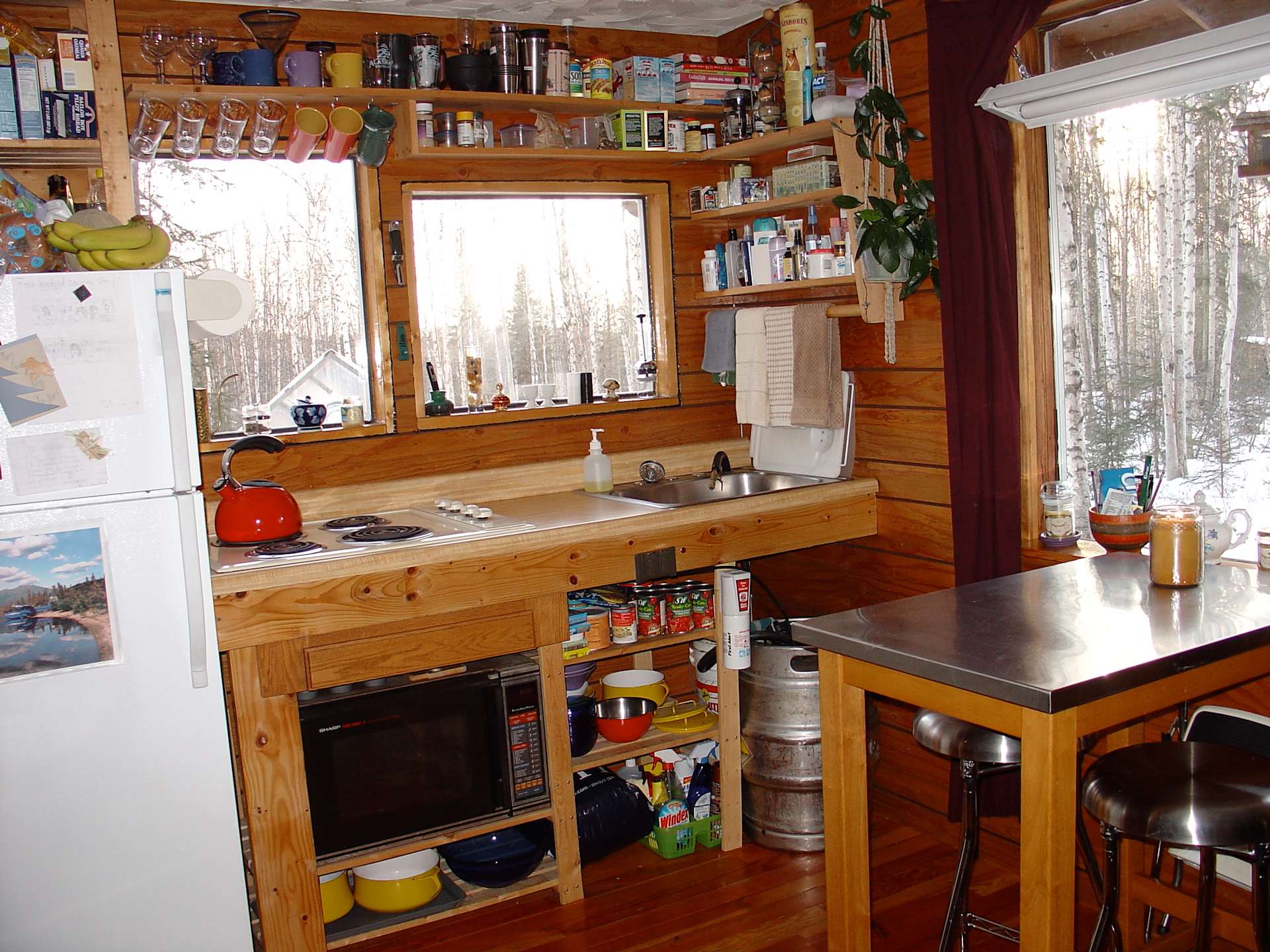
Infrastructure limitations require careful planning. While major road systems connect the Railbelt region spanning from Seward to Fairbanks, vast tracts of the state remain unpaved or accessible only by small aircraft, boats, or snowmobiles. This geographic reality influences supply chains, shipping costs, and medical access. Residents living off the road system must generate their own electricity—often via solar, wind, or diesel generators—haul heating oil or firewood, and manage private water wells and septic systems. Understanding these mechanical prerequisites is essential for anyone considering a permanent move north.
Economic Realities and Employment Patterns
The financial landscape of Alaska differs significantly from the rest of the nation. The state economy relies heavily on three primary sectors: oil and extraction, commercial fishing, and tourism. Consequently, many residents engage in seasonal employment, working long, intensive hours during the summer tourism and fishing peaks to sustain themselves through the quieter winter months.
To help offset the high cost of living—driven by expensive transportation networks and energy demands—the state implemented the Alaska Permanent Fund Dividend (PFD), which distributes a portion of state mineral royalties annually to eligible residents who meet residency requirements. Despite the PFD, everyday expenses such as groceries, electricity, and heating fuel are notably higher than the national average, particularly in rural communities where goods must be flown or barged in. Job seekers often find success by possessing specialized technical skills, such as aviation mechanics, healthcare, construction, or marine engineering.
Subsistence Living and Resource Harvesting
For many Alaskans, hunting, fishing, and gathering are not just recreational pursuits but essential components of food security and cultural heritage. Subsistence living is legally protected for qualified rural residents under both state and federal law, prioritizing customary and traditional uses of fish and wildlife over sport or commercial interests.
Participating in this aspect of the lifestyle requires strict adherence to seasonal regulations, bag limits, and permitting processes managed by the Alaska Department of Fish and Game and federal agencies. Harvesting food from the land and sea—whether catching wild Pacific salmon, harvesting berries, or hunting moose and caribou—demands extensive knowledge of animal behavior, firearm safety, and food preservation techniques like canning, smoking, and freezing.
| Resource Category | Primary Season | Key Methods | Regulatory Oversight |
|---|---|---|---|
| Salmon Fishing | Summer to Early Fall | Dipnetting, gillnetting, rod and reel | Alaska Department of Fish and Game (ADF&G) |
| Big Game Hunting | Fall | Rifle, bow, muzzleloader via draw or general season | ADF&G and Federal Subsistence Board |
| Berry Foraging | Mid-Summer to Early Fall | Hand-picking (blueberries, lingonberries, cloudberries) | Public lands regulations and private property permissions |
| Firewood Gathering | Year-round, peak in Late Summer | Chainsaw harvesting, splitting, seasoning | Alaska Division of Forestry and US Forest Service |
Community and Social Fabric in the Last Frontier
Despite its sparse population, Alaska boasts tightly knit communities characterized by resilience, volunteerism, and informal mutual aid networks. Small towns and remote villages often function as self-contained social ecosystems where civic participation is high and local events anchor community life.
Cultural diversity is another defining trait, with rich Indigenous heritages—including Inupiat, Yup'ik, Athabascan, Tlingit, Haida, and Aleut populations—interweaving with the traditions of later homesteaders, miners, and modern transplants. This multicultural tapestry influences local arts, education, and subsistence practices. At the same time, the vast geographic distances foster a culture of privacy and self-reliance, creating a unique social balance where neighbors respect personal autonomy while remaining ready to assist in an emergency.
Common Misconceptions About Life Up North
Popular media often distorts the realities of living in Alaska, leading prospective residents to underestimate the challenges involved. One prevalent myth is that bears and wildlife pose an immediate, constant danger in everyday urban life; while wildlife encounters do happen, practical safety measures and basic awareness usually suffice.
Another misconception is that the lifestyle is an endless wilderness adventure. In practice, much of daily life involves mundane administrative tasks, vehicle maintenance, snow removal, and preparing for infrastructure failures. The winter darkness can also trigger seasonal affective disorder (SAD), making mental health management, indoor hobbies, and community connection vital components of long-term sustainability in the region.
Frequently Asked Questions
What is the true cost of living in Alaska?
The cost of living in Alaska is significantly higher than the national average, driven primarily by transportation expenses, heating costs, and imported goods. While Alaska has no state income tax and no statewide sales tax—though some municipalities levy local sales taxes—groceries and utilities require careful budgeting, especially in remote areas.
Do I need special vehicle modifications to live in Alaska?
Driving in Alaska requires a reliable vehicle equipped with four-wheel drive or all-wheel drive, good winter tires with appropriate siping or studs, an engine block heater for sub-zero temperatures, and an emergency roadside kit containing extra clothing, high-calorie food, and a shovel.
How do residents cope with the extreme winter darkness?
Alaskans manage winter darkness and limited daylight by maintaining active outdoor routines, using full-spectrum daylight lamps, engaging in indoor community activities, and leaning on social support networks to combat seasonal fatigue.
What are the residency requirements for the Permanent Fund Dividend?
To qualify for the Alaska Permanent Fund Dividend, an individual must intend to remain an Alaska resident indefinitely, maintain their primary domicile in the state for the entire qualifying calendar year, and not claim residency benefits in another state or country.
How accessible is healthcare in remote areas of Alaska?
Healthcare access varies drastically by location. Urban centers like Anchorage and Fairbanks feature fully equipped regional hospitals and specialized medical centers, whereas rural villages rely on local community health aides, telehealth services, and emergency medevac flights to transport patients when severe conditions arise.
Prioritizing Practical Preparedness Before Relocating
Transitioning to this environment demands thorough preparation, financial cushioning, and a realistic assessment of one's tolerance for isolation and physical labor. Prospective residents should secure stable employment or reliable remote income, research housing infrastructure requirements—such as water sources and heating systems—and spend time experiencing the climate during its harshest months before making a permanent commitment. Establishing local connections and respecting the experiential knowledge of long-term residents remains the most reliable path toward a successful and sustainable life in the north.