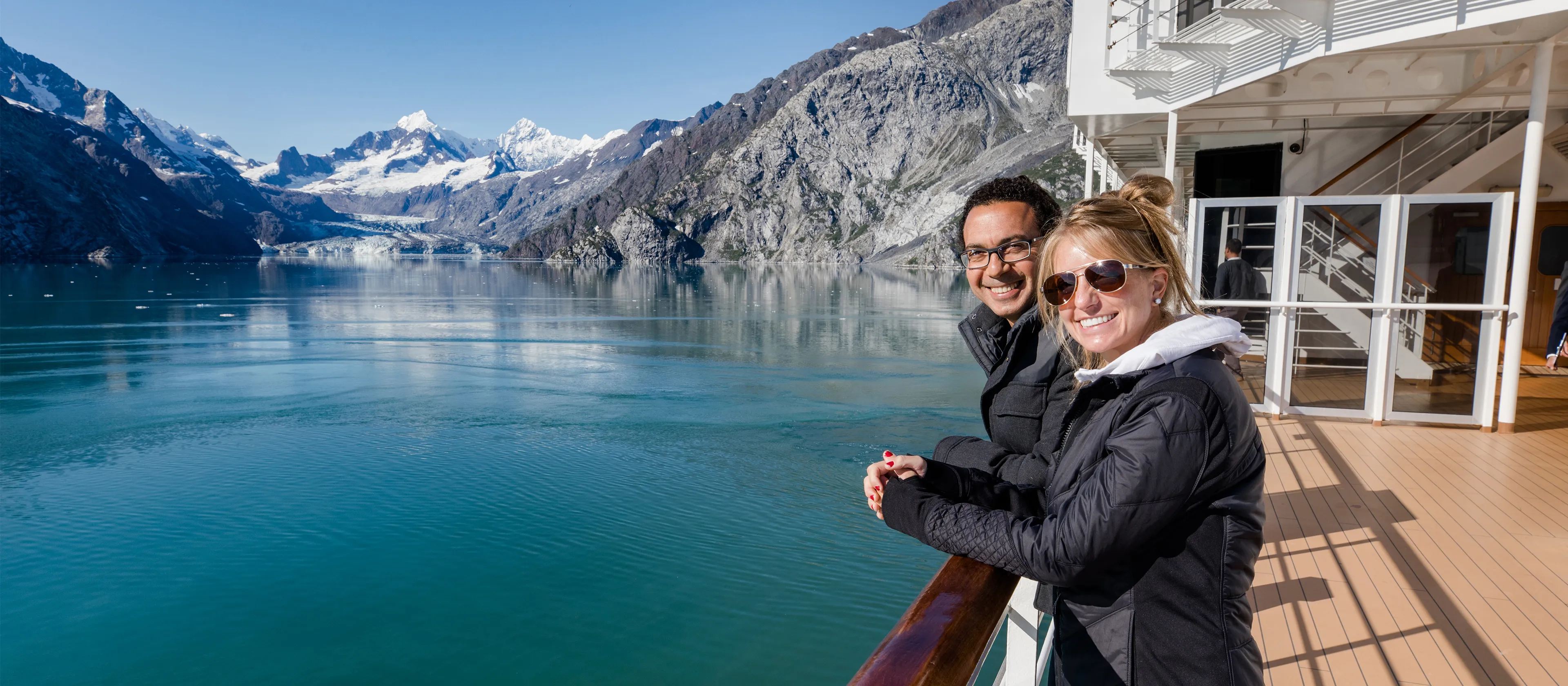
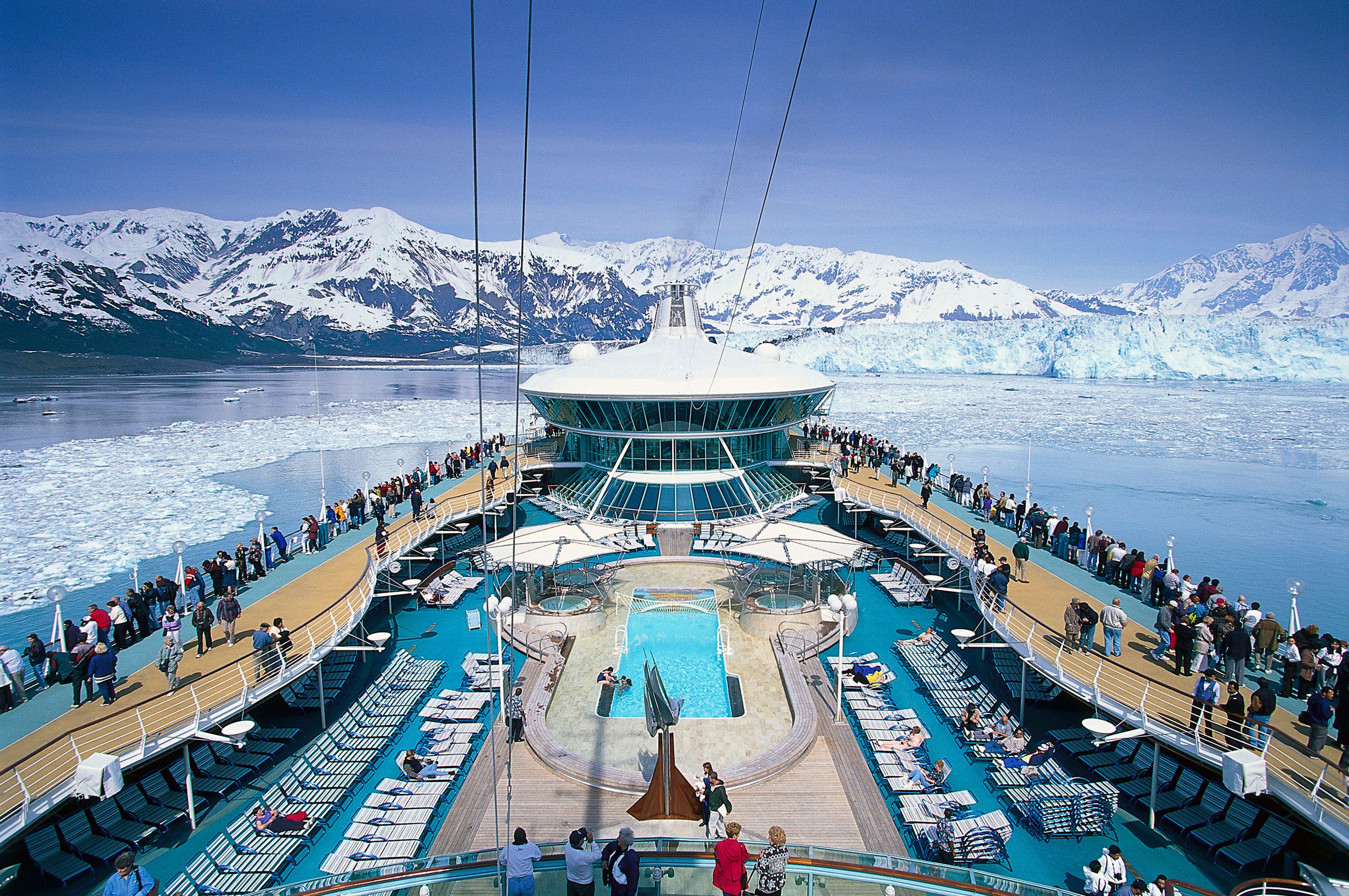
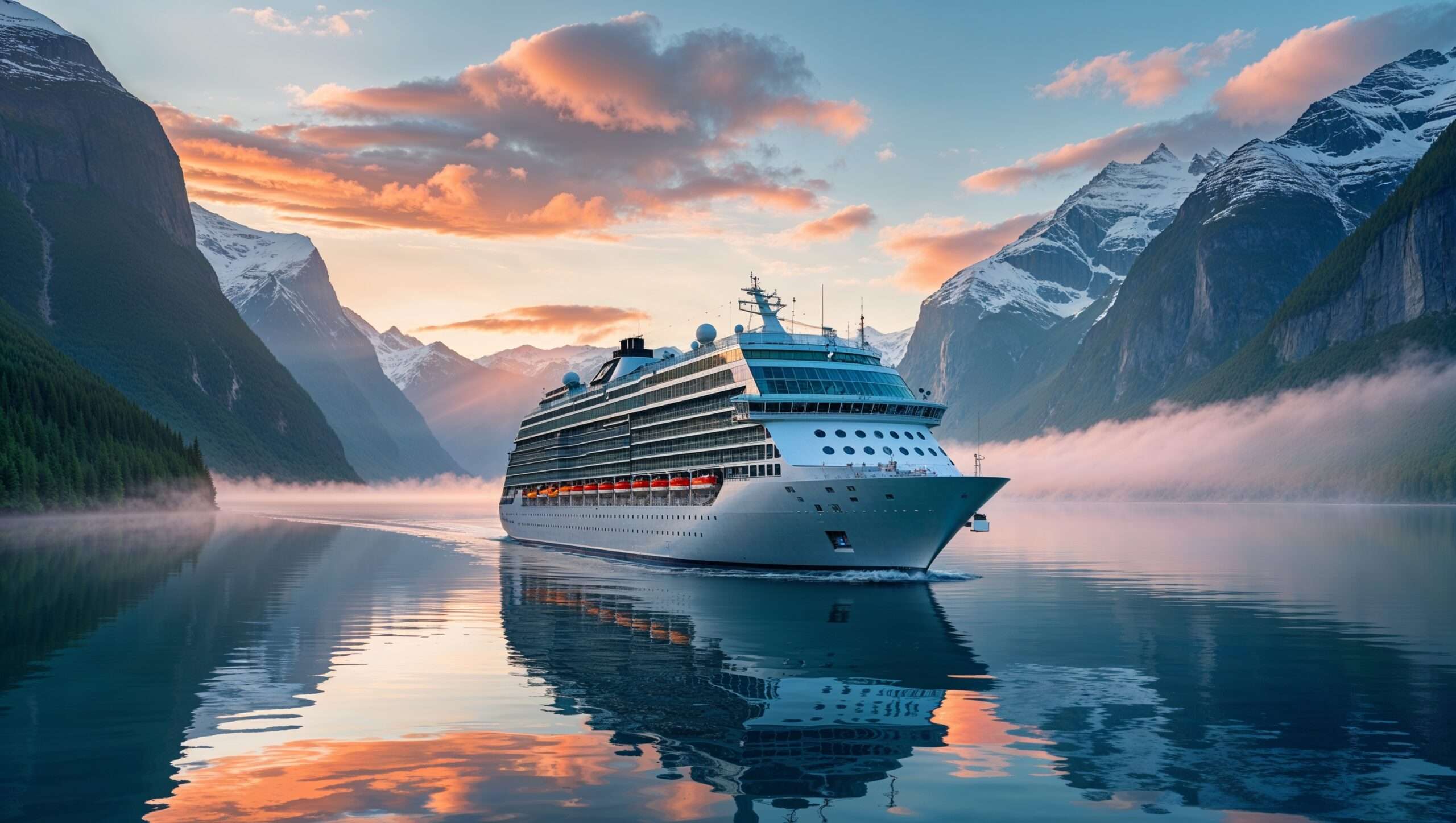
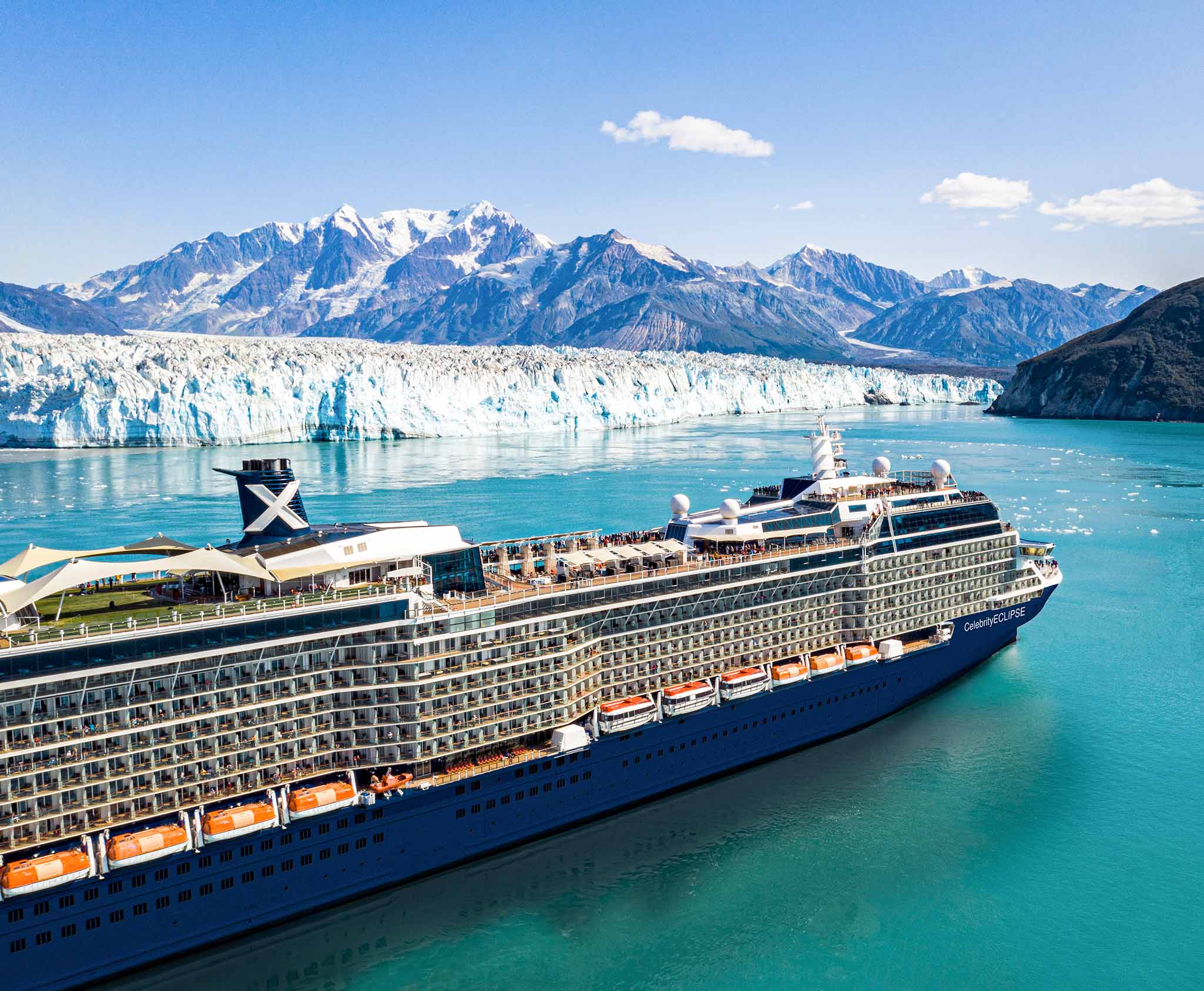
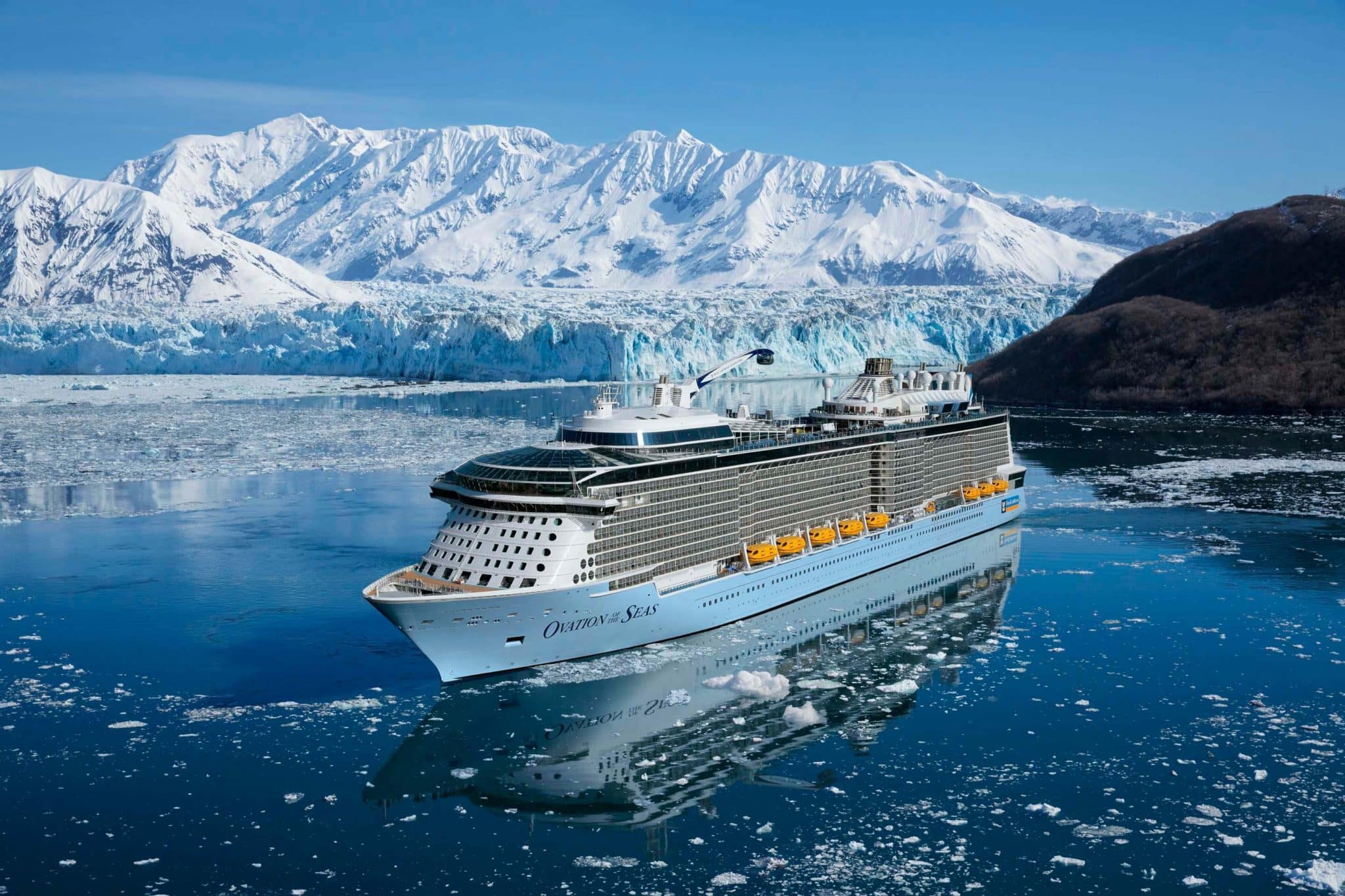
An Alaska cruise offers a rare maritime journey through deep glacial fjords, towering coastal mountain ranges, and protected inside-passage waters teeming with marine wildlife. Travelers can choose between large resort-style mega-ships designed for onboard entertainment and smaller expedition vessels tailored for close-up glacier viewings and wildlife spotting.
Planning an Alaska cruise requires careful consideration of itineraries, seasonal weather patterns, port excursions, and ship classifications to ensure the voyage matches your travel expectations. Whether you want to witness calving glaciers in Glacier Bay, spot humpback whales in Juneau, or combine a coastal voyage with a land-based rail tour into Denali National Park, understanding the logistical details is essential for a successful voyage.
Understanding Alaska Cruise Itineraries and Route Options
Choosing the right itinerary is the most crucial decision in your planning process, as different routes offer entirely distinct landscapes and cultural experiences. The two primary route types in the region are the Inside Passage round-trip and the Gulf of Alaska one-way voyage.
The Inside Passage round-trip typically departs from Seattle, Washington, or Vancouver, British Columbia. These cruises spend seven days navigating the protected waters between mainland Alaska and the Alexander Archipelago. Because the outer islands block the open ocean swells, these routes generally offer smoother sailing, making them ideal for travelers concerned about motion sickness. Standard ports of call on these itineraries often include Ketchikan, Juneau, Skagway, and a scenic glacier cruising day such as Glacier Bay National Park or Tracy Arm Fjord.
Conversely, Gulf of Alaska itineraries operate as one-way voyages between Vancouver (or Seattle) and Seward or Whittier, Alaska. These routes allow travelers to venture further north into the Gulf of Alaska, often incorporating Hubbard Glacier or College Fjord. The primary advantage of a one-way voyage is the opportunity to pair the cruise with a land tour—frequently called a cruisetour. These land packages utilize domed railcars and motorcoaches to transport guests deep into the interior, visiting destinations like Denali National Park, Talkeetna, and Fairbanks.
When evaluating routes, examine the specific glacier-viewing designations. Not all ships are permitted to enter Glacier Bay National Park due to strict environmental regulations managed by the National Park Service. If experiencing Glacier Bay is a priority, you must verify that your chosen ship holds one of the limited permits allocated to cruise lines.
Selecting the Ideal Season and Weather Windows
The Alaska cruise season is remarkably concise, running from late April through mid-September. Each month within this window offers distinct environmental conditions, crowd levels, and wildlife viewing opportunities that can significantly alter your onboard and onshore experience.
Shoulder-season sailings in May and early September generally feature lower fares, fewer crowds in port, and crisp, clear weather. May is statistically one of the driest months in Southeast Alaska, though temperatures remain cool, and snow may still cap the mountain peaks. September brings vibrant autumn foliage, the onset of the northern lights for late-season northern departures, and massive runs of spawning salmon, which attract hungry bears and eagles.
Peak-season sailings occur in June, July, and August. These months provide the warmest daytime temperatures, with highs frequently reaching the 60s and occasionally the 70s Fahrenheit. Daylight hours are exceptionally long, particularly in June around the summer solstice, giving passengers extended evening views of coastal landscapes. However, peak summer also brings heavier rainfall to ports like Ketchikan and higher concentrations of tourists at every port of call.
| Month | Average Temperature Range | Weather Conditions | Wildlife Highlights | Crowd Levels |
|---|---|---|---|---|
| May | 40°F – 55°F | Cool, drier, snow-capped peaks | Migrating whales, bears emerging | Low to Moderate |
| June | 50°F – 65°F | Long daylight, mild, moderate rain | Active marine life, nesting birds | High |
| July | 55°F – 70°F | Warmest weather, peak summer rains | Salmon runs beginning, whale pods | Very High |
| August | 50°F – 65°F | Increasing rainfall, cooling trends | Peak bear viewing at salmon streams | High |
| September | 40°F – 55°F | Crisp air, autumn foliage, variable | Late salmon runs, potential aurora borealis | Low |
Choosing the Right Ship Style and Cruise Line
Cruise lines operating in Alaska range from large contemporary operators like Royal Caribbean, Celebrity Cruises, Princess Cruises, and Holland America Line to luxury and expedition lines such as Silversea, Seabourn, American Cruise Lines, and UnCruise Adventures.
Large ships provide extensive dining venues, Broadway-style entertainment, sprawling fitness centers, and comprehensive youth programs. They appeal strongly to families and travelers who appreciate resort amenities. Princess Cruises and Holland America Line hold a distinct historical advantage in the region, often securing prime berth allocations in ports and specialized permits for Glacier Bay.
Smaller expedition ships and luxury yachts offer an entirely different style of travel. These vessels can navigate narrow channels, such as Misty Fjords or secluded coves, that are inaccessible to mega-ships. Passengers aboard expedition vessels benefit from naturalist-led Zodiac excursions, kayaking directly up to tidewater glaciers, and flexible itineraries that capitalize on immediate wildlife sightings.
When evaluating ship options, consider your preferences regarding onboard atmosphere, dining flexibility, and the degree of physical activity you desire during shore excursions.
Essential Port Highlights and Shore Excursions
Every major port along the Inside Passage offers distinct cultural history, maritime heritage, and outdoor adventure opportunities. Planning your shore excursions well in advance is vital, as popular activities—such as helicopter glacier trekking, dog sledding on snowfields, and floatplane tours—frequently sell out months before departure.
- Ketchikan: Renowned as the "Salmon Capital of the World," this port is celebrated for its rich Indigenous heritage, exemplified by the world's largest collection of standing totem poles at Totem Bight State Historical Park and Saxman Native Village. Visitors frequently explore Creek Street, a historic boardwalk built over a salmon-spawning stream.
- Juneau: Alaska’s capital city is accessible only by air and water. It serves as the gateway to the massive Mendenhall Glacier. Popular excursions include whale-watching tours in Auke Bay, flightseeing trips over the Juneau Icefield, and salmon bakes in rainforest settings.
- Skagway: Steeped in Klondike Gold Rush history, Skagway allows travelers to step back into 1898. The White Pass & Yukon Route railroad departs directly from the port, climbing up steep mountain passes, traversing steel bridges, and offering panoramic views of historical mining trails.
- Sitka: Situated on the outer coast of the Alexander Archipelago, Sitka reflects its history as the former capital of Russian America. Key attractions include the onion-domed St. Michael’s Cathedral, the Sitka National Historical Park, and the Alaska Raptor Center.
Practical Packing Strategies and Onboard Logistics
Packing for an Alaska cruise requires a departure from traditional tropical vacation preparation. Because coastal Alaska’s weather is notoriously unpredictable and maritime microclimates can shift rapidly from sunshine to rain and wind, the guiding principle for your wardrobe is the layer system.
Begin with moisture-wicking base layers to keep perspiration away from your skin. Add an insulating middle layer, such as a fleece jacket or a lightweight wool sweater. The outermost layer must consist of a truly waterproof and windproof shell jacket, accompanied by waterproof trousers or sturdy rain pants for wet excursions. Footwear should prioritize function over fashion: pack broken-in waterproof hiking boots or sturdy walking shoes with aggressive tread patterns for slick boardwalks and wet trails.
Do not overlook accessories. Bring polarized sunglasses to reduce glare off glacial ice and water, a wide-brimmed hat or beanie, lightweight gloves, and a compact daypack with a waterproof cover for carrying cameras and extra layers ashore. While formal nights still exist on traditional cruise lines, most evening attire leans toward smart-casual comfort.
Maximizing Value and Managing Additional Costs
Booking an Alaska cruise requires attention to total cost structures beyond the initial cruise fare. Several financial factors influence the overall investment of your voyage:
- Port Taxes and Fees: Mandatory government taxes and port fees are generally added separately at checkout and vary by itinerary length and specific ports visited.
- Gratuities: Daily service charges for dining and stateroom attendants are standard across the industry, though they can often be prepaid or adjusted onboard.
- Excursion Expenses: Shore excursions represent a significant portion of an Alaska trip budget. Independent booking through local tour operators can sometimes offer savings compared to cruise-line-sponsored excursions, but cruise-line excursions provide a guaranteed return-to-ship policy if transport is delayed.
- Beverage and Specialty Dining Packages: Evaluate whether specialty packages align with your consumption habits, especially given the high volume of scenic sea-day hours spent relaxing onboard.
Researching promotional booking windows—often found during the "Wave Season" in early winter or late autumn clearance periods—can yield valuable perks such as onboard credit, complimentary beverage packages, or included gratuities.
Common Mistakes to Avoid When Planning Your Voyage
Travelers frequently encounter avoidable pitfalls when preparing for their first northern voyage. Recognizing these common missteps ensures a smoother journey from embarkation to return.
One frequent error is failing to secure valid travel documentation. While U.S. citizens taking a closed-loop cruise (beginning and ending at the same U.S. port) may technically travel with a state-issued birth certificate and government-issued photo ID, holding a valid passport is strongly recommended in case of medical emergencies requiring emergency flights back across international borders. Furthermore, itineraries that begin in Seattle and end in Vancouver involve international border crossings that strictly require passports.
Another mistake is underestimating the physical demands of shore excursions. Glacier hikes, kayaking adventures, and active wildlife excursions require moderate to high mobility. Always review the activity level ratings provided by tour operators to match excursions with your personal fitness level. Finally, neglecting to book transportation and hotel stays a full day prior to embarkation risks missing the ship entirely if commercial flights experience weather delays or cancellations along major transit hubs.
Next Steps for Booking Your Alaska Voyage
To move forward with your travel plans, begin by determining your preferred travel month, budget framework, and desired balance between a purely coastal cruise or an extended land tour. Request brochures or consult reputable cruise planners to compare ship layouts, stateroom locations—such as midship balcony cabins that minimize motion while maximizing glacier viewing—and active promotional offers. Verify passport expiration dates, coordinate time off work, and secure your shore excursions early to ensure your itinerary delivers an unforgettable northern adventure.