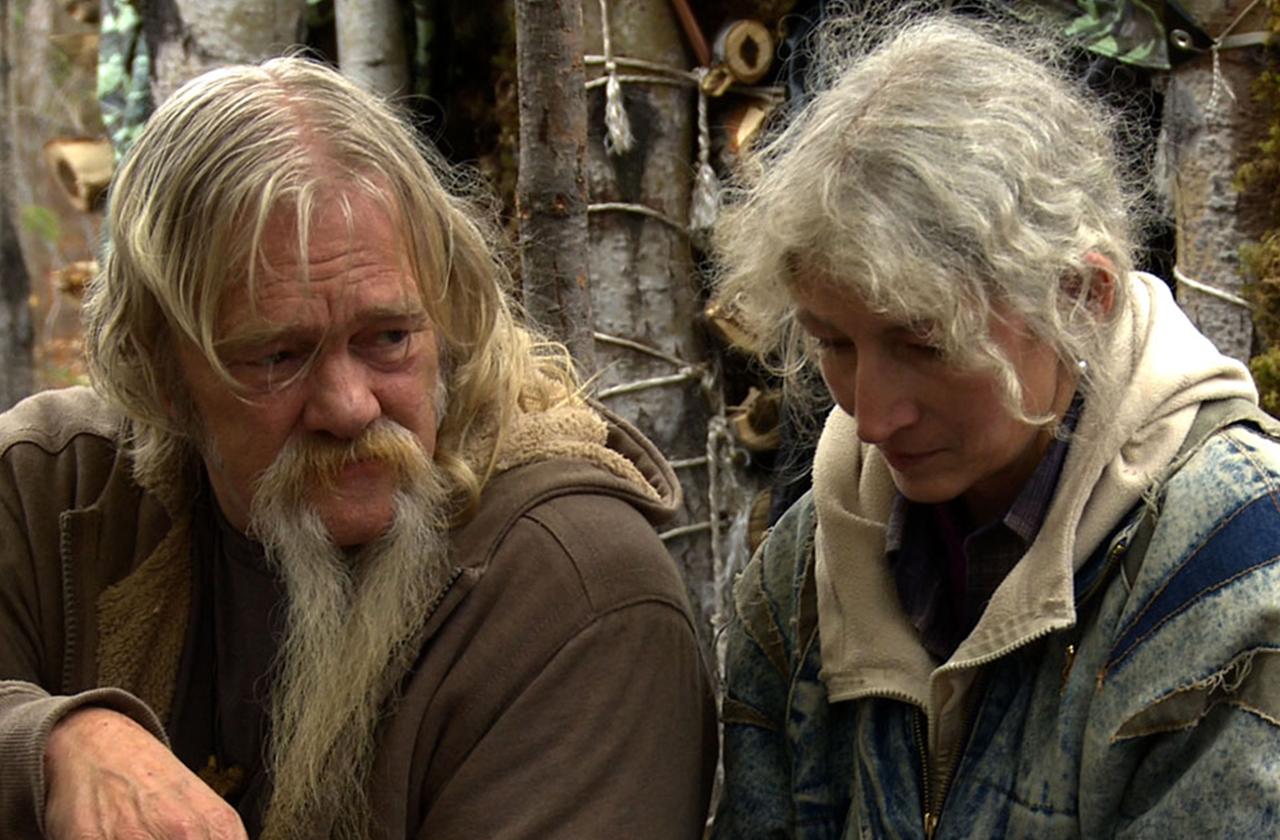
The cultural fascination with large, unconventional family structures on reality television often leads audiences to draw parallels between different iconic matriarchs, such as the mother figures of the Alaska Bush People series and the Duggar family matriarch, Michelle Duggar. While these households existed in entirely different geographical settings and adhered to distinct belief systems, public discourse frequently intertwines their stories to examine the realities of raising massive families under the intense scrutiny of television production crews.
Understanding the Reality Television Matriarch Phenomenon
Reality television production thrives on presenting unique domestic models to viewers seeking an escape from conventional modern life. In examining cultural touchstones like the Brown family from Alaska Bush People—anchored historically by Ami Brown—and the Duggar family from 19 Kids and Counting, researchers and media analysts observe distinct storytelling mechanisms. Both franchises relied heavily on painting their respective matriarchs as pillars of resilience, faith, and maternal sacrifice.
However, the intersection of these two subjects in public search interest often stems from internet rumors, clickbait articles, and speculative crossover narratives rather than official shared programming or familial ties. Understanding how these distinct entities operate requires breaking down the production history, lifestyle realities, and media portrayal of each family separately before evaluating why audiences group them together.
The Reality of the Brown Family and Ami Brown
The Discovery Channel series Alaska Bush People, which premiered in 2014, chronicled the lives of Billy and Ami Brown alongside their seven children as they attempted to live off-the-grid in the Alaskan wilderness, later relocating to Washington state. Ami Brown served as the emotional anchor of the family, often depicted as a devoted mother and wife who supported her husband’s unconventional vision of wilderness survival.
Unlike suburban reality television formats, the Brown family narrative was built on isolation, rugged survivalism, and a nomadic lifestyle. Behind the scenes, media reports and investigative journalism revealed that the family’s lifestyle was heavily supplemented by production infrastructure, and they spent significant periods in conventional housing when cameras were not rolling. Ami Brown’s public journey included navigating a serious health battle with stage 3 lung cancer, which was heavily documented and became a central focal point for viewers concerned about her well-being.
The Duggar Family Matriarch and the Structure of the Institute in Quiverfull Culture
In stark contrast to the Pacific Northwest wilderness setting of the Browns, Michelle Duggar and her husband Jim Bob raised their 19 children in a suburban mansion in Tontitown, Arkansas. Documented first through a series of TLC specials and later through the long-running series 19 Kids and Counting and Counting On, the Duggar household was defined by strict adherence to fundamentalist Christian beliefs, specifically associated with the Institute in Basic Life Principles (IBLP) and the Quiverfull movement.
Michelle Duggar’s role as the matriarch was characterized by rigid adherence to patriarchal authority, modesty standards, homeschooling, and a system of "buddy groups" where older siblings assisted in raising younger children. While the Duggars presented an image of idyllic, faith-led domestic harmony for over a decade, subsequent scandals involving the family—most notably the criminal convictions of oldest son Josh Duggar and the explosive 2023 docuseries Shiny Happy People: Duggar Family Secrets—shattered the wholesome public perception, casting a critical light on the actual lived experiences of the children and the true nature of the family's insular structure.
Comparing Frontier Survivalism and Fundamentalist Subcultures
| Feature Aspect | Alaska Bush People (The Brown Family) | 19 Kids and Counting (The Duggar Family) |
|---|---|---|
| Primary Setting | Alaskan wilderness, later Washington State woodlands | Suburban Tontitown, Arkansas |
| Core Belief System | Non-conformist wilderness independence, outdoor self-reliance | Strict fundamentalist Christianity, IBLP doctrines |
| Matriarchal Role | Ami Brown: emotional anchor, homemaker in nomadic conditions | Michelle Duggar: homemaker, mother of 19, strict patriarchal adherence |
| Television Network | Discovery Channel | TLC |
| Primary Conflict Source | Elements, wildlife, health struggles, financial strain | Institutional scrutiny, family scandals, religious isolation |
Analyzing these two families side by side reveals how television networks tailor the narrative of a large family to fit specific cultural appetites. The Brown family appealed to the American mythos of the rugged frontier pioneer, while the Duggar family marketed an ultra-conservative, spiritually disciplined domestic utopia.
Why Internet Culture Blends Unconnected Reality TV Narratives
The phrase "alaska bush people mother the untold story of the duggar matriarch" frequently appears in programmatic search queries, driven by algorithmic content generation and digital publishers seeking to capture traffic through keyword stuffing. Content farms often merge unrelated high-profile television personalities to generate curiosity-driven clicks.
In reality, Ami Brown and Michelle Duggar occupied entirely different spheres of the entertainment industry and personal philosophy. While both women raised large broods under the unblinking lens of reality television cameras, their daily routines, child-rearing philosophies, and encounters with public controversy followed divergent paths. The conflation of their stories highlights a broader trend in digital media where complex media critiques are reduced to sensationalized, generalized headlines.
Frequently Asked Questions
Are the mothers from Alaska Bush People and the Duggar family related or connected?
No, Ami Brown and Michelle Duggar have no familial relationship, nor did their respective television shows ever feature official crossovers. They belonged to entirely different networks and lived in completely different regions of the United States, pursuing disparate lifestyles.
What was the core premise of Alaska Bush People regarding the family's lifestyle?
The show initially marketed the Brown family as lifelong wilderness dwellers who rarely interacted with modern society and lived entirely off the land. Investigative reports later established that the family frequently utilized modern amenities, stayed in local motels or rental homes during production breaks, and operated with substantial support from television crew infrastructure.
What religious or philosophical framework guided the Duggar family?
The Duggar family structured their lives around fundamentalist Christian beliefs heavily influenced by the Institute in Basic Life Principles (IBLP). This framework emphasized strict modesty, complete submission to patriarchal authority, courtship over conventional dating, and rejection of mainstream media and secular culture.
How did public perception of the Duggar family change over time?
Public perception shifted dramatically from viewing the family as an inspiring, wholesome model of large-scale parenting to deep skepticism and criticism. This transition was triggered by revelations regarding older son Josh Duggar's past actions, subsequent legal trials, and investigative documentaries exposing the controlling and harmful dynamics within the IBLP movement.
What health challenges did Ami Brown face during the filming of her show?
Ami Brown was diagnosed with stage 3 lung cancer in 2017. Her medical battles, treatment regimens, and subsequent journey toward remission were documented on Alaska Bush People, becoming a central narrative regarding her resilience as a mother and wife.
Navigating Reality Television Narratives and Media Literacy
When engaging with long-running documentary or reality television franchises, viewers must maintain a critical perspective regarding the authenticity of what is broadcast. Production companies construct specific character arcs for every family member, transforming complex human beings into archetypes like the rugged wilderness mother or the devout patriarchal homemaker. Recognizing the commercial imperatives behind these productions helps separate verified biographical facts from sensationalized digital myths and cross-pollinated search keywords.