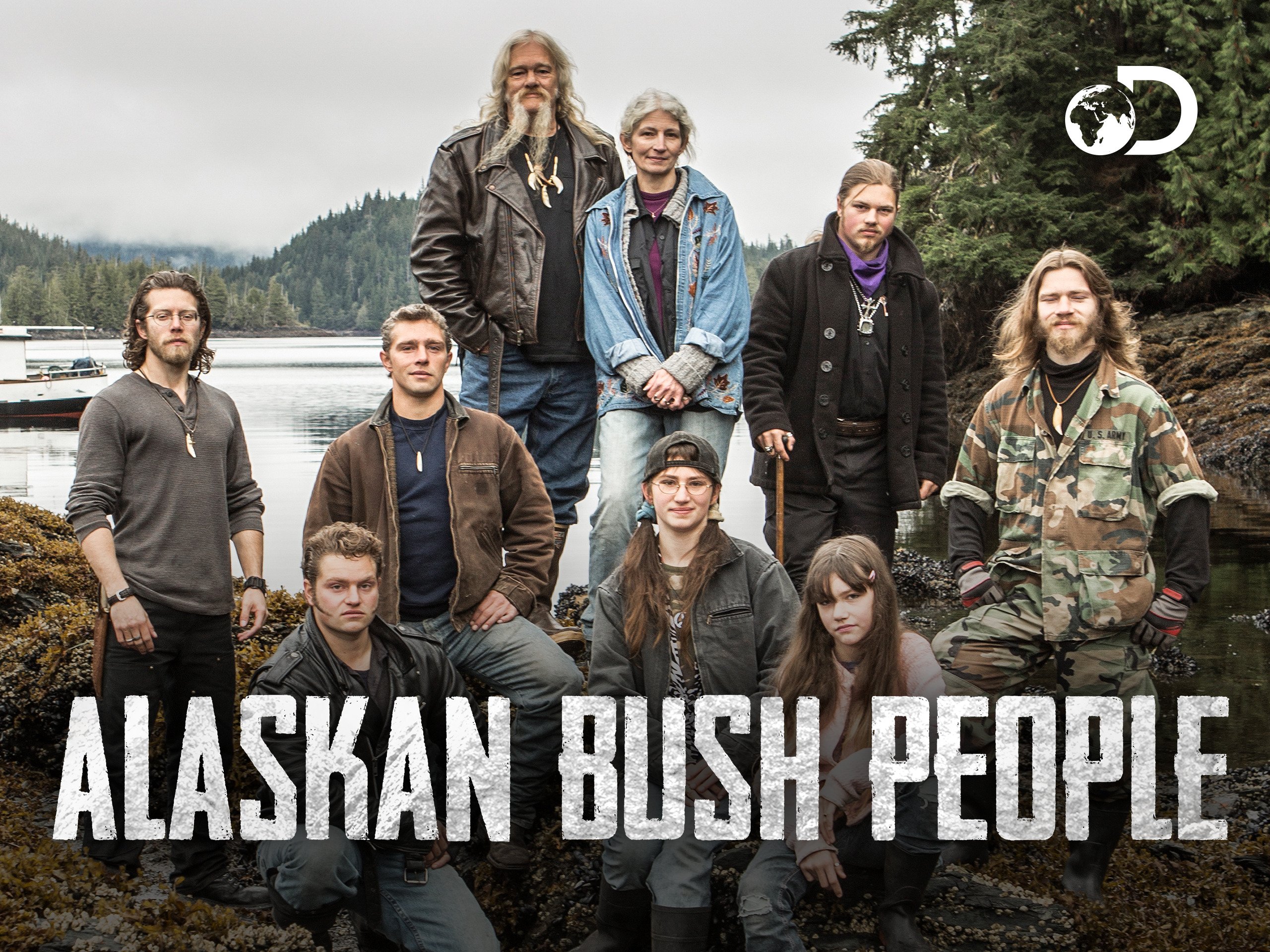
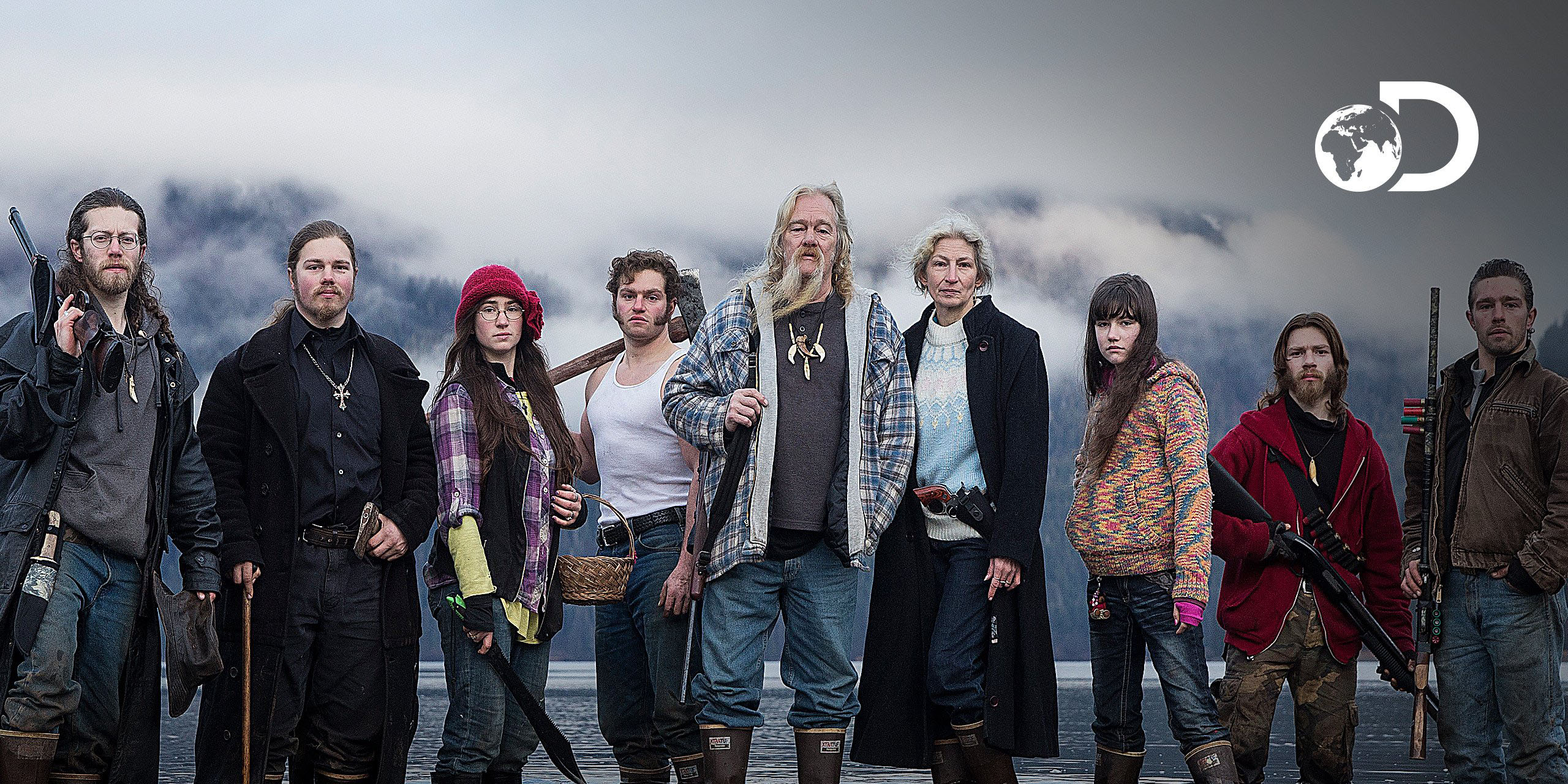
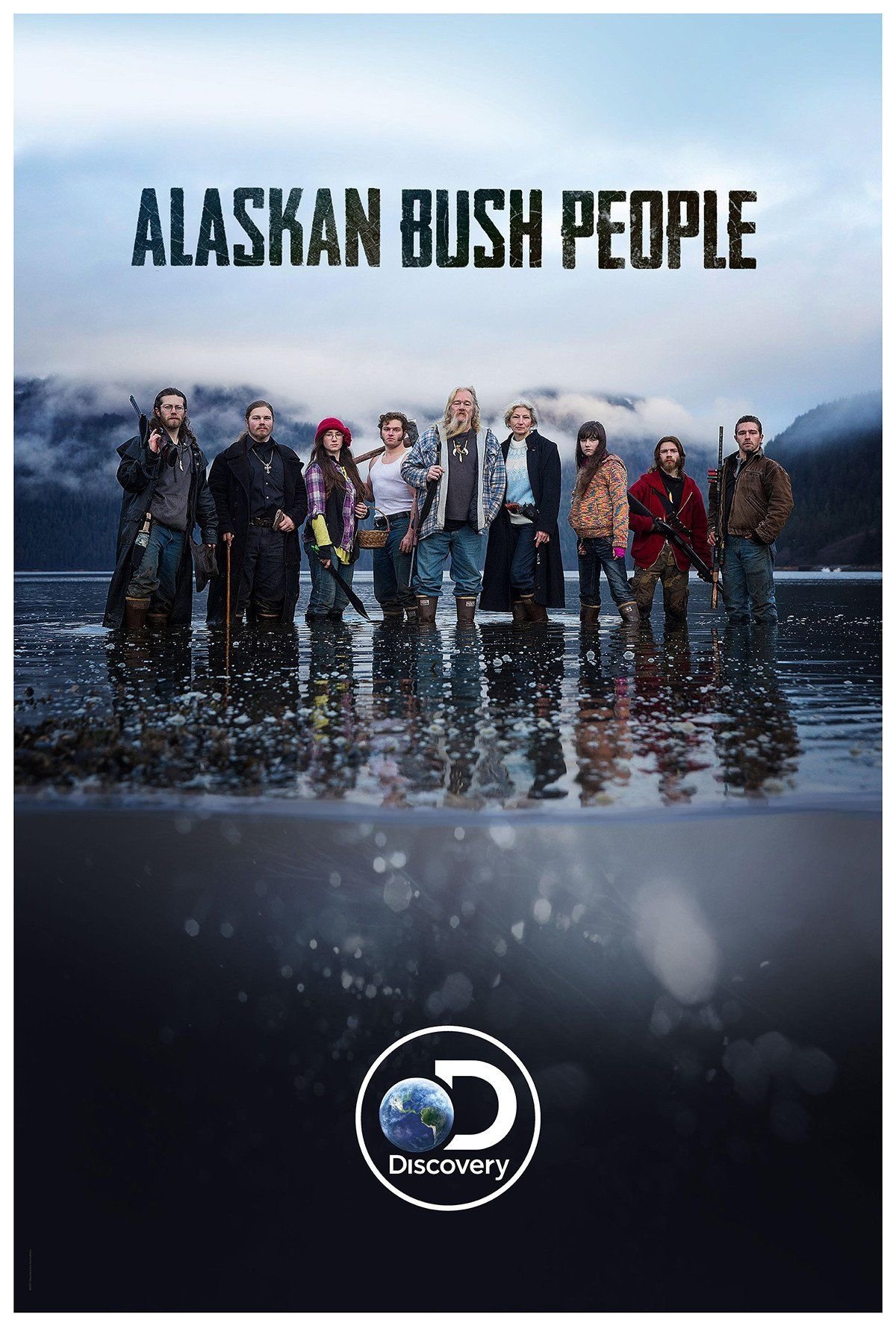
The Alaska Bush People lifestyle represents a unique intersection of modern television production and remote wilderness living, capturing the experiences of the Brown family as they navigate extreme survival, community isolation, and the realities of reality television.
The concept of wilderness survival has long captured public imagination, but few media properties have explored it quite like the Discovery Channel series Alaska Bush People. Following Billy Brown, his wife Ami, and their children—Matt, Bam Bam, Bear, Gabe, Bird, and Rain—the program presents an unconventional existence far removed from modern urban conveniences. However, parsing the actual lifestyle, the nature of their remote community interactions, and the underlying realities of producing a long-running television show requires a look past the broadcasted narrative.
To understand the phenomenon, one must examine how the family’s stated philosophy of self-reliance intersects with the logistics of wilderness habitation, local Alaskan perceptions, and the mechanics of modern documentary entertainment.
The Origins and Philosophy of the Brown Family Lifestyle
The core premise of the Alaska Bush People narrative centers on total disconnection from modern society. Billy Brown, who passed away in February 2021, authored books detailing his family’s upbringing on the open sea and later in the remote wilderness of Southeast Alaska and Washington state. According to the foundational lore of the show, the children grew up with minimal formal schooling, relying instead on practical survival skills, hunting, fishing, and rudimentary construction.
This lifestyle is framed as a deliberate rejection of consumer capitalism and urban stress. The family often speaks of "freedom" found in the wild, operating under the ethos that true security comes from individual capability rather than institutional safety nets. Yet, even in the earliest seasons set near Hoonah, Alaska, observers and local residents noted the complexities of maintaining a purely subsistence-based existence while accompanied by a full television production crew, equipment handlers, and safety personnel.
The transition from remote Alaskan wilderness to properties in Washington state in later seasons further highlighted the evolution of their lifestyle. While the thematic focus remained on family unity and off-grid living, the physical reality shifted toward managed acreage, closer proximity to municipal services, and the use of modern machinery to construct their permanent homesteads.
Community Integration and Local Reception in Alaska
Living in the Alaskan bush is rarely an isolated solo endeavor; it typically involves a delicate relationship with nearby towns, indigenous communities, and state regulatory agencies. Throughout their time filming in Alaska, the Brown family interacted with residents of Hoonah and other coastal settlements, though these relationships were frequently complex.
Remote Alaskan communities place a high value on genuine self-sufficiency, respect for local game laws, and accurate representations of the harsh environment. Some local residents expressed skepticism regarding the degree of isolation depicted on screen. For example, public records and local reports noted that the family utilized local lodges, modern transportation, and commercial amenities when cameras were not rolling, which contrasted with the show's narrative of constant, uninterrupted struggle against the elements.
Furthermore, legal challenges regarding residency and state benefits underscored the friction between the family's public persona and administrative realities. In 2016, Billy and Bam Bam Brown accepted plea deals involving falsifying applications for Alaska’s Permanent Fund Dividend—a state program distributing oil revenues to qualifying residents—after spending extended periods outside the state for filming and medical reasons. This incident highlighted the challenges faced by public figures whose televised lifestyle intersects with strict state legal definitions of residency.
Separating Television Reality From Wilderness Survival
Producing a reality television series in extreme environments requires extensive logistical support that fundamentally alters the nature of "bush" living. While the Brown family undoubtedly performed demanding physical labor, built rustic structures, and faced genuine weather hazards, the medium of television introduces specific elements of staging, pacing, and dramatic editing.
| Element | Televised Narrative | Verified Reality |
|---|---|---|
| Isolation | Completely cut off from modern society and emergency aid. | Supported by an on-site production crew, medics, and nearby commercial towns. |
| Shelter Construction | Building makeshift cabins entirely from scratch with basic hand tools. | Utilized modern tools, contracted labor for complex phases, and adhered to safety codes. |
| Subsistence | Surviving exclusively on hunted game, foraged plants, and fished resources. | Supplemented by commercial food supplies, production budgets, and local retail access. |
| Legal Residency | Living perpetually off-grid without administrative oversight. | Subject to state laws, tax regulations, and fishing/hunting licensing requirements. |
Understanding these distinctions helps clarify why the Alaska Bush People lifestyle cannot be strictly classified as traditional homesteading. True bushcraft typically involves long periods of absolute solitude, intense reliance on seasonal cycles for food storage, and meticulous planning to avoid catastrophic failure. Conversely, the Brown family’s routine involved scheduled movements, interactions with external crew members, and financial compensation generated through the television medium.
The Evolution of the Homestead in Washington State
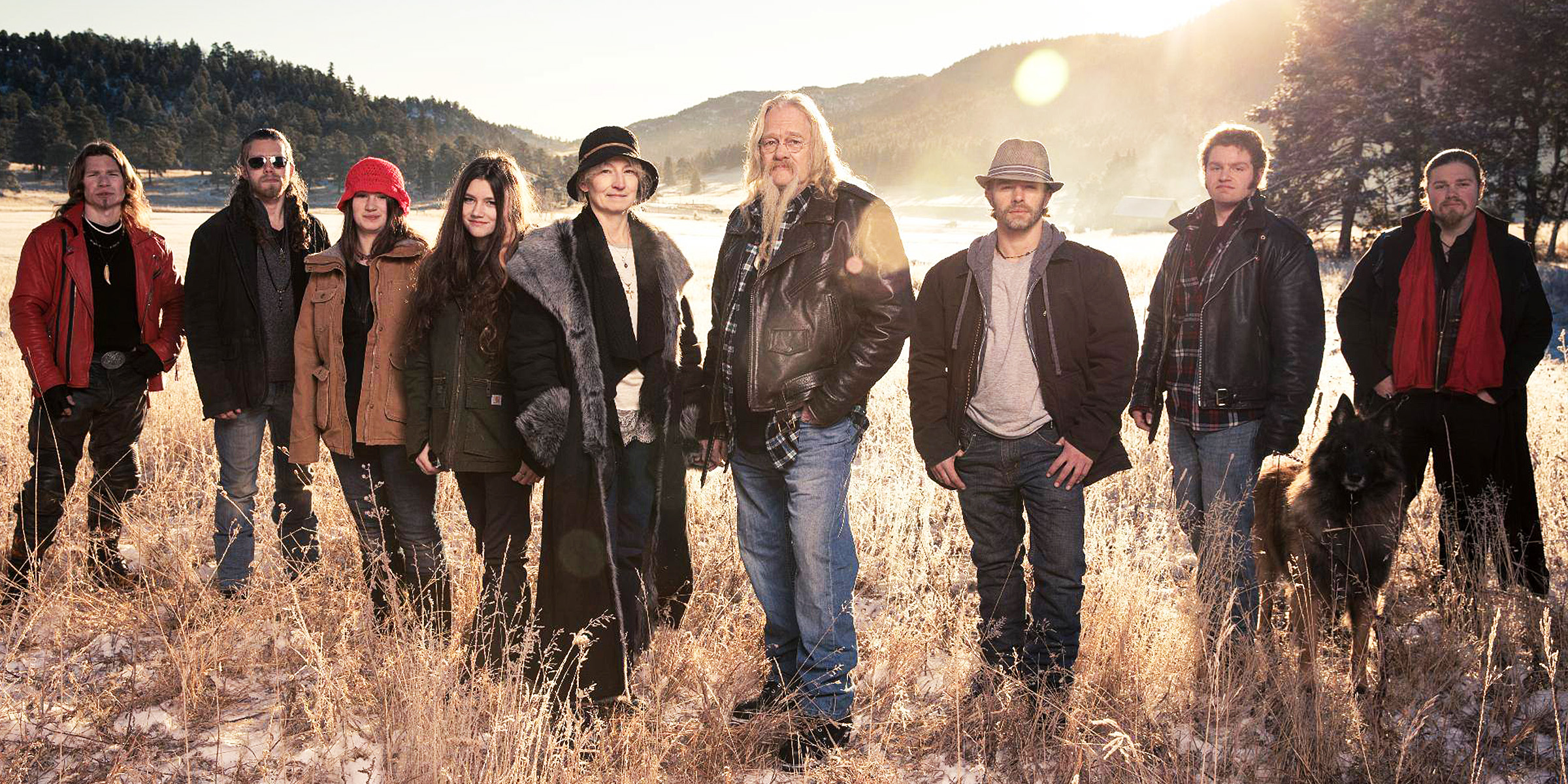
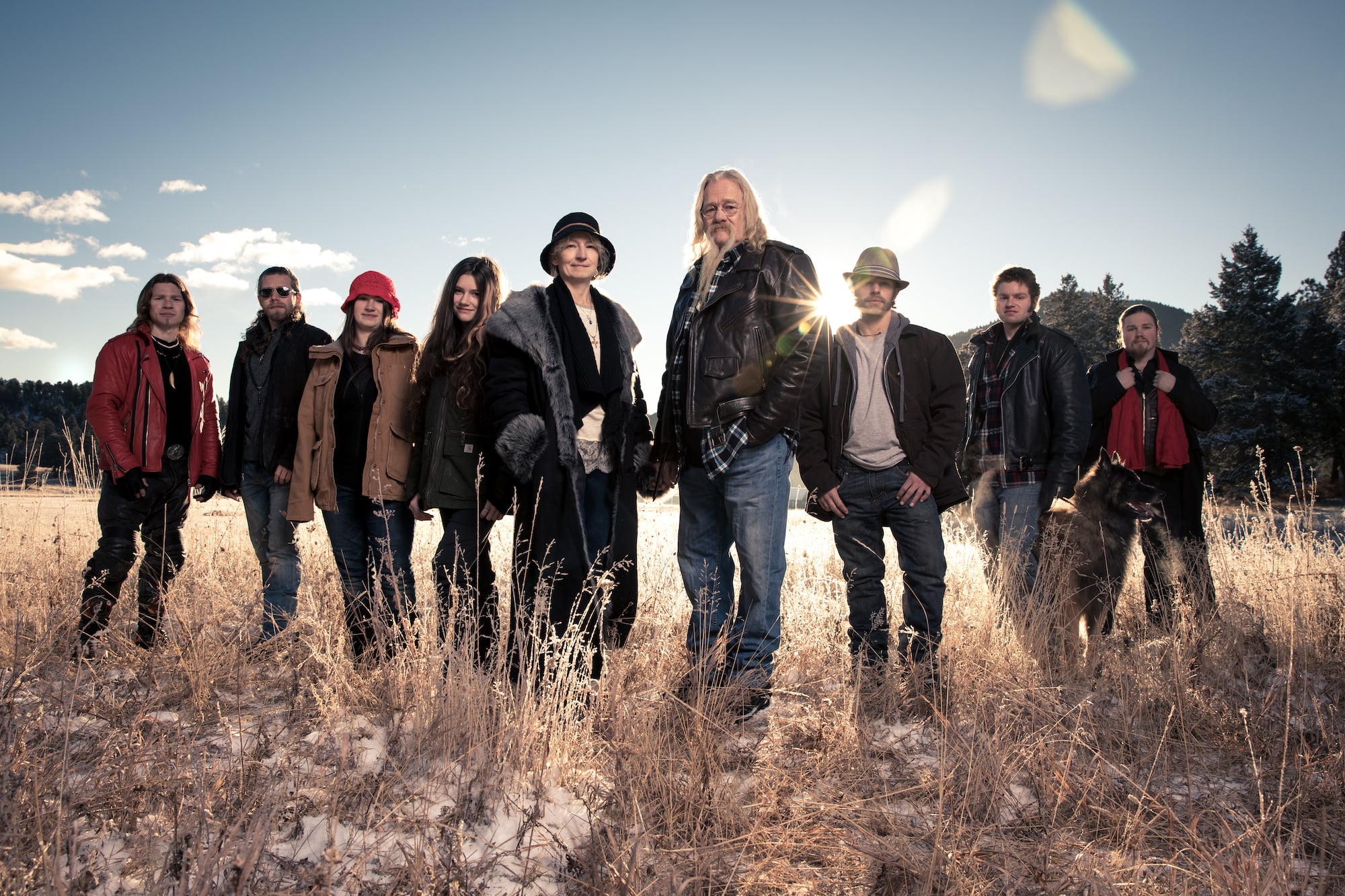
Following health concerns for Ami Brown and the eventual passing of Billy Brown, the production shifted its primary geographic focus from Alaska to the rugged terrain of North Central Washington, near the Cascade Mountains. This relocation marked a significant shift in how the family pursued their lifestyle.
Rather than moving deeper into untouched wilderness, the family acquired large tracts of private land. This shift allowed them to establish a more permanent compound featuring multiple cabins, animal husbandry projects, and access to regional infrastructure. While they continued to emphasize outdoor labor, manual construction, and family collaboration, the Washington era demonstrated the practical limits of long-term wilderness survival for an aging demographic dealing with health and medical needs.
The transition also illustrated how off-grid television properties adapt to cast changes. The older children pursued individual paths, ventures, and family lives of their own, while the remaining members continued to manage the ranch infrastructure. This evolution underscored a broader truth about modern alternative lifestyles: absolute isolation is difficult to sustain indefinitely, and adaptation to changing personal and economic circumstances remains essential.
Comparing Traditional Alaskan Bushcraft With Televised Realities
To fully evaluate the Alaska Bush People phenomenon, it is useful to contrast the television representation with established norms of remote Alaskan living.
- Regulatory Compliance: Real bush residents must navigate stringent Alaska Department of Fish and Game regulations, secure proper permits for building and trapping, and manage harsh winter conditions without heating backups.
- Economic Sustainability: True off-grid homesteaders generally rely on remote employment, seasonal commercial fishing, art, or remote trades to purchase fuel, ammunition, and tools that cannot be foraged.
- Safety Infrastructure: Independent bush residents must maintain satellite communication or shortwave radio links for medical emergencies, as professional rescue services can be hours or days away depending on weather.
While the show incorporated elements of these realities—such as hauling water, splitting firewood, and dealing with predators like bears—it streamlined the administrative and financial complexities that real-world Alaskans face daily.
Practical Considerations for Aspiring Off-Grid Living
For viewers inspired by the rustic aesthetics of Alaska Bush People who consider pursuing a remote or off-grid lifestyle, several foundational requirements must be addressed:
- Land Acquisition and Zoning: Verify legal access, water rights, and zoning laws before purchasing rural property. Many remote areas restrict permanent habitation or require specific sanitation approvals.
- Climate Preparation: Winter survival demands robust thermal insulation, reliable heating sources (such as wood stoves with seasoned hardwood), and ample stored provisions to prevent weather entrapment.
- Financial Planning: Off-grid living is rarely free. Taxes, equipment maintenance, fuel, and medical care require a sustainable income source, even if generated remotely.
- Skill Acquisition: Proficiency in carpentry, basic mechanics, first aid, food preservation, and local navigation is vital before attempting full-time rural isolation.
Frequently Asked Questions
Did the family actually live entirely off the land on Alaska Bush People?
No. While the show depicted subsistence hunting and fishing, the family relied on production crew support, commercial food purchases, and modern equipment. Complete isolation was mitigated by the logistical needs of television production.
Where is the Alaska Bush People homestead located today?
The primary homestead featured in later seasons is located on private acreage in North Central Washington state, near the Cascade Mountains, following their relocation from the original Alaskan sites.
Are the cabins built by the Browns structurally sound?
Many structures built on the show served as temporary or production-focused shelters. Permanent habitation required adherence to local building codes, professional engineering reinforcement, and the use of modern materials to ensure safety against harsh weather.
Why did the family leave Alaska?
The move was prompted by several factors, including medical treatments for Ami Brown, the desire for a permanent family land base on private property, and logistical decisions made by the production network.
How did the show impact local perceptions in Alaska?
Local residents and officials expressed mixed reactions. While some welcomed the economic boost to regional businesses, others criticized the romanticized and occasionally inaccurate portrayal of Alaskan bush life and administrative controversies.
Next Steps for Off-Grid and Wilderness Explorers
Those interested in exploring authentic remote living or traditional homesteading should look beyond entertainment media. Research established regional homesteading guides, study certified wilderness first-aid protocols, and consult local government zoning offices regarding land use regulations in your target region. Practical preparation, financial realism, and respect for local ecosystems remain the cornerstones of successful rural habitation.