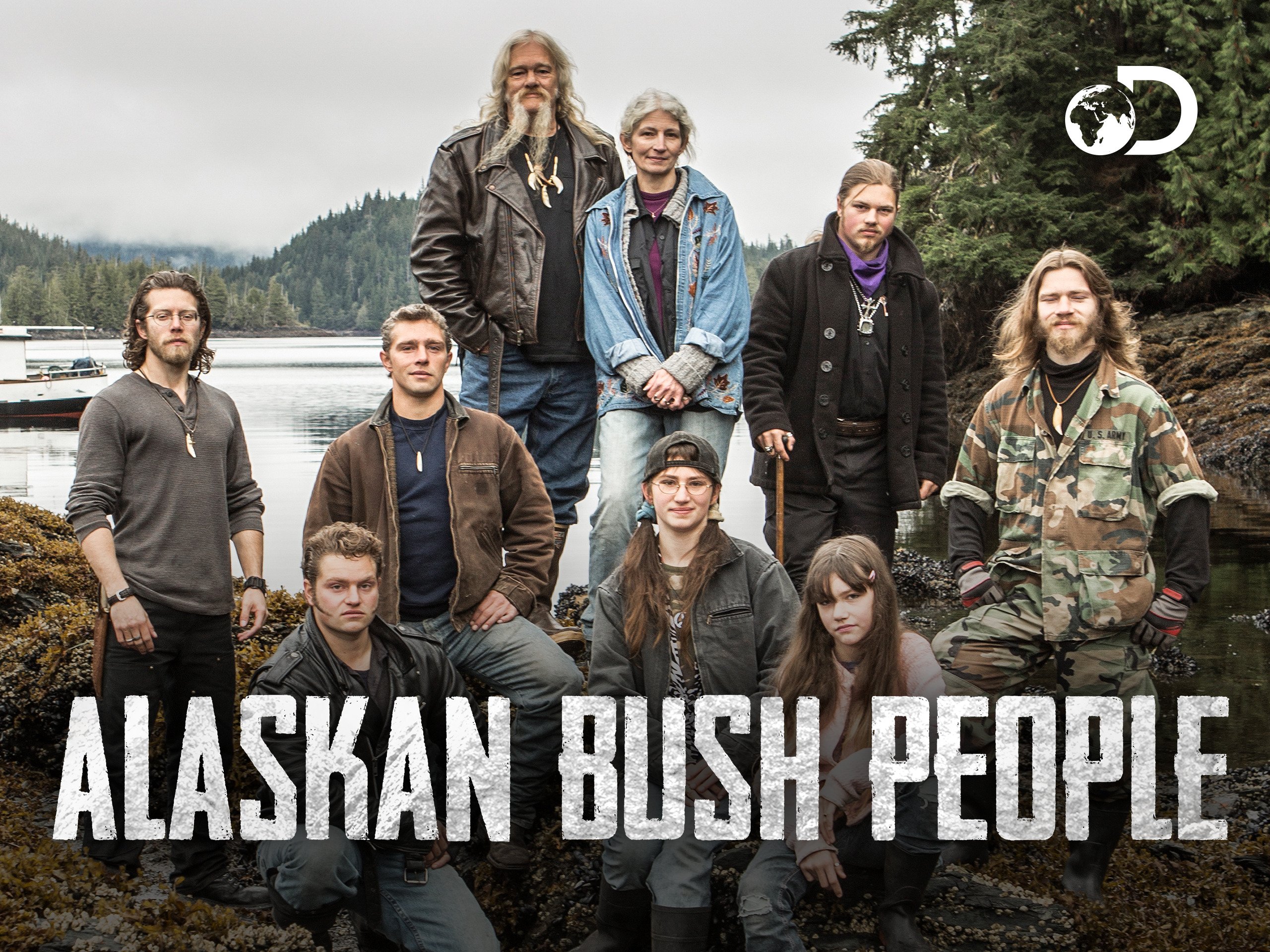
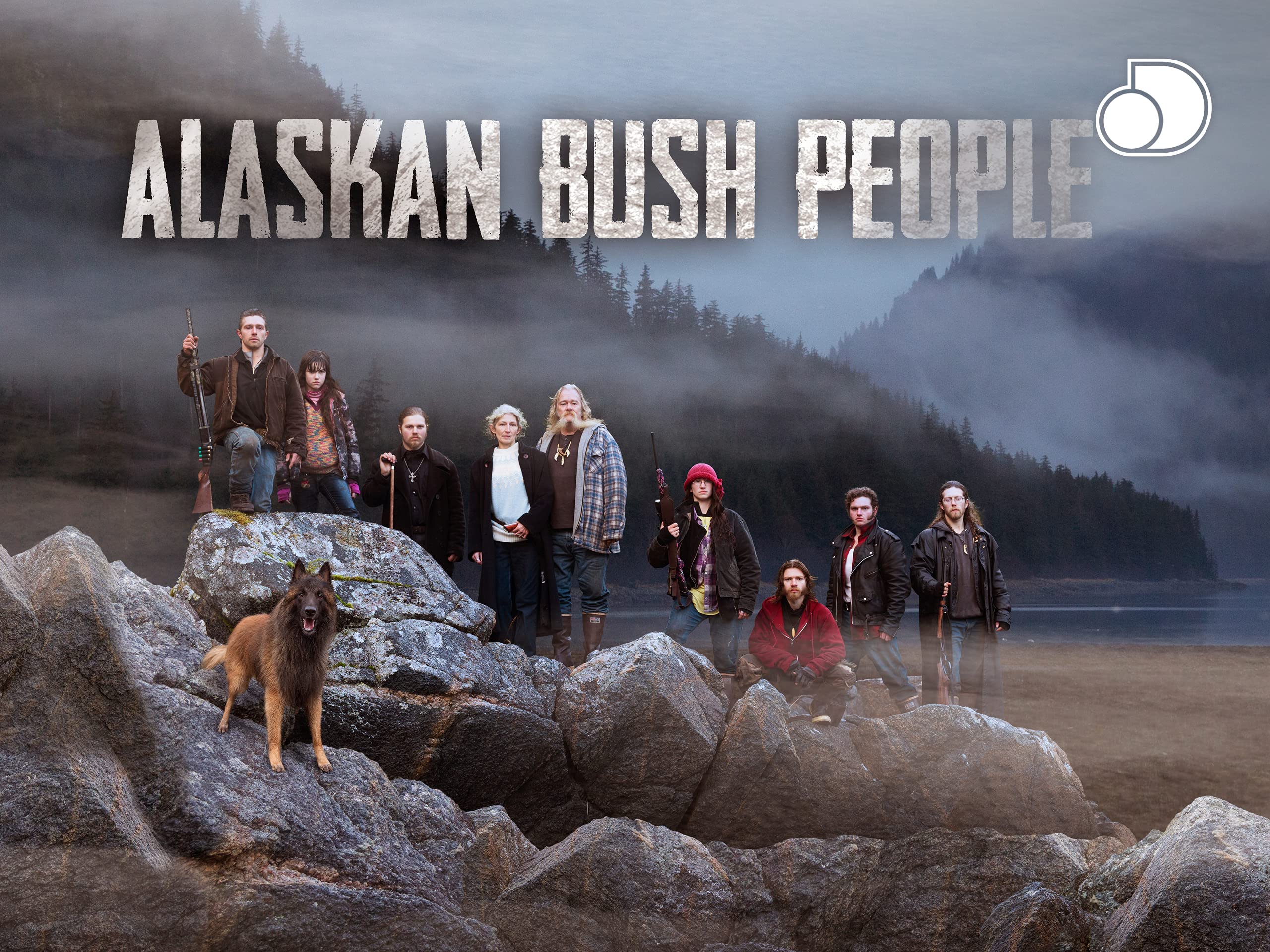
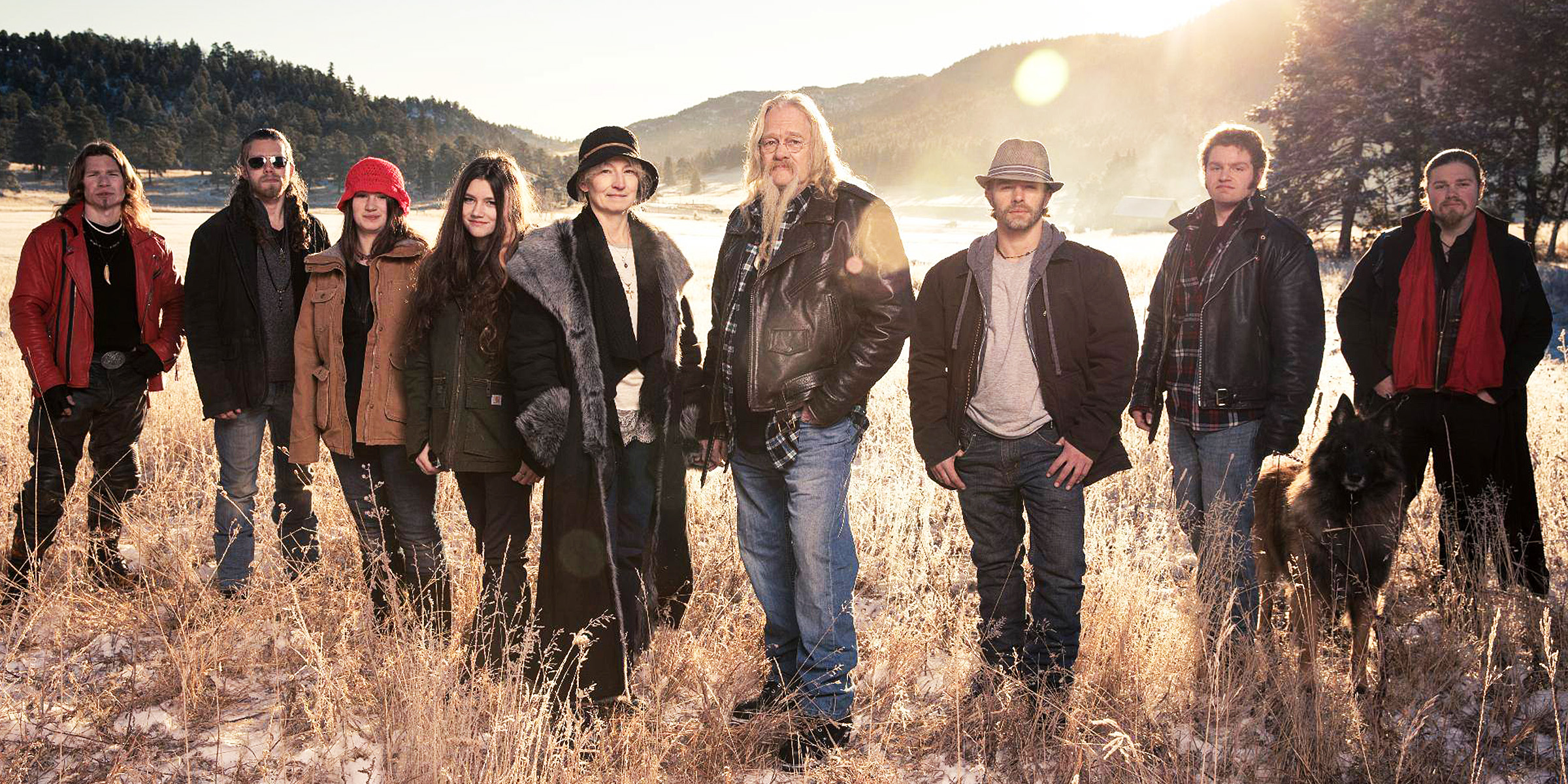
The alaska bush family phenomenon represents a captivating intersection of modern unscripted television and the romanticized ideals of remote frontier survival in the American wilderness. Popularized primarily through long-running media documentation, these narratives chronicle families attempting to carve out self-sufficient lives far away from modern societal infrastructure. Examining this cultural touchstone requires separating cinematic framing from the authentic, highly demanding realities of bush living in America's 49th state.
Origins and Cultural Impact of Wilderness Reality Television
The fascination with families living off the grid in remote northern territories grew exponentially during the late 2000s and 2010s. Cable television networks identified a strong public appetite for authentic-appearing survivalism, prompting the creation of numerous programs documenting isolated lifestyles. The alaska bush family archetype specifically tapped into historical American mythologies regarding pioneering spirit, self-reliance, and escape from urban complexity.
Media productions focusing on remote frontier living generally employ a distinct visual and narrative structure. Directors emphasize the stark isolation of the landscape, the physical toll of harsh winters, and the constant need to secure basic necessities like water, heat, and calories without the aid of commercial supply chains. However, media scholars and long-term northern residents often note that television editing necessarily heightens dramatic tension, occasionally magnifying interpersonal conflicts or manufacturing urgency to maintain viewer engagement across multi-season arcs.
Geographic Realities and Logistical Challenges of the Alaskan Bush
Living in the Alaskan bush is defined less by dramatic television moments and more by relentless logistical hurdles. The term "bush" encompasses vast, sparsely populated regions of Alaska that lack road connectivity to the state's primary highway system. Transportation into and out of these areas typically relies on small bush planes, riverboats, snowmachines, or all-terrain vehicles, depending on the season and specific geography.
| Transportation Mode | Primary Operational Season | Major Logistical Limitations |
|---|---|---|
| Floatplanes / Bush Planes | Summer / Fall (Wheel or Float) | Highly vulnerable to low visibility, high winds, and freeze-up/break-up periods. |
| Snowmachines / Dog Sleds | Winter | Requires sufficient snowpack; vulnerable to thin ice and mechanical breakdowns. |
| Riverboats / Skiffs | Summer | Dependent on navigable water levels, debris hazards, and seasonal freeze. |
| All-Terrain Vehicles (ATVs) | Summer / Autumn | Limited by deep muskeg, dense brush, and lack of established bridges. |
The absence of a local electrical grid means residents must generate their own power using solar panels, wind turbines, or diesel generators, all of which require ongoing fuel transport and mechanical maintenance. Communication is similarly constrained; satellite phones and high-frequency radios often serve as the only lifelines to emergency services or external supply hubs.
Subsistence Living Versus Modern Dependencies
A central theme of the alaska bush family narrative is complete self-sufficiency, particularly through subsistence hunting, fishing, and gathering. In practice, achieving total independence from the cash economy in contemporary Alaska is exceptionally rare and legally complex.
State and federal wildlife management agencies regulate subsistence harvesting strictly through permit systems, bag limits, and specific seasonal windows. Residents must secure licenses, understand complex game management units, and navigate overlapping jurisdictions between the Alaska Department of Fish and Game and federal land managers.
Furthermore, modern survival in the wilderness invariably requires manufactured goods. Firearm maintenance, medical supplies, fuel, winter clothing, and building materials cannot be fabricated entirely from the surrounding landscape. Consequently, even the most dedicated off-grid participants maintain some economic touchpoint with the broader world, whether through seasonal labor, transfer payments, or media enterprise income.
Legal, Regulatory, and Land Tenure Considerations
Establishing a homestead or long-term camp in the Alaskan wilderness involves navigating stringent property and land-use laws. Unlike the historical eras of the Homestead Act, acquiring public land for private settlement is heavily restricted. Most land is managed by the federal government, the state of Alaska, or regional Native corporations.
- Land Ownership: Squatting on public land is illegal, and obtaining a legitimate land lease or purchase requires navigating complex municipal and state bureaucracies.
- Building Codes: While remote areas may have fewer structural inspections than urban centers, building on public land without proper authorization can result in eviction and the dismantling of structures.
- Environmental Regulations: Waste disposal, timber harvesting, and water extraction are subject to environmental protections designed to preserve fragile arctic and subarctic ecosystems.
Health, Safety, and Emergency Preparedness in Isolation
Medical self-reliance is perhaps the most critical constraint of bush living. In the event of a severe trauma, cardiac event, or acute illness, professional medical assistance may be hours or even days away, depending on weather conditions that routinely ground aircraft.
Remote residents must maintain extensive first-aid knowledge, robust trauma kits, and advanced communication gear. Common hazards include hypothermia, severe lacerations from tools, wildlife encounters, and carbon monoxide poisoning from heating appliances used in tightly sealed winter cabins. The physical isolation means that minor accidents can quickly escalate into life-threatening emergencies, necessitating rigorous preventative safety protocols.
Frequently Asked Questions About Life in the Alaskan Bush
How do families in the Alaskan bush earn money?
While subsistence hunting provides food, cash is still required for taxes, fuel, tools, and medical care. Bush residents typically earn income through seasonal commercial fishing, trapping, guide services, localized construction, government assistance programs, or, in specific cases, media production and public appearances.
Is it legal to build a cabin anywhere in Alaska?
No. Most land in Alaska is owned by the state, the federal government, or Native corporations. Building a permanent structure requires owning the land legally or securing official leases and permits from the appropriate governing authority. Unauthorized building on public land is illegal.
What are the biggest dangers of living off the grid in Alaska?
The primary dangers include extreme weather and sub-zero temperatures leading to hypothermia, isolation from emergency medical care, mechanical failures of heating or power systems, and encounters with large wildlife such as bears or moose. Logistical isolation compounds every physical risk.
How do bush residents handle medical emergencies?
Medical management relies heavily on advanced first-aid training, trauma supplies, and satellite communication devices. When weather permits, emergency evacuation is coordinated through state troopers, local search and rescue organizations, or private air ambulance services, though these responses can be delayed significantly by storms.
Can someone completely survive without modern supplies in Alaska?
Total self-sufficiency without modern tools, manufactured clothing, firearms, or metal implements is virtually impossible in modern times. Even indigenous populations historically relied on sophisticated trade networks and specialized technology adapted over millennia to thrive in the arctic environment.
Sustainable Practices for Remote Frontiers
Thriving in the northern wilderness over decades requires a deep respect for seasonal rhythms and environmental conservation. Rather than conquering the landscape, successful long-term residents adapt their routines to the available light, migration patterns of game, and freeze-thaw cycles of local waterways. Prospective individuals examining this lifestyle must balance the romanticized media portrayals against the strict physical demands, legal frameworks, and financial realities inherent to modern life in the Alaskan bush.