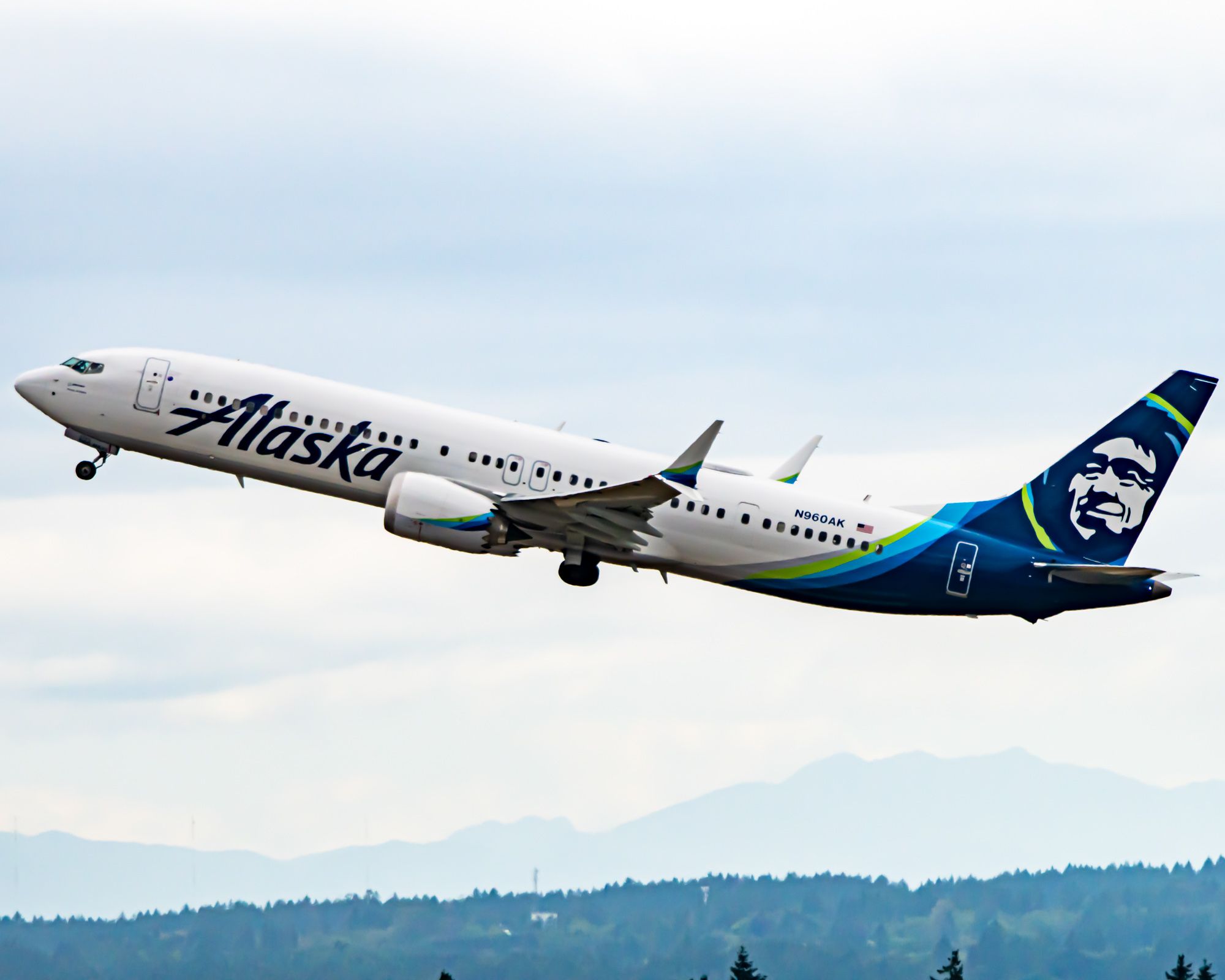
Alaska Airlines operates the Boeing 737 MAX 9 as a core narrowbody aircraft for its domestic and international route network, balancing high fuel efficiency and dense passenger configurations with specific operational, technical, and regulatory requirements.
The Boeing 737 MAX 9 serves as a critical asset in Alaska Airlines’ single-fleet strategy, providing the range and payload capabilities required to connect West Coast hubs with destinations across North America, Central America, and parts of the Caribbean. As a stretch variant of the MAX family, the aircraft features advanced CFM International LEAP-1B engines, winglets designed for aerodynamic efficiency, and an updated passenger cabin configuration. Understanding the technical profile of this aircraft involves examining its structural layout, flight deck systems, propulsion mechanics, maintenance protocols, and the specific operational parameters governing its deployment within the carrier’s schedule.
Fleet Integration and Strategic Role within Alaska Airlines
Alaska Airlines relies on a predominantly Boeing fleet to maximize maintenance efficiency, pilot training standardization, and parts inventory management. The integration of the 737 MAX 9 represents a generational modernization effort aimed at replacing older Next-Generation 737-900 and 737-900ER aircraft while lowering overall operating costs per seat-mile.
The aircraft's extended range allows the airline to operate transcontinental routes—such as Seattle-Tacoma International Airport (SEA) to New York (JFK) or Boston (BOS)—as well as longer leisure routes to Hawaii and Costa Rica without requiring widebody equipment. This operational flexibility helps the carrier optimize hub-and-spoke scheduling and point-to-point flying. Furthermore, the modern flight deck commonality across the 737 Next-Generation and MAX series allows Alaska Airlines to transition flight crews efficiently through differences training rather than full type ratings, reducing scheduling friction and training overhead.
Technical Specifications and Airframe Architecture
The Boeing 737 MAX 9 is a twin-engine, single-aisle commercial jetliner designed for short- to medium-haul operations. Its structural architecture incorporates advanced aluminum alloys, composite materials on control surfaces, and specialized winglet configurations that reduce induced drag.
Key Dimensions and Performance Metrics
- Overall Length: 138 feet, 4 inches (42.16 meters)
- Wingspan: 117 feet, 10 inches (35.92 meters) with Advanced Technology winglets
- Height: 40 feet, 4 inches (12.29 meters)
- Maximum Takeoff Weight (MTOW): Approximately 194,700 pounds (88,314 kg)
- Maximum Operating Range: Approximately 3,550 nautical miles (6,574 km) under standard payload conditions
- Maximum Passenger Capacity: Up to 220 seats, though typically configured for lower, higher-comfort densities by major network carriers.
Flight Deck and Avionics
The flight deck of the 737 MAX 9 features large-format multi-function displays, advanced flight management systems (FMS), and synthetic vision capabilities. Built around a traditional yoke and cable-driven architecture supplemented by digital flight control computers, the avionics suite emphasizes pilot situational awareness. The integrated display system presents primary flight data, navigation, and engine monitoring parameters across four massive LCD screens, reducing crew workload during high-density terminal area operations and low-visibility approaches.
Propulsion Mechanics: The CFM LEAP-1B Engine
Powering the 737 MAX 9 are two high-bypass CFM International LEAP-1B turbofan engines. These powerplants represent a substantial technological leap over the older CFM56 engines found on Next-Generation 737s, delivering a double-digit percentage improvement in fuel efficiency and carbon emissions reduction.
The LEAP-1B incorporates advanced materials such as ceramic matrix composites (CMCs) in the turbine section to withstand higher operating temperatures, along with a 69-inch fan featuring 18 carbon-fiber composite blades. This design optimizes bypass ratio and thrust dynamics while significantly lowering perceived cabin noise levels. For airline operations, these engines reduce fuel burn and maintenance intervals, though they require strict adherence to manufacturer-specified borescope inspections and life-limited parts tracking.
Cabin Configuration and Passenger Experience
Alaska Airlines designs its 737 interiors to balance passenger comfort with revenue generation. The standard cabin layout on the carrier's MAX 9 aircraft features a multi-class configuration, typically comprising First Class, Premium Class, and Main Cabin seating.
| Cabin Class | Typical Seat Pitch | Seat Width | Amenities & Features |
|---|---|---|---|
| First Class | 37–41 inches | 21 inches | Recline capability, legrests, dedicated power outlets, customized meal service. |
| Premium Class | 35 inches | 17–17.8 inches | Extra legroom (3–4 inches over Main Cabin), priority boarding. |
| Main Cabin | 31–32 inches | 17–17.8 inches | Standard pitch, adjustable headrests, USB power ports, streaming entertainment. |
In addition to seating ergonomics, the aircraft incorporates Boeing’s "Sky Interior" architecture, featuring modern sculpted sidewalls, larger window outlines that enhance natural light perception, and dynamic LED mood lighting designed to reduce passenger fatigue across transcontinental segments. High-capacity overhead bins provide increased stowage volume per passenger compared to legacy aircraft variants.
Operational Safety, Regulatory Oversight, and Maintenance Protocols
Safety management systems and regulatory compliance govern every facet of 737 MAX 9 flight operations. Following industry-wide regulatory directives and heightened scrutiny regarding manufacturing quality, door plug assemblies, and flight control software, operators and the Federal Aviation Administration (FAA) established rigorous inspection routines.
Alaska Airlines maintains strict compliance frameworks that mandate recurring maintenance checks, structural integrity audits, and specialized inspections of mid-cabin exit door plugs. Maintenance technicians follow detailed task cards and engineering orders issued jointly by Boeing and regulatory bodies. These protocols include torque verifications, rigging checks, and non-destructive testing (NDT) of high-stress fuselage frames to ensure long-term airworthiness and operational safety.
Frequently Asked Questions
What is the maximum passenger capacity of the Alaska Airlines 737 MAX 9?
The aircraft is certified to carry up to 220 passengers depending on evacuation limits, but Alaska Airlines configures its cabins with a lower, multi-class density layout to provide enhanced legroom in First Class and Premium Class.
How does the 737 MAX 9 differ from the older 737-900ER?
The MAX 9 incorporates modern CFM LEAP-1B engines, Advanced Technology winglets, updated avionics displays, and improved aerodynamics, resulting in a significantly extended flight range and lower fuel consumption than the 737-900ER.
What routes does Alaska Airlines typically fly with the 737 MAX 9?
The airline deploys the aircraft primarily on transcontinental trunk routes, West Coast shuttle corridors, and longer-haul flights to destinations in Mexico, Central America, and Hawaii.
How do flight crews transition from older 737 models to the MAX 9?
Pilots complete structured differences training programs rather than full type ratings due to the flight deck commonality and similar handling characteristics shared across the 737 Next-Generation and MAX families.
What specific maintenance procedures are applied to the 737 MAX 9 door plugs?
Maintenance personnel conduct routine inspections, torque verification checks, and structural audits of mid-cabin exit plug installations following stringent FAA-approved inspection protocols and manufacturer service bulletins.
Operational Optimization and Next Actions
To maintain optimal fleet reliability, flight dispatchers, maintenance controllers, and station managers must coordinate closely regarding turnaround times, gate allocation, and component replacement schedules. Ground operations teams should ensure that ramp equipment is compatible with the aircraft's door heights and cargo pit configurations, while engineering personnel must maintain strict adherence to manufacturer service bulletins and FAA airworthiness directives. By combining disciplined maintenance scheduling with efficient flight planning, operators can maximize the economic and operational value of the 737 MAX 9 within their network.