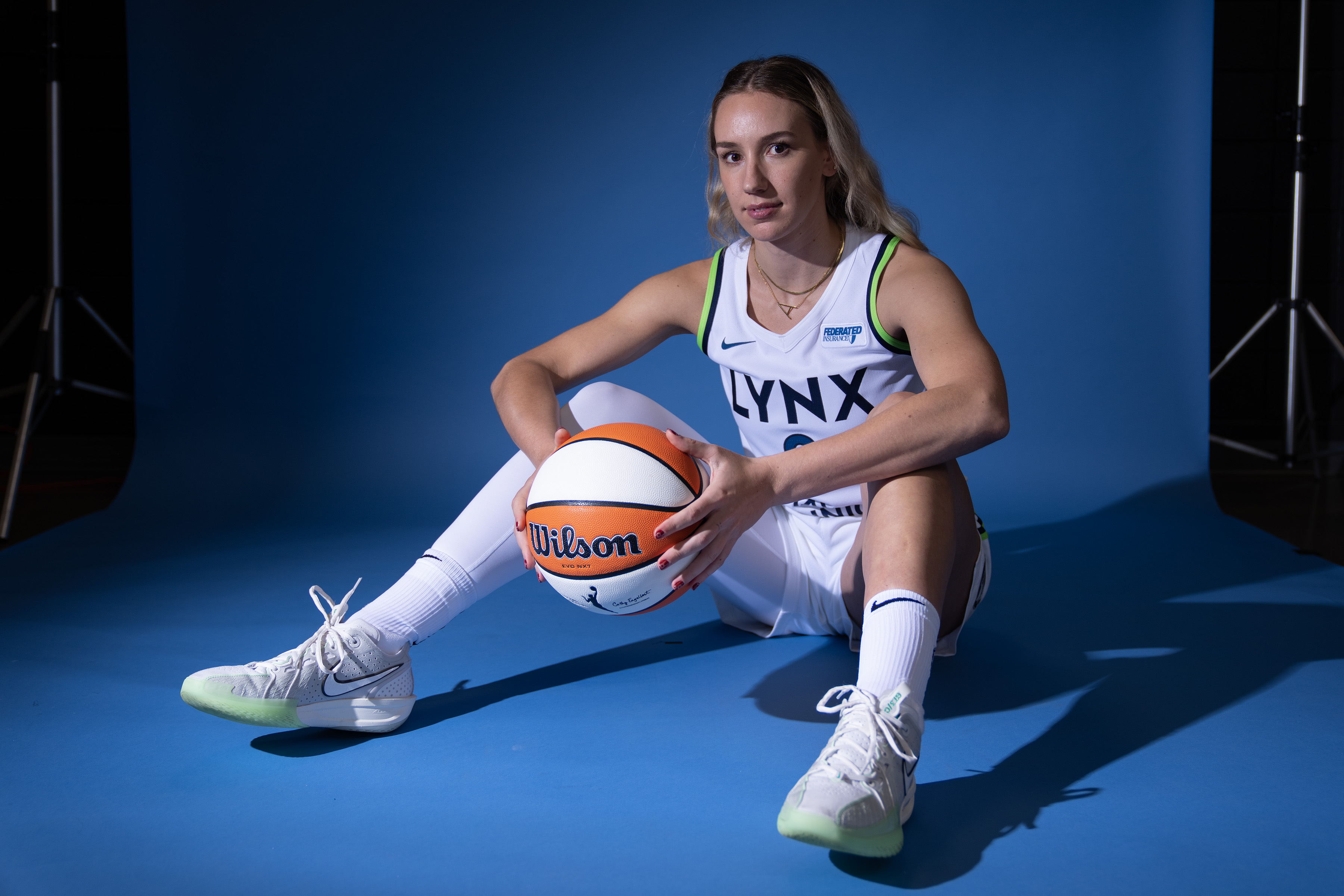
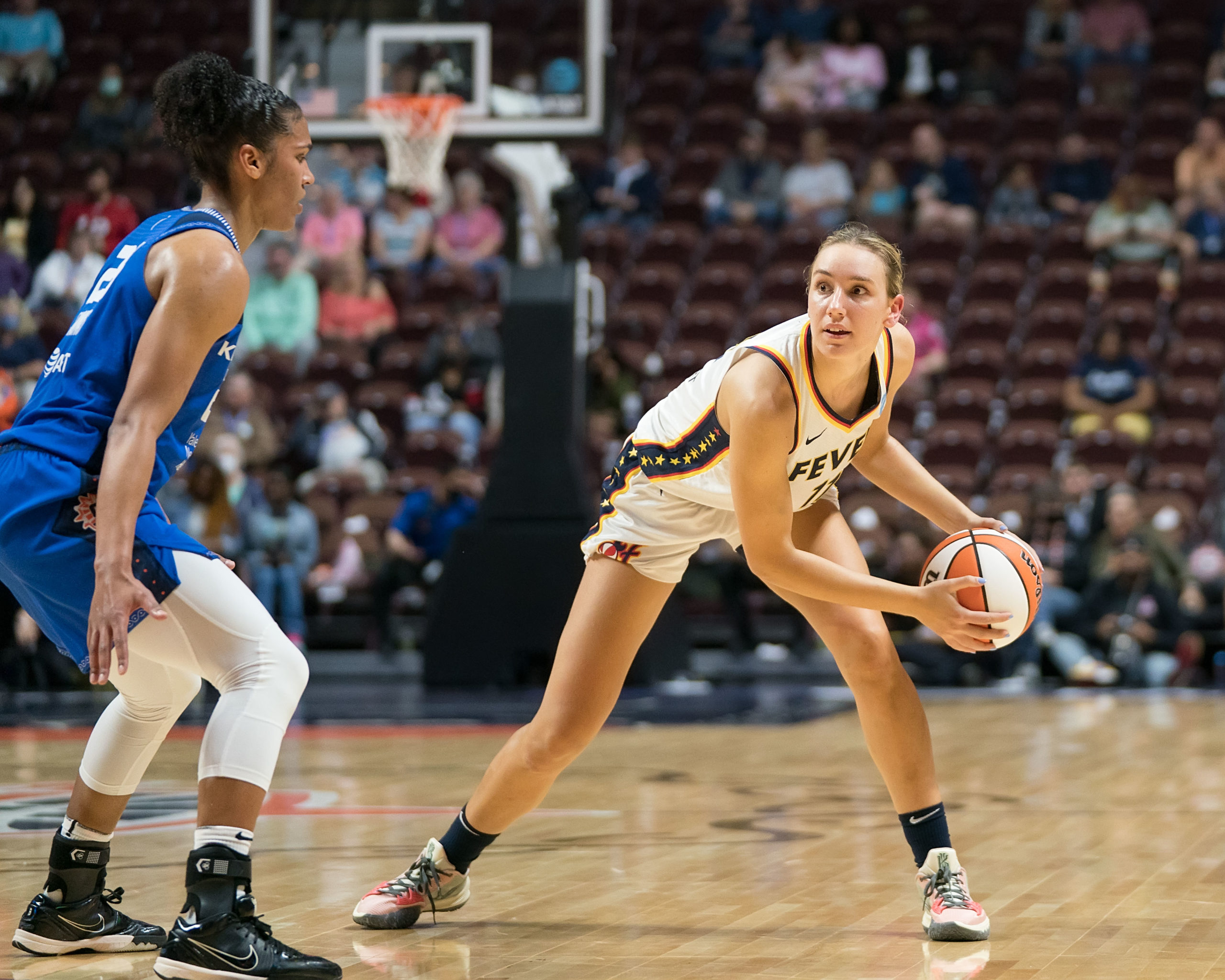
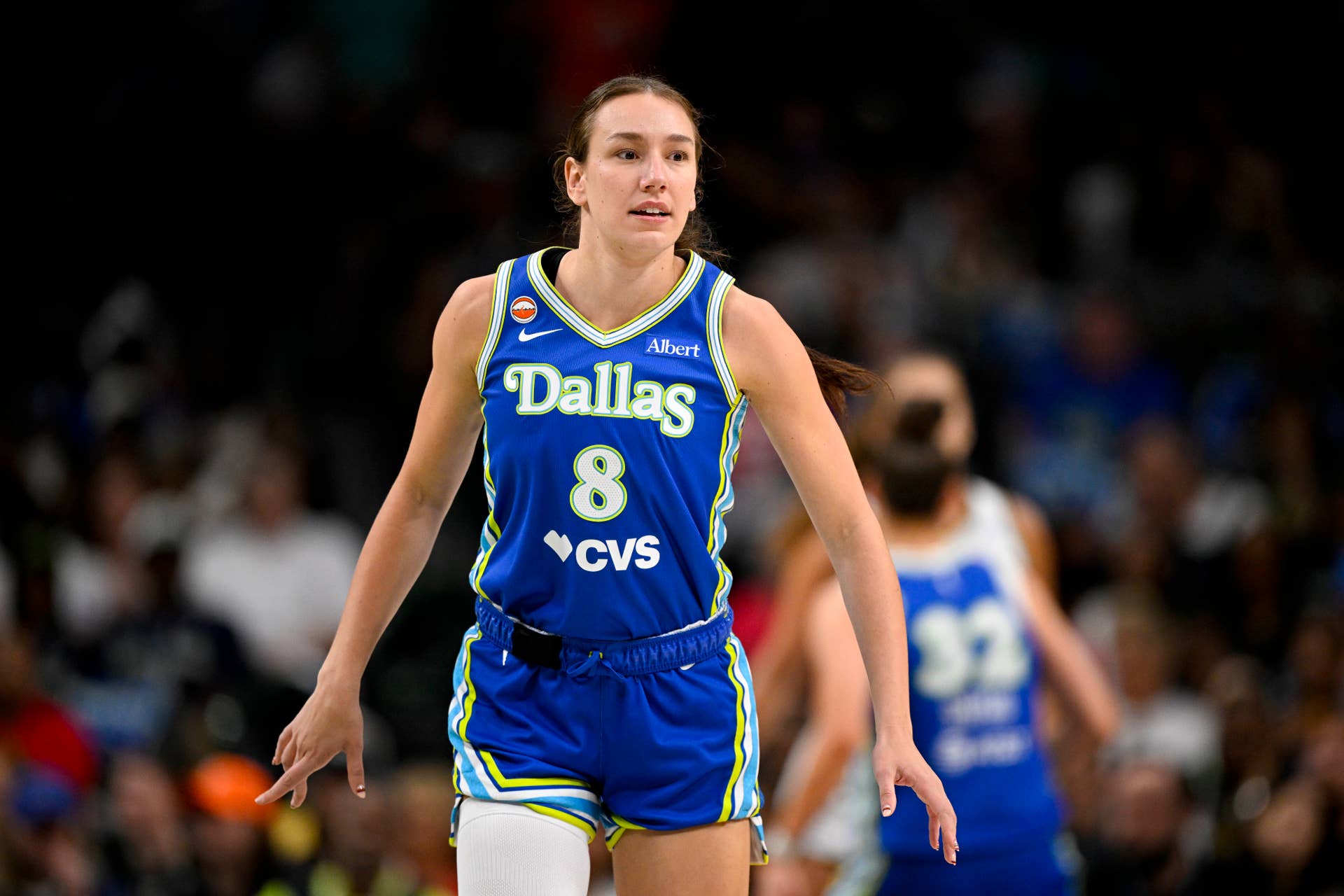
Alanna Smith is a professional basketball player recognized for her standout collegiate career at Stanford University, success in the Women's National Basketball Association (WNBA), and consistent representation of the Australian national team, the Opals. Known for her versatility as a forward, high basketball IQ, and ability to stretch the floor with perimeter shooting, she has established herself as a significant presence in both domestic and international leagues.
The trajectory of Alanna Smith reflects the modern evolution of elite women's basketball, where players balance demanding WNBA schedules with high-level international competition, European club play, and major global tournaments like the Olympic Games and FIBA World Cups. Understanding her career involves examining her foundational development, collegiate achievements, professional milestones, and tactical contributions to the teams she represents.
Early Life and Basketball Origins
Born on September 10, 1996, in Hobart, Tasmania, Australia, Alanna Smith grew up in a household deeply connected to basketball. Her father, Shaun Smith, played professionally in the National Basketball League (NBL) in Australia, providing an early environment that fostered both fundamental skills and a competitive mindset. Growing up in Melbourne, she developed her game through local junior club structures before emerging as one of the country's most promising young talents.
As a teenager, Smith entered the Basketball Australia Centre of Excellence, an elite development program designed to prepare top-tier prospects for international competition and American collegiate basketball. Within this system, she refined her physical conditioning, shooting mechanics, and defensive positioning. Her performances at the junior national level caught the attention of American collegiate scouts, leading to scholarship offers from major NCAA Division I programs.
Selecting Stanford University marked a critical juncture in her athletic and academic development. Moving from Australia to Northern California required a significant adjustment to the physical demands of the Pac-12 Conference and the academic rigors of a premier academic institution. Under the guidance of veteran Stanford head coach Tara VanDerveer, Smith transitioned from a promising international prospect into an elite collegiate forward capable of impacting games on both ends of the floor.
Collegiate Career at Stanford University
During her four seasons with the Stanford Cardinal from 2015 to 2019, Alanna Smith experienced steady growth, culminating in a historic senior campaign. In her freshman and sophomore years, she played primarily a supporting role, utilizing her length to alter shots and provide efficient scoring off the bench. As her strength and understanding of the collegiate pace improved, her minutes and statistical output expanded significantly.
By her junior year, Smith became a regular starter, showcasing an offensive repertoire that included mid-range jump shots, post moves, and an emerging three-point capability. Her breakout performance occurred during the 2018–2019 season as a senior. She averaged career highs across major statistical categories, leading the Cardinal in scoring and blocked shots while earning WBCA Coaches' All-America honors and being named a finalist for prestigious national awards.
| Season | Points Per Game | Rebounds Per Game | Blocks Per Game | Field Goal % | Three-Point % |
|---|---|---|---|---|---|
| 2015–16 | 4.3 | 2.5 | 0.8 | .452 | .310 |
| 2016–17 | 8.1 | 4.3 | 1.1 | .475 | .356 |
| 2017–18 | 13.5 | 7.1 | 1.9 | .482 | .382 |
| 2018–19 | 19.4 | 8.6 | 2.1 | .512 | .397 |
Her collegiate career culminated in leading Stanford to the Elite Eight of the NCAA Tournament in 2019. The statistical progression detailed above illustrates how her shooting efficiency and defensive presence scaled as she assumed primary leadership responsibilities within the program.
WNBA Draft and Professional Progression
Following her successful collegiate career, Alanna Smith entered the 2019 WNBA Draft, where she was selected in the first round with the 8th overall pick by the Phoenix Mercury. Entering the league as a stretch-four prospect, she joined a veteran roster that included established stars like Diana Taurasi and Brittney Griner. While early professional minutes can be difficult to secure on competitive rosters, Smith contributed spacing and interior defense in rotation roles.
Over subsequent seasons, her professional journey involved movement across multiple franchises, allowing her to gain valuable tactical experience under different coaching staffs. Playing for organizations such as the Indiana Fever and the Chicago Sky provided opportunities for extended playing time and leadership development. Her ability to operate as a high-post facilitator, set effective screens, and contest shots at the rim made her a valued asset for teams seeking frontcourt depth.
In addition to the WNBA summer schedule, Smith embraced the global nature of professional women's basketball by competing in international leagues during the winter. Stints in European club competitions, including top-tier leagues in Europe, allowed her to refine her decision-making against physical defenses and maintain peak conditioning year-round. This dual-hemisphere schedule is characteristic of elite professional basketball players aiming to maximize both income and competitive readiness.
International Career with the Australian Opals
Representing Australia on the international stage has been a defining aspect of Alanna Smith’s career. Having progressed through the youth national team system—including standout performances at the FIBA Under-19 World Cup—she transitioned seamlessly to the senior Australian Opals squad. Her skill set translates effectively to FIBA rules, where international spacing, physical officiating, and tactical execution place a premium on versatile frontcourt players.
Smith has represented Australia in major global competitions, including the FIBA Women's Basketball World Cup and the Olympic Games. Playing alongside veteran leaders like Lauren Jackson and Jenna O'Hea, she contributed defensively and offensively to help the Opals secure podium finishes and maintain their status among the world's top-ranked basketball nations. Her capacity to guard opposing perimeter players and contest dominant post scorers provides national team coaches with crucial tactical flexibility.
International competition also requires adaptability, as players must quickly integrate with teammates from various domestic leagues under compressed tournament schedules. Smith’s experience across different coaching systems has made her a reliable contributor in high-pressure elimination games, where tactical discipline and composure are essential.
Tactical Playing Style and On-Court Value
Analyzing Alanna Smith's effectiveness on the court requires examining her unique blend of size, skill, and mobility. Standing approximately 6 feet 4 inches, she possesses the height required to contest interior shots and secure defensive rebounds against traditional centers. However, her offensive utility stems primarily from her perimeter shooting touch and passing vision.
Coaches utilize Smith in pick-and-pop actions, where her defender must choose between helping on the ball handler or staying attached to a reliable three-point shooter. This gravity opens driving lanes for guards and prevents opposing defenses from collapsing into the paint. Defensively, her lateral quickness allows her to switch onto smaller perimeter players during screen-and-roll situations without giving up an immediate advantage.
- Floor Spacing: Ability to pull opposing shot-blockers away from the basket via consistent perimeter shooting.
- Rim Protection: Long wingspan and timing that allow for effective weak-side shot-blocking.
- Passing Vision: High basketball IQ enabling quick decision-making from the high post or short roll.
- Positional Versatility: Capability to play both power forward and center depending on tactical matchups.
These attributes make her a modern frontcourt asset, fitting the tactical demands of contemporary basketball systems that prioritize pace, space, and defensive adaptability.
Professional Resilience and Career Longevity
Sustaining a lengthy professional career in elite basketball requires navigating injuries, roster turnover, and the physical toll of year-round competition. Alanna Smith has demonstrated significant resilience throughout her professional tenure, returning from minor setbacks with modified training regimens and sustained athletic output. Her longevity reflects professional discipline, commitment to recovery protocols, and a continuous willingness to adapt her game to evolving league trends.
For aspiring athletes, her path illustrates the importance of foundational skill development combined with academic commitment. By utilizing her education at Stanford while maximizing her athletic ceiling, she built a durable platform for professional success. As she continues to compete at the highest levels of the WNBA and international basketball, her career serves as a blueprint for modern multi-dimensional frontcourt players.