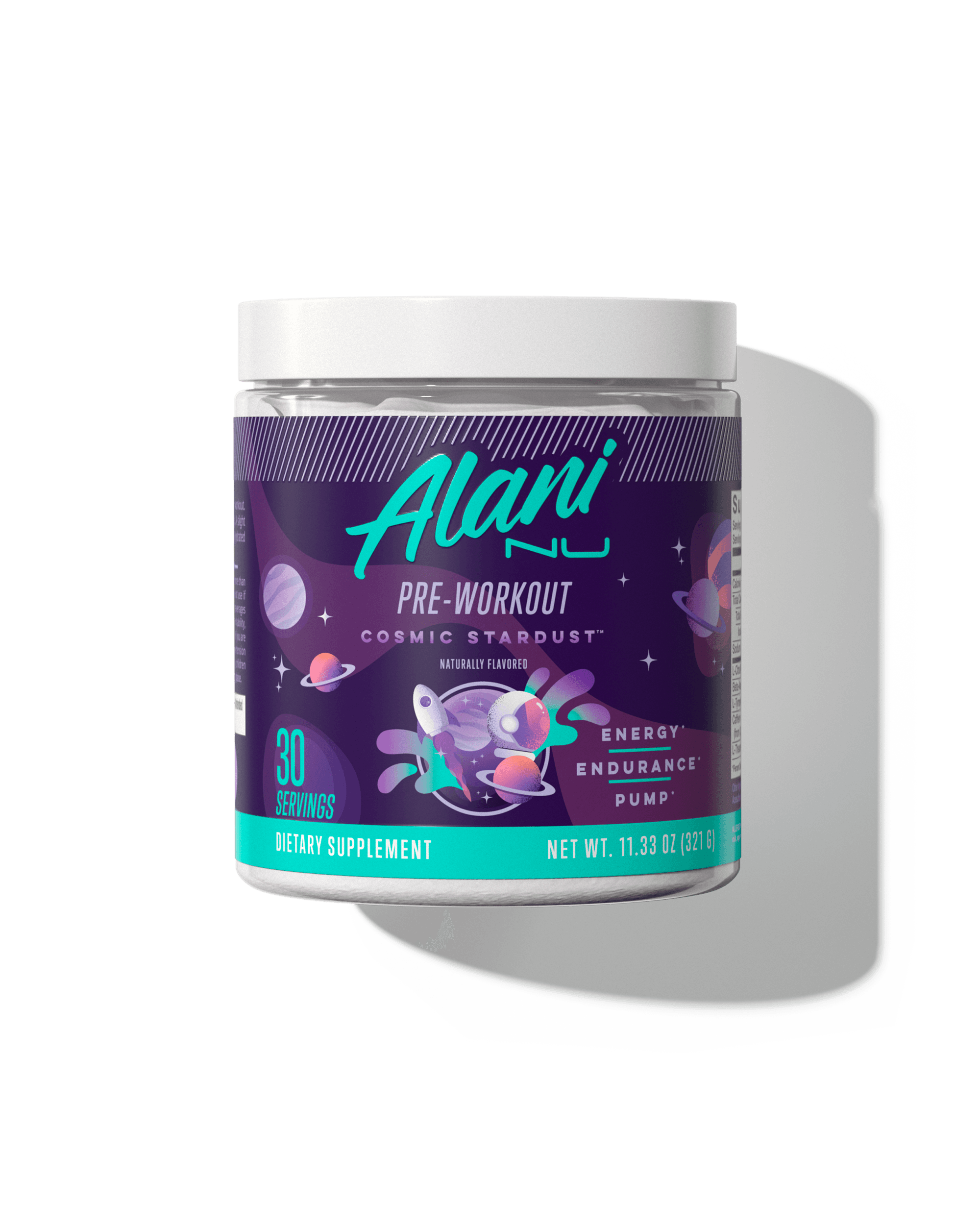
Consumers evaluating the legal and safety landscape surrounding popular fitness supplements often seek clarity regarding claims, active ingredients, and accountability. While Alani Nu has established a prominent market presence with its energy drinks and pre-workout powders, various class-action lawsuits and consumer protection claims across the dietary supplement industry frequently target labeling practices, ingredient safety, and marketing representations. Navigating these developments requires an understanding of how supplement regulations work, what specific allegations typically surface in fitness product litigation, and how consumers can evaluate the products they consume.
The Landscape of Dietary Supplement Litigation
The dietary supplement industry operates under a unique regulatory framework established primarily by the Dietary Supplement Health and Education Act (DSHEA) of 1994. Unlike pharmaceutical drugs, dietary supplements do not require pre-market approval from the U.S. Food and Drug Administration (FDA) for safety and efficacy. Manufacturers bear the primary responsibility for ensuring that their products are safe and that their label claims are truthful and not misleading.
This regulatory structure creates an environment where consumer advocacy groups, private legal firms, and individual plaintiffs frequently file class-action lawsuits under state consumer protection statutes. Common flashpoints in these lawsuits include allegations of "slack fill" (containers with excessive empty space), misleading "natural" or "clean" labeling, unverified performance claims, and the inclusion of stimulants or chemical compounds that consumers argue are improperly disclosed or potentially harmful. Understanding this broader legal backdrop helps contextualize why fitness brands face judicial scrutiny and how courts evaluate claims made against popular supplement manufacturers.
Core Allegations and Consumer Protection Claims
When consumers or legal firms scrutinize pre-workout supplements, the disputes generally center around specific categories of concern. Analyzing these categories reveals the precise mechanisms by which products face legal challenges.
Labeling Accuracy and Ingredient Disclosures
A frequent subject of supplement litigation involves discrepancies between what a product label claims to contain and its actual laboratory-tested composition. Plaintiffs often commission independent laboratory testing to verify whether proprietary blends mask underdosed active ingredients or if specific stimulants exceed safe manufacturing guidelines. In some instances, lawsuits allege that synthetic ingredients are marketed under misleading terms that suggest natural origins, violating state laws against deceptive trade practices.
Marketing Claims and Performance Guarantees
Pre-workout powders are heavily marketed with performance-oriented language designed to promise enhanced focus, extreme energy, and accelerated muscle growth. When consumers feel these products fail to deliver the promised results or when marketing terms are deemed overly broad, legal challenges may arise under false advertising statutes. Courts look closely at whether a reasonable consumer would be misled by specific catchphrases, imagery, or endorsed benefits featured on packaging and digital advertisements.
Safety Concerns and Stimulant Profiles
Many pre-workout formulations rely on heavy doses of caffeine, beta-alanine, creatine, and various botanical extracts to deliver immediate physiological effects. Lawsuits occasionally highlight adverse health events or argue that high-stimulant profiles are marketed without adequate warnings regarding potential side effects such as jitteriness, increased heart rate, or elevated blood pressure. Plaintiffs utilize these arguments to seek monetary damages, mandatory labeling changes, or refined safety disclosures.
Evaluating Supplement Safety and Ingredients
To better understand how pre-workout formulations stack up against consumer expectations and regulatory standards, it is helpful to examine the primary components typically found in these products and their documented characteristics.
| Ingredient | Primary Purpose | Common Dosage Range | Documented Considerations |
|---|---|---|---|
| Caffeine | Central nervous system stimulant for alertness and energy | 150 mg – 300 mg per serving | High doses can cause jitteriness, elevated heart rate, and sleep disruption. |
| Beta-Alanine | Amino acid to buffer lactic acid and delay muscle fatigue | 1.6 g – 3.2 g per serving | Commonly causes harmless paresthesia (tingling sensation in the skin). |
| Creatine | Supports cellular energy production and strength output | 3g – 5g per daily serving | Extensively researched; generally safe with proper hydration. |
| L-Citrulline | Nitric oxide booster to enhance blood flow and "pump" | 3g – 6g per serving | Generally well-tolerated; supports vascular dilation during exercise. |
Consumer Rights and Legal Recourse Options
Consumers who believe they have been misled or harmed by a dietary supplement product have several avenues for potential recourse, though navigating these paths requires careful documentation.
- Preserving Evidence: Individuals seeking to participate in a class-action lawsuit or file an independent claim must retain the physical product, packaging, and original purchase receipts or digital transaction records.
- Reporting Adverse Events: Consumers experiencing adverse health reactions can report these incidents directly to the FDA’s Center for Food Safety and Applied Nutrition or through the safety reporting portals provided by state health departments.
- Consulting Legal Counsel: Joining a class action typically requires no upfront financial commitment, as firms generally operate on a contingency fee basis. However, potential plaintiffs should verify the credibility and active status of the litigating firm before submitting personal purchase information.
Frequently Asked Questions
What specific legal claims have been brought against Alani Nu?
Lawsuits and legal inquiries targeting supplement brands like Alani Nu generally center around consumer protection laws, false advertising, and allegations regarding product labeling accuracy. Plaintiffs typically argue that marketing representations or ingredient formulations do not align with consumer expectations or statutory advertising standards.
Are Alani Nu pre-workout products currently banned or recalled?
As of current tracking, Alani Nu pre-workout products remain commercially available on store shelves and online marketplaces. There are no mandatory nationwide federal recalls or official regulatory bans prohibiting the sale of these specific fitness supplements.
How can I verify if a supplement product is safe to consume?
Consumers should review third-party certification seals from independent organizations such as NSF International, Informed-Choice, or U.S. Pharmacopeia (USP). These organizations test products for label accuracy, heavy metals, and banned substances to ensure manufacturing quality and safety.
What should I do if I experience adverse side effects from a pre-workout?
Discontinue use of the product immediately and consult a qualified healthcare professional. Document your symptoms, keep the packaging with the lot number intact, and file a formal adverse event report with the FDA or the manufacturer.
Do class-action lawsuits result in direct payouts for all consumers?
Settlements in class-action lawsuits typically establish a claims fund where eligible purchasers who can provide proof of purchase may receive partial financial restitution. Payout amounts depend heavily on the total settlement pool, the number of valid claims submitted, and legal administrative costs.
Next Steps for Supplement Consumers
Staying informed about industry-wide litigation, regulatory updates, and manufacturing practices ensures that fitness enthusiasts make safe, well-reasoned choices regarding their dietary supplementation. Always review product labels carefully, consult medical professionals before introducing high-stimulant formulas into your routine, and rely on official court dockets and verified consumer protection agencies rather than speculative social media reports when assessing ongoing legal disputes.