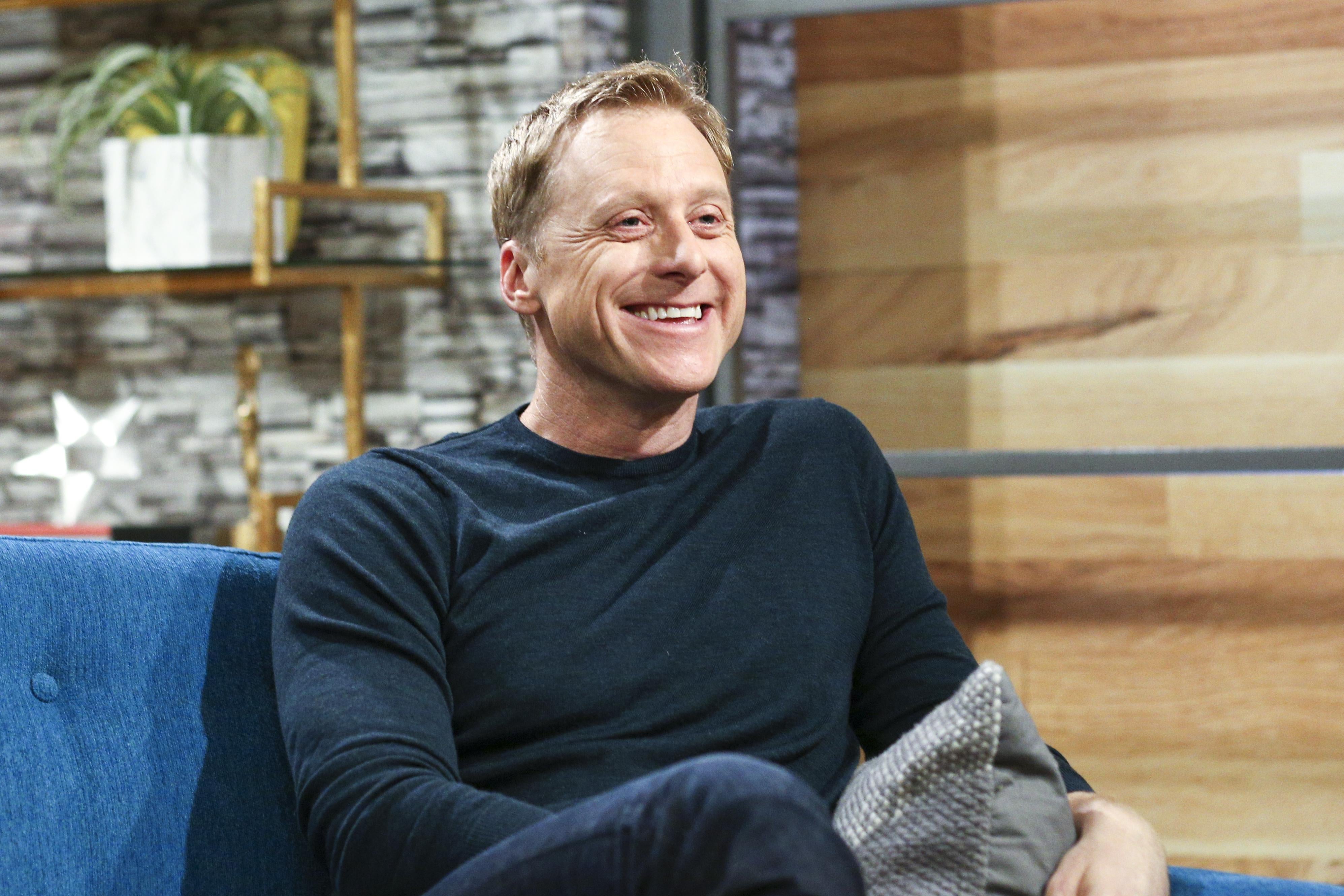
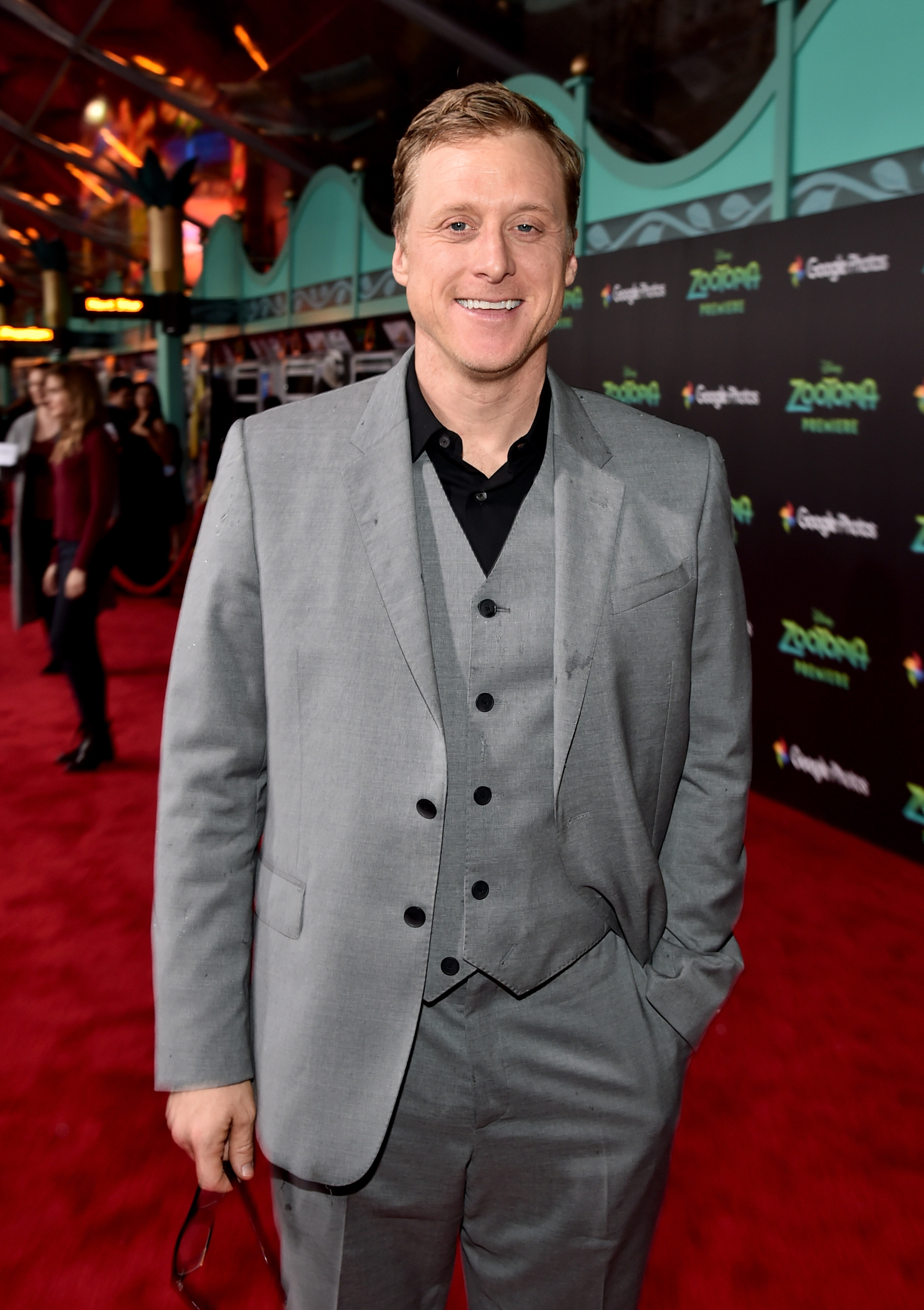
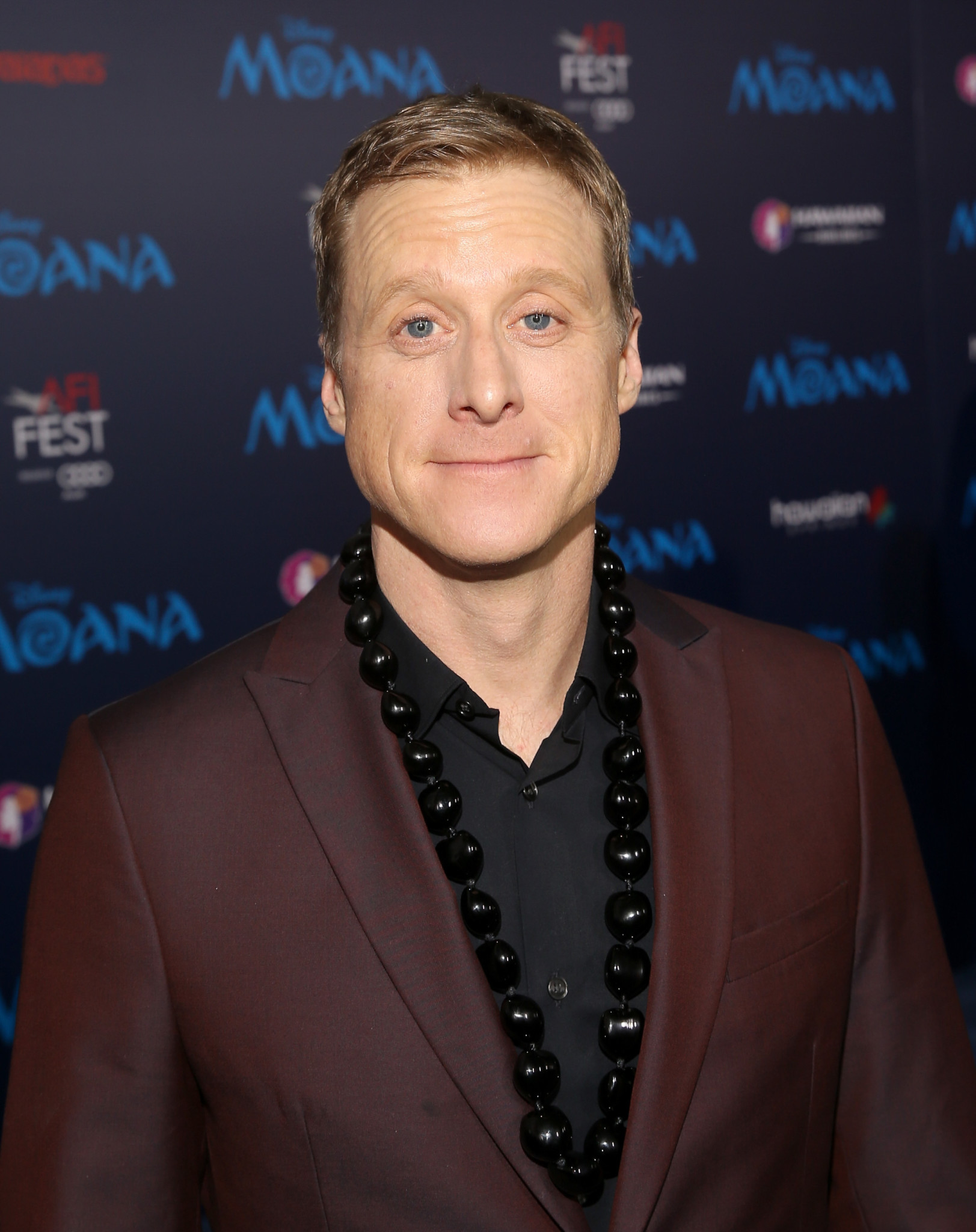
Alan Tudyk is a critically acclaimed American actor and voice artist renowned for his extraordinary range across live-action and animation. Best known for his roles in Firefly, Resident Alien, and numerous Disney films, he has established a legacy as a transformative performer capable of physical comedy, emotional depth, and complex vocal characterization.
The Foundations of a Shape-Shifter: Early Training and Theatre
Long before he became a household name for science fiction fans, Alan Tudyk was a student of the craft in its most rigorous forms. Born in El Paso, Texas, and raised in Plano, Tudyk’s path to professional acting was paved through dedicated study. He attended Lon Morris College before moving on to the prestigious Juilliard School in New York City. Although he left Juilliard before graduating to pursue professional work, the classical training he received there provided the technical foundation for his remarkably controlled physical and vocal performances.
Tudyk’s early career was defined by the stage. His work in Off-Broadway and Broadway productions, including Epic Proportions and later Spamalot, allowed him to sharpen a specific type of comedic timing that relies on both verbal wit and exaggerated, yet precise, body language. This theatrical background is essential to understanding his later success. Unlike many screen actors who rely on subtle minimalism, Tudyk often employs a "maximalist" approach—using his entire body to convey the internal state of a character. This is particularly evident in his ability to play characters who are uncomfortable in their own skin, a trait that would later define his leading role in Resident Alien.
The transition from stage to screen in the late 1990s saw Tudyk taking on a variety of character roles that showcased his versatility. Whether playing a gay German drug addict in 28 Days (2000) alongside Sandra Bullock or the flamboyant pirate Steve the Pirate in Dodgeball: A True Underdog Story (2004), Tudyk proved that no role was too small or too eccentric for his total immersion. These early film roles established him as a "utility player"—an actor who could be dropped into any scenario to provide either comic relief or unexpected pathos.
The Firefly Phenomenon and Cult Classic Status
In 2002, Alan Tudyk was cast in a role that would fundamentally change the trajectory of his career and solidify his status as a beloved figure in genre fiction. Playing Hoban "Wash" Washburne in Joss Whedon’s space-western Firefly, Tudyk brought a sense of levity and "everyman" relatability to a crew of outlaws and rebels. Wash was the pilot of the Serenity, a character defined by his Hawaiian shirts, his toy dinosaurs, and his deep, unwavering devotion to his wife, Zoe (played by Gina Torres).
The brilliance of Tudyk’s performance in Firefly lay in his ability to ground the high-concept sci-fi setting in human emotion. While the show was cancelled after only 14 episodes, its subsequent rise to cult legend status was fueled largely by the chemistry of its cast. Tudyk’s character became the emotional anchor for many fans, making the events of the 2005 follow-up film, Serenity, particularly impactful. His delivery of the line, "I am a leaf on the wind, watch how I soar," has since become one of the most iconic pieces of dialogue in modern science fiction, symbolizing both the grace and the fragility of his character.
The "Firefly effect" created a dedicated fanbase that has followed Tudyk throughout his career. It also demonstrated his capacity for "the banter"—the fast-paced, rhythmic dialogue that has become a staple of modern ensemble storytelling. This experience prepared him for future collaborations with writers and directors who value linguistic dexterity and sharp-edged humor.
Transforming the Voice Acting Industry: The Disney Powerhouse
Perhaps the most unique aspect of Alan Tudyk’s career as of 2026 is his omnipresence in the world of animation. Often referred to as the "Good Luck Charm" of Walt Disney Animation Studios, Tudyk has voiced a character in every major Disney animated feature since Wreck-It Ralph in 2012. His ability to manipulate his vocal cords to create distinct, unrecognizable personas has led to a body of work that rivals the legends of the field.
Tudyk does not simply "do a voice"; he creates a character. In Wreck-It Ralph, his performance as King Candy was a masterclass in homage, channeling the eccentricities of Ed Wynn while adding a sinister, manipulative undercurrent. In Frozen, he played the high-strung Duke of Weselton (often corrected to "Weaseltown"), providing a frantic energy that served as a perfect foil to the regal atmosphere of Arendelle. Conversely, in Moana, he provided the "voice" of Heihei, a brain-dead chicken. While this might seem like a simple task, the comedic timing required for the bird's squawks and screams became one of the film’s most celebrated highlights.
This versatility is further showcased in his work for DC Comics’ animated projects. His portrayal of the Joker in the Harley Quinn animated series offers a version of the Clown Prince of Crime that is simultaneously terrifying and domestic, balancing chaos with the mundane frustrations of being a step-parent. By mastering the nuances of pitch, rasp, and cadence, Tudyk has proven that a voice actor’s primary tool is not just the voice itself, but the psychological understanding of the character behind it.
The Physicality of Motion Capture and Droids
In addition to traditional voice acting, Alan Tudyk has been a pioneer in the field of motion capture (mo-cap) and performance capture. This medium requires an actor to wear a specialized suit that records their movements, which are then mapped onto a digital character. Tudyk’s first major foray into this was in the 2004 film I, Robot, where he played Sonny. He had to perform the role on set with Will Smith, providing the physical and emotional basis for a robot struggling with its own emerging consciousness.
However, his most famous mo-cap role came in 2016 with Rogue One: A Star Wars Story. Playing K-2SO, a reprogrammed Imperial security droid, Tudyk delivered a performance that was widely considered the standout of the film. K-2SO was defined by a dry, cynical wit and a lack of a social filter—traits that Tudyk conveyed through a combination of staccato vocal delivery and a rigid yet expressive physical presence (achieved while walking on stilts to match the droid’s towering height).
Tudyk’s work as K-2SO highlighted a critical evolution in cinema: the blurring of the line between human and digital performance. Because he was physically present on set for the filming, the other actors were able to react to his real-time timing and improvisation. This resulted in a character that felt tangible and emotionally resonant, proving that even a metallic droid could possess a soul if the actor behind the sensors was skilled enough.
Resident Alien: A Masterclass in Physical Comedy
As of 2026, Resident Alien stands as a definitive showcase for everything Alan Tudyk does best. In the series, he plays an extraterrestrial who crashes on Earth and assumes the identity of a small-town doctor, Harry Vanderspeigle. The role is a complex tightrope walk: he must play an alien who is trying to act like a human but doesn't quite understand how human bodies or social conventions work.
This role allows Tudyk to utilize his full arsenal of skills:
- Physical Comedy: The "alien" Harry walks with a slight stiffness, laughs at inappropriate times, and has facial expressions that feel slightly disconnected from human emotion.
- Vocal Range: Tudyk employs a unique, clipped speech pattern for Harry, conveying the character's analytical and often condescending view of humanity.
- Emotional Depth: Despite the comedy, the show deals with themes of loneliness, belonging, and what it means to be human. Tudyk’s ability to transition from a slapstick moment to a poignant reflection on mortality is what has sustained the show’s popularity over multiple seasons.
The success of Resident Alien has transitioned Tudyk from a high-profile supporting actor to a legitimate leading man in the television landscape. It proves that his "quirky" sensibilities can carry a narrative for years, provided the writing matches his level of commitment to the character’s internal logic.
Key Roles and Performance Comparison
The following table highlights the diversity of Alan Tudyk’s most significant roles, demonstrating his range across different mediums and character archetypes.
| Project | Character | Performance Type | Defining Attribute |
|---|---|---|---|
| Firefly | Hoban 'Wash' Washburne | Live Action | Relatable charm and emotional loyalty. |
| Wreck-It Ralph | King Candy | Voice | Theatrical, eccentric villainy. |
| Rogue One | K-2SO | Motion Capture | Sarcastic, deadpan robotic logic. |
| Resident Alien | Harry Vanderspeigle | Live Action | High-concept physical comedy and "fish-out-of-water" nuance. |
| 28 Days | Gerhardt | Live Action | Vulnerable, flamboyant supporting performance. |
| Harley Quinn | The Joker / Clayface | Voice | Duality of suburban normalcy and chaotic villainy. |
| Dodgeball | Steve the Pirate | Live Action | Committed character acting in a pure comedic role. |
The "Working Actor" and the Business of Longevity
Alan Tudyk’s career serves as a blueprint for longevity in the modern entertainment industry. He has avoided the trap of being typecast by diversifying his output across film, television, theatre, and digital media. In 2015, he even co-created, wrote, and starred in his own web series, Con Man, which satirized the world of sci-fi conventions and the lives of actors who are "famous for being famous."
This entrepreneurial spirit, combined with a reputation for being a consummate professional, has made him a staple in Hollywood. Directors frequently return to him because he is a "collaborative actor"—one who brings ideas to the table and can pivot his performance based on the needs of the scene. His presence in a cast is often seen as a mark of quality; audiences have learned that if Alan Tudyk is involved, the project will at least have a compelling, well-executed character at its center.
Furthermore, his involvement in major franchises (Disney, Star Wars, DC, Marvel) has provided him with a level of financial and professional stability that few character actors achieve. He manages to inhabit the space between a "star" and a "specialist," enjoying the benefits of both worlds: the name recognition to lead a show like Resident Alien, and the anonymity to play a dozen different voices in a single year without the public growing tired of his "brand."
Frequently Asked Questions
Is Alan Tudyk still voicing characters for Disney in 2026?
Yes. As of 2026, Alan Tudyk remains a primary collaborator with Disney Animation. His streak of appearing in every major Disney animated feature continues, often in roles that vary significantly from film to film, ranging from major antagonists to comedic sidekicks.
How did Alan Tudyk prepare for the physical role in Resident Alien?
Tudyk utilized his background in clowning and physical theatre to develop the character of Harry. He focused on the idea that an alien wouldn't move their muscles in the same sequence as a human, leading to the disjointed, jerky movements that define the character's attempt to "mimic" human behavior.
Does Alan Tudyk do his own stunts in motion-capture roles?
In roles like K-2SO, Tudyk performs the majority of the movement himself to ensure the character's personality is consistent. For Rogue One, this involved training to walk on high-performance stilts to give the droid its 7-foot-1 stature while still allowing for natural interaction with the rest of the cast.
What is the significance of "I am a leaf on the wind"?
This line was spoken by Tudyk's character, Wash, in the film Serenity. It has become a cultural touchstone for fans of the Firefly franchise, symbolizing the character's philosophy of grace under pressure. It is frequently cited in lists of the most memorable quotes in science fiction history.
Has Alan Tudyk won any major awards for his work?
While often overlooked by the largest mainstream awards bodies, Tudyk has received multiple Annie Awards for his voice acting (including for Wreck-It Ralph) and has been nominated for Critics' Choice Awards and Screen Actors Guild Awards as part of ensemble casts. His work in Resident Alien has also garnered significant praise from genre-specific awards organizations.
How to Follow and Appreciate Tudyk’s Career
To fully appreciate the breadth of Alan Tudyk’s talent, viewers should look beyond his most famous roles and explore his diverse filmography. A recommended starting point is comparing his performance in Firefly with his work in Resident Alien to see the evolution of his comedic timing. For those interested in the technical side of the craft, watching behind-the-scenes footage of his motion-capture work in Rogue One or I, Robot provides a rare glimpse into how an actor translates physical movement into digital life.
As the industry continues to evolve toward 2027 and beyond, Tudyk’s career remains a testament to the power of versatility. Whether he is on screen, behind a microphone, or in a mo-cap suit, his commitment to character-driven storytelling ensures that he will remain one of the most essential and hardworking performers in the business.