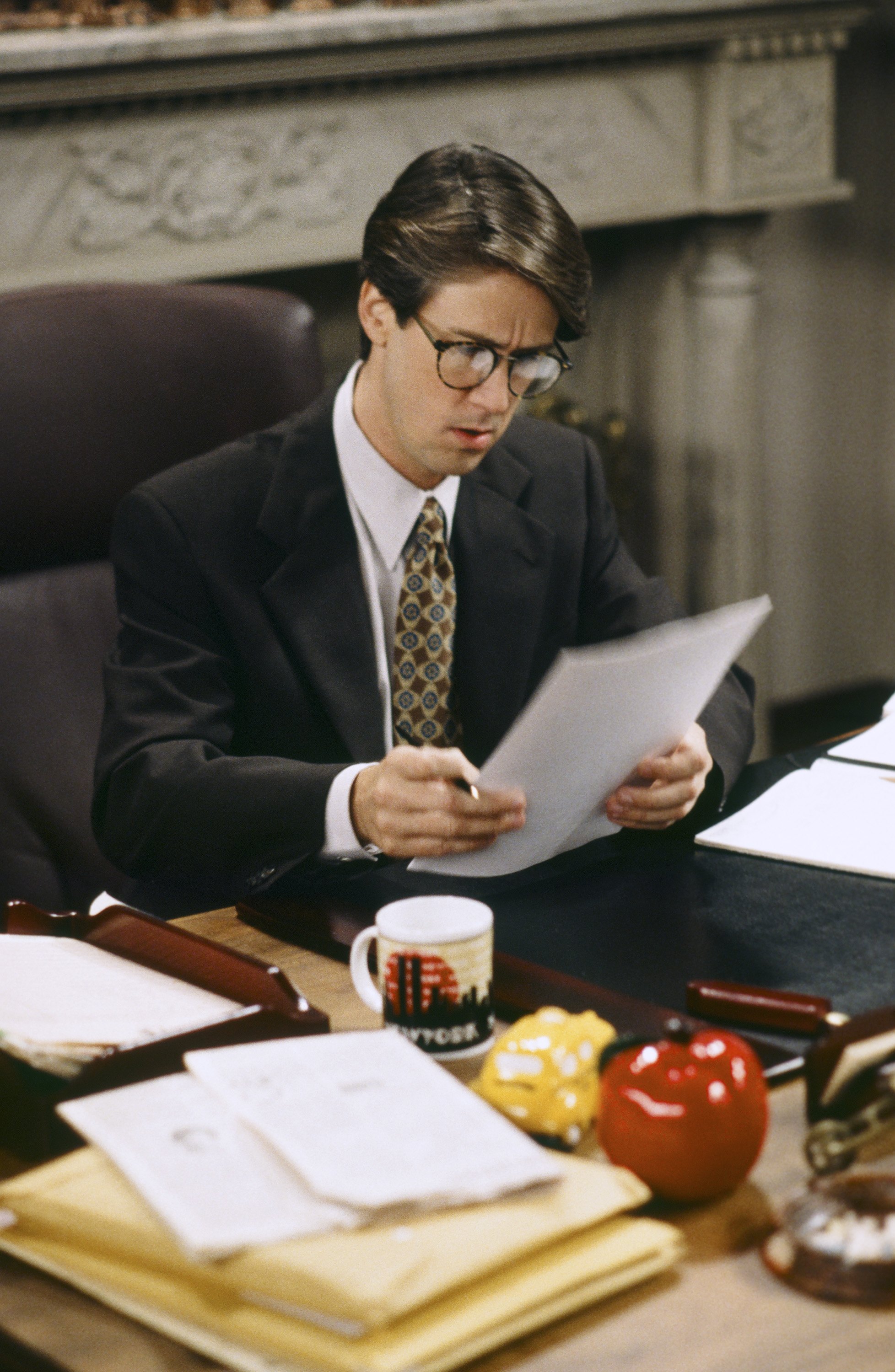
Alan Ruck is a distinguished American actor renowned for his versatile performances across four decades of film, television, and theater. Best known for his iconic portrayal of the neurotic Cameron Frye in the 1986 classic Ferris Bueller's Day Off and his recent Emmy-nominated turn as Connor Roy in HBO’s Succession, Ruck has maintained a prolific career as a premier character actor.
The Formative Years and the Chicago Theater Scene
Alan Ruck’s journey into the performing arts began in the Midwest. Born in Cleveland, Ohio, in 1956, Ruck pursued his education at the University of Illinois at Urbana-Champaign, where he focused on drama. Following graduation, he gravitated toward the burgeoning theater scene in Chicago, a city known for producing gritty, ensemble-driven talent. It was during this period that Ruck developed the foundational skills that would later allow him to pivot seamlessly between high-stakes drama and broad comedy.
In Chicago, Ruck became a fixture at the Wisdom Bridge Theatre and other local venues. A pivotal moment in his early career was his meeting with Matthew Broderick while working on the Broadway production of Neil Simon’s Biloxi Blues. This friendship and professional rapport would eventually lead to one of the most famous pairings in cinema history. Ruck’s theatrical roots are essential to understanding his screen presence; he possesses a "stage-trained" ability to convey deep internal conflict with minimal dialogue, a trait that became a hallmark of his most celebrated roles.
The Ferris Bueller Breakthrough: An Archetypal Performance
While many actors struggle to find a defining role, Alan Ruck secured his early in 1986. At the age of 29, he was cast to play the 17-year-old Cameron Frye in John Hughes’ Ferris Bueller's Day Off. Despite the age gap, Ruck’s performance was entirely convincing, capturing the existential dread and paralyzing anxiety of late adolescence.
Cameron Frye was not merely a sidekick; he served as the emotional core of the film. While Ferris represented the idealized, untouchable rebel, Cameron represented the reality of the human condition—struggling with health, parental expectations, and self-worth. The "Ferrari scene," where Cameron finally confronts his father’s shadow by accidentally destroying a vintage car, remains one of the most analyzed sequences in 1980s cinema. Ruck’s ability to balance physical comedy with genuine pathos ensured that the movie resonated with audiences far beyond its initial release.
Television Dominance: From Spin City to Prestige Drama
Following the success of Ferris Bueller, Ruck successfully transitioned into the world of television, proving his longevity in an industry often prone to typecasting. His next major career milestone came in 1996 with the ABC sitcom Spin City.
The Stuart Bondek Era
In Spin City, Ruck played Stuart Bondek, a cynical, sex-obsessed, and often offensive chief of staff. Working alongside Michael J. Fox (and later Charlie Sheen), Ruck displayed a different side of his comedic range. Stuart was the antithesis of the timid Cameron Frye. He was loud, abrasive, and served as the perfect foil to the more grounded characters in the Mayor’s office. Ruck played the role for all six seasons, cementing his status as a reliable television mainstay.
Guest Roles and Genre Versatility
Throughout the 2000s and early 2010s, Ruck became one of the most recognizable faces on television through guest-starring roles. He appeared in nearly every major procedural and drama of the era, including:
- The West Wing: Playing a subtle role that showcased his ability to handle Sorkin’s rapid-fire dialogue.
- Psych: Displaying his comedic timing in guest appearances.
- Grey’s Anatomy: Delivering a poignant performance in a high-stakes medical environment.
- The Exorcist (TV Series): Playing Henry Rance, where he tackled the horror genre with a grounded, paternal gravity.
Navigating the Blockbuster: Speed, Twister, and Sci-Fi
While television occupied much of his time, Ruck’s film career in the 1990s was marked by appearances in some of the decade’s most successful blockbusters. He specialized in playing the "everyman" caught in extraordinary circumstances, providing a sense of relatability to high-concept action movies.
In 1994, he appeared in Speed as Stephens, a nervous passenger on the booby-trapped bus. His performance added a layer of human stakes to the adrenaline-fueled plot. Two years later, he played Robert "Rabbit" Nurick in the disaster epic Twister (1996). As the team’s navigator, Ruck brought much-needed levity and technical jargon to the ensemble, helping to ground the film’s spectacle in character-driven reality.
Ruck also briefly touched the Star Trek universe in Star Trek Generations (1994). He portrayed Captain John Harriman of the USS Enterprise-B. Though the role was relatively small, his character became a point of debate among fans for being the captain on duty when James T. Kirk was presumed lost. Ruck’s portrayal of a green, somewhat overwhelmed captain was a deliberate and effective choice that contrasted with the legendary status of his predecessors.
The Modern Renaissance: Succession and Critical Acclaim
The most significant chapter of Alan Ruck’s later career began in 2018 when he was cast as Connor Roy in the HBO series Succession. This role introduced Ruck to a new generation of viewers and earned him his first Primetime Emmy Award nomination for Outstanding Supporting Actor in a Drama Series in 2023.
Connor Roy is perhaps Ruck’s most complex creation. As the eldest, half-sibling of the Roy family, Connor is perpetually sidelined from the family’s media empire, Waystar Royco. Ruck plays the character with a heartbreaking mix of delusional grandeur and desperate need for his father’s approval. Whether Connor is running a doomed campaign for President of the United States or obsessing over "hyper-decanting" wine, Ruck imbues him with a humanity that prevents the character from becoming a mere caricature of the ultra-wealthy.
Succession allowed Ruck to utilize his full range—the comedic timing of the Spin City years and the vulnerability of the Ferris Bueller era—to create a character that was both hilarious and deeply tragic. As of 2026, the industry continues to view this performance as a masterclass in supporting character development.
Major Career Highlights and Roles
The following table summarizes the most impactful projects in Alan Ruck’s filmography across different stages of his career.
| Year | Title | Role | Format | Significance |
|---|---|---|---|---|
| 1986 | Ferris Bueller's Day Off | Cameron Frye | Film | Career-defining breakout role. |
| 1989 | Three Fugitives | Detective Tener | Film | Established his presence in buddy comedies. |
| 1994 | Speed | Stephens | Film | Notable role in a major 90s action blockbuster. |
| 1994 | Star Trek Generations | Capt. John Harriman | Film | Entry into a major sci-fi franchise. |
| 1996 | Twister | Robert 'Rabbit' Nurick | Film | Part of one of the highest-grossing films of the 90s. |
| 1996–2002 | Spin City | Stuart Bondek | TV Series | Long-running sitcom role (140+ episodes). |
| 2016 | The Exorcist | Henry Rance | TV Series | Transition into darker, supernatural drama. |
| 2018–2023 | Succession | Connor Roy | TV Series | Critical peak and first Emmy nomination. |
| 2023 | The Burial | Mike Allred | Film | Prestigious legal drama starring alongside Jamie Foxx. |
Career Longevity and the 2026 Status
As we look at Alan Ruck's standing in 2026, his career is characterized by an enviable level of respect within the industry. Unlike many actors who peak early, Ruck has experienced a "late-career bloom" that has seen him move from being a recognizable face to a respected veteran of "Prestige TV."
His work post-Succession has been focused on high-quality independent films and guest arcs in limited series. Ruck’s reputation is built on his reliability; he is often described by directors as a "quiet professional" who arrives on set with a deep understanding of the subtext. His ability to maintain a steady output for over 40 years is a testament to his adaptability. Whether he is playing a high-ranking politician, a nervous bus passenger, or a delusional billionaire, Ruck maintains a core of authenticity that makes his characters memorable.
Frequently Asked Questions
How old was Alan Ruck when he played Cameron in Ferris Bueller?
Alan Ruck was 29 years old when he played the 17-year-old Cameron Frye. His ability to pass for a teenager is often cited as one of the most impressive feats of casting in 80s cinema. Ruck has often joked that he was "the oldest teenager in America" during the mid-80s.
Did Alan Ruck win an Emmy for his role in Succession?
While Alan Ruck did not win the Emmy, he received a long-awaited nomination for Outstanding Supporting Actor in a Drama Series in 2023 for the final season of Succession. The nomination was widely seen as a career-achievement acknowledgment as much as a tribute to his performance as Connor Roy.
What are some of Alan Ruck’s most famous movie roles besides Cameron Frye?
Beyond Ferris Bueller's Day Off, Ruck is best known for his roles in major 90s hits. These include the nervous passenger Stephens in Speed (1994), the enthusiastic storm chaser "Rabbit" in Twister (1996), and Captain John Harriman in Star Trek Generations (1994).
Is Alan Ruck still active in acting as of 2026?
Yes, Alan Ruck remains highly active in the industry. Following the conclusion of Succession, he has continued to take on roles in major streaming films and prestige television. His focus has shifted toward seasoned character roles that capitalize on his veteran status and gift for dry, intellectual comedy.
How did Alan Ruck get his start in acting?
Ruck began his career in the Chicago theater circuit. He gained significant traction after appearing on Broadway in Biloxi Blues alongside Matthew Broderick. This professional relationship was instrumental in him being considered for the role of Cameron Frye in Ferris Bueller's Day Off.
Exploring the Alan Ruck Filmography
For those looking to understand the breadth of Ruck's talent, a chronological viewing of his work is highly recommended. Start with Ferris Bueller's Day Off to see his youthful vulnerability, then move to Spin City for his mastery of the multi-camera sitcom format. Finally, conclude with Succession to witness his evolution into one of the most nuanced dramatic actors working today. For fans of genre cinema, his supporting turns in Speed and Twister offer a perfect look at how a skilled actor can elevate a standard supporting role into something memorable and human.