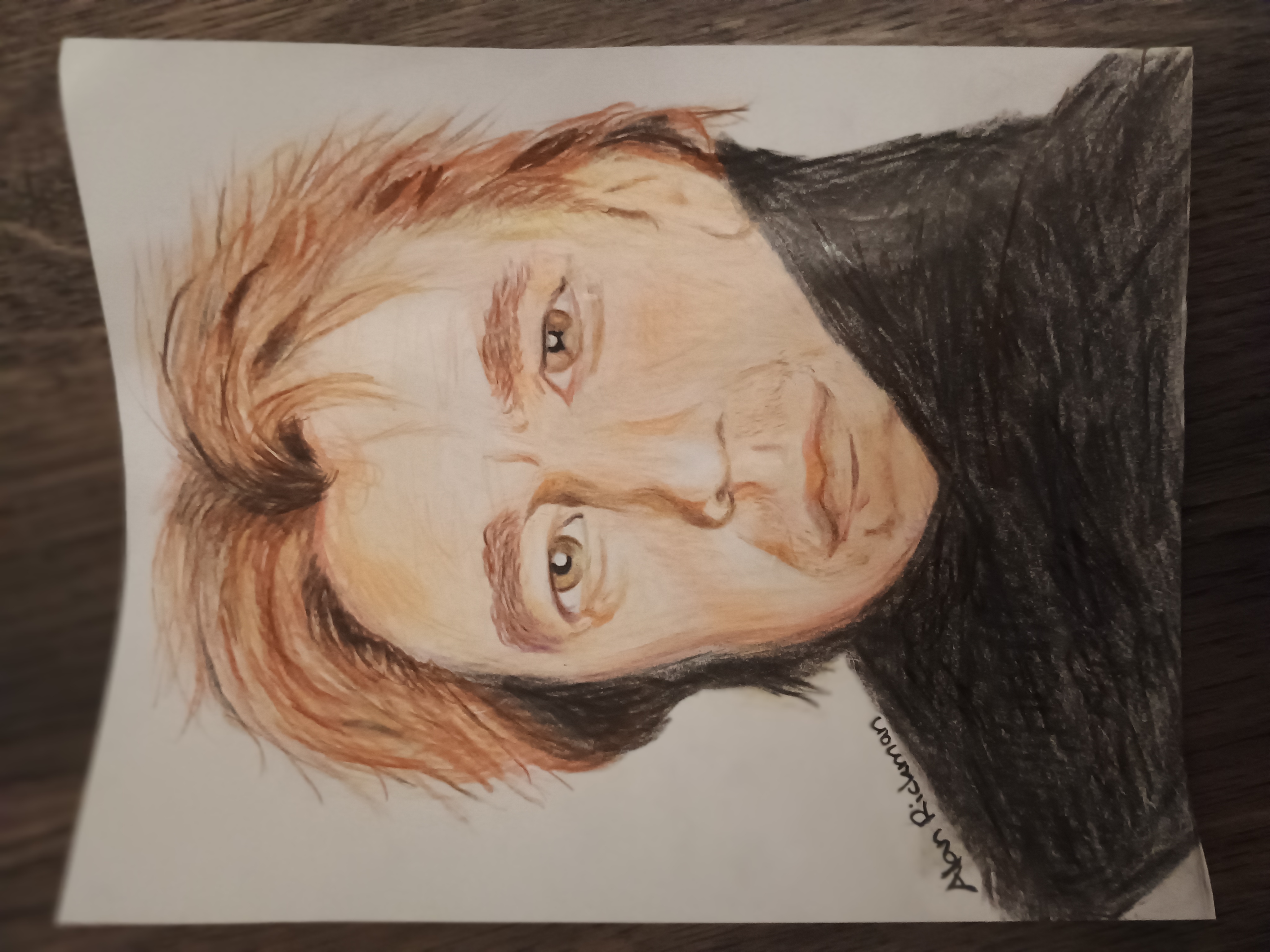
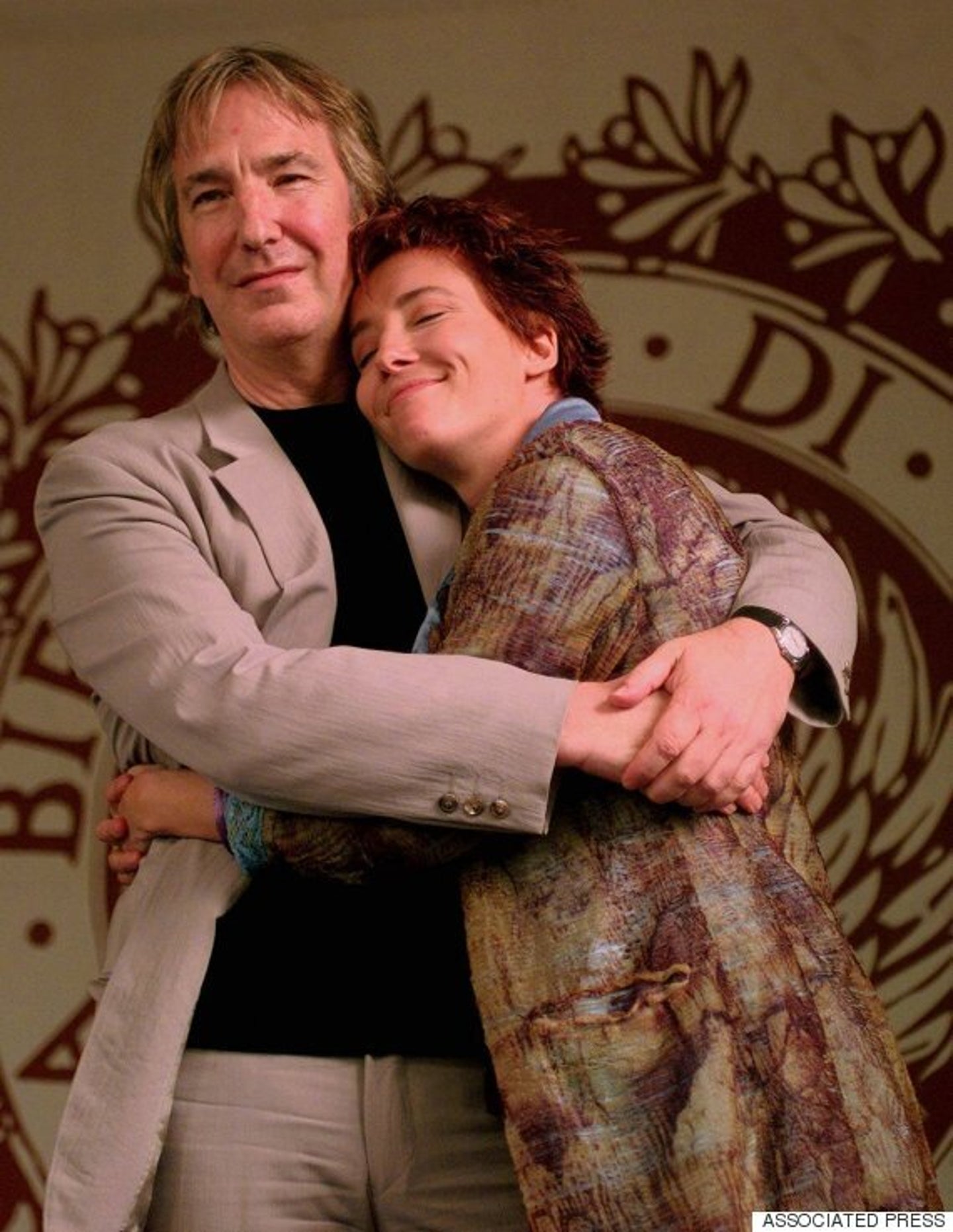
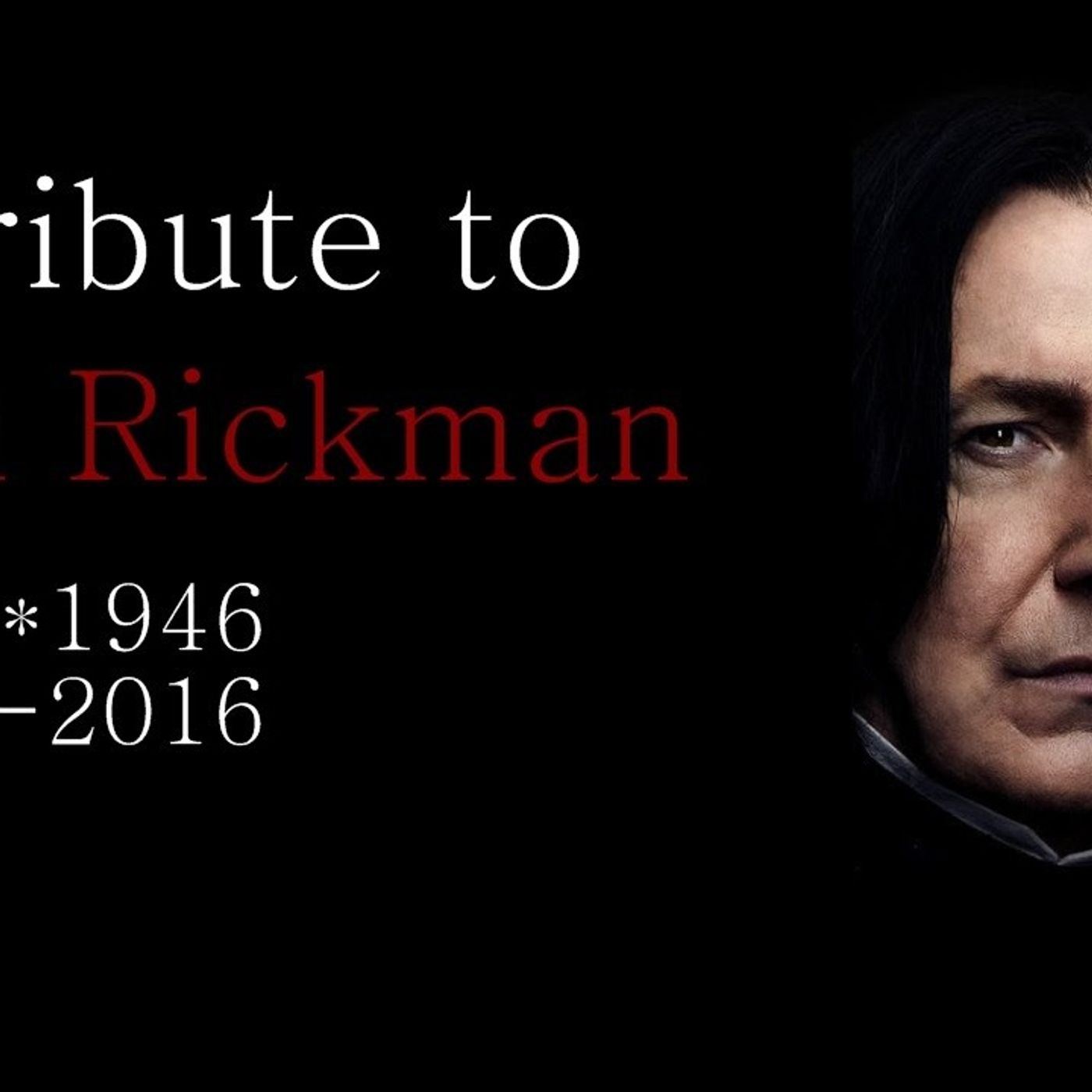
Alan Rickman was a preeminent British actor and director whose four-decade career redefined the "villain" archetype and brought profound emotional depth to classical and contemporary roles. Renowned for his distinctive resonance and precise delivery, he remains a cultural icon globally, most notably for his portrayals of Hans Gruber and Severus Snape.
As we look back in 2026, a full decade after his passing in January 2016, Alan Rickman’s influence on the craft of acting and his philanthropic legacy continue to resonate within the industry. This tribute explores the multifaceted life of a man who was as much a graphic designer and a dedicated mentor as he was a titan of the stage and cinema.
The Early Years: From Graphic Design to RADA
Alan Sidney Patrick Rickman was born on February 21, 1946, in Acton, London, into a working-class family. His early life was marked by the loss of his father when he was just eight years old, a circumstance that necessitated a resilient and hardworking nature. While he displayed a natural talent for calligraphy and watercolor painting, acting was not his first professional pursuit.
Rickman attended the Chelsea College of Art and Design and later the Royal College of Art. Following his graduation, he opened a graphic design studio called Graphiti with several friends. For several years, he successfully navigated the world of commercial design, yet the allure of the theater remained a persistent calling. At the age of 26, Rickman wrote to the Royal Academy of Dramatic Art (RADA) requesting an audition. He was subsequently awarded a place, which he attended from 1972 to 1974, winning several prestigious prizes during his tenure.
This late start in professional acting provided Rickman with a maturity and a worldliness that many of his peers lacked. He spent much of the late 1970s and early 1980s working with the Royal Shakespeare Company (RSC) and in various repertory theaters, honing a technique that prioritized internal stillness and vocal precision.
The Breakthrough: Valmont and the Birth of Hans Gruber
While Rickman was a respected figure in British theater, international stardom arrived relatively late. His "big break" on the stage came in 1985 as the manipulative Vicomte de Valmont in the RSC’s production of Les Liaisons Dangereuses. His performance was described as "a cat that had swallowed the cream," blending menace with an irresistible, languid charm. When the production moved to Broadway in 1987, Rickman earned a Tony Award nomination, catching the eye of Hollywood producers.
His cinematic debut is the stuff of Hollywood legend. At age 41, he was cast as the sophisticated terrorist Hans Gruber in the 1988 action masterpiece Die Hard. Rickman’s portrayal fundamentally changed the action genre; he eschewed the "thug" stereotype in favor of a cultured, well-dressed, and highly intelligent antagonist. This role established the "Rickman Villain"—a character who was often the most articulate and compelling person in the room.
Despite the immediate demand for him to play more villains, Rickman resisted typecasting. He followed Die Hard with a series of diverse roles that showcased his range, including the romantic and ghostly Jamie in Anthony Minghella's Truly, Madly, Deeply (1990) and the brooding, honorable Colonel Brandon in Emma Thompson’s adaptation of Sense and Sensibility (1995).
Severus Snape and the Global Harry Potter Phenomenon
In 2001, Rickman took on the role that would introduce him to a new generation of fans: Severus Snape in Harry Potter and the Sorcerer’s Stone. Over the course of eight films spanning a decade, Rickman’s portrayal of the Potions Master became one of the most celebrated performances in modern cinema.
Rickman was famously one of the few people to know Snape’s ultimate fate before the final books were even written. J.K. Rowling shared the secret of Snape’s unrequited love for Lily Potter to help him understand the character’s complex motivations. This knowledge allowed Rickman to infuse his early performances with subtle nuances that only became clear to the audience years later. His delivery of the word "Always" remains one of the most poignant moments in the franchise, cementing his status as a master of the "slow burn" performance.
A Legacy of Directing and Mentorship
Beyond his work in front of the camera, Rickman was a passionate director and a staunch supporter of the arts. He directed the critically acclaimed film The Winter Guest (1997), starring Emma Thompson and her mother, Phyllida Law, and later A Little Chaos (2014), featuring Kate Winslet. His directorial style was noted for its patience and its deep empathy for the actors' process.
Rickman’s commitment to the Royal Academy of Dramatic Art never wavered. He served as its Vice-Chairman and was a mentor to countless young actors. He was known for his quiet generosity, often paying the tuition of struggling students or attending fringe theater productions to support emerging talent. In 2022, the publication of Madly, Deeply: The Diaries of Alan Rickman offered an intimate look at his professional rigor and his unwavering dedication to his craft, even during his private battle with illness.
Significant Roles and Career Milestones
The following table highlights the breadth of Rickman’s career, illustrating his transition from theater to global cinematic icon.
| Year | Title | Role | Key Award / Recognition |
|---|---|---|---|
| 1985 | Les Liaisons Dangereuses | Vicomte de Valmont | Tony Award Nomination (1987) |
| 1988 | Die Hard | Hans Gruber | AFI’s 100 Years... 100 Heroes & Villains |
| 1991 | Robin Hood: Prince of Thieves | Sheriff of Nottingham | BAFTA Award for Best Supporting Actor |
| 1995 | Sense and Sensibility | Colonel Brandon | BAFTA Nomination |
| 1996 | Rasputin: Dark Servant of Destiny | Grigori Rasputin | Emmy, Golden Globe, and SAG Award |
| 1999 | Galaxy Quest | Alexander Dane | Cult Classic Status |
| 2001–2011 | Harry Potter Series | Severus Snape | Multiple People’s Choice Awards |
| 2003 | Love Actually | Harry | Iconic Ensemble Performance |
The Art of the Voice: A Technical Perspective
Linguists and fans alike have long been fascinated by Alan Rickman’s voice. In a 2008 study by linguistics experts, his voice was identified as a key component of the "perfect" human voice, characterized by its deep pitch, slow tempo, and impeccable enunciation. This was not merely a natural gift but a tool he used with surgical precision.
Rickman’s ability to use silence was just as impactful as his speech. He was a master of the "pregnant pause," forcing the audience—and his fellow actors—to hang on his every syllable. This technical mastery allowed him to command a scene without ever having to raise his voice, a rare feat in an industry that often favors volume over nuance.
Rickman’s Impact 10 Years On: 2016–2026
Standing in 2026, it is clear that Alan Rickman’s passing on January 14, 2016, did not diminish his presence in the cultural zeitgeist. His films remain staples of streaming platforms, and his acting techniques are taught in drama schools worldwide. The release of his diaries provided a "posthumous masterclass" in the reality of an actor's life, stripping away the glamour to reveal the hard work and intellectual curiosity that defined him.
The Alan Rickman Foundation, established to support the performing arts, continues to provide scholarships and funding for underrepresented voices in the theater. This ensures that his belief in the transformative power of the arts lives on through new generations of performers.
Frequently Asked Questions
What was Alan Rickman's final film role?
Alan Rickman’s final onscreen appearance was in the thriller Eye in the Sky (2015), where he played Lieutenant General Frank Benson. However, his final cinematic contribution was providing the voice for Absolem the Caterpillar in Alice Through the Looking Glass, which was released posthumously in 2016. Both roles showcased his ability to convey authority and wisdom through his distinctive voice.
Did Alan Rickman ever win an Oscar?
Despite his immense talent and numerous accolades, Alan Rickman never won an Academy Award, nor was he ever nominated. This is often cited as one of the most significant oversights by the Academy. However, he won a BAFTA, an Emmy, a Golden Globe, and a Screen Actors Guild Award for various other performances, proving his critical acclaim across the industry.
Why was Alan Rickman chosen for the role of Severus Snape?
J.K. Rowling personally envisioned Alan Rickman for the role of Snape. His ability to project an aura of mystery and suppressed emotion was perfect for the character. Rowling famously said that she could hear Rickman’s voice in her head while writing the later books. His casting is considered one of the most successful "author-endorsed" casting decisions in film history.
Who was Alan Rickman married to?
Alan Rickman was in a relationship with Rima Horton, an economics lecturer and politician, from 1965 until his death in 2016. Although they lived together for decades, they only married in a private ceremony in New York City in 2012. Their relationship was known for its privacy and stability, a rarity in the entertainment world.
What was the cause of Alan Rickman's death?
Alan Rickman died at the age of 69 from pancreatic cancer. He had suffered a minor stroke in August 2015, which led to the diagnosis. Rickman chose to keep his illness private, sharing the news only with his closest friends and family, which is why his passing came as a shock to the general public and his global fanbase.
Honoring the Legacy: Next Steps for Fans and Students
To truly appreciate the breadth of Alan Rickman’s contribution to the arts, one should look beyond his blockbuster roles. Watching his directorial debut, The Winter Guest, provides insight into his visual storytelling, while listening to his readings of poetry—particularly his rendition of "The Song of Wandering Aengus"—reveals the musicality of his voice.
For those interested in the craft of acting, reading his published diaries, Madly, Deeply, is an essential next step. It offers a candid look at the discipline required to maintain a high-level career. In 2026, as we continue to celebrate his life, the best tribute one can pay is to engage with his work with the same intelligence and passion that he brought to every performance.