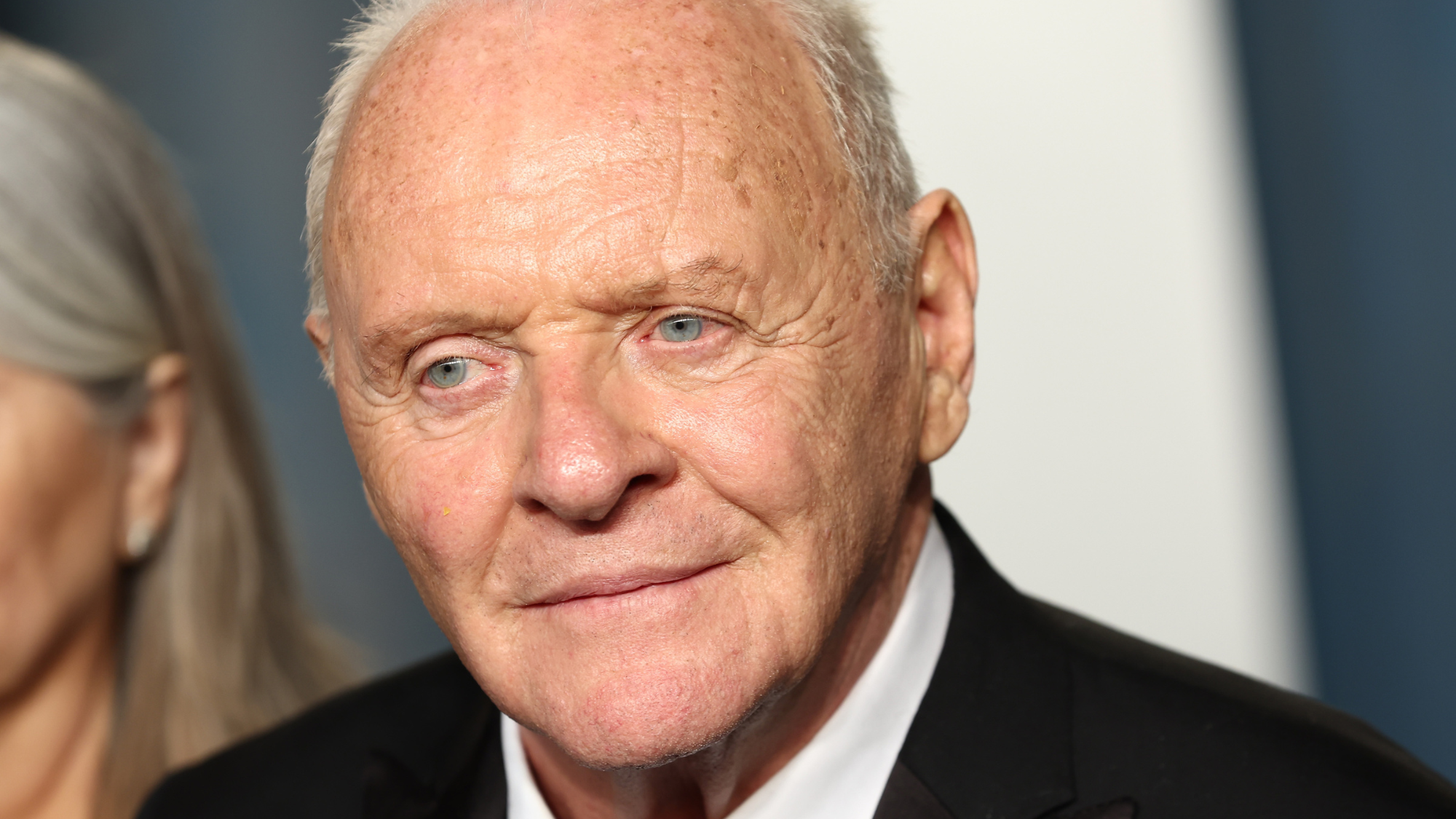
Alan Hopkins has an estimated net worth of approximately $85 million to $110 million as of 2026. This valuation is a reflection of his multi-decade career in high-end real estate development, strategic corporate leadership, and a diversified portfolio of private equity investments, primarily concentrated in the Australian property sector and urban renewal projects.
The Pillars of Alan Hopkins' Financial Portfolio
To understand how much Alan Hopkins is really worth, one must look beyond a single salary or bank balance. Net worth for a figure of his stature is the sum of various asset classes, minus liabilities. For Hopkins, the primary driver has been his long-standing involvement in property development, specifically within the niche of large-scale residential and mixed-use precincts.
As a high-profile executive and developer, Hopkins has been instrumental in projects with a total Gross Realization Value (GRV) exceeding several hundred million dollars. While the total value of a project does not equate to personal wealth, the equity stakes, performance bonuses, and management fees derived from these ventures form the bedrock of his financial standing. In 2026, his wealth remains anchored in "hard assets"—land and buildings that tend to appreciate over time, providing a hedge against the inflationary pressures seen in the mid-2020s.
Furthermore, his wealth is bolstered by strategic consultancy roles and directorships. Senior executives in the Australian property development sector often command base salaries in the high six figures, complemented by short-term incentives (STI) and long-term incentives (LTI) that can double or triple their annual take-home pay during peak development cycles.
The Role of Real Estate Development in Asset Accumulation
The core of the Alan Hopkins wealth story is his association with transformative urban projects. In the realm of Australian real estate, names like Property Solutions are frequently linked to his career trajectory. These organizations specialize in taking underutilized urban land and converting it into high-yield commercial or residential hubs.
Urban Renewal and Value Creation
Wealth in development is created through the "uplift" in land value. When a developer identifies a site, secures rezoning, and gains development approval (DA), the value of that land increases significantly before a single brick is laid. Hopkins’ expertise in navigating these regulatory and architectural complexities has allowed him to capture this value early in the project lifecycle.
Joint Ventures and Equity
Many of the projects Hopkins has overseen involve joint ventures (JVs) with institutional investors or private equity firms. In these arrangements, the lead developer often retains a "carried interest" or a significant equity slice. As these projects reach completion and settlement—many of which have come to fruition between 2022 and 2026—the liquidity events contribute substantially to his personal net worth.
Strategic Leadership and Executive Compensation
Alan Hopkins is not merely a developer; he is a corporate strategist. His tenure in leadership roles provides a steady stream of high-level income that supports his investment activities. In the Australian corporate landscape, executive remuneration is a matter of public record for listed entities, though much of Hopkins’ work has been within the private sector.
For a CEO or Managing Director in a top-tier development firm, the compensation package typically includes:
- Base Salary: Usually ranging from $450,000 to $750,000 AUD.
- Performance Bonuses: Tied to project milestones, such as reaching pre-sales targets or completing a build under budget.
- Equity Participation: Granting the executive a percentage of the profits from specific developments.
By reinvesting these earnings into his own projects or other diversified financial instruments, Hopkins has followed the classic "compounding interest" model of wealth building. His ability to maintain a high-level career over several decades means that his "human capital" has been consistently converted into "financial capital."
Analyzing the Net Worth: A 2026 Financial Breakdown
Quantifying the wealth of a private individual requires an analysis of known holdings and industry benchmarks. While the exact figures are kept private, financial analysts often use a tiered approach to estimate the wealth of property magnates.
| Asset Category | Estimated Value (2026) | Primary Source |
|---|---|---|
| Real Estate Equity | $45M - $60M | Direct ownership and stakes in mixed-use developments. |
| Private Equity & Stocks | $20M - $25M | Diversified portfolio across tech and infrastructure. |
| Liquid Assets & Cash | $10M - $15M | Retained earnings from project completions. |
| Personal Holdings | $10M | Luxury residential properties and lifestyle assets. |
| Total Estimated Net Worth | $85M - $110M | Aggregate of diversified holdings. |
This table illustrates that the majority of his wealth is illiquid, tied up in the very projects that define his professional reputation. In 2026, the valuation of his real estate equity is particularly sensitive to cap rates (capitalization rates) and the prevailing interest rate environment in the Australian market.
Market Factors Influencing Valuation in 2026
The year 2026 presents a unique economic environment for wealth valuation. After the volatility of the early 2020s, the property market has entered a phase of "stabilized growth." For Alan Hopkins, several external factors determine whether his net worth sits at the lower or higher end of the estimated range.
Interest Rates and Yields
As a developer, the cost of capital is the single most important variable. With interest rates reaching a plateau in 2025-2026, the valuation of commercial assets has stabilized. Lower interest rates generally lead to higher property valuations, which in turn inflates the net worth of those holding significant real estate equity.
The Shift to Sustainability
In 2026, the "green premium" is a reality. Projects that Hopkins has spearheaded with high ESG (Environmental, Social, and Governance) ratings command higher rents and lower vacancy rates. His foresight in integrating sustainable practices into urban renewal has protected his portfolio from "brown discounting"—the loss of value in buildings that do not meet modern energy standards.
Geographic Concentration
Much of Hopkins’ influence is centered in the Queensland market, particularly Brisbane and the Gold Coast. With the lead-up to the 2032 Brisbane Olympics gaining momentum in 2026, infrastructure spending in these regions has driven land prices to record highs, significantly benefiting developers with established footprints in the area.
The Evolution of the Hopkins Business Strategy
Alan Hopkins' wealth is also a product of his adaptability. He has transitioned from traditional construction management into sophisticated investment and development management. This shift is crucial because it moves the individual from a "fee-for-service" model to an "ownership" model.
Earlier in his career, the focus was likely on project delivery—ensuring buildings were completed on time and within budget. In the current 2026 context, his strategy is focused on asset lifecycle management. This involves not just building the asset, but retaining an interest in the management and the recurring revenue streams it generates. This transition from "lumpy" development profits to "smooth" recurring income is a hallmark of the ultra-high-net-worth individual.
Furthermore, Hopkins has been known to mentor the next generation of developers. While this is often a philanthropic or legacy-building move, it also provides access to "deal flow." By being a "silent partner" or an advisor to younger firms, he can take small equity positions in a wide variety of projects, further diversifying his risk and increasing his net worth without the burden of day-to-day operations.
Frequently Asked Questions
What is the primary source of Alan Hopkins' wealth?
The primary source of Alan Hopkins' wealth is commercial and residential real estate development. By leading large-scale urban renewal projects, he has earned substantial income through developer margins, equity stakes, and executive compensation packages.
Is Alan Hopkins' net worth publicly verified?
No, as a private individual not currently leading a publicly traded (ASX-listed) company, his exact net worth is not a matter of public record. The figure of $85M - $110M is an estimate based on project values, industry standards for executive pay, and the known scale of his property holdings.
How has the 2026 economy affected his valuation?
The 2026 economy has been characterized by a stabilization of interest rates and a focus on sustainable infrastructure. This has benefited Hopkins by increasing the value of his high-ESG-rated property assets and providing a more predictable environment for project financing.
Does Alan Hopkins have investments outside of real estate?
Yes, it is common for individuals at this level of wealth to diversify into private equity, venture capital, and the stock market. These investments act as a buffer against property market downturns and provide liquidity that real estate cannot offer.
What are some of the most notable projects associated with him?
While specific portfolios change, Hopkins is most often associated with high-profile urban renewal projects in Queensland, particularly those that transform former industrial sites into modern residential and retail precincts. Examples include major developments in areas like Fortitude Valley and Brisbane's inner suburbs.
Navigating Wealth Data and Real Estate Trends
For those looking to track the financial trajectory of figures like Alan Hopkins, it is essential to monitor the Property Council of Australia reports and regional development news. Wealth in the property sector is rarely static; it fluctuates with the "cycle" of the market.
As we move through 2026, the key indicator for Hopkins' future net worth will be his ability to exit current projects at peak valuation while identifying new "undervalued" sites for the next decade of growth. For investors and observers, his career provides a masterclass in how to convert professional expertise in a specific sector—real estate—into a significant and lasting personal fortune.
If you are researching net worth for investment benchmarking, remember that these figures represent a snapshot in time. The most important lesson from the Alan Hopkins profile is the value of asset diversification and the strategic importance of holding equity in the products you create.