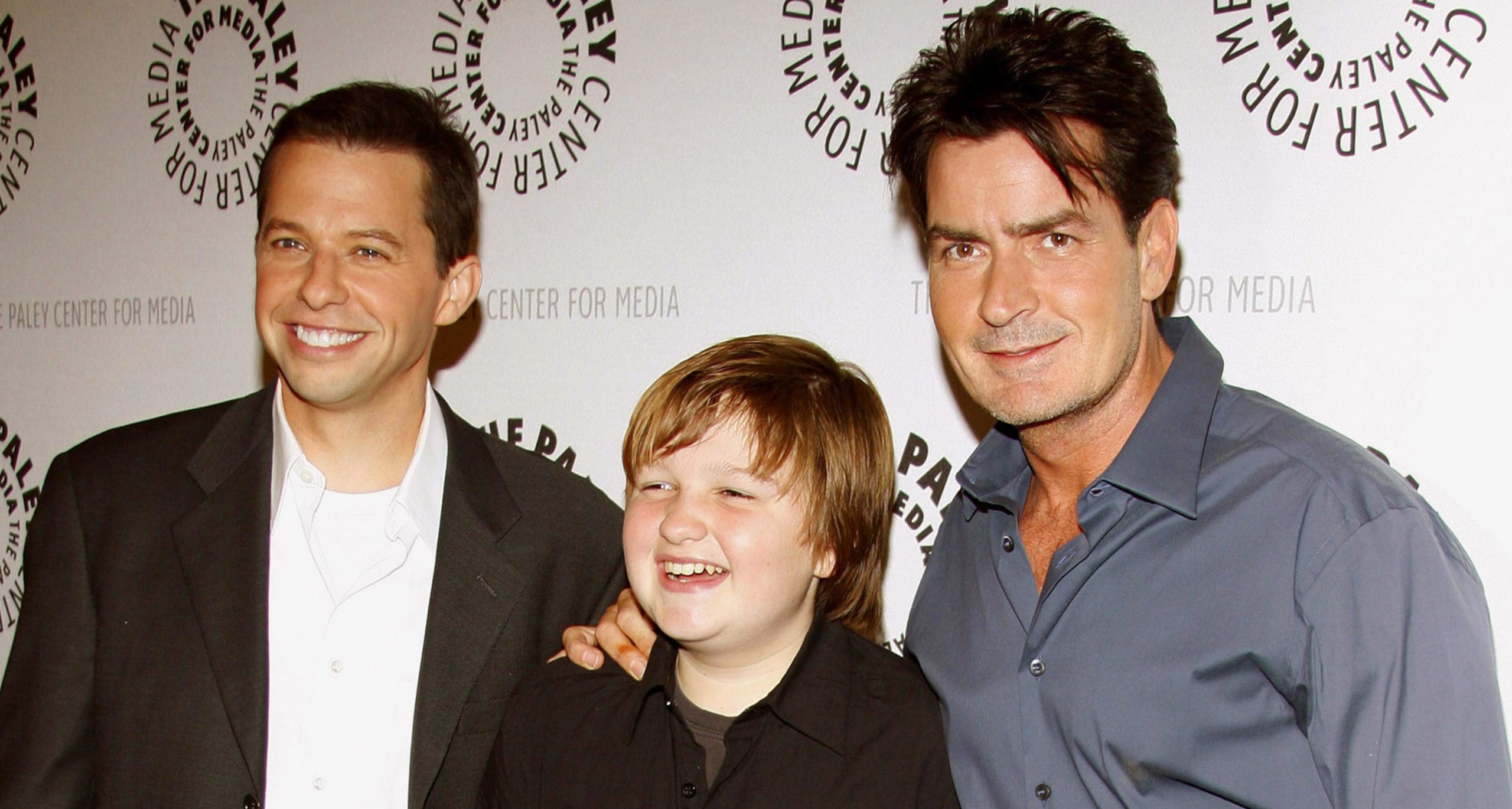
Throughout the twelve-season run of the sitcom Two and a Half Men, the character of Alan Harper, portrayed by Jon Cryer, became a definitive study in romantic failure and persistence. His relationships are characterized by a recurring cycle of insecurity, financial desperation, and self-sabotage, often serving as the primary driver for the show’s comedic tension and narrative progression.
The Foundation of Failure: Judith Harper and the Alimony Trap
The narrative of Alan Harper begins not with a beginning, but with an ending. His marriage to Judith Harper (Marin Hinkle) is the catalyst for the entire series. Their relationship, which lasted several years before the pilot episode, resulted in their son, Jake. However, the true legacy of this union was the crushing financial and emotional burden it placed on Alan for the subsequent decade.
Judith represented the primary antagonist in Alan’s romantic life. Their relationship post-divorce was defined by Alan’s obligation to pay heavy alimony while Judith lived in their former family home. This dynamic established the "poor Alan" trope, where his cheapness—often a necessity rather than a choice—became a repulsive trait to future partners. The complexity of their relationship was further highlighted by Judith's brief remarriage to Dr. Herb Melnick. While this offered Alan a momentary reprieve from alimony, the eventual failure of that marriage pulled Alan right back into his financial purgatory.
Psychologically, Judith served as the blueprint for Alan’s submissive nature. In many of his later flings, he sought out women who, like Judith, exerted a high degree of control over him. This "mother-child" dynamic was a recurring theme, illustrating Alan's inability to establish a partnership based on mutual respect and equality.
The Whirlwind Romance: Kandi and the Vegas Marriage
One of the most significant departures from Alan’s usual "unlucky" streak was his relationship with Kandi (April Bowlby). Originally one of Charlie’s casual dates, Kandi was a young, naive, and incredibly beautiful woman who found herself drawn to Alan’s sensitive, albeit neurotic, nature. Their relationship moved at a breakneck pace, culminating in a spontaneous Las Vegas wedding at the end of the third season.
The marriage to Kandi was a pivotal moment because it momentarily elevated Alan to a status he had always envied in his brother, Charlie. However, the relationship was doomed by a fundamental lack of commonality. Kandi’s youth and burgeoning acting career eventually clashed with Alan’s desire for a stable, domestic life. When Kandi landed a role on a television pilot, the power dynamic shifted.
The divorce from Kandi was particularly stinging for Alan. Despite the marriage being brief, it resulted in further financial strain and left him back in Charlie’s beach house, more cynical than before. This relationship highlighted Alan's "rebound" tendency—latching onto anyone who showed him affection without considering long-term compatibility.
The Long-Term Rollercoaster: Lyndsey McElroy
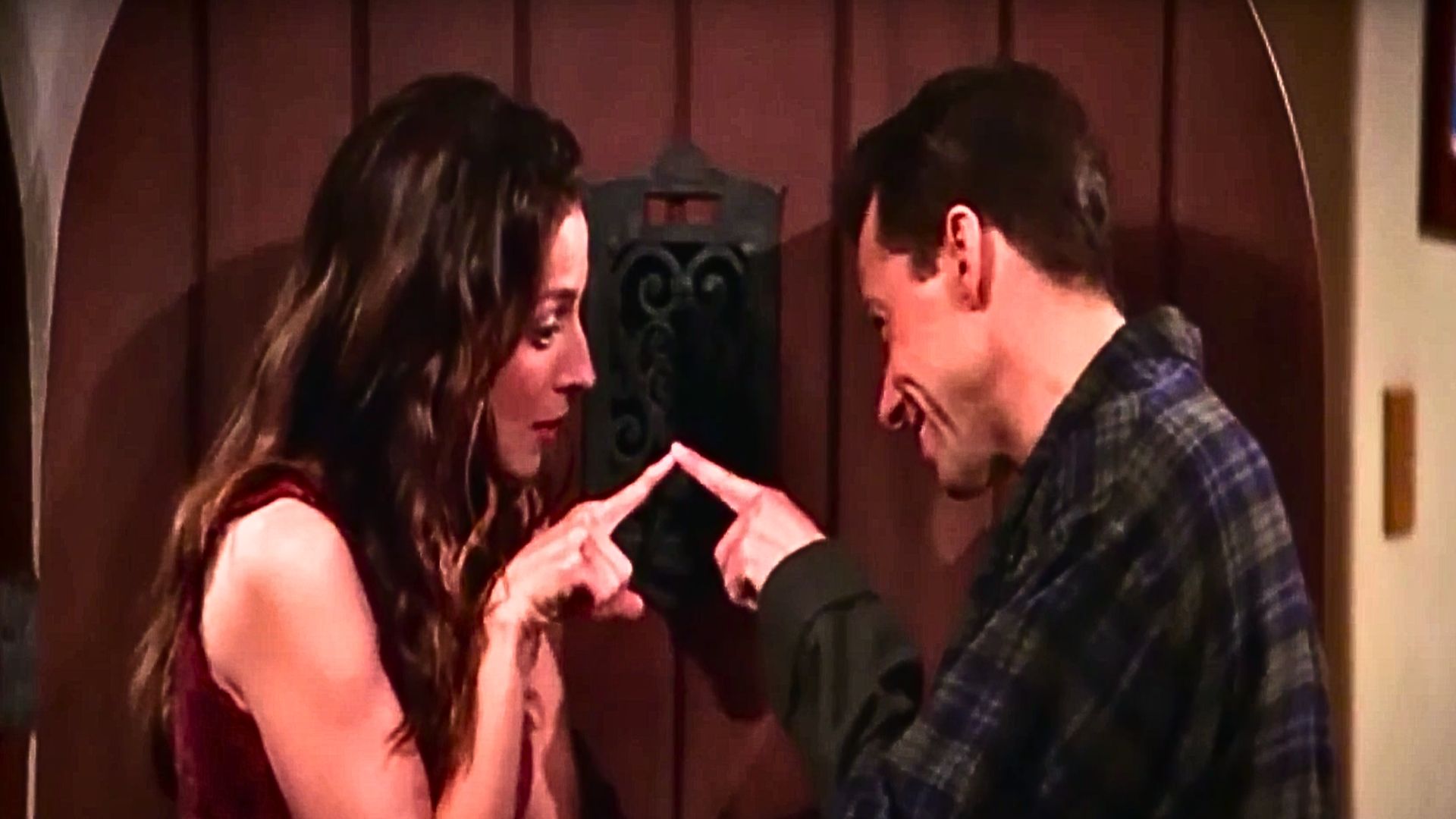
By far the most enduring and toxic relationship in Alan’s life was with Lyndsey McElroy (Courtney Thorne-Smith). Introduced in the seventh season, Lyndsey was the mother of Jake’s best friend, Eldridge. Their relationship spanned several years and multiple breakups, representing Alan's most significant attempt at a "normal" family life post-Judith.
The Lyndsey years were defined by a series of dramatic highs and lows. Both characters were deeply flawed; Lyndsey struggled with alcoholism and a penchant for infidelity, while Alan’s pathological cheapness and dishonesty often drove her away. Their relationship survived house fires, moving in together, and even Alan’s transition from living with Charlie to living with Walden Schmidt.
What made the Lyndsey relationship unique was the mutual realization that they might be "settling." They often returned to one another not out of profound love, but out of a shared fear of being alone. This cycle of breaking up and reconciling provided a realistic, albeit dark, look at how some long-term relationships persist through sheer inertia rather than genuine health.
The Walden Schmidt Era: A Platonic "Marriage" of Convenience
Following the death of Charlie Harper, Alan’s living situation and relationship status took an unconventional turn with the arrival of Walden Schmidt (Ashton Kutcher). While Alan continued to pursue women, his most stable "partnership" in the final seasons was his platonic co-dependency with Walden.
This peaked in the final season when Alan and Walden actually got married. The union was not romantic; it was a legal maneuver to allow Walden to adopt a child. However, it served as a meta-commentary on Alan’s entire history. He had finally found a "spouse" who could provide the financial security and emotional stability he had lacked his entire adult life.
The Walden-Alan dynamic subverted the traditional sitcom relationship. It proved that Alan’s primary need wasn't necessarily romantic love, but a sense of belonging and a safety net. For the duration of their "marriage," Alan experienced a level of comfort that his previous wives and girlfriends could never provide, primarily because Walden had the resources to tolerate Alan’s eccentricities.
Comparing the Major Romances of Alan Harper
To understand the trajectory of Alan's love life, it is helpful to look at the defining characteristics of his most prominent partners.
| Partner | Duration | Status | Primary Conflict |
|---|---|---|---|
| Judith Harper | Pre-Series – Season 4 | Ex-Wife | Financial alimony and psychological dominance. |
| Kandi | Season 3 – Season 4 | Ex-Wife | Age gap and lack of intellectual compatibility. |
| Melissa | Season 6 – Season 7 | Ex-Girlfriend | Workplace ethics and Alan's inability to commit to a home. |
| Lyndsey McElroy | Season 7 – Season 12 | On-and-Off | Mutual infidelity, alcoholism, and financial dishonesty. |
| Gretchen Sperlock | Season 11 | Ex-Girlfriend | Alan’s lie about his identity (Jeff Strongman). |
| Walden Schmidt | Season 12 | Platonic Ex-Husband | Legal necessity for adoption; general co-dependency. |
Notable Misadventures: Melissa, Gretchen, and Others
Beyond the long-term partners, Alan had several flings that exposed specific character flaws. His relationship with his receptionist, Melissa (Kelly Stables), showed his tendency to date within his professional circle to avoid the effort of meeting new people. This relationship ended poorly twice, notably because Alan could not provide a home for her, leading them to hide out in Charlie’s guest room.
Gretchen Sperlock (Kimberly Williams-Paisley) represented perhaps the biggest "what if" in Alan's life. Gretchen was the sister of Larry, the man Lyndsey was engaged to. To date her, Alan created an entirely fake persona—Jeff Strongman. This relationship was built on a foundation of lies, proving that Alan felt his true self was inherently unlovable. When the truth inevitably came out, it shattered what could have been his most functional relationship.
Other brief encounters included Bev, an older woman with a penchant for dominance, and Paula, a transgender woman with whom Alan shared a genuine connection until his own insecurities about gender roles sabotaged the pairing. Each of these women acted as a mirror, reflecting Alan’s desperation for validation.
Psychological Patterns in Alan's Dating Life
Alan Harper’s romantic history is a textbook example of several psychological phenomena. Understanding these patterns explains why a seemingly intelligent, professional chiropractor could fail so consistently in love.
- The Scarcity Mindset: Because Alan lived in the shadow of his wealthy, charismatic brother, he approached dating with a scarcity mindset. He often stayed in bad relationships far longer than necessary because he believed he wouldn't find anyone else.
- Self-Sabotage: Just when a relationship seemed to be going well (as with Melissa or Gretchen), Alan would perform an act of profound stupidity or dishonesty. This likely stemmed from a deep-seated belief that he did not deserve happiness.
- Financial Displacement: Alan used his lack of funds as both a shield and a weapon. He used it to garner sympathy from women, but it also became the very thing that repelled them. His inability to pay for a dinner or provide a home was a constant point of contention.
- The "Parasitic" Tendency: Alan’s relationships were rarely about what he could give, but what he could get. Whether it was a place to stay, a meal, or emotional validation, his partners often felt drained by his constant needs.
Frequently Asked Questions
Why did Alan and Judith get a divorce?
The divorce was primarily driven by Judith’s realization that she was no longer happy in the marriage and her desire to "find herself." While Alan was faithful and a provider, the spark had died, and Judith’s personality became increasingly abrasive toward Alan’s passive-aggressive nature.
How many times was Alan Harper married?
Alan was legally married three times during the course of the show. His first marriage was to Judith, his second was to Kandi in Las Vegas, and his third was a platonic marriage to Walden Schmidt in the final season.
Did Alan end up with Lyndsey at the end of the series?
The series finale leaves their relationship somewhat ambiguous, but it is heavily implied that they are still in each other's orbits. Throughout the final seasons, they continued a "friends with benefits" arrangement, though a formal, healthy union was never fully established.
Why did Alan's relationship with Melissa end?
It ended primarily because of Alan's homelessness and dishonesty. He was living in Charlie's house but told Melissa he had his own place. When they were forced to live in the beach house attic, the lack of privacy and Alan's inability to stand up to his family caused the relationship to collapse.
What was the "Jeff Strongman" incident?
"Jeff Strongman" was a fake identity Alan created to date Gretchen. He claimed to be a philanthropist and a world traveler. He maintained this lie for several episodes, even renting a fake apartment, before he was eventually caught during a double date involving Lyndsey and Larry.
Final Recommendation for Viewers
To truly appreciate the complexity of Alan Harper's relationships, viewers should focus on the mid-series transition from Season 3 to Season 7. This era provides the sharpest contrast between his "winning" phase with Kandi and his "settling" phase with Lyndsey. Observing Alan's behavior in these seasons reveals the core of his character: a man who is constantly searching for a home, not just in a building, but in another person, often failing because he hasn't found a home within himself. For those studying sitcom character arcs, Alan remains one of the most consistent examples of a "lovable loser" whose losses are almost entirely of his own making.